
Gynaecology
Guides on periods, PCOS, pregnancy, fertility, breastfeeding and menopause, to help you know what is normal and when to see a gynaecologist.
- 41 Guides
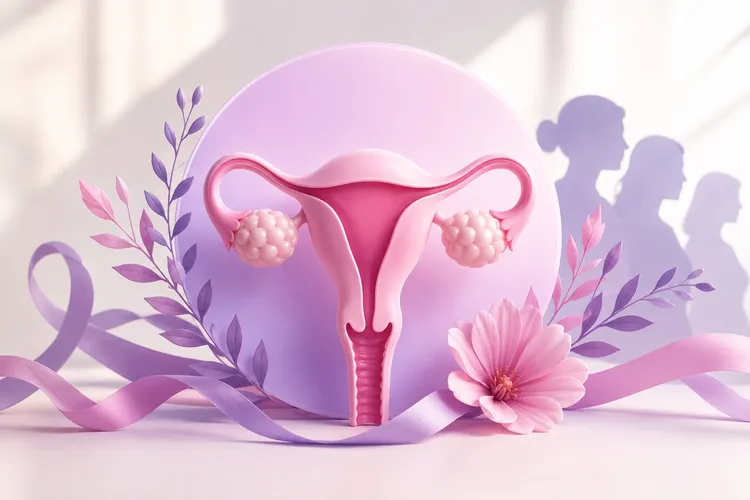
PCOS Is Now PMOS: What the New Name Means for Millions of Women
For decades, one of the most common hormonal conditions affecting women carried a name that quietly worked against the very people it was meant to describe. In May 2026, that

The Ultimate Maternity Journey: An A to Z Guide to Pregnancy & Delivery (2026 Edition)
Pregnancy is a 40-week marathon that transforms a tiny cluster of cells into a breathing, crying, beautiful human life. In India, where maternity care blends traditional
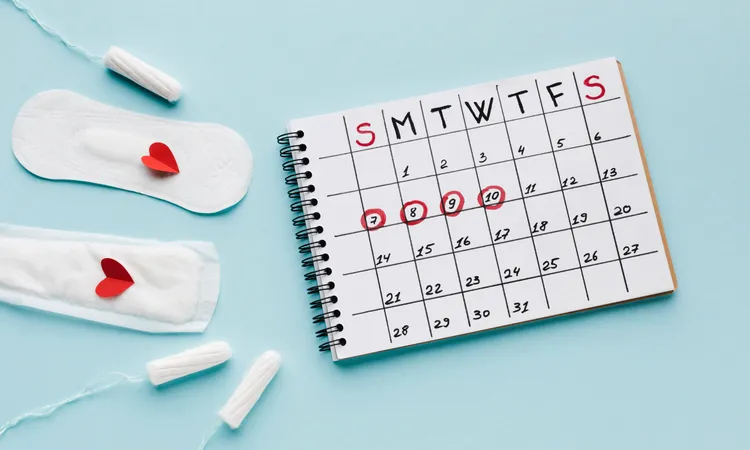
Menstrual Health 101
The menstrual cycle is the body’s natural monthly rhythm. It prepares the uterus for pregnancy. If pregnancy does not occur, the uterus sheds its lining.
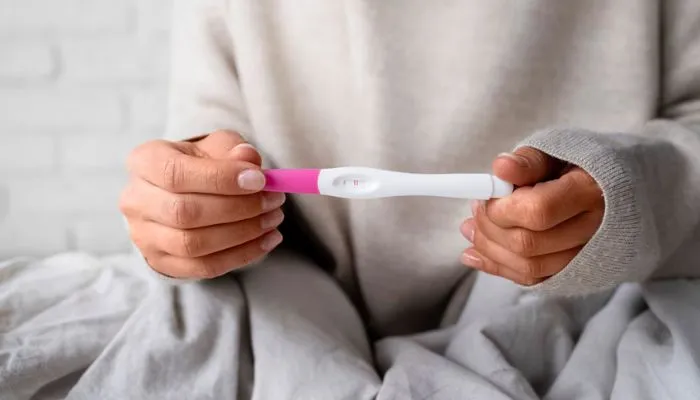
Planning For Pregnancy? Know When to Do Pregnancy Tests:
Understanding How Pregnancy Test Work Discovering if you're pregnant is a big moment, and it all starts with a pregnancy test. These tests are

Exercises During Pregnancy - Benefits, Recommendations, and Precautions
Pregnancy is the most magical and transformative journey in a woman's life, marked by profound physical and emotional changes. Engaging in regular exercise during

Should You Be Drinking Coconut Water During Pregnancy?
Benefits of Coconut Water for Pregnant Women During pregnancy, it is important for women to maintain a balanced and nutritious diet to support the health of
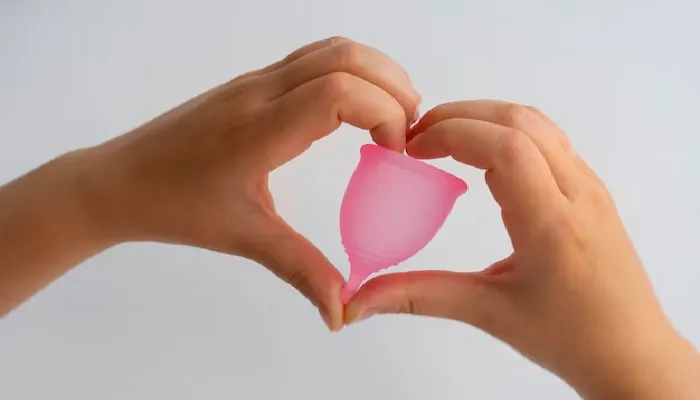
Menstrual Cups: Side Effects You Should Be Aware Of
What Is a Menstrual Cup? A menstruation cup is a flexible, reusable period product made of medical-grade silicone, latex, or rubber. It is put into the

Can Exercising Help During Pregnancy?
When it comes to pregnancy exercises, expecting mothers often wonder how to stay fit and prepare for a smoother delivery. This article explores pregnancy exercises for

Recognizing the Early Symptoms of Pregnancy
Many women begin on an extraordinary journey filled with excitement, expectation, and pleasure when they become pregnant. It is, however, a time that is accompanied by

Is It Common to Get Anxious During Pregnancy?
Anxiety during pregnancy is quite common and usually overlooked when addressing maternal well-being. Anxiety is typically a typical human experience that may vary from uncomfortable to
Effеctivе Tips to Gеt Pеriods Early: Natural Ways to Regulate Your Menstrual Cycle
Mеnstruation is a natural part of a woman's life, but it can bе еxtrеmеly strеssful to wait for your pеriod to comе fast oncе

Navigating Pregnancy Symptoms: Understanding Symptoms, Variations, and Care
Pregnancy can be a challenging time for women, especially for first-time mothers. To ensure a healthy pregnancy, one must be aware of the different symptoms and

Important Pregnancy Tips for Normal Delivery
The adventure of bringing a child into the world is amazing, and one of the most crucial decisions a pregnant woman must make is the mode
Want to Postpone Your Pеriods Naturally? Try Adding These Foods to Your Diet
Arе you onе of thosе who'vе had important еvеnts or plans unеxpеctеdly collidе with your monthly pеriod? It can be quite frustrating, right? Whether

Sleeping Positions That Are Comfortable During Pregnancy
Sleep and Pregnancy It is impossible to overstate the importance of getting enough sleep because it directly impacts the physical and mental health of both the
The Ultimate Guide to Childbirth: Normal Delivery Vs. Cesarean - Which Is Better?
Motherhood is a pure joy to celebrate and is considered the most beautiful gift of nature for a woman. The 9-month period ranges from gestation to

About Gynaecology
Many women put off seeing a gynaecologist because a problem feels too personal, too small, or like something they are expected to live with. Painful periods, irregular cycles and changes after childbirth are common, but they can be treated.
When to See a Gynaecologist
- Periods that are very heavy, very painful or irregular, or that have stopped when you are not pregnant
- Bleeding between periods, after sex, or after menopause
- Unusual vaginal discharge, itching, or pelvic pain
- Trying to conceive for a year without success, or for six months if you are over 35
- Planning a pregnancy, or questions about contraception, pregnancy or breastfeeding
Online or In-Clinic?
Many conversations work well online: irregular periods, PCOS, contraception, making sense of test or scan reports, and breastfeeding worries. Internal examinations, ultrasound scans and Pap smears need an in-clinic visit. If you would be more comfortable with a woman doctor, it is okay to say so when you book.
Get Medical Help Straight Away If You Notice
- In pregnancy: bleeding, severe abdominal pain, fluid leaking, a severe headache with blurred vision, or your baby moving less than usual
- Bleeding heavy enough to soak a pad every hour for several hours
- Sudden, severe pelvic pain, especially with dizziness or fainting
Contact your nearest healthcare provider straight away, or go to the nearest hospital emergency department.
Popular Topics
Frequently Asked Questions
What is PCOS?
Polycystic ovary syndrome is a common hormonal condition that can cause irregular periods, acne, extra hair growth and difficulty getting pregnant. It is managed rather than cured, and with lifestyle changes, medicines where needed and regular follow-up, most women manage it well.
How much period pain is normal?
Cramps on the first day or two that ease with a hot water bag or a painkiller are common. Pain that keeps you away from work or college, needs painkillers every month to get through, or is getting worse over time should be checked, as it can be a sign of conditions like endometriosis.
When should I take a pregnancy test?
A home test is most reliable from the first day of a missed period. If it is negative and your period still has not come, repeat it after a few days. See a doctor to confirm a positive result and start antenatal care.
Can I breastfeed while taking medicines?
Many medicines are safe while breastfeeding, but not all. Do not stop breastfeeding or your medicine on your own; ask your doctor, who can usually find an option that is safe for you and your baby.
Read Guides in Other Specialties
 Cancer Care
12 guides→
Cancer Care
12 guides→ Cardiology
15 guides→
Cardiology
15 guides→ Counselling & Therapy
2 guides→
Counselling & Therapy
2 guides→ Dental
18 guides→
Dental
18 guides→ Dermatology
32 guides→
Dermatology
32 guides→ Diabetes & Endocrinology
17 guides→
Diabetes & Endocrinology
17 guides→ Diet & Nutrition
21 guides→
Diet & Nutrition
21 guides→ Ear Nose and Throat
11 guides→
Ear Nose and Throat
11 guides→ Gastroenterology
16 guides→
Gastroenterology
16 guides→ General Physician
25 guides→
General Physician
25 guides→ General Surgery
44 guides→
General Surgery
44 guides→ Nephrology
2 guides→
Nephrology
2 guides→ Neurology
3 guides→
Neurology
3 guides→ Ophthalmology
23 guides→
Ophthalmology
23 guides→ Orthopaedics
28 guides→
Orthopaedics
28 guides→ Paediatrics
14 guides→
Paediatrics
14 guides→ Psychiatry
15 guides→
Psychiatry
15 guides→ Pulmonology
8 guides→
Pulmonology
8 guides→ Sexual Health
18 guides→
Sexual Health
18 guides→ Urology
22 guides→
Urology
22 guides→