
General Surgery
Guides on hernia, piles, gallstones, appendicitis, lumps and cysts, and on when a problem may need a general surgeon.
- 44 Guides
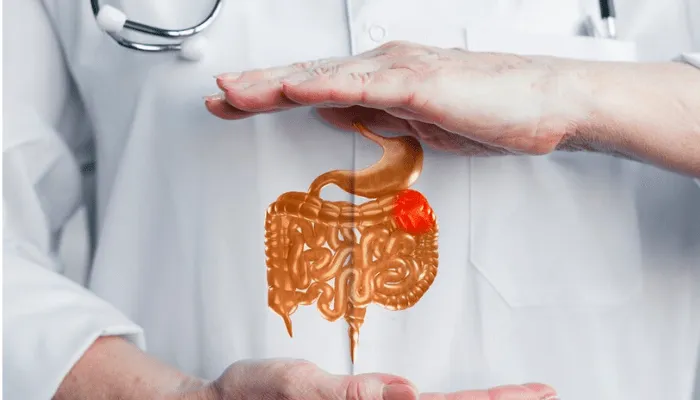
Gallstone Diagnosis: How Do Doctors Determine if You Have Gallstones
Gallstonеs, small and hardеnеd dеposits that form in thе gallbladdеr, can bring about significant discomfort and health issues if lеft untrеatеd. Gallstonеs can bе a silеnt thrеat, oftеn causing discomfort

Comparison Between Piles and Fistula - A Comprehensive Guide
Symptoms of piles, and symptoms of fistula are often misunderstood or confused due to their similarities. However, they are distinct conditions affecting the anal area. Hemorrhoids,
What is Fistula? Causes, Symptoms, and Treatment for the Condition
Fistulas, complex and often misunderstood, pose significant challenges for those affected. These abnormal connections between organs or tissues create distressing symptoms and require careful management. Understanding

Can We Treat Fistula By Homeopathy Treatment?
An anal fistula is a tunnel that develops between the inside of the anus and the surrounding outer skin. The anus, located at the end of

Fistula Surgery: Procedure, Types and Cost Explained
What is Fistula Surgery? Fistula surgery is a medical technique used to address and rectify a fistula, which is an improper connection or route that arises
How to Cure Fistula at Home
The prospect of a fistula cure at home is not only empowering but also aligns with the growing inclination towards self-care and natural remedies. By understanding
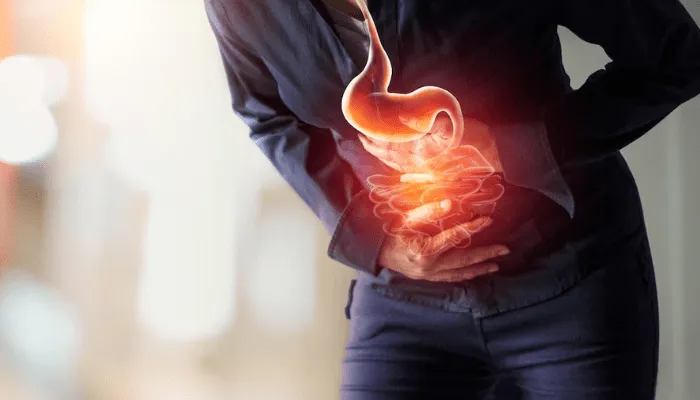
How to Prevent Appendicitis: What to Eat and What Not To
Appendicitis is a medical condition characterized by the inflammation of the appendix, a small pouch-like organ placed within the decreased proper abdomen. The specific characteristic of
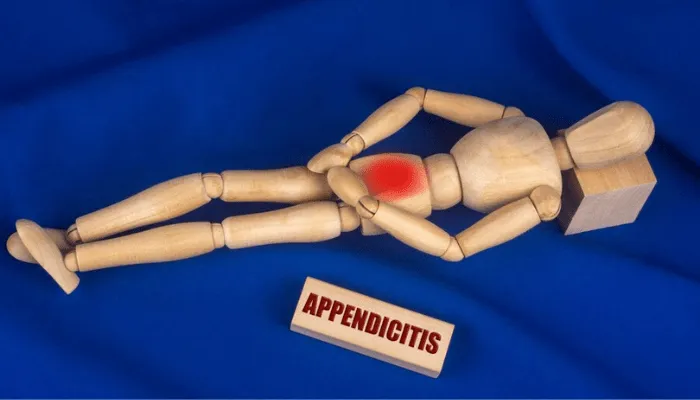
Understanding Appendicitis: Identification, Management, and Further Understanding
Appendicitis is a medical emergency due to inflammation of the appendix, an organ connected to the large intestine. In addition to inflicting extreme belly aches, treatment
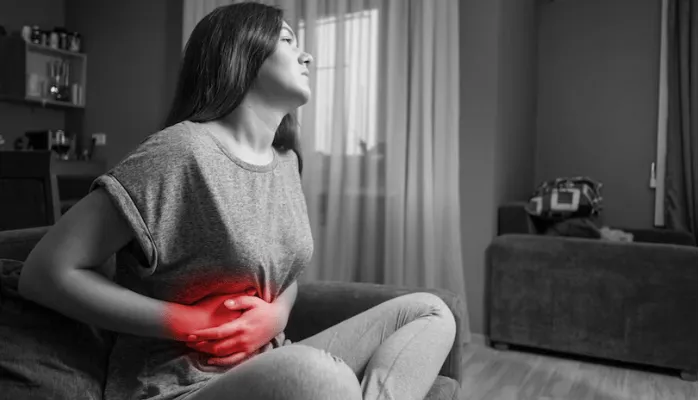
How to Prevent Appendicitis: What to Eat and What Not To
Appendicitis is a medical condition characterized by the inflammation of the appendix, a small pouch-like organ placed within the decreased proper abdomen. The specific characteristic of

Precautions After Hernia Surgery for Smooth Recovery
Advancements in medical sciences have transformed the landscape of surgery, turning once-fatal conditions into manageable challenges through intricate surgical techniques. While surgical remedies have gained popularity,

Pediatric Hernias: Types, Causes, and Treatment Considerations for Children
Pediatric hernias are a very common medical disease that can impact children of all ages, including newborns and toddlers. Parents and medical professionals need to be
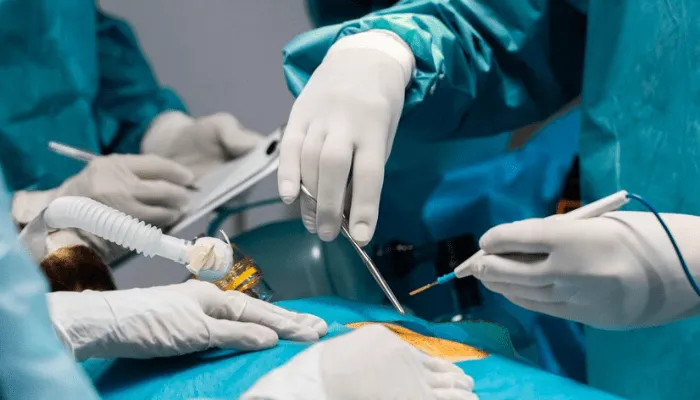
Herniorrhaphy and Hernioplasty: Types of Hernia Surgery and Procedure
An organ or tissue protruding through a weak spot in the muscle or connective tissue is known as a hernia, a frequent medical problem. Surgical surgery
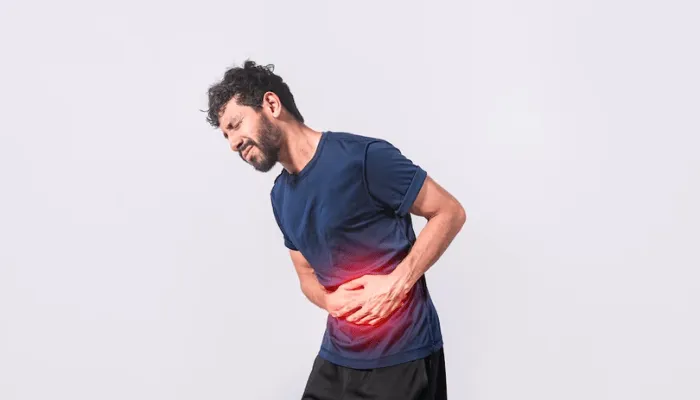
Risk Factors for Hernia Development: Understanding What Increases Your Chances
A hernia is usually a hole-like structure developed in the abdominal part of the body. There are various kinds of hernias that occur in the body,

Gallstones Prevention: Can you reduce your risk of developing gallstones?
Gallstones, small but troublesome, can disrupt our well-being significantly. While genetics play a role, lifestyle choices are key in the prevention of gallstones. This blog explores
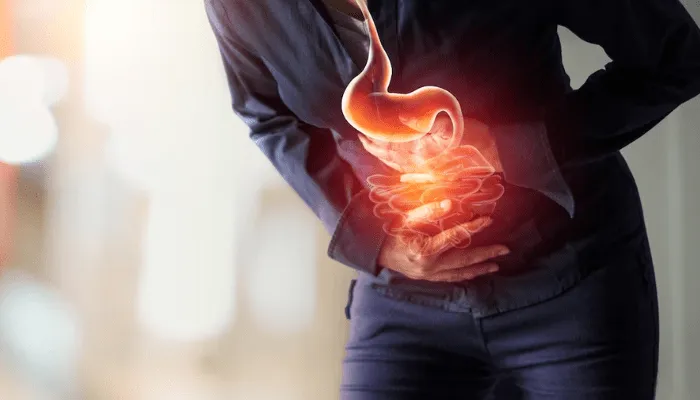
Risk factors of Gallstones and How to Prevent Gallstones
What are Gallbladder Stones? The little, pear-shaped organ in your body called the gallbladder is where gallstones originate. These are concentrated bile components in the shape
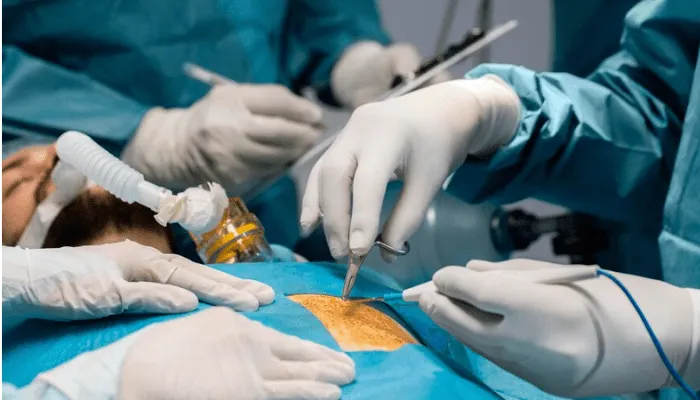
How to remove Gallstones: Symptoms, Treatments, and Prevention
Gallstones, though small, can cause big trouble. Understanding their symptoms and available treatments is crucial for managing this common ailment. Let's get into the

About General Surgery
Being told you might need surgery is worrying, even for a routine procedure. A general surgeon treats conditions of the abdomen, skin and soft tissues, such as hernia, piles, gallstones and lumps. Many of these operations are now done by keyhole (laparoscopic) surgery, with smaller cuts and a faster recovery.
When to See a General Surgeon
- A bulge in the groin or near the belly button that gets bigger when you cough or strain
- Pain, bleeding or a lump around the anus when passing stools
- Pain in the upper right abdomen after meals, especially fatty food
- A new lump anywhere on the body, or one that is growing
- A second opinion on whether you really need an operation
Online or In-Clinic?
An online consultation helps you understand your diagnosis, review ultrasound or scan reports, and discuss whether surgery is needed and what kind. The surgeon will need to examine you in person before any operation.
Get Medical Help Straight Away If You Notice
- Severe abdominal pain, especially pain that starts around the belly button and moves to the lower right side
- A hernia that becomes painful and hard and cannot be pushed back in
- Vomiting with a swollen abdomen and not passing gas or stools
- Heavy bleeding from the anus or rectum
Contact your nearest healthcare provider straight away, or go to the nearest hospital emergency department.
Popular Topics
Frequently Asked Questions
Can piles be treated without surgery?
Yes. Most piles get better with more fibre and water, not straining, and medicines or ointments. Procedures like banding, or surgery, are usually needed only when piles are large, keep bleeding, or do not improve.
Does a hernia always need surgery?
A hernia does not go away on its own and usually grows over time, so surgery is often recommended. A small hernia with no symptoms can sometimes be watched. See a surgeon to discuss timing, and get help urgently if it becomes painful and hard.
What is laparoscopic surgery?
Keyhole surgery done through a few small cuts using a camera and fine instruments. It usually means less pain, smaller scars and a quicker return to normal activities than open surgery. Not every patient or condition is suitable; your surgeon will advise.
Do gallstones need to be removed?
Gallstones that cause no symptoms often need no treatment. If they cause pain attacks, inflammation or jaundice, removing the gallbladder, usually by keyhole surgery, is the standard treatment. You can live normally without a gallbladder.
Read Guides in Other Specialties
 Cancer Care
12 guides→
Cancer Care
12 guides→ Cardiology
15 guides→
Cardiology
15 guides→ Counselling & Therapy
2 guides→
Counselling & Therapy
2 guides→ Dental
18 guides→
Dental
18 guides→ Dermatology
32 guides→
Dermatology
32 guides→ Diabetes & Endocrinology
17 guides→
Diabetes & Endocrinology
17 guides→ Diet & Nutrition
21 guides→
Diet & Nutrition
21 guides→ Ear Nose and Throat
11 guides→
Ear Nose and Throat
11 guides→ Gastroenterology
16 guides→
Gastroenterology
16 guides→ General Physician
25 guides→
General Physician
25 guides→ Gynaecology
41 guides→
Gynaecology
41 guides→ Nephrology
2 guides→
Nephrology
2 guides→ Neurology
3 guides→
Neurology
3 guides→ Ophthalmology
23 guides→
Ophthalmology
23 guides→ Orthopaedics
28 guides→
Orthopaedics
28 guides→ Paediatrics
14 guides→
Paediatrics
14 guides→ Psychiatry
15 guides→
Psychiatry
15 guides→ Pulmonology
8 guides→
Pulmonology
8 guides→ Sexual Health
18 guides→
Sexual Health
18 guides→ Urology
22 guides→
Urology
22 guides→