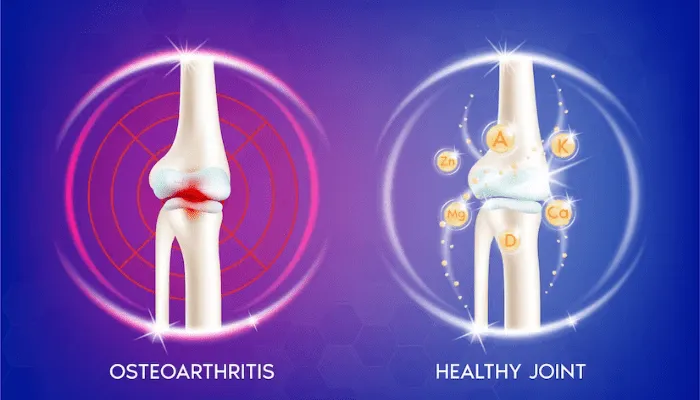

If every step you take feels like a battle against your own body, you aren't alone. In India, osteoarthritis is the most common cause of disability among the elderly, and increasingly, even among middle-aged adults. However, we are living in a golden era of orthopedic medicine. With the rise of Robotic-Assisted Surgery and High-Flex Implants, a knee replacement is no longer a "last resort"—it is a gateway to a second chance at an active life.
This guide explores the transition from chronic pain to pain-free movement, covering everything from prevention to the final stages of recovery.
1. Understanding the "Why": Causes & Symptoms
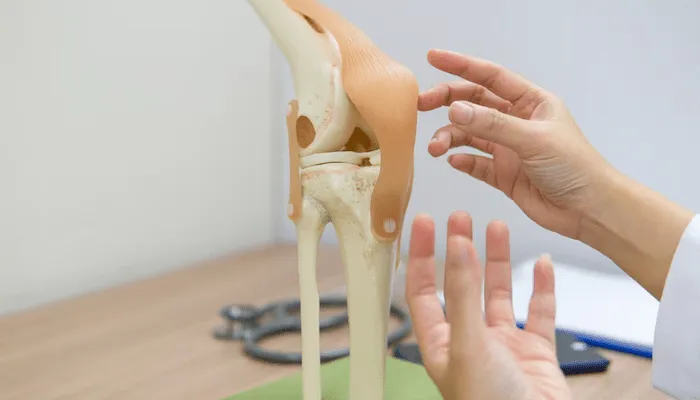
Knee replacement (Arthroplasty) is a surgical procedure to resurface a knee damaged by arthritis.
The Primary Causes:
- Osteoarthritis: The "wear and tear" arthritis that erodes cartilage.
- Rheumatoid Arthritis: An autoimmune condition where the synovial membrane thickens and damages the cartilage.
- Post-Traumatic Arthritis: Follows a serious knee injury or fracture.
- Avascular Necrosis: Loss of blood supply to the bone, causing the joint to "die" and collapse.
Symptoms That Scream "Consult an Orthopedic":
Daily Interference: Pain that prevents you from walking more than a few blocks or climbing stairs.
Resting Pain: Moderate to severe pain even while lying down or sleeping.
Deformity: A visible "bowing" (Genu Varum) or "knock-knee" (Genu Valgum) appearance.
Chronic Inflammation: Swelling that doesn't respond to ice, rest, or anti-inflammatory meds.
2. Can You Avoid It? Prevention & Diagnosis
Before surgery is even discussed, doctors look at conservative management.
Prevention Strategies:
- Weight Management: Every 1 kg of weight lost reduces the pressure on your knees by 4 kg.
- Low-Impact Exercise: Cycling and swimming strengthen the quadriceps and hamstrings, which act as "shock absorbers" for the knee joint.
- Nutrition: Diets rich in Omega-3 fatty acids and Vitamin D help maintain bone density and reduce inflammation.
The Diagnostic Journey:
Physical Exam: Checking for range of motion, stability, and alignment.
- X-Rays: Still the "Gold Standard" to show "bone-on-bone" contact.
- MRI: Used only if the surgeon needs to see soft tissue damage (ligaments/tendons).
- Blood Work: To rule out infections or inflammatory markers (CRP/ESR).
3. Treatment Methods: Manual vs. Robotic
In 2026, Indian hospitals offer two primary surgical paths:
Manual Total Knee Replacement (TKR)
The traditional method where the surgeon uses manual jigs and visual alignment to place the implant. It is highly successful in the hands of experienced surgeons.
Robotic-Assisted Surgery
A breakthrough in precision. The robot doesn't perform the surgery; instead, it provides a 3D digital map of your unique anatomy.
- Pros: Greater accuracy in implant alignment, potentially longer implant life, and smaller incisions.
- Cons: Higher cost (approx. 20-30% more) and slightly longer time under anesthesia.
4. The Hardware: Types of Implants
The "knee" is actually a set of metal and plastic components. In India, you have three tiers of options:
- Standard Cobalt-Chromium: Durable and most common; ideal for older patients.
- Oxidized Zirconium (Gold Knee): Highly resistant to wear; better for younger, more active patients.
- High-Flex Implants: Specifically designed for the Indian lifestyle, allowing for greater bending (up to 150°)—essential for those who wish to sit cross-legged or use Indian toilets.
5. The Financial Reality: Cost in India (2026)
India is a global hub for affordable orthopedics. Costs vary by city and hospital tier:
| Surgery Type | Estimated Cost (Private Hospital) |
| Single Knee (TKR) | ₹1,50,000 – ₹2,50,000 |
| Both Knees (Bilateral) | ₹3,50,000 – ₹5,50,000 |
| Robotic-Assisted TKR | ₹2,50,000 – ₹4,50,000 |
| Partial Knee (PKR) | ₹1,20,000 – ₹1,80,000 |
Note: These costs typically include the implant, hospital stay (3-4 days), and surgeon fees.
6. Risks & Potential Complications
While the success rate is over 95%, patients must be aware of:
- Infection: Rare (<1%) but serious. Requires strict hygiene and antibiotics.
- Blood Clots (DVT): Prevented by blood thinners and early walking post-surgery.
- Implant Loosening: Usually happens 15-20 years post-surgery, requiring a "Revision."
- Stiffness: Occurs if the patient does not follow the physiotherapy protocol.
7. The Recovery Timeline
Recovery is a marathon, not a sprint. Here is what to expect:
- Day 1: You will stand and take a few steps with a walker.
- Week 1-2: Focus on wound healing. Walking at home with support.
- Week 3-6: Significant pain reduction. Transition to a cane or no support. Driving may be resumed (if it's the left knee/automatic car).
- 3 Months: Most patients return to full daily activities and light exercise.
- 1 Year: Maximum strength and flexibility are achieved.
8. The Post-Op Diet Plan
Healing requires fuel. Your body needs specific nutrients to knit bone and skin back together.
- Protein (The Builder): Chicken, paneer, sprouts, and eggs are essential for muscle repair.
- Vitamin C & Zinc: Found in citrus fruits and nuts; these are the "glue" for wound healing.
- Fiber: Pain medications often cause constipation; ensure high intake of whole grains and green leafy vegetables.
- Hydration: Aim for 3 liters of water daily to flush out surgical medications.
9. Important Things Often Missed
- Dental Clearance: You must have no active tooth infections before surgery, as bacteria from the mouth can travel to the new knee and cause failure.
- Home Setup: Before you go for surgery, remove loose rugs, install a raised toilet seat, and ensure you have a chair with high armrests at home.
- The "Psychological" Recovery: It is normal to feel "blue" in the first two weeks due to pain and limited mobility. Support from family is vital.
Conclusion: Walking Into Your Future
A knee replacement is not just about a joint; it’s about regaining your independence. Whether it’s playing with your grandkids or traveling across the country, your mobility is your freedom.
Ready to consult a specialist? [Book an Orthopedic Consultation on MediBuddy today.]
"This content is medically reviewed and verified by Dr. Gowri Kulkarni, Head of Medical Operations at MediBuddy."
Disclaimer: This blog is for informational purposes only and does not constitute medical advice. Always consult with a qualified healthcare provider for personalized recommendations.