

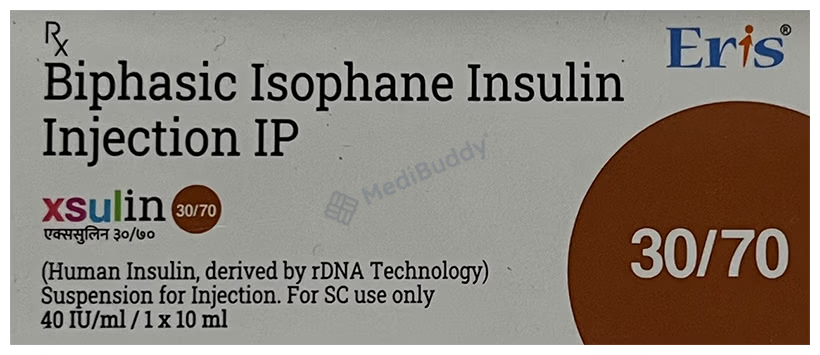
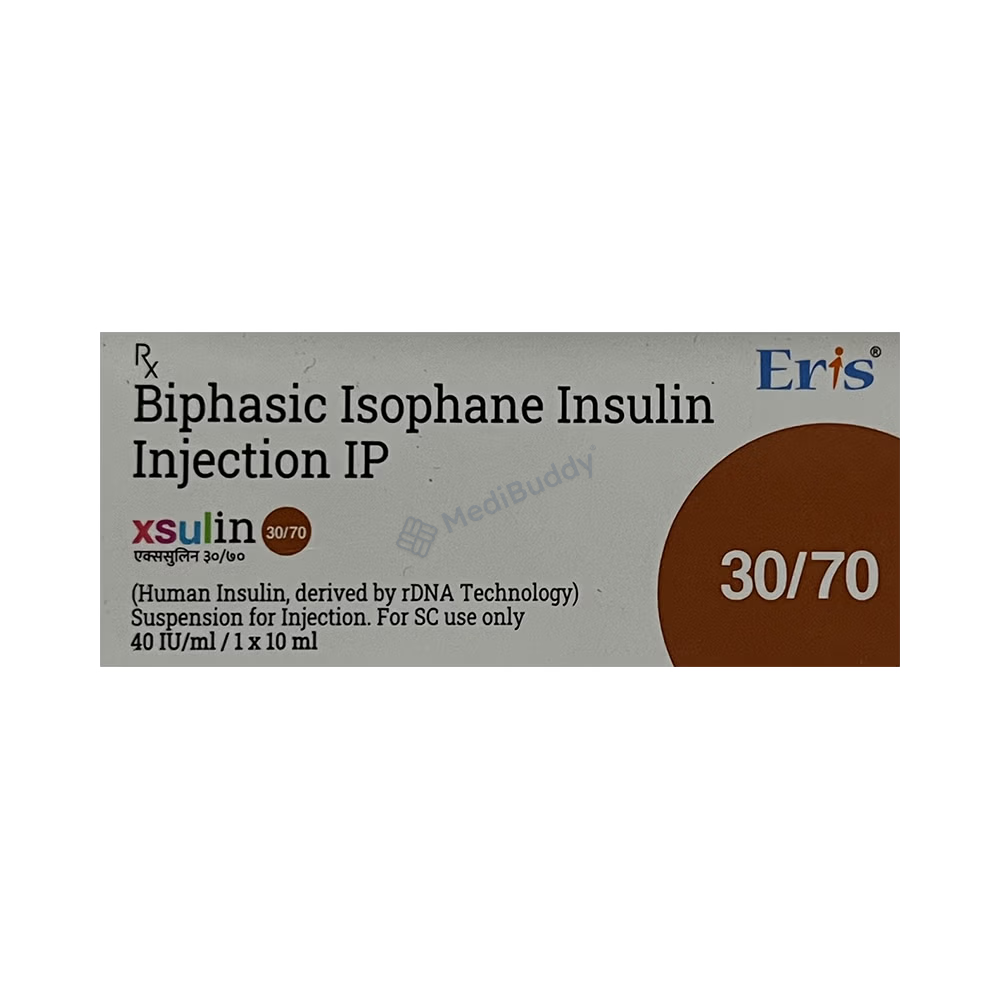

Xsulin 30/70 Suspension for Injection
By Xsulin
Rx
10ml Suspension for Injection in a Vial

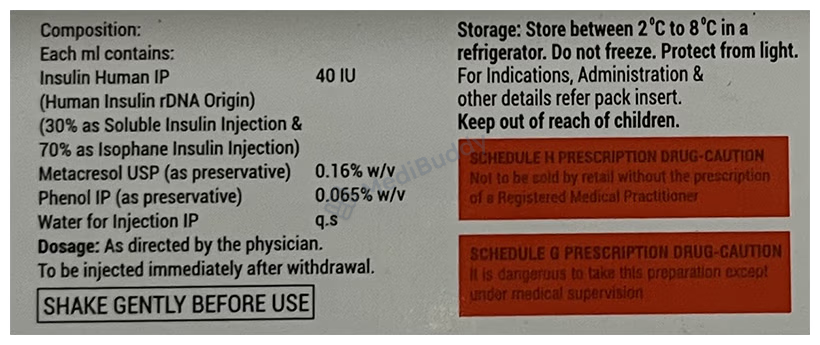
Composition
Human insulin(40IU)

Manufacturer - Eris Lifesciences Ltd
8th Floor, Commerce House IV, Prahladnagar, Ahmedabad – 380015 Gujarat, India

Expires on or after
July, 2026
About Xsulin 30/70 Suspension for Injection
Xsulin 30/70 Suspension for Injection is a type of short-acting insulin that is used to manage both type 1 and type 2 diabetes mellitus. This medication is essential in controlling blood sugar levels after meals, which is crucial in preventing severe complications such as kidney damage and blindness. Typically, Xsulin 30/70 Suspension is prescribed alongside a long-acting insulin or other diabetes medications to effectively manage diabetes.
It is important to follow the instructions provided by your doctor or nurse on how to correctly administer Xsulin 30/70 Suspension under your skin. The injection should be given 20-30 minutes before a meal for optimal effectiveness. It is integral to adhere to the prescribed dosage and timing unless otherwise instructed by your healthcare provider. Remember, Xsulin 30/70 Suspension is just one part of the treatment plan which should also include a balanced diet, regular physical activity, and weight management as advised by your doctor.
Regularly monitoring your blood sugar levels and sharing the results with your doctor is crucial in determining the appropriate dosage of Xsulin 30/70 Suspension for you. This monitoring also helps in preventing low blood sugar levels (hypoglycemia) which is a common side effect of this medication. Other side effects include injection site reactions, cold sweats, anxiety, shakiness, hunger, rapid heartbeat, headache, and nervousness. To minimize these effects, ensure you eat after taking the insulin, maintain a consistent meal schedule, and monitor your blood sugar levels diligently.
It is important to avoid using Xsulin 30/70 Suspension when experiencing low blood sugar levels and inform your doctor of any existing kidney, liver, or heart conditions before starting treatment. Pregnant or breastfeeding women should consult their healthcare provider as adjustments to the dosage may be necessary. Biphasic Isophane Insulin, the active ingredient in Xsulin 30/70 Suspension, aids in improving glycemic control by facilitating the transportation of glucose from the blood into muscle and fat tissues for utilization.
Before starting therapy with Xsulin 30/70 Suspension, it is advisable to discuss with your doctor if you have any liver, kidney, or heart issues, or if you have made significant dietary changes or engage in intense physical activity. Side effects of this medication may include low blood sugar levels, injection site reactions, or swelling in certain body parts. Be sure to consult your doctor if you experience any concerning side effects while using Xsulin 30/70 Suspension.
Benefits
Xsulin 30/70 Suspension for Injection offers several key benefits for individuals dealing with diabetes. This medication is a short-acting type of insulin that works alongside other diabetes medications to help manage blood sugar levels effectively. By replacing the insulin normally produced by the body, Xsulin 30/70 Suspension for Injection enables glucose to enter muscle and fat cells, where it can be used as energy. Additionally, this insulin reduces glucose production in the liver, further contributing to stable blood sugar levels.
One of the primary benefits of Xsulin 30/70 Suspension for Injection is its ability to lower blood sugar levels, thereby decreasing the risk of serious diabetes-related complications such as kidney damage, eye damage, nerve problems, and the potential loss of limbs. By ensuring that blood sugar levels remain within a healthy range, this medication plays a crucial role in overall diabetes management and helps to safeguard against the associated health issues.
For maximum effectiveness, it is important to follow proper administration guidelines for Xsulin 30/70 Suspension for Injection. Understanding how, where, and when to inject the medication is essential for optimizing its benefits. By incorporating Xsulin 30/70 Suspension for Injection into a routine that includes a balanced diet and regular exercise, individuals can work towards achieving a normal, healthy life despite dealing with diabetes. Ultimately, the benefits of Xsulin 30/70 Suspension for Injection lie in its ability to support individuals in maintaining stable blood sugar levels and reducing the likelihood of experiencing severe diabetes complications.
How to use the Xsulin 30/70 Suspension for Injection
To use Xsulin 30/70 Suspension for Injection, always follow the instructions from your doctor or nurse. It is crucial that you do not administer this medicine on your own. Inject Xsulin 30/70 Suspension for Injection into your thighs, buttocks, upper arm, or abdomen just under the skin, not into a vein or muscle directly. It is best to take this injection at least 10 minutes before your meal, and then eat a meal or snack with carbohydrates within 20 minutes to prevent low blood sugar levels.
Before administering the injection, gently roll the vial or cartridge between your hands until the liquid is uniformly white and cloudy. While injecting, keep the needle under your skin for at least 6 seconds to ensure the entire dose is injected. Always check the cartridge or vial for any visible particles or discoloration before using it. After use, discard the needle and syringe properly to prevent infections, and never share your needles with others.
To avoid skin damage, do not inject Xsulin 30/70 Suspension for Injection at the same spot repeatedly. Instead, rotate the injection site. Discuss any changes to the injection site with your doctor. Do not mix Xsulin 30/70 Suspension for Injection with any other insulins before using it. It is important not to stop using this medication without consulting your doctor first. Your doctor will determine the correct dose and frequency of administration based on your age, weight, and health status. Always seek guidance from your healthcare provider for any concerns or changes related to the use of Xsulin 30/70 Suspension for Injection.
Uses of Xsulin 30/70 Suspension for Injection
Xsulin 30/70 Suspension for Injection is used to improve glycemic control in patients with diabetes mellitus, including both type I and type II diabetes. This medication helps regulate blood sugar levels, which is essential for managing diabetes effectively. By using Xsulin 30/70 Suspension for Injection as prescribed, patients can better control their diabetes and minimize complications related to the condition. It is important to follow the healthcare provider's instructions carefully to achieve optimal results in managing diabetes with this medication.
What conditions Xsulin 30/70 Suspension for Injection treats?
Xsulin 30/70 Suspension for Injection is a short-acting insulin used to treat type 1 and type 2 diabetes mellitus by controlling blood sugar levels. It is taken before meals to prevent complications like kidney damage and blindness. This insulin should be used in combination with other diabetes medications, as prescribed by your doctor. Regularly monitor blood sugar levels, follow the correct injection procedure, and maintain a healthy lifestyle. Possible side effects include low blood sugar, injection site reactions, and weight gain. Consult your doctor if side effects persist.
Should you consult a doctor?
If you experience symptoms of hypoglycemia, such as sweating, confusion, or shakiness, seek medical help immediately. Inform your doctor before taking Xsulin 30/70 Suspension for Injection if you have issues with your adrenal, pituitary, or thyroid glands. It's also important to consult your doctor if you've made recent changes to your diet and lifestyle, are engaging in more physical activity than usual, have been ill or had infections, or are planning to travel abroad. Your doctor can provide guidance on managing your medication during these circumstances to ensure your safety and well-being.
Side effects of Xsulin 30/70 Suspension for Injection
The Xsulin 30/70 Suspension for Injection may cause certain side effects, although most of these typically subside as your body gets used to the medication. Common side effects include hypoglycemia (low blood sugar levels), weight gain, and injection site reactions like pain, swelling, or redness. You may also experience cold sweats, anxiety, shakiness, hunger pangs, a fast heart rate, headaches, and nervousness. In some cases, more serious side effects could occur, such as diabetic retinopathy, which is an eye disease linked to diabetes, swelling around the ankles and joints, painful neuropathy from nerve damage, and lipodystrophy, which is the shrinking of fat tissues under the skin. Other potential adverse reactions include lumps under the skin, weight gain, and swelling in other body parts. Vision problems and allergic reactions, characterized by skin rash, itching, sweating, and swelling, can also occur. If you notice signs of severe hypoglycemia like cold sweat, cool pale skin, headache, rapid heartbeat, nausea, increased hunger, vision changes, drowsiness, weakness, or confusion, it is essential to consult your doctor immediately.
Safety advice

liver
When using Xsulin 30/70 Suspension for Injection, it's important to be cautious if you have liver disease. Patients with liver issues may require dose adjustments for this medication. Always consult your doctor before using Xsulin 30/70 Suspension for Injection. Regular monitoring of your glucose levels is advised to ensure proper dose adjustments as needed.

kidney
Xsulin 30/70 Suspension for Injection requires caution in patients with kidney disease. Dose adjustment might be necessary, so consult your doctor. Regularly monitor blood glucose levels for proper adjustment.

alcohol
It is not safe to drink alcohol while using Xsulin 30/70 Suspension for Injection.

driving
It is important to be cautious when driving while using Xsulin 30/70 Suspension for Injection. Your driving abilities may be impacted if your blood sugar levels are too low or too high. Avoid driving if you experience symptoms that affect your focus and reaction time.

pregnancy
Xsulin 30/70 Suspension for Injection is generally safe to use during pregnancy. Animal studies suggest low risk to the baby, but human studies are limited.

breastfeeding
Xsulin 30/70 Suspension for Injection is considered safe to use while breastfeeding based on human studies. It is unlikely to pass into breastmilk in harmful amounts that could affect the baby.
Age above 75(Geriatrics)
Xsulin 30/70 Suspension for Injection should be used with caution in elderly patients (aged 65 years or above). Therefore, consult your doctor before administration. Proper dose adjustments and careful monitoring of blood glucose levels and kidney functions are required in such patients.
Age below 6 months(Pediatrics)
Xsulin 30/70 Suspension for Injection can be used in children and adolescents (aged below 18 years) if prescribed by the physician. Therefore, consult your doctor before administration.
Consumption warning before consuming Xsulin 30/70 Suspension for Injection
Before using Xsulin 30/70 Suspension for Injection, it's important to be aware of certain warnings. This short-acting insulin is prescribed to manage type 1 and type 2 diabetes, in conjunction with a balanced diet and regular exercise. Proper injection technique under the skin, as instructed by your healthcare provider, is crucial. Take the injection 20-30 minutes before meals and don't discontinue usage without medical advice.
Regularly monitor your blood sugar levels and share the results with your doctor to determine the correct dosage. Common side effects may include hypoglycemia, injection site reactions, and symptoms like cold sweats and anxiety. Ensure you consume meals promptly after injecting to prevent low blood sugar levels. Avoid excessive alcohol consumption as it can also lower blood sugar levels.
Do not administer Xsulin 30/70 Suspension if experiencing hypoglycemia, and inform your doctor about any kidney, liver, or heart issues. Pregnant or breastfeeding individuals should consult a healthcare professional for potential dosage adjustments. Be vigilant about possible side effects like weight gain and injection site reactions, and follow your doctor's advice diligently.
What if you forgot to take Xsulin 30/70 Suspension for Injection?
Missing a dose of Xsulin 30/70 Suspension for Injection could lead to high blood sugar levels (hyperglycemia). If you forget to take your dose, take it as soon as you remember. If it is close to the time for your next scheduled dose, then skip the missed one and stick to your usual dosing routine. Avoid taking a double dose to make up for the missed one, as this can be harmful. Keeping track of when you take your medication can help prevent missed doses and maintain your blood sugar levels within the target range.
What happens if you take overdose of Xsulin 30/70 Suspension for Injection?
If you or someone has taken an overdose of Xsulin 30/70 Suspension for Injection, it is crucial to act quickly. Taking too much of this medication can lead to severe hypoglycemia, which is a dangerous drop in blood sugar levels. Symptoms of hypoglycemia to watch out for include fainting, feeling unwell, sweating, vomiting, difficulty in breathing, fast heartbeat, and dizziness. In such a situation, it is important to contact your doctor immediately or proceed to a hospital without delay for prompt medical attention.
Related lab tests
Related Lab Tests for monitoring the use of Xsulin 30/70 Suspension for Injection include the following tests:
1. HbA1c (Glycated Hemoglobin): This test measures the average blood sugar levels over the past 2-3 months, providing valuable information on long-term blood sugar control.
2. Blood Glucose Fasting (FBS): This test measures blood sugar levels after fasting for 8 hours, giving an indication of current blood sugar levels.
3. Insulin-Fasting: This test measures the level of insulin in the blood, which is important in managing diabetes and evaluating the body's response to insulin therapy.
4. Diabetic Checkup: This comprehensive test includes various parameters such as blood sugar levels, kidney function tests, and lipid profile to assess overall diabetic health.
5. Advance Diabetes Monitoring (Senior Female): This test may include a combination of tests such as HbA1c, fasting glucose, kidney function tests, and lipid profile tailored for senior females with diabetes.
6. Jaanch Diabetic Profile Basic: This test may include basic parameters such as fasting blood sugar levels, HbA1c, and kidney function tests to monitor diabetic status.
These tests are essential for monitoring the effectiveness of Xsulin 30/70 Suspension for Injection in controlling blood sugar levels and overall diabetic management. It is important to consult with a healthcare provider to determine the appropriate frequency and combination of lab tests based on individual health needs.
Additional Information
| Habit Forming | No |
| Chemical Class | Insulin analogue |
| Therapeutic Class | - |
| Action Class | Human insulin- short acting |
FAQs
Disclaimer
The information provided on this website is to the best of our abilities to ensure it is accurate, reliable, and reviewed by a team of professionals. It should not be used to diagnose, prevent, or cure any health problem. The information presented here is not intended to create a doctor-patient relationship or replace a registered medical practitioner's advice, diagnosis, or treatment. The absence or provision of any information or warning regarding any medicine should not be assumed as an implied or explicit assurance of safety or efficacy. We highly recommend consulting your registered medical practitioner for all queries or doubts related to your medical condition. Do not ignore professional medical advice or delay seeking it based on the content encountered on our website. We intend to support, not replace, the doctor-patient relationship.
₹181.39
Inclusive of all taxes
Content verified by

Dr. Archana Prabhakar
MBBS, M.Med (Family Medicine)
Last update on 01-Oct-2024

Health
Hospitalisation
Download the Medibuddy App


