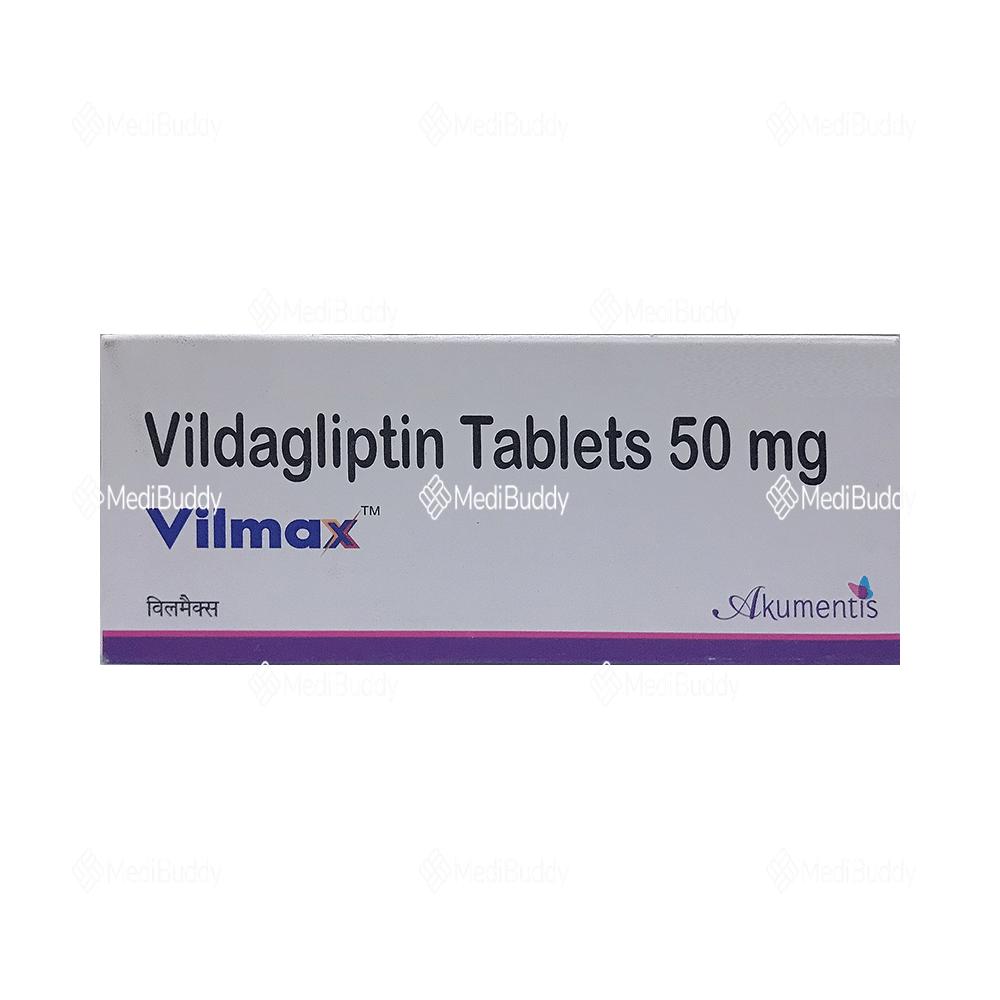
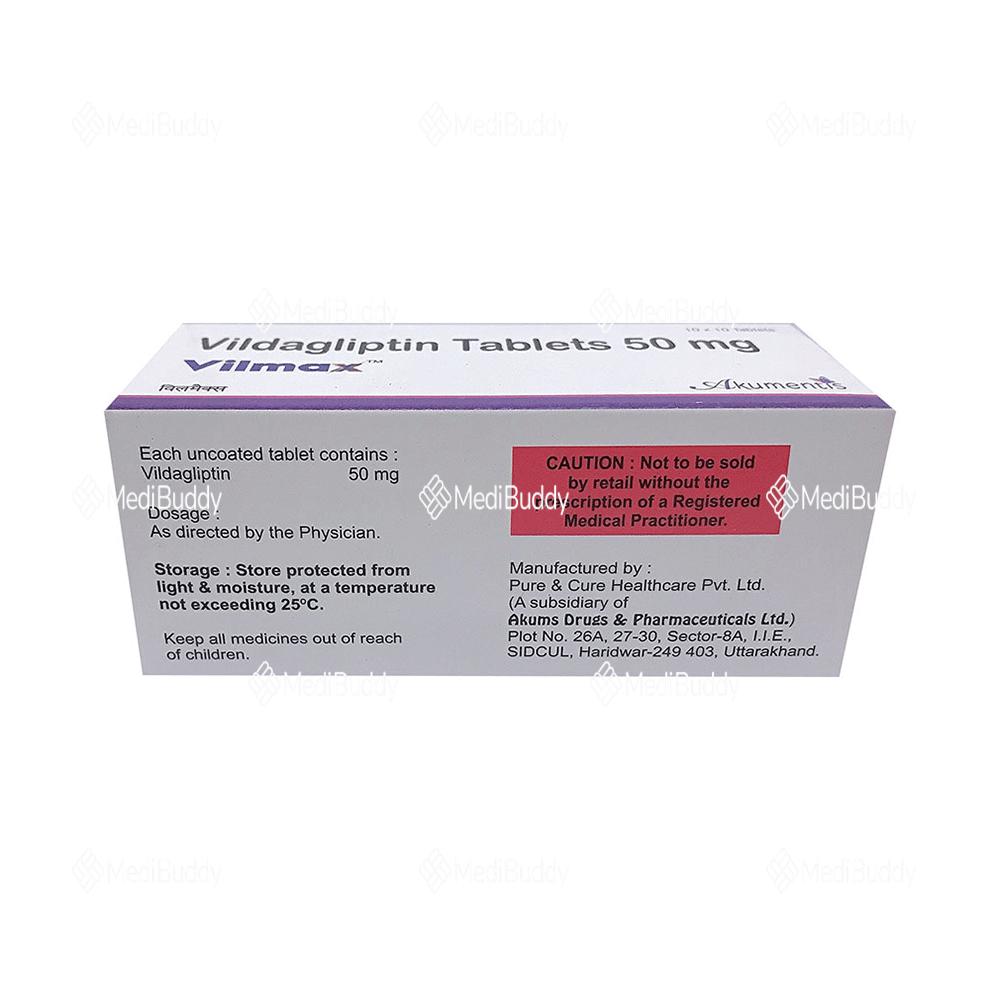
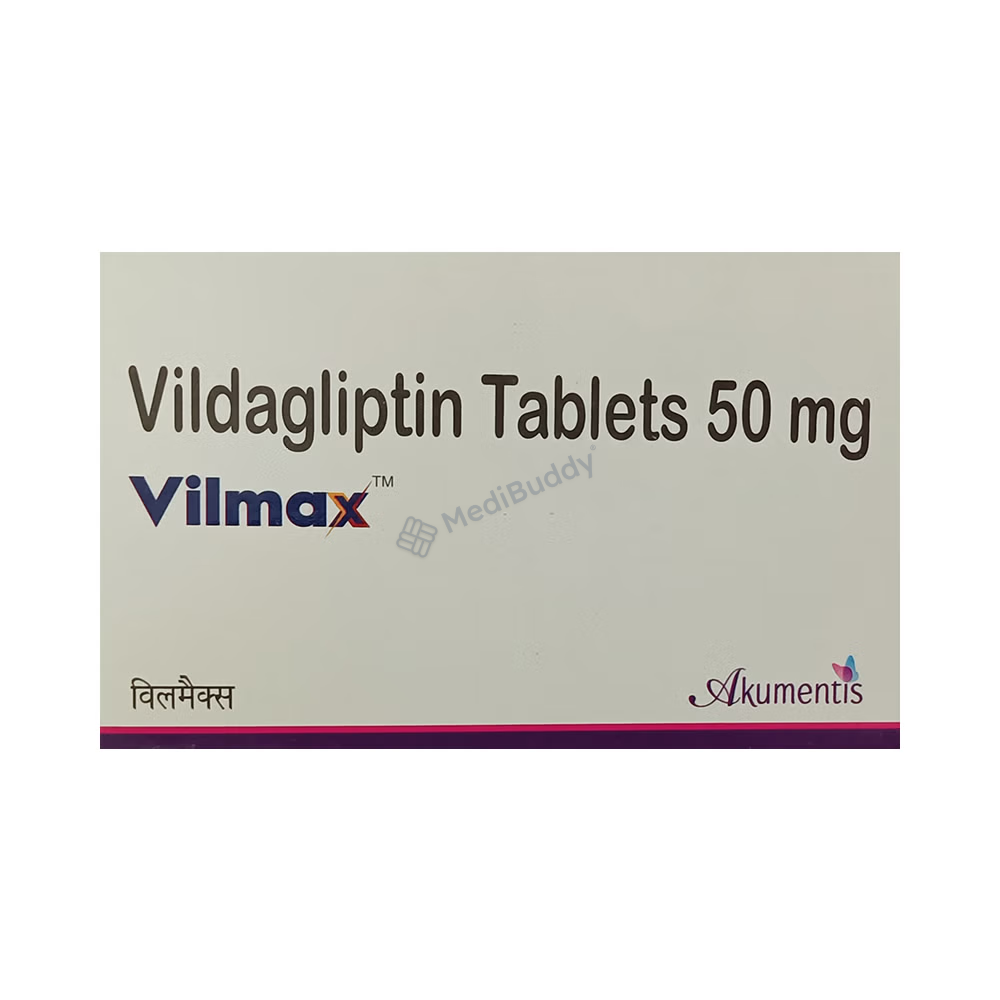
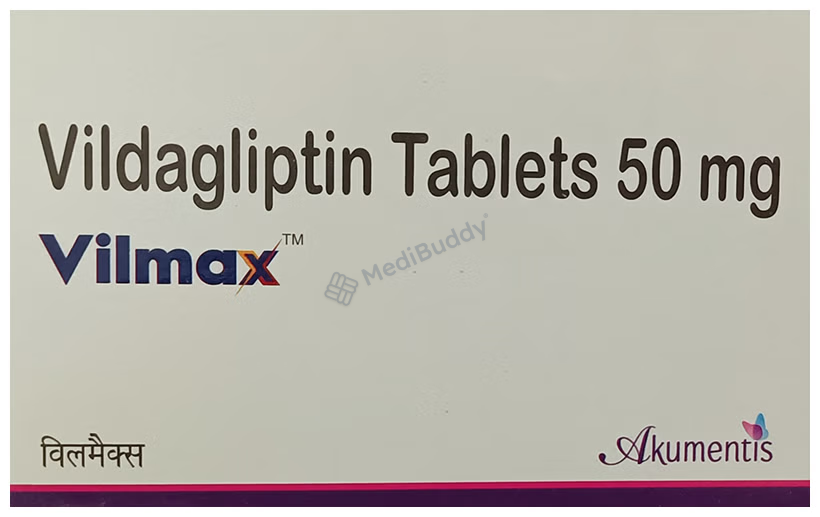
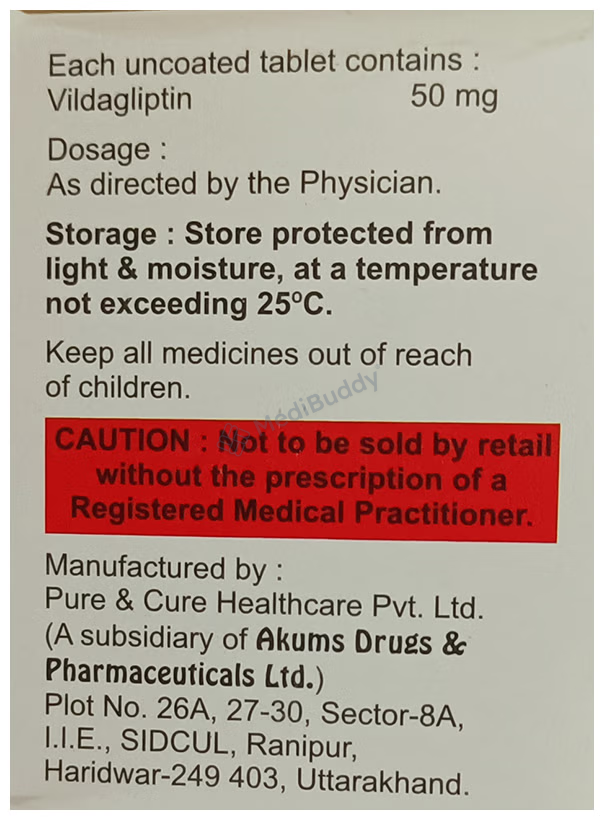
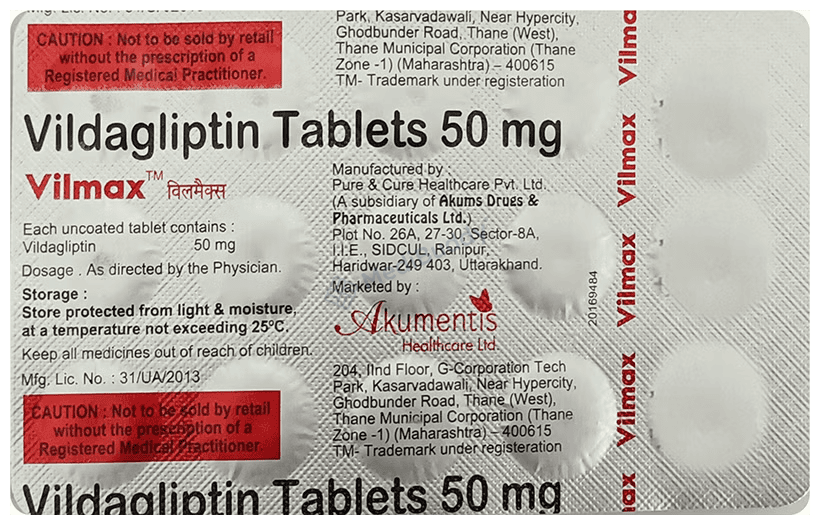
Vilmax Tablet
By Vilmax
Rx
10 Tablet in a Strip

Composition
Vildagliptin(50mg)

Manufacturer - Akumentis Healthcare Ltd
204, 2nd Floor, G-Corp Tech Park, Kasarvadavali, Near Hypercity, Ghodbandar Road, Thane (West) - 400615. ,Maharashtra, India

Expires on or after
February, 2028
About Vilmax Tablet
Vilmax Tablet is a medication designed to manage type 2 diabetes mellitus, a condition where the body struggles to control blood sugar levels. It is essential to pair Vilmax Tablet with a balanced diet and regular exercise routine to keep blood sugar levels stable and prevent serious diabetes-related complications like kidney damage and vision problems. This medication is typically prescribed when diet and exercise alone or other treatments fail to effectively manage blood sugar levels. It can be taken on its own or alongside other diabetes medications, with or without food, depending on your specific condition and blood sugar levels. To maximize its benefits, it's crucial to take Vilmax Tablet at the same time each day and strictly follow your doctor's instructions regarding dosage.
It's imperative not to discontinue Vilmax Tablet without your doctor's guidance, as consistency in taking the medication is key to its effectiveness. Alongside medication, adhering to the recommended diet and exercise regimen is crucial for successful diabetes management as lifestyle choices significantly impact blood sugar control. While Vilmax Tablet can prove beneficial in regulating blood sugar levels, it's essential to be aware of possible side effects like hypoglycemia, tremors, headaches, dizziness, fatigue, and nausea. Recognizing the symptoms of hypoglycemia and knowing how to address them is important, such as having quick sugar sources on hand to manage symptoms. Should you experience persistent or concerning side effects, contacting your healthcare provider is advisable.
Before starting Vilmax Tablet, inform your doctor about any history of kidney disease, heart issues, pancreas problems, pregnancy, breastfeeding, or the use of other medications. Certain medications may interact with Vilmax Tablet, affecting its efficacy, so your doctor should be made aware of all other medications you are taking. Additionally, limiting alcohol intake while on this medication is recommended to avoid potential complications and ensure optimal blood sugar control. Regular monitoring through tests like kidney function and blood glucose levels may be necessary to ensure the medication is working as intended.
Benefits
Vilmax Tablet, a medication used in the treatment of Type 2 diabetes mellitus, falls under the category of DPP-4 inhibitors. Its primary function is to increase the insulin production in your body after a meal and regulate the release of glucose into your bloodstream, effectively lowering the blood glucose levels. By maintaining optimal blood glucose levels, Vilmax Tablet helps in managing diabetes and reducing the risk of severe complications associated with the condition.
Consistent use of Vilmax Tablet can help in preventing kidney damage, eye damage, nerve problems, and limb loss that are often linked to uncontrolled diabetes. Moreover, this medication can also lower the risk of heart disease and stroke by supporting overall cardiovascular health. By incorporating Vilmax Tablet into your daily routine alongside a balanced diet and regular exercise, you can lead a normal, healthy life.
Another variant of this medication, Vilmax Tablet, is specifically designed to support the pancreas in producing more insulin, enhancing insulin utilization, and reducing the excess sugar production by the liver. By effectively controlling the post-meal blood sugar spikes, Vilmax Tablet plays a crucial role in managing blood sugar levels. This helps in safeguarding against severe diabetic complications such as retinopathy (eyesight loss), nephropathy (kidney damage), neuropathy (nerve damage), diabetic foot ulcers, and delayed wound healing.
In conclusion, the benefits of Vilmax Tablet and Vilmax Tablet lie in their ability to regulate blood glucose levels, mitigate the risk of diabetes-related complications, and promote overall health and well-being when used consistently as prescribed.
How to use the Vilmax Tablet
To use Vilmax Tablet effectively, always follow your doctor's instructions regarding the dose and duration. Swallow the tablet whole with water, ensuring not to chew, crush, or break it. While Vilmax Tablet can be taken with or without food, it is advisable to take it at a consistent time each day for better results. It is crucial to take Vilmax Tablet exactly as directed by your physician. For instance, Vilmax Tablet should be consumed with food or just after a meal, without crushing or chewing it. Your doctor will determine the appropriate dosage and duration based on your age and health condition, so it's essential not to adjust or discontinue the medication without consulting your doctor. Prioritize consistency and adherence to your doctor's instructions for the best outcomes when using Vilmax Tablet.
Uses of Vilmax Tablet
Vilmax Tablet is commonly used for the treatment of Type 2 diabetes mellitus. This medication is specifically designed to help individuals with Type 2 diabetes whose blood sugar levels cannot be effectively controlled through diet, exercise, or other diabetes medications. Vilmax Tablet plays a crucial role in managing this condition, providing a valuable tool for individuals seeking to better control their diabetes.
What conditions Vilmax Tablet treats?
Vilmax Tablet is commonly used for the management of type 2 diabetes. In this condition, the body struggles to produce enough insulin or use insulin efficiently, leading to high blood sugar levels. Symptoms may include increased thirst, frequent nighttime urination, slow wound healing, hunger, fatigue, and blurred vision. Type 2 diabetes complications can involve nerve problems, kidney issues, eye problems, limb loss, sexual dysfunction, and an increased risk of heart attack or stroke. Weight changes can also occur in some cases.
Should you consult a doctor?
If you have type 1 diabetes mellitus or uncontrolled diabetes with symptoms such as severe low blood sugar levels, nausea, vomiting, diarrhea, rapid weight loss, ketoacidosis, or lactic acidosis, it is important to avoid Vilmax Tablet. Additionally, if you are experiencing severe infection, dehydration, or are planning to undergo a contrast x-ray procedure, it is advisable not to take this medication.
Before starting Vilmax Tablet, discuss with your doctor if you have a history of pancreas disease, upcoming surgery, vitamin B12 deficiency, or malnutrition with adrenal or pituitary insufficiency. Seeking medical advice in these situations ensures the safe and appropriate use of the medication.
Side effects of Vilmax Tablet
When taking Vilmax Tablet, some common side effects may occur as your body gets used to the medication. These can include low blood sugar levels leading to symptoms like shaking or quivering, headache, and dizziness. Other possible side effects include fatigue, nausea, vomiting, diarrhea, stomach pain, loss of appetite, joint pain, tiredness, constipation, and swelling in the hands, ankles, or feet. While most of these side effects are mild and temporary, it is important to consult your doctor if they persist or if you have concerns about them. However, stop using Vilmax Tablet and seek immediate medical attention if you experience severe side effects such as symptoms of lactic acidosis, signs of pancreas inflammation, liver disease symptoms, severe allergic reactions like angioedema, or conditions related to dehydration. Your doctor can provide guidance on managing any side effects and ensure your well-being while taking this medication.
Safety advice

liver
For individuals with liver disease, it is advised to avoid using Vilmax Tablet as it is considered unsafe in such cases. It is important to consult with your doctor before taking this medication, especially if you have any liver issues. Your doctor will be able to provide you with proper guidance and recommend the most suitable treatment option for your condition.

kidney
Vilmax Tablet is safe for patients with kidney disease, but dose adjustment may be needed for those with moderate to severe kidney issues. Consult your doctor for proper guidance.

alcohol
Consult your doctor when consuming alcohol with Vilmax Tablet.

driving
When taking Vilmax Tablet, be cautious while driving as it can lower alertness, impact vision, and cause drowsiness and dizziness. Refrain from driving if experiencing these effects.

pregnancy
Vilmax Tablet may not be safe to use during pregnancy. Animal studies have shown potential harm to the developing baby. Please consult your doctor to assess the benefits and risks before using this medication.

breastfeeding
Vilmax Tablet is considered unsafe during breastfeeding as it may pass into breastmilk and harm the baby. It is advisable to consult a doctor before using this medication while breastfeeding.
Age above 75(Geriatrics)
Vilmax Tablet should be used with caution in elderly patients above 65 years of age, especially in patients with impaired kidney function. Your doctor will adjust the dose depending on kidney function, and your kidney function will be monitored regularly. Consult with your doctor before taking Vilmax Tablet.
Age below 6 months(Pediatrics)
Vilmax Tablet is not recommended for use in children and adolescents less than 18 years of age due to a lack of safety and effectiveness. Consult with your doctor for advice.
Consumption warning before consuming Vilmax Tablet
Before consuming Vilmax Tablet, it is crucial to be aware of certain warnings. Individuals with type 1 diabetes or diabetic ketoacidosis should avoid using this medication. Some diabetic patients may develop a rare but serious condition called lactic acidosis while taking Vilmax Tablet. This condition can lead to an accumulation of lactic acid in the blood, potentially causing harm to the liver and kidneys responsible for eliminating excess lactic acid. Prior to starting Vilmax Tablet, inform your doctor if you have a history of pancreatitis, kidney disease, or low vitamin B12 levels. When combined with insulin, Vilmax Tablet can significantly reduce blood sugar levels, potentially resulting in hypoglycemia, which can be fatal. Regular monitoring of thyroid-stimulating hormone (TSH) levels is recommended, as prolonged use of Vilmax Tablet may lower TSH levels. Additionally, there is a rare risk of developing a severe skin reaction known as bullous pemphigoid. It is important to inform your doctor if you will be undergoing a diagnostic test involving the injection of dye or X-ray contrast agent as Vilmax Tablet may need to be temporarily discontinued before such procedures.
Disease interactions
Individuals with heart conditions such as congestive heart failure and myocardial infarction, as well as those with vitamin B12 deficiency or alcoholism, should avoid taking Vilmax Tablet due to potential interactions. It is important for patients with these conditions to consult with their healthcare provider before using this medication to avoid any adverse effects. Vilmax Tablet should be used cautiously in these populations to prevent any potential harm and to ensure optimal health outcomes.
What if you forgot to take Vilmax Tablet?
If you forget to take your Vilmax Tablet at the scheduled time, try to take it as soon as you remember. But if it's close to the time for your next dose, simply skip the missed dose and continue with your usual dosing schedule. It's important not to take a double dose to make up for the missed one. This ensures that you maintain the correct dosage and minimizes the risk of any potential side effects.
What happens if you take overdose of Vilmax Tablet?
If you mistakenly take too much Vilmax Tablet, it is crucial to reach out to your doctor right away for advice. Overdosing on Vilmax Tablet may lead to various symptoms such as low blood sugar, lactic acidosis, muscle pain, mild burning sensations, tingling feelings in the body, fever, and swelling. Remember, seeking immediate medical help in case of an overdose is essential to ensure your well-being.
Related lab tests
Related Lab Tests for monitoring the effects of Vilmax Tablet may include Glucose - Fasting Blood test to check sugar levels after fasting, Glucose - Postprandial Blood test to monitor sugar levels after meals, and Glycosylated Hemoglobin (HbA1C) test which reveals average blood sugar levels over the past 2-3 months. Other related tests that can be considered are Random Blood Sugar (RBS) test, Post Prandial Blood Sugar (PPBS) test, Insulin levels - Fasting and Postprandial, as well as additional diabetes care tests like Vital Diabetes Care, Extended Diabetes Care, Advance Diabetes Care, and Comprehensive Diabetes Care to comprehensively monitor and manage diabetes condition while taking Vilmax Tablet.
Additional Information
| Habit Forming | No |
| Chemical Class | Pyrrolidine-carbonitrile derivative |
| Therapeutic Class | ANTI DIABETIC |
| Action Class | DPP-4 inhibitors |
FAQs
Disclaimer
The information provided on this website is to the best of our abilities to ensure it is accurate, reliable, and reviewed by a team of professionals. It should not be used to diagnose, prevent, or cure any health problem. The information presented here is not intended to create a doctor-patient relationship or replace a registered medical practitioner's advice, diagnosis, or treatment. The absence or provision of any information or warning regarding any medicine should not be assumed as an implied or explicit assurance of safety or efficacy. We highly recommend consulting your registered medical practitioner for all queries or doubts related to your medical condition. Do not ignore professional medical advice or delay seeking it based on the content encountered on our website. We intend to support, not replace, the doctor-patient relationship.
₹77
Inclusive of all taxes
Content verified by

Dr. Upasana Bhatia
MBBS - General Medicine
Last update on 18-Nov-2024


