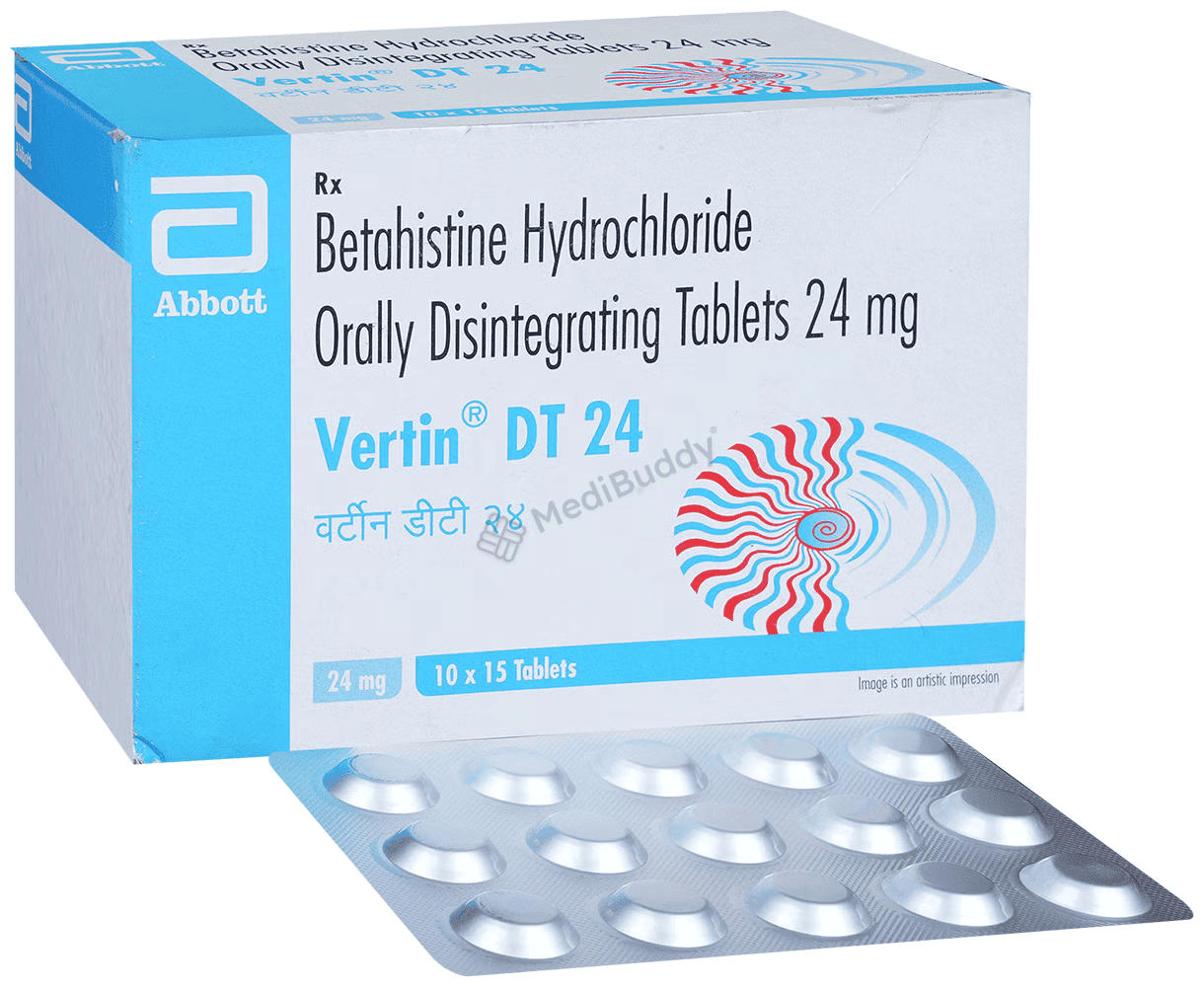
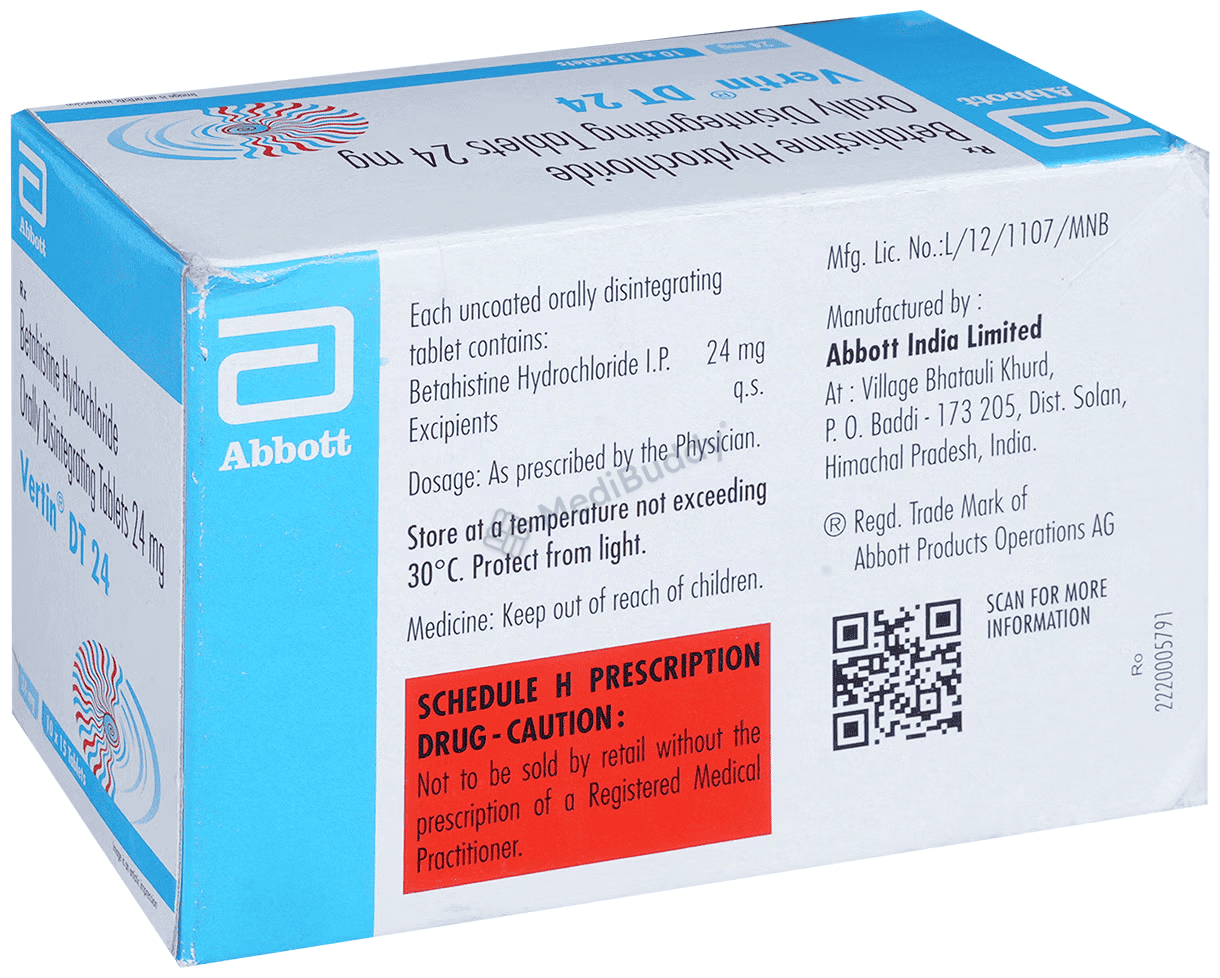
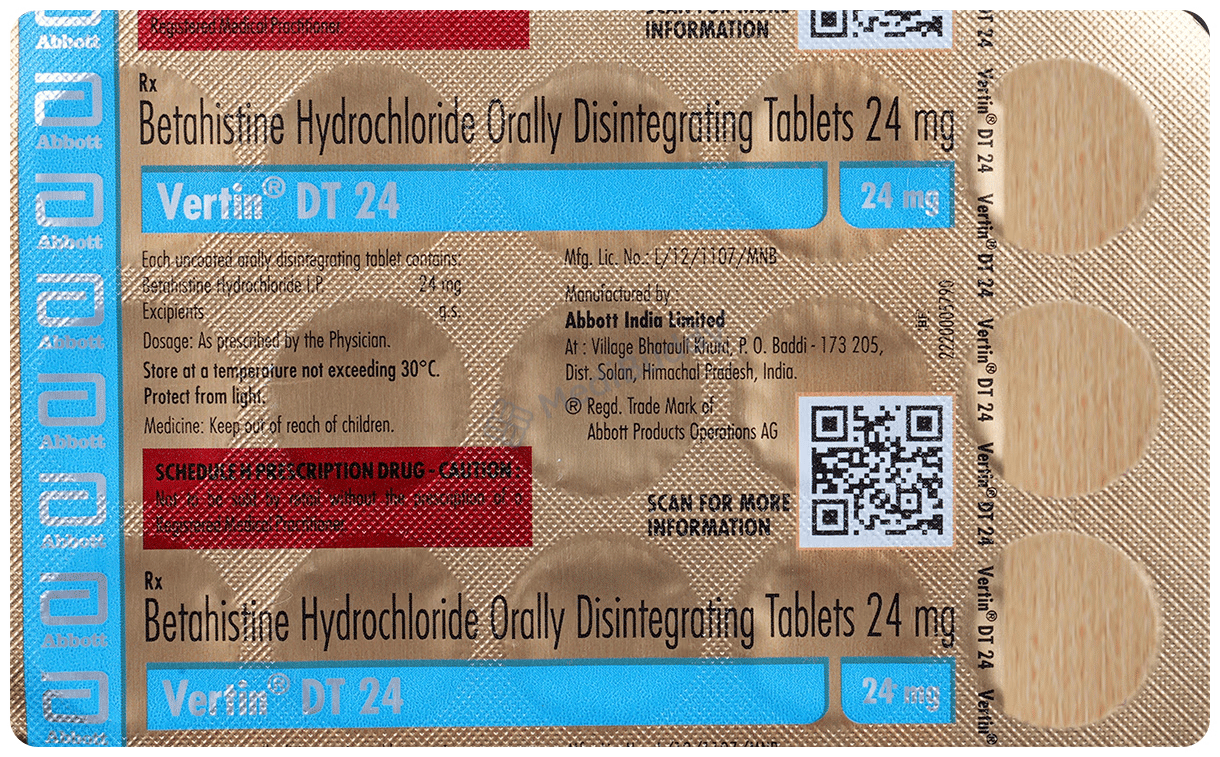
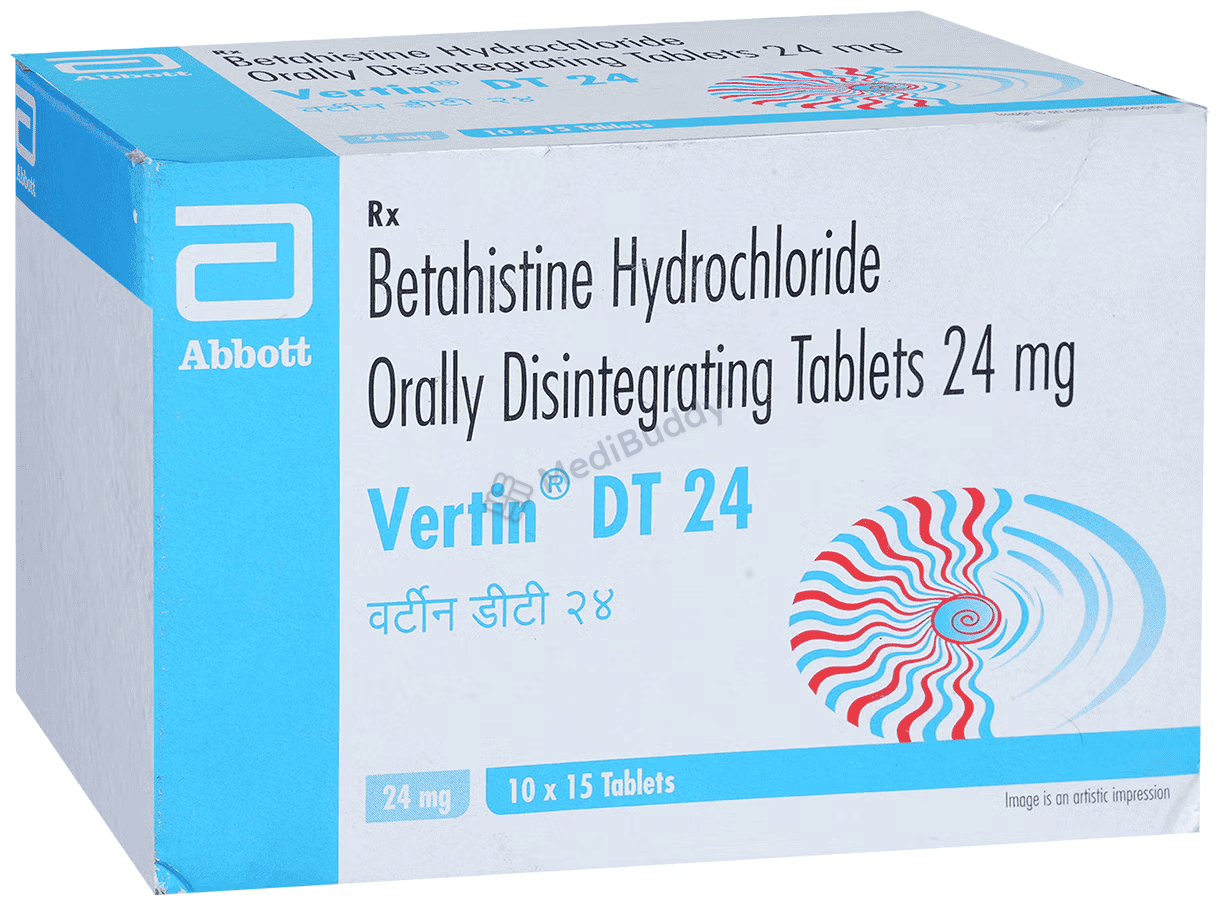
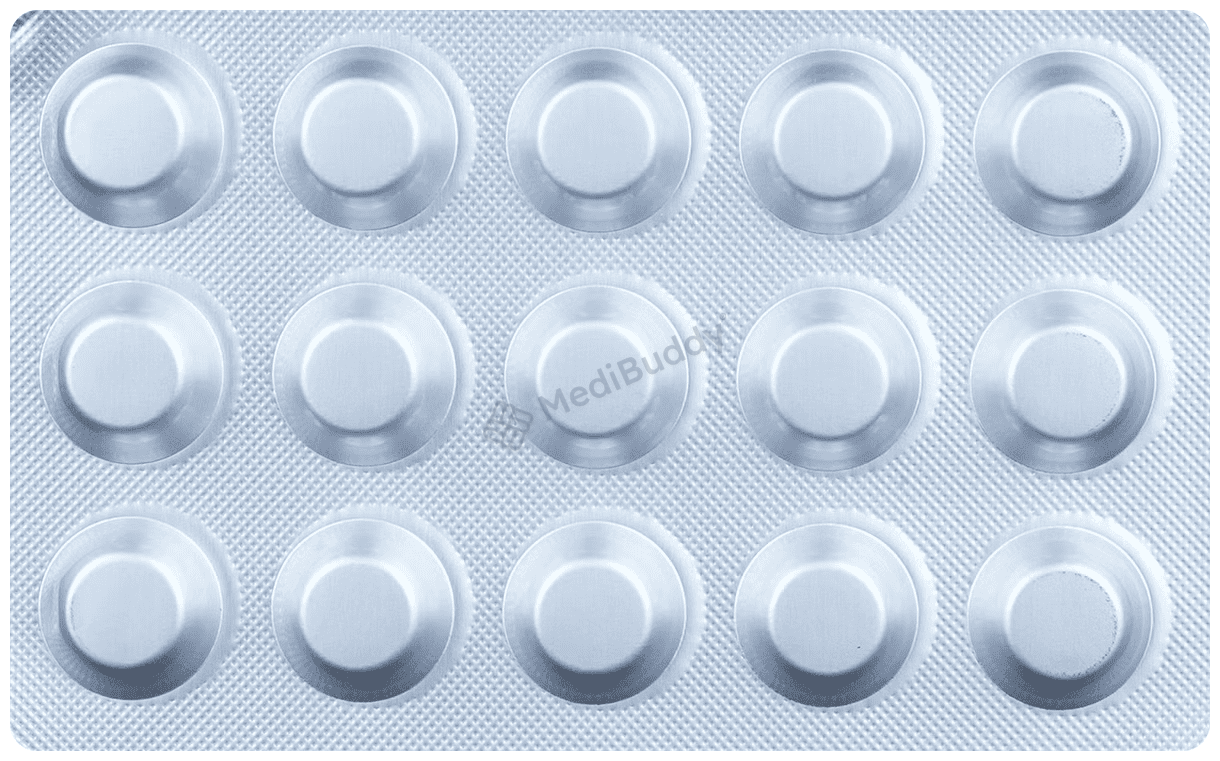
Vertin DT 24 Tablet

By Vertin

Rx

15 Tablet DT in a Strip

Composition icon

Composition

Betahistine(24mg)

Manufacturer - Abbott icon

Manufacturer - Abbott

16th Floor, Godrej BKC, Plot – C, "G" Block, Bandra-Kurla Complex, Bandra (East), Mumbai – 400 051, India

Expires on or after icon

Expires on or after

April, 2027

About Vertin DT 24 Tablet

Vertin DT 24 Tablet is a medication used to prevent and treat Ménière’s disease, a condition affecting the inner ear. This disease presents symptoms such as dizziness (vertigo), ringing in the ears (tinnitus), and loss of hearing, likely due to an accumulation of fluid in the ear. The medicine works by reducing the amount of fluid, thereby easing these symptoms. It belongs to the category of antihistamine anti-vertigo medications.

To ensure optimal effectiveness, Vertin DT 24 Tablet should be taken whole with water at consistent times daily as prescribed by your doctor. It may be necessary to continue taking the medication for several months, even if symptoms improve. Common side effects of Vertin DT 24 Tablet include headache, nausea, indigestion, stomach pain, and bloating. Taking the medication with food can help alleviate stomach-related issues.

The active ingredient in Vertin DT 24 Tablet is Betahistine, which functions by improving blood flow to the affected area of the ear and decreasing the fluid in the inner ear. This medication can also reduce the frequency of attacks experienced. It is important to inform your doctor before taking Vertin DT 24 Tablet if you have a stomach ulcer, asthma, high or low blood pressure, or if you are pregnant, breastfeeding, or trying to conceive. Additionally, disclose any other medications you are currently using to ensure safety.

Vertin DT 24 Tablet is specifically indicated for the treatment of Meniere’s disease and its associated symptoms, which include dizziness, ringing in the ears, nausea, and hearing difficulties. This medicine is not recommended for individuals under 18 years old or for those experiencing vertigo and dizziness due to causes other than Meniere’s disease. Pregnant and breastfeeding women should only use Vertin DT 24 Tablet if advised by a healthcare professional. Prior medical consultation is crucial if one has a history of allergic reactions to betahistine or other medications. Additionally, individuals with conditions like asthma, stomach ulcers, low blood pressure, or allergies should inform their doctor before starting this medication.


Benefits

Vertin DT 24 Tablet provides numerous benefits for individuals suffering from Meniere's disease. This medication helps to enhance blood flow to the inner ear, which effectively reduces the pressure caused by excess fluid accumulation. By alleviating this pressure, Vertin DT 24 Tablet mitigates the symptoms associated with Meniere's disease such as nausea, vertigo (dizziness), tinnitus (ringing in the ears), and hearing loss. Consistent use of this medication as prescribed can lead to a reduction in the severity and frequency of these symptoms, allowing individuals to experience a better quality of life. While it may take a few weeks to observe noticeable improvements, it is essential to adhere to the prescribed dosage regimen and not miss any doses for optimal effectiveness. Vertin DT 24 Tablet works by improving blood flow to the brain and reducing pressure in the inner ear, ultimately aiding in the management of Meniere's disease symptoms and enabling individuals to regain control over their daily activities.


How to use the Vertin DT 24 Tablet

To properly use Vertin DT 24 Tablet, follow your doctor's instructions on dosage and duration. Dissolve the tablet in a glass of water before consuming it. You can take this medication with or without food, but it's best to take it at the same time each day for consistency. To avoid stomach upset, it is recommended to take Vertin DT 24 Tablet after meals, as directed by your doctor. Swallow the tablet whole with a glass of water; do not crush, break, or chew it.


For Vertin DT 24 Tablet, follow your physician's advice on when and how to take it. This medication can be taken with or without food. If you're taking the tablet form, swallow it with water without crushing or chewing it. If you have the mouth-dissolving or orally disintegrating tablet, place it in your mouth and allow it to dissolve completely without chewing or swallowing it. Remember, the correct dosage and duration of therapy will be determined by your doctor based on factors such as your age, weight, and the severity of the condition.


Uses of Vertin DT 24 Tablet

Vertin DT 24 Tablet is primarily used for the treatment of Meniere's disease, a condition characterized by symptoms such as dizziness, ringing in the ears (tinnitus), loss of hearing, and nausea. This medication effectively targets the signs of Meniere's disease, including dizziness, vertigo, tinnitus, nausea, and hearing difficulties. By alleviating these symptoms, Vertin DT 24 Tablet provides relief to individuals suffering from this condition.


What conditions Vertin DT 24 Tablet treats?

Meniere’s disease affects the inner ear causing fluid build-up due to various factors like poor drainage, immune response, infections, or genetics. Symptoms include vertigo, hearing loss, tinnitus, and ear fullness. Left untreated, it can lead to permanent hearing loss. Vertigo is a sensation of spinning or object movement, lasting from minutes to hours. Tinnitus includes hearing ringing or buzzing sounds in the ear with added pressure.


Should you consult a doctor?

If you have pheochromocytoma, other types of vertigo not related to Meniere's disease, or dizziness from brain conditions other than Meniere's, it is advised not to use Vertin DT 24 Tablet without consulting a doctor. Seek medical advice if you have a history of stomach ulcers, allergies, or low blood pressure before taking this medication. Additionally, Vertin DT 24 Tablet is not suitable for children and adolescents under 18 years old, so make sure to discuss with a healthcare provider for appropriate guidance.


Side effects of Vertin DT 24 Tablet

When taking Vertin DT 24 Tablet, some potential side effects may occur, but most of them do not require medical attention and tend to fade as your body gets used to the medication. Common side effects include headaches, indigestion, nausea, stomach pain, and bloating. If these symptoms persist or cause concern, it is advisable to consult your doctor for guidance.


In some cases, more severe side effects may occur, such as vomiting, stomach discomfort, and increased nausea. Should any of these symptoms become severe or worrisome, it is recommended to stop taking Vertin DT 24 Tablet and seek immediate medical attention from your doctor.


Additionally, if you experience any severe allergic reactions while using Vertin DT 24 Tablet, such as lumpy red skin rashes accompanied by itching, swelling of the face, lips, tongue, or neck, a drop in blood pressure, or difficulty in breathing, it is crucial to stop the medication and contact your doctor promptly for evaluation and further guidance.


Safety advice

scroll

liver

Caution should be exercised when using Vertin DT 24 Tablet in individuals with liver disease. It is advisable to consult your doctor before starting the medication. Data regarding the safety profile of Vertin DT 24 Tablet specifically in relation to liver issues is currently limited. For personalized guidance and to ensure the appropriateness of this medication for those with liver conditions, it is crucial to seek advice from a healthcare professional.

scroll

kidney

Limited data suggests Vertin DT 24 Tablet is likely safe for patients with kidney disease. Dose adjustment may not be necessary, but it's essential to consult your doctor.

scroll

alcohol

When taking Vertin DT 24 Tablet, it is safe to consume alcohol without experiencing harmful side effects. No specific safety advice is available regarding alcohol consumption with this medication.

scroll

driving

While taking Vertin DT 24 Tablet, it is generally safe to drive as it does not typically impact your driving skills.

scroll

pregnancy

Vertin DT 24 Tablet may not be safe to use during pregnancy. Animal studies have shown potential harm to the developing baby. Your doctor will consider this when deciding if the benefits outweigh the risks. Please consult your doctor before using.

scroll

breastfeeding

Vertin DT 24 Tablet may not be safe to use while breastfeeding. Limited human studies indicate the drug might transfer to breastmilk and potentially harm the baby.


Age above 75(Geriatrics)

Vertin DT 24 Tablet should be used with caution in elderly patients (aged above 75 years). Therefore, consult your doctor before taking it.


Consumption warning before consuming Vertin DT 24 Tablet

Before taking Vertin DT 24 Tablet, it is essential to note that this medication should not be used by individuals with porphyria and should be used cautiously by those with bronchial asthma. It is also important to avoid using this medicine in children and individuals with galactose intolerance. Common symptoms of Ménière's syndrome such as vertigo, tinnitus, and hearing loss, can affect a person's ability to drive or operate machinery. Mild stomach discomfort may occur when taking this medication, so consuming it with food can help alleviate stomach issues. Pregnant or breast-feeding women should consult their doctor before using this drug, as its use is only recommended when the benefits outweigh the potential risks.


Disease interactions

When considering the use of Vertin DT 24 Tablet, it's crucial to be aware of certain disease conditions that may interact with this medication. Individuals with peptic ulcers, adrenal tumors, or asthma should avoid taking Vertin DT 24 Tablet. It is not recommended for use in these conditions due to potential adverse interactions. It is important to consult with a healthcare provider before initiating treatment with Vertin DT 24 Tablet if you have any of these conditions to ensure the safety and effectiveness of the medication.


What if you forgot to take Vertin DT 24 Tablet?

If you happen to miss a dose of Vertin DT 24 Tablet, simply skip the missed dose and stick to your regular dosing schedule. It is important not to take a double dose to make up for the missed one. Just continue with your next scheduled dose as usual. By avoiding doubling up on doses, you can ensure that you are taking the medication safely and effectively.


What happens if you take overdose of Vertin DT 24 Tablet?

In case of an overdose of Vertin DT 24 Tablet, seek medical help promptly. Overdosing on this medication can lead to various symptoms such as nausea, drowsiness, abdominal discomfort, rapid heart rate, low blood pressure, difficulty breathing with a sense of suffocation (bronchospasm), fluid retention in tissues (edema), and seizures. It is crucial to contact your doctor or go to the nearest hospital if you or someone else has taken more than the prescribed amount of Vertin DT 24 Tablet to receive appropriate care and treatment.


Additional Information

Habit FormingNo
Chemical ClassHistamine Analog
Therapeutic ClassNEURO CNS
Action ClassHistamine analog- Meniere's Disease

FAQs


Disclaimer

The information provided on this website is to the best of our abilities to ensure it is accurate, reliable, and reviewed by a team of professionals. It should not be used to diagnose, prevent, or cure any health problem. The information presented here is not intended to create a doctor-patient relationship or replace a registered medical practitioner's advice, diagnosis, or treatment. The absence or provision of any information or warning regarding any medicine should not be assumed as an implied or explicit assurance of safety or efficacy. We highly recommend consulting your registered medical practitioner for all queries or doubts related to your medical condition. Do not ignore professional medical advice or delay seeking it based on the content encountered on our website. We intend to support, not replace, the doctor-patient relationship.

513.94

Inclusive of all taxes

Content verified by

chevron-right

Dr. Archana Prabhakar

MBBS, M.Med (Family Medicine)

Last update on 01-Oct-2024