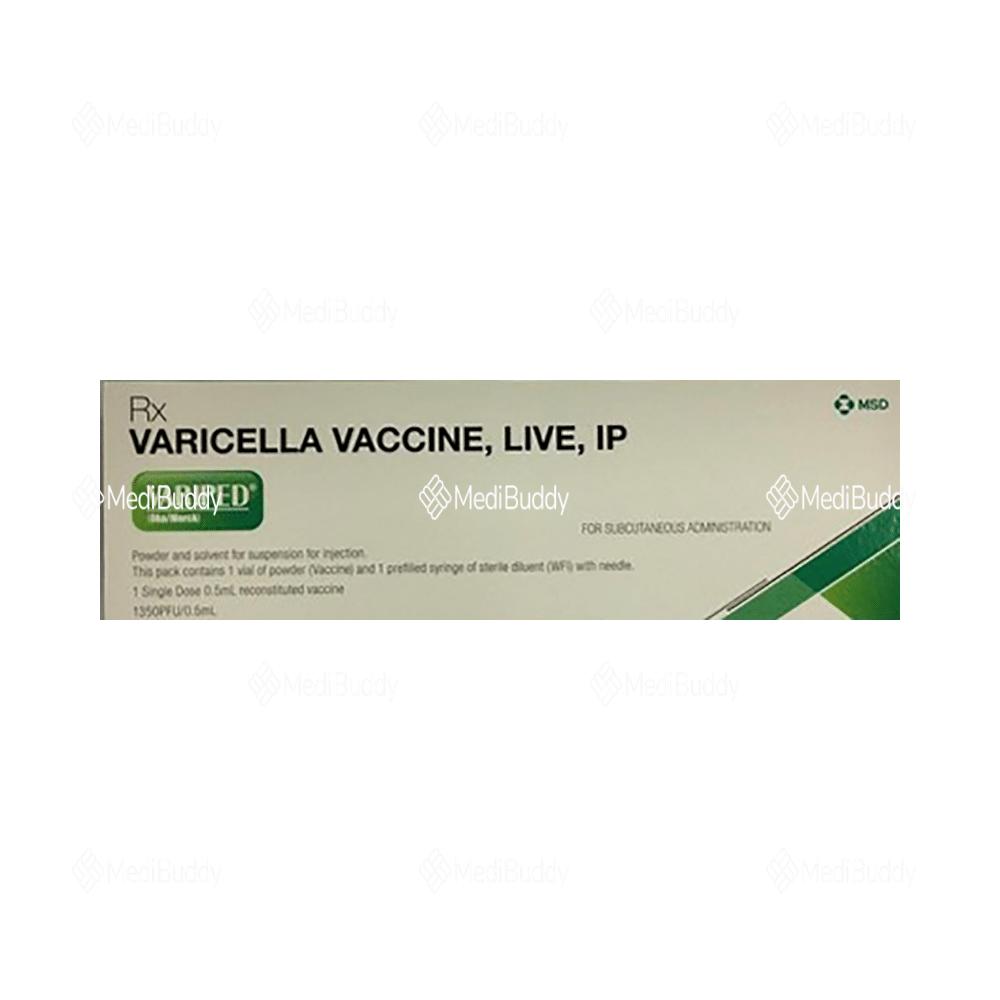
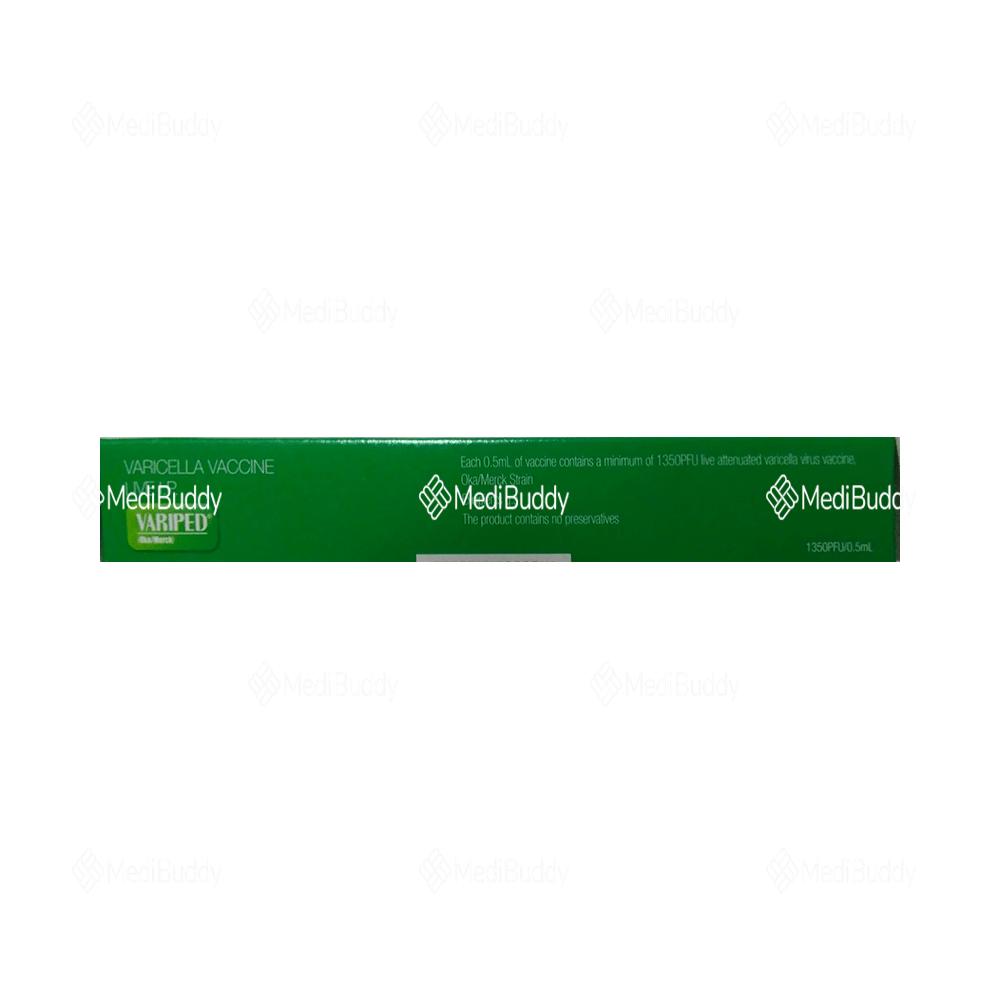
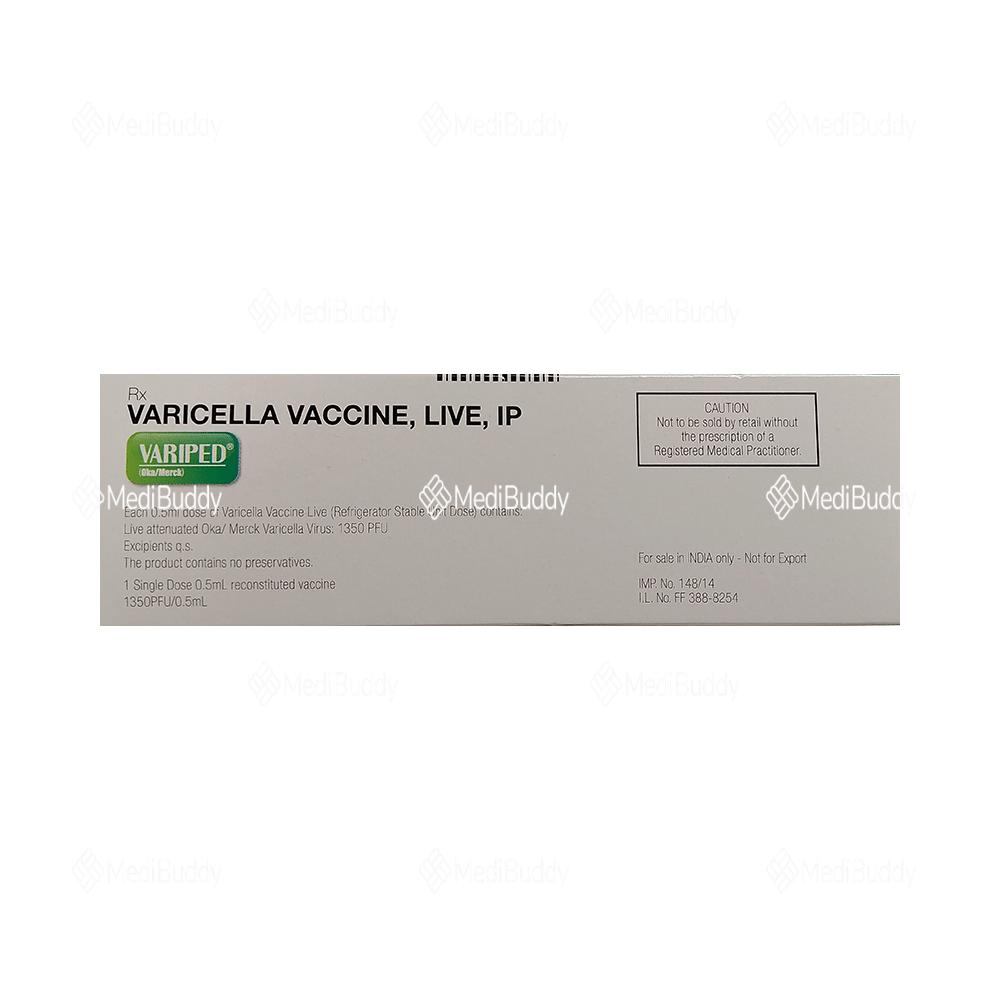
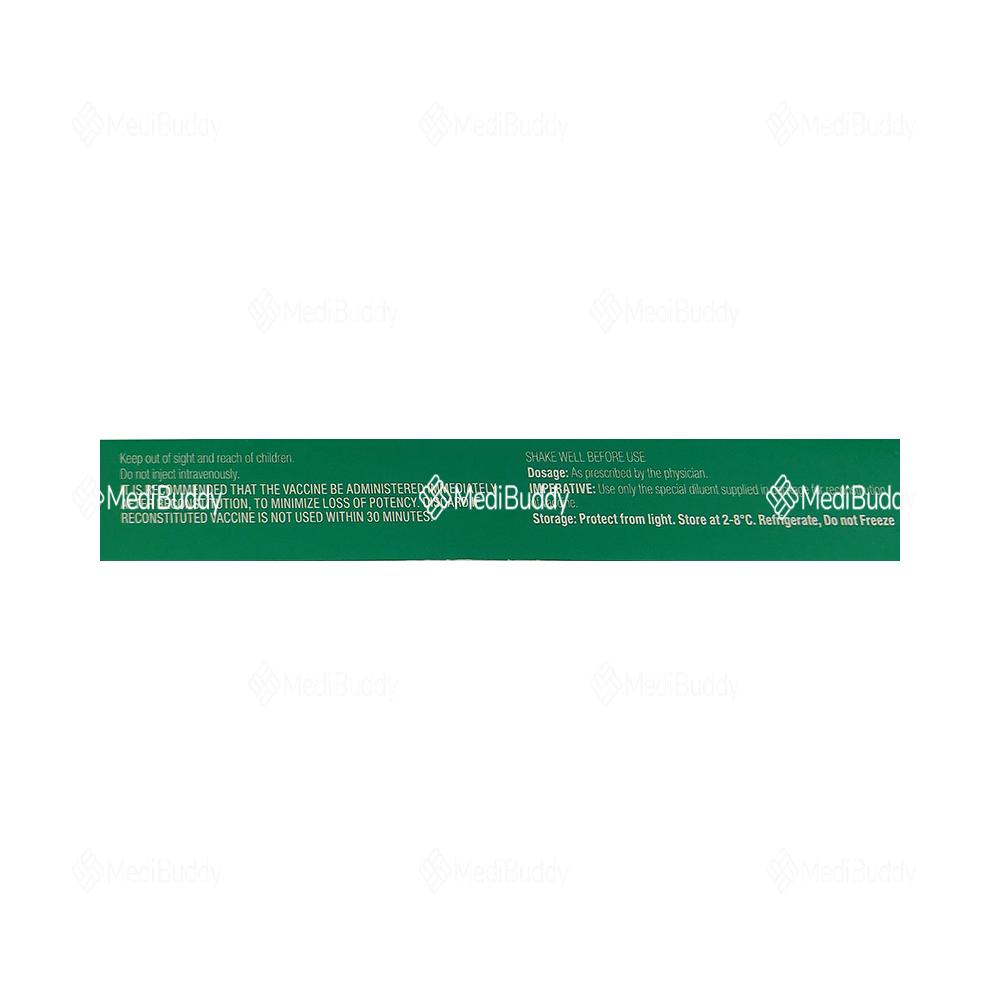

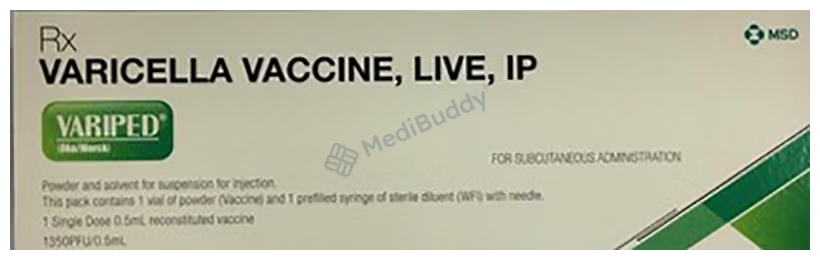

Variped Vaccine

By Variped

Rx

0ml Injection in a Vial

Composition icon

Composition

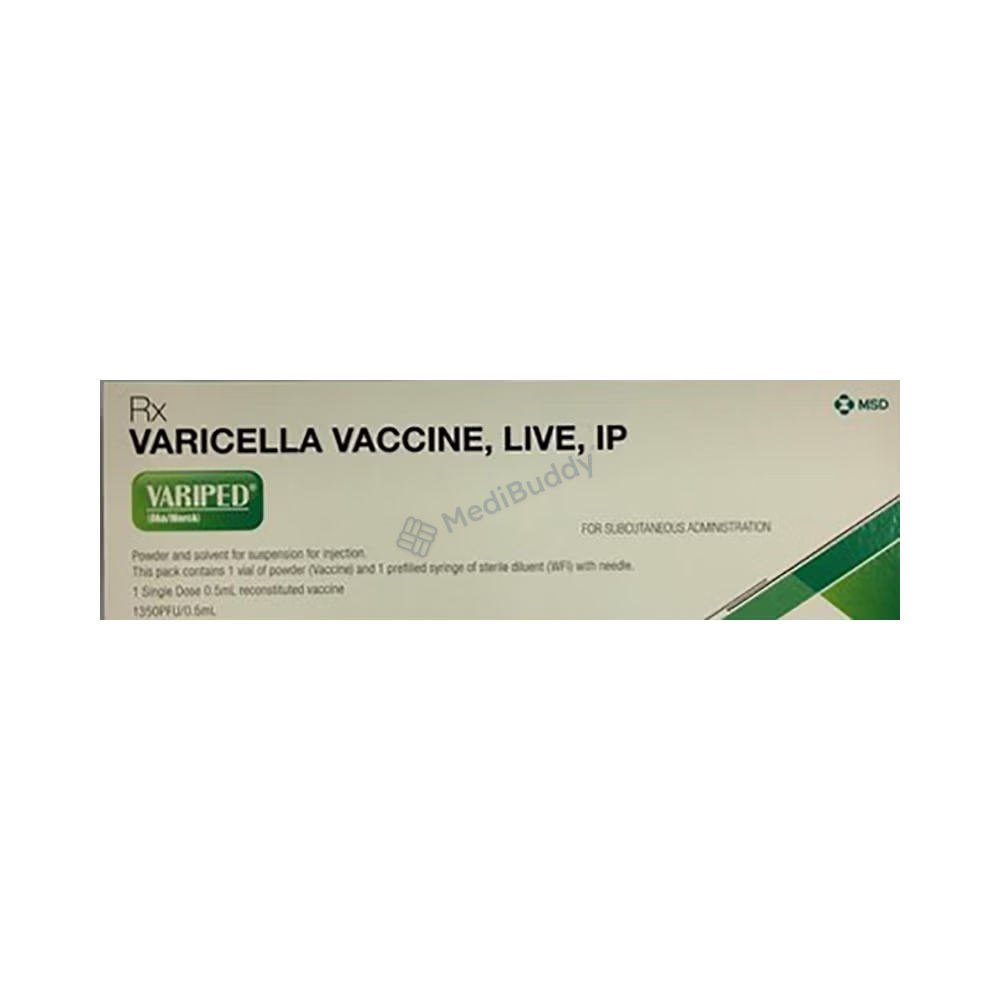
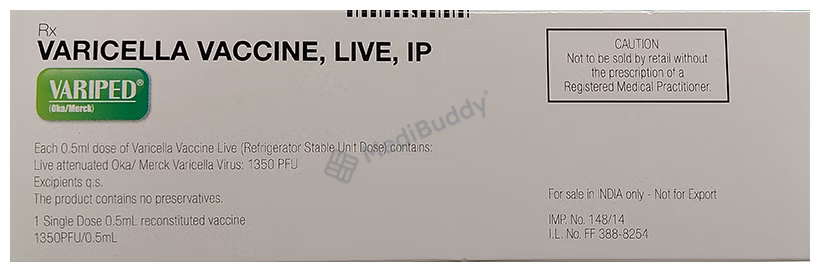
Varicella Vaccine (live) attenuated(1350PFU)

Manufacturer - MSD Pharmaceuticals Pvt Ltd icon

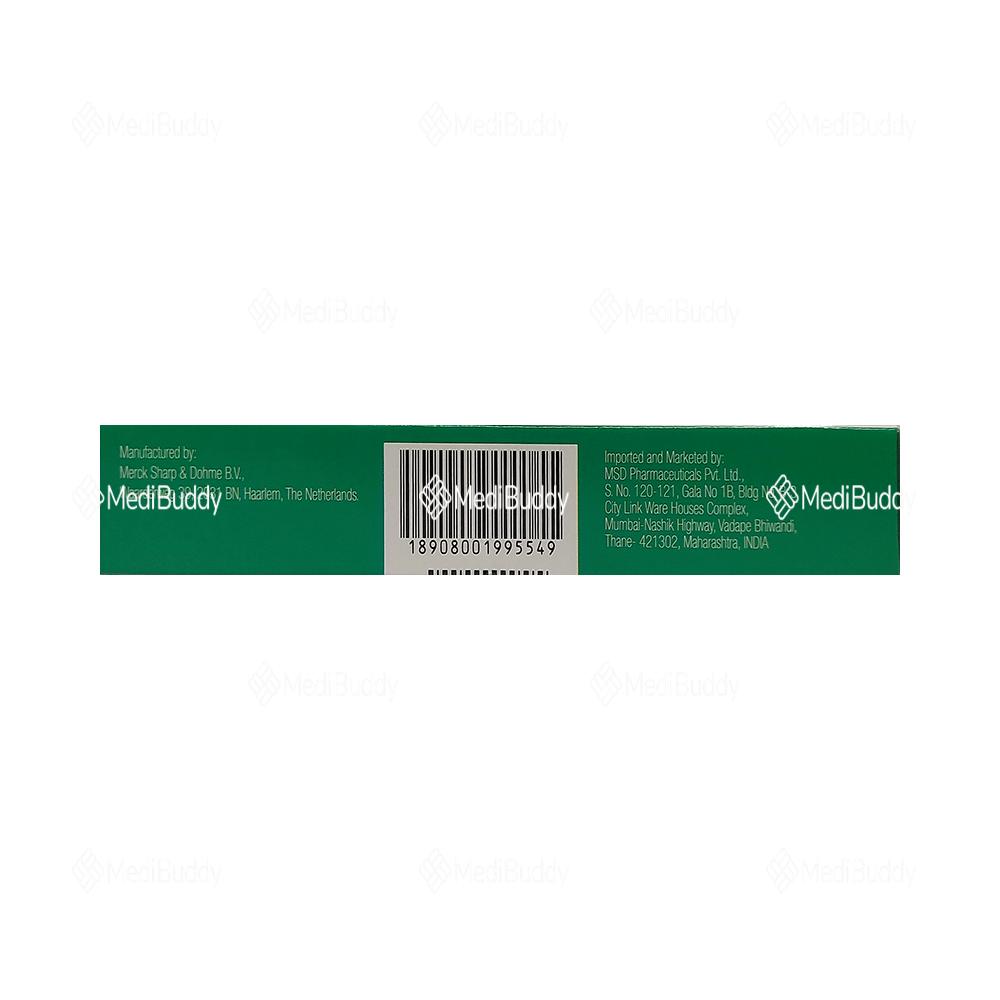
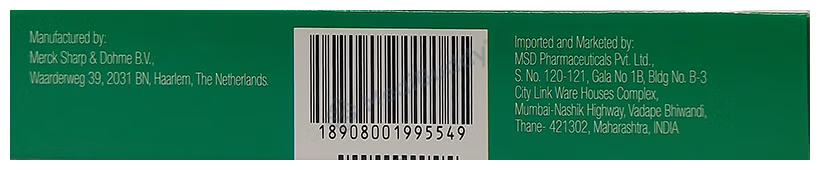
Manufacturer - MSD Pharmaceuticals Pvt Ltd

Platina, 8th Floor, C.59, G Block, Bandra Kurla Complex, Bandra (East) , Mumbai - 400098,

Expires on or after icon

Expires on or after

July, 2026

About Variped Vaccine

Variped Vaccine is a crucial immunization designed to prevent chickenpox, especially in individuals aged 12 months and above. Administered as an injection by healthcare professionals, the vaccine offers protection against illnesses caused by the varicella virus. The dosage regimen typically involves two doses given either under the skin or into the upper arm muscle. For children aged 12 months to 12 years, the second dose is administered after a minimum 3-month interval, while for adolescents and adults, the doses are spaced at least 4 weeks apart.

Common side effects of Variped Vaccine include mild discomfort such as pain, swelling, and redness at the injection site, along with the possibility of developing rashes and low-grade fever. These side effects are generally temporary and tend to resolve over time. However, if they persist or worsen, it is advisable to inform the healthcare provider for appropriate guidance on managing or alleviating these symptoms. To ensure the safety and efficacy of the vaccine, individuals are advised to disclose any existing health conditions and medications to the doctor before receiving the vaccine. Pregnant and breastfeeding mothers should consult with their healthcare provider before getting vaccinated to assess potential risks and benefits.

VARIPED INJECTION VIAL 0.5ML, a vital component of the Variped Vaccine, belongs to a class of medications known as immunizing agents, specifically aimed at preventing varicella or chickenpox. Varicella, caused by the varicella-zoster virus, is a contagious viral infection characterized by symptoms such as rash, painful blisters, fever, sore throat, and body pain. This vaccine, formulated using a live, weakened varicella-zoster virus, works by stimulating the immune system to produce antibodies, thereby conferring long-lasting protection against chickenpox. It is essential to adhere to the prescribed dosing schedule as advised by healthcare professionals to ensure optimal protection against the disease.

VARIPED INJECTION VIAL 0.5ML should only be administered by healthcare professionals and not self-administered. Potential side effects, including mild reactions at the injection site like fever, pain, swelling, and redness, are generally transient. In case of persistent or worsening side effects, prompt medical attention is recommended. It is crucial to note that individuals allergic to neomycin or any components of the vaccine should not receive VARIPED INJECTION VIAL 0.5ML. Certain contraindications apply, such as blood disorders, cancer of the blood or immune system, weakened immune system, active untreated tuberculosis, high fever, pregnancy, and specific age restrictions. Caution is urged when using the vaccine in elderly individuals, and interactions with alcohol or impact on driving ability are minimal.


Benefits

The Variped Vaccine is highly beneficial in preventing chickenpox, which is a contagious disease caused by the varicella-zoster virus. It is the most effective way to guard against chickenpox and is recommended for individuals above nine months of age. Getting vaccinated is crucial for people who are non-immune and at risk of contracting the virus, such as healthcare workers, individuals in children's day-care centers, parents of young children, and those in contact with immunocompromised individuals. Administered by a healthcare professional, the Variped Vaccine provides active immunization, reducing the risk of infection and the severity of the disease. In case of exposure to the virus, timely vaccination within three days can significantly lower the chances of getting infected. Practicing good hygiene, such as washing hands frequently and avoiding contact with infected individuals, along with vaccination, plays a key role in preventing the spread of chickenpox. If already infected, it is advised to stay at home until all blisters have dried and crusted over to avoid spreading the disease further. With its effectiveness in safeguarding against chickenpox, the Variped Vaccine offers a valuable defense mechanism for individuals at risk of contracting the disease.


How to use the Variped Vaccine

When you receive Variped Vaccine, it will be administered by a healthcare professional, such as a doctor or nurse. It is essential that you do not try to administer this vaccine yourself. The Variped Injection Vial 0.5ML will be given either under the skin or into the muscle. For adults, it is typically administered in the upper arm area, while for children, it is commonly given in the thigh area. If you have a blood clotting disorder or low platelet levels, the injection will be given under the skin. Remember, only a trained healthcare provider should give you the Variped Vaccine to ensure it is done correctly and safely.


Uses of Variped Vaccine

Variped Vaccine is primarily used for the prevention of chickenpox, also known as chickenpox prophylaxis. By administering this vaccine, individuals can protect themselves against the varicella-zoster virus that causes chickenpox. The vaccine is designed to stimulate the body's immune system to create defenses against the virus, reducing the likelihood of contracting the disease. It is especially useful for individuals who have not been previously infected with the virus or vaccinated, such as young children. Variped Vaccine provides a safe and effective way to prevent the spread of chickenpox and the associated complications that can arise from the illness.


What conditions Variped Vaccine treats?

Variped Vaccine protects against chickenpox, a highly contagious viral infection caused by the varicella-zoster virus. It affects both children and adults, causing symptoms like rashes, painful blisters, fever, sore throat, and body pain. Treatment involves antiviral medications, and it is important to avoid contact with infected individuals and practice good hygiene to aid recovery.


Should you consult a doctor?

If you experience mild pain, swelling, or redness at the injection site after receiving Variped Vaccine, don't panic. These are common side effects that usually go away on their own. However, if these symptoms persist or worsen over time, it's essential to seek medical advice from your doctor. Additionally, if you develop a rash or low-grade fever after vaccination, and these symptoms do not improve, consult your healthcare provider promptly. Remember, your health and well-being are a top priority, and seeking medical attention when needed ensures that any concerns or issues are addressed promptly and effectively. It is important to be proactive in managing your health, especially when it comes to vaccinations like Variped, to ensure the best possible outcome for you or your child.


Side effects of Variped Vaccine

When you receive the Variped Vaccine, you may experience some side effects. These side effects are usually mild and temporary. Commonly reported side effects include injection site reactions such as pain, swelling, and redness. You might also develop a fever or a rash after receiving the vaccine. These symptoms typically go away on their own as your body gets used to the vaccine. However, if these side effects persist or if you are concerned about them, it's important to consult your doctor for further guidance and advice.


Safety advice

scroll

liver

Variped Vaccine is considered safe for use in individuals with liver disease, as per the limited available data. It appears that adjusting the dosage of Variped Vaccine may not be necessary for patients with liver issues. However, it is always recommended to consult your doctor before using this vaccine, especially if you have concerns related to your liver health.

scroll

kidney

Variped Vaccine is considered safe for individuals with kidney disease. The available data indicates that adjusting the dose of Variped Vaccine may not be necessary for these patients. Consult with your doctor for guidance.

scroll

alcohol

It is not known if it is safe to consume alcohol with Variped Vaccine. Consult your doctor.

scroll

driving

When using Variped Vaccine, be cautious as it may cause side effects that could impact your driving ability.

scroll

pregnancy

Variped Vaccine should not be used during pregnancy because it poses a risk to the developing baby. In certain life-threatening situations, a doctor may prescribe it if benefits outweigh risks. Consult your doctor for advice.

scroll

breastfeeding

Variped Vaccine is likely safe while breastfeeding as per limited human data, indicating no significant risk to the baby.


Consumption warning before consuming Variped Vaccine

Before taking VARIPED INJECTION VIAL 0.5ML, there are important warnings to consider. If you have received the vaccine, you should avoid close contact for up to 6 weeks with certain individuals, such as those who have not been vaccinated against chickenpox, individuals with a weak immune system, pregnant women who never had chickenpox, and new-born babies whose mother never had chickenpox. It's crucial to closely monitor adults and children with weak immune systems after receiving the vaccine, as it may be less effective for them. If you have undergone blood or plasma transfusion, taken human normal immunoglobulin, or varicella-zoster immunoglobulin, it is advised to avoid or delay the VARIPED vaccination for at least five months. Additionally, refrain from taking aspirin for six weeks post-vaccination to avoid the risk of Reye syndrome, a severe condition causing liver and brain damage. Women of childbearing potential should use reliable contraception methods, as pregnancy is not recommended for one month after receiving the Variped Vaccine.


Disease interactions

The Variped Vaccine, specifically the VARIPED INJECTION VIAL 0.5ML, is not recommended for use in certain patient populations due to potential disease drug interactions. Patients with blood cancer, such as leukaemia, should avoid this vaccine, as well as individuals with immune system-related cancer like lymphoma. Additionally, Variped should not be administered to patients with HIV or AIDS, active untreated tuberculosis, or those with a fever higher than 38.5°C. It is essential to consider these contraindications when determining the suitability of the Variped Vaccine for a patient, as these specific conditions may interact negatively with the vaccine components.


What if you forgot to take Variped Vaccine?

If you forget to take a dose of the Variped Vaccine, it is important to seek guidance from your doctor. This vaccine is crucial for protection against certain diseases, so it is essential to follow the recommended dosage schedule. Consulting with your healthcare provider will help determine the best course of action to ensure that you stay on track with your vaccination schedule and maintain optimal protection. Be sure to communicate any missed doses to your doctor to address any potential adjustments needed to keep you safe and healthy.


Related lab tests

In addition to the Variped Vaccine, there are two related lab tests that can help determine immunity or infection status related to varicella, also known as chickenpox, and herpes zoster, also known as shingles.

The Varicella Zoster IgG test measures the levels of specific antibodies in the blood that indicate past exposure to the varicella-zoster virus. A positive result usually means the person is immune to varicella, either through prior infection or vaccination. This test is commonly used to confirm immunity in individuals, especially those at risk of complications if infected.

On the other hand, the Varicella Zoster IgM test detects the presence of IgM antibodies, which typically appear in the early stages of an active varicella-zoster virus infection. A positive IgM result indicates recent infection and suggests that the individual may be contagious and actively infected with varicella or herpes zoster.

Both the Varicella Zoster IgG and IgM tests are valuable tools in assessing immunity or diagnosing active infections related to varicella-zoster virus. These tests play a crucial role in clinical practice, allowing healthcare providers to make informed decisions regarding patient care and disease management.


Additional Information

Habit FormingNo
Chemical ClassVaccines
Therapeutic ClassVACCINES
Action Class-

FAQs


Disclaimer

The information provided on this website is to the best of our abilities to ensure it is accurate, reliable, and reviewed by a team of professionals. It should not be used to diagnose, prevent, or cure any health problem. The information presented here is not intended to create a doctor-patient relationship or replace a registered medical practitioner's advice, diagnosis, or treatment. The absence or provision of any information or warning regarding any medicine should not be assumed as an implied or explicit assurance of safety or efficacy. We highly recommend consulting your registered medical practitioner for all queries or doubts related to your medical condition. Do not ignore professional medical advice or delay seeking it based on the content encountered on our website. We intend to support, not replace, the doctor-patient relationship.

2500

Inclusive of all taxes

Content verified by

chevron-right

Dr. Gowri Kulkarni

MBBS - General Medicine, DNB - Psychiatry, MRCGP [INT] Family Medicine, BSIC (BACP)

Last update on 11-Feb-2025