



Trioptal Suspension

By Trioptal

Rx

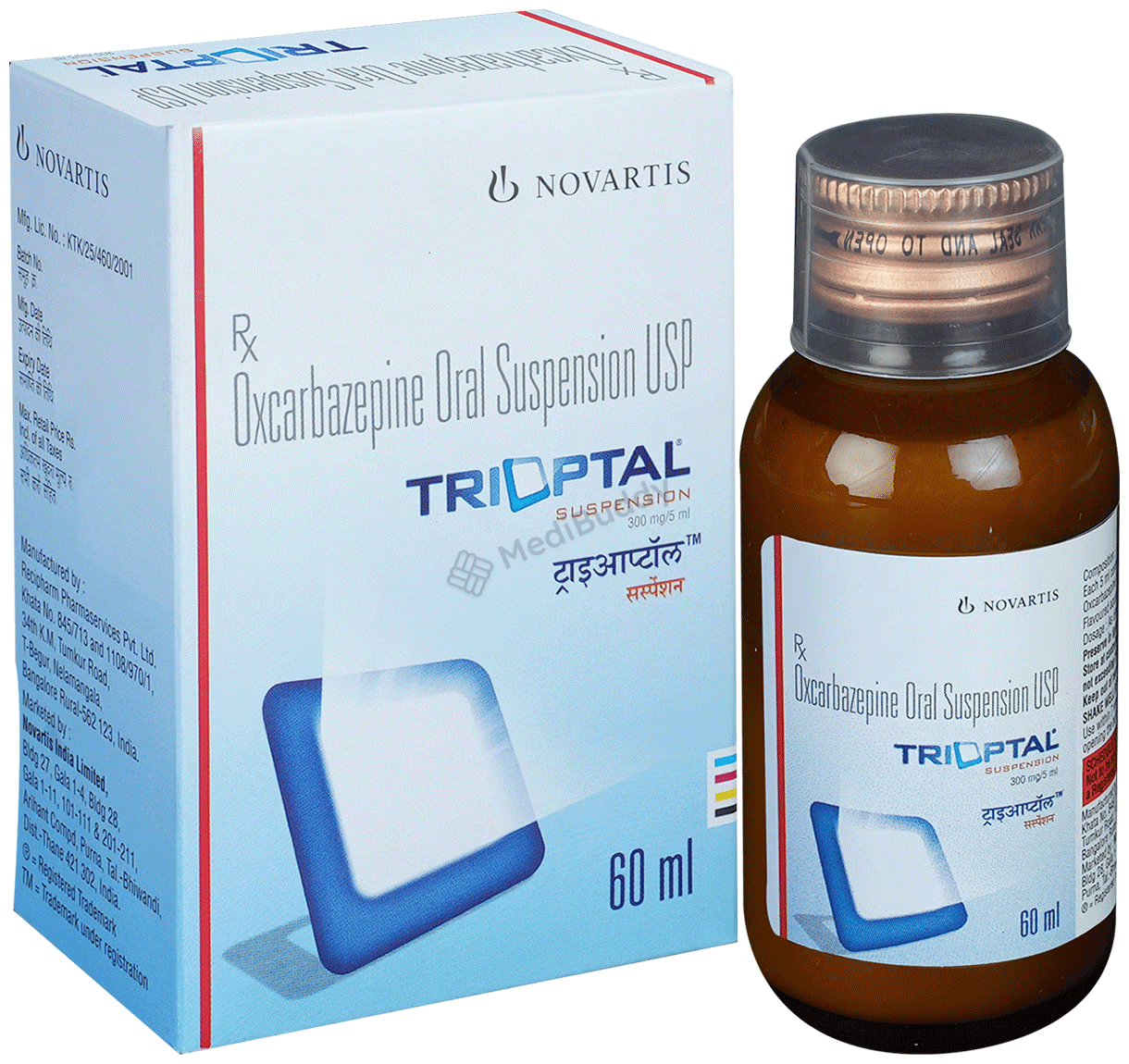
60ml Oral Suspension in a Bottle

Composition icon

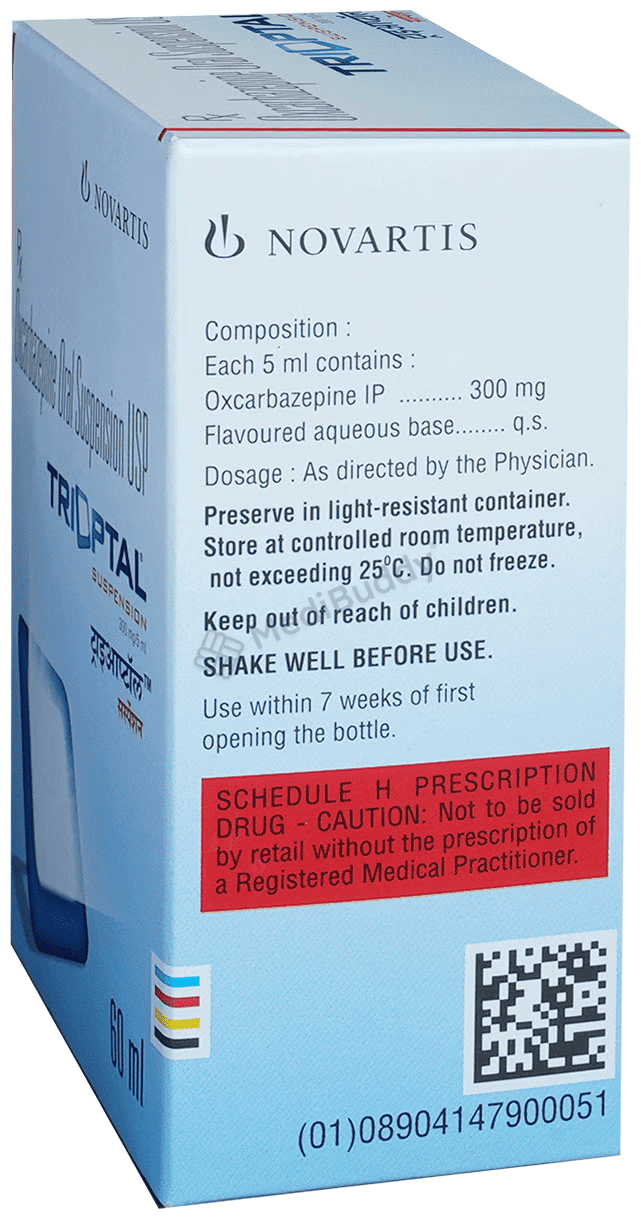
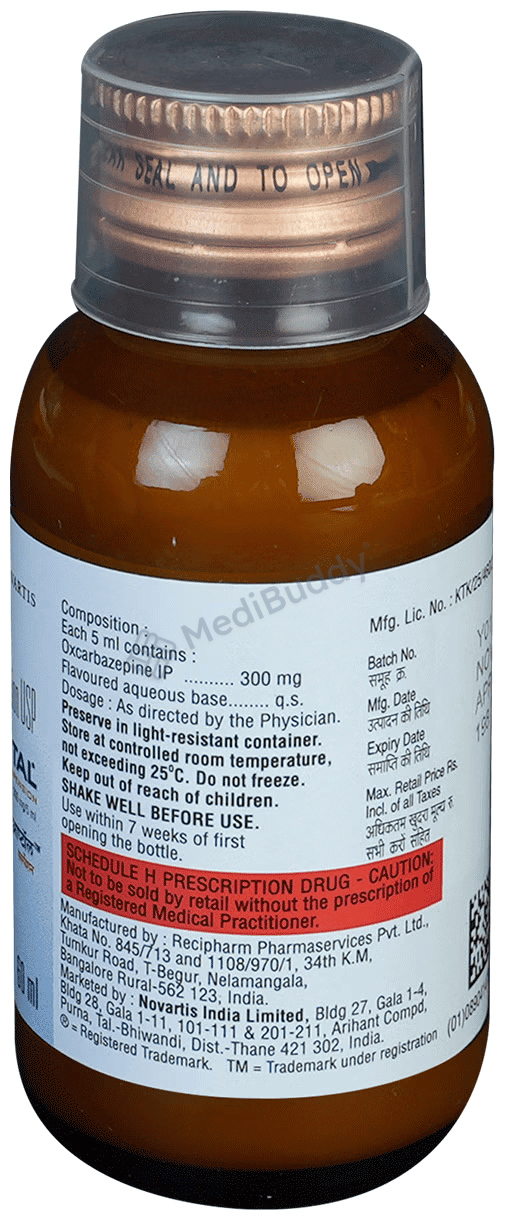
Composition

Oxcarbazepine(300mg/5ml)

Manufacturer - Novartis India Ltd icon

Manufacturer - Novartis India Ltd

Sandoz House, Shiv Sagar Estate, Worli Mumbai -400 018, India

Expires on or after icon

Expires on or after

September, 2026

About Trioptal Suspension

Trioptal Suspension is a medication used to treat and prevent epilepsy, a condition characterized by sudden rushes of electrical activity in the brain leading to seizures, unusual behavior, and loss of awareness. While Trioptal Suspension cannot cure epilepsy, it works by reducing the frequency of seizures by decreasing the nerve impulses that cause them. This medication can be taken alone or in combination with other medicines, and the dosage will be determined by your doctor to ensure effective symptom control.

It is important to take Trioptal Suspension regularly and at the same time each day to maximize its benefits. The medicine may take a few weeks to start showing its full effects, and it should be continued as per your doctor's advice, even if you start feeling better. Abruptly stopping the medication can worsen your condition and trigger seizures, so it should be gradually tapered off under medical supervision.

Like any medication, Trioptal Suspension may cause side effects. Common side effects include nausea, vomiting, dizziness, tiredness, unsteadiness, and low sodium levels in the blood, which are usually not serious. It is recommended to continue taking the medication and consult your doctor if these side effects persist or become bothersome. However, it is essential to seek immediate medical attention if you develop a skin rash or redness, as it could be a sign of a severe skin condition called Stevens-Johnson syndrome.

Long-term use of Trioptal Suspension may lead to complications such as osteoporosis (reduced bone mass) and an increased risk of bone fractures. Additionally, this medication can potentially cause suicidal thoughts and behaviors. If you notice any changes in your mood or experience depression while taking Trioptal Suspension, it is crucial to inform your doctor promptly.

Before using Trioptal Suspension, inform your doctor if you have a history of heart problems, kidney or liver disease, difficulty urinating, depression, or suicidal thoughts. It is essential to disclose all medications you are currently taking to avoid interactions that may affect the safety and efficacy of Trioptal Suspension. Pregnant individuals should not start or stop taking this medication without consulting their doctor, as it can pose risks to the fetus. Similarly, breastfeeding while using Trioptal Suspension should be avoided to prevent potential side effects in infants.

In conclusion, Trioptal Suspension is a valuable medication for managing epilepsy and preventing seizures. It is crucial to follow your doctor's instructions regarding dosage and usage to ensure optimal treatment outcomes while being mindful of potential side effects and necessary precautions.


Benefits

Trioptal Suspension is a medication that falls under the category of anticonvulsants, which are also known as anti-epileptics. It is primarily used in the treatment of epilepsy and seizures. By working to decrease the nerve impulses responsible for causing seizures, Trioptal Suspension helps individuals manage the frequency of their seizures effectively. This reduction in seizure activity can greatly improve one's quality of life by minimizing symptoms such as confusion, uncontrollable jerking movements, loss of awareness, and feelings of fear or anxiety.


One of the key benefits of Trioptal Suspension is its ability to allow individuals to engage in their daily activities with more confidence. This medication is designed to provide relief from the disruptive symptoms associated with seizures, allowing patients to lead a more normal and fulfilling life. Moreover, Trioptal Suspension is not linked to any physical or psychological dependence or addiction, offering reassurance to users.


It is important to note that Trioptal Suspension should be taken consistently as prescribed by a healthcare professional in order to experience its full benefits. Abruptly stopping the medication can be dangerous and may lead to a seizure. Therefore, adherence to the prescribed dosage is crucial for the effectiveness of Trioptal Suspension in managing epilepsy and seizures.


Overall, Trioptal Suspension offers a valuable option for individuals seeking to control their seizures and improve their overall well-being. Whether used alone or in combination with other medications, this anticonvulsant provides a reliable way to manage and prevent partial seizures in adults and children above a certain age, contributing to a better quality of life for those affected by epilepsy.


How to use the Trioptal Suspension

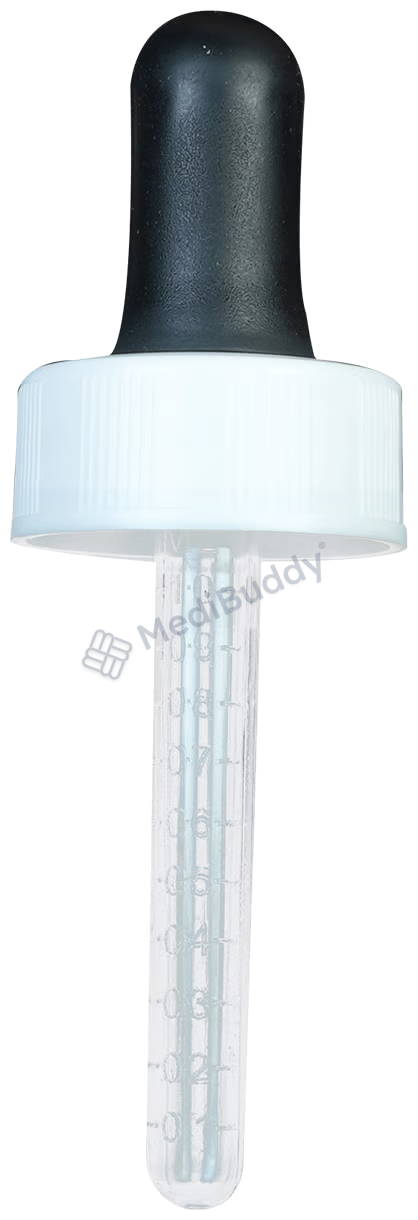
To use Trioptal Suspension effectively, follow your doctor's instructions on the dosage and duration of treatment. Before using, always refer to the label for specific directions. Use a measuring cup to ensure accurate dosing and take the suspension orally. Remember to shake the bottle well before each use. Trioptal Suspension can be taken with or without food, but it is recommended to take it at the same time each day for consistency.


If you are prescribed Trioptal in tablet or capsule form, swallow it whole with a glass of water. Do not chew or crush the tablet/capsule to ensure proper absorption. For syrup, suspension, or drops, take the prescribed dose by mouth using the provided measuring cup, dosing syringe, or dropper. Shake the bottle well before each use to ensure uniform distribution of the medication.


In the case of dispersible tablets, dissolve the tablet in a tablespoon full of boiled and cooled water before consumption. Follow these instructions carefully to ensure you are taking Trioptal correctly and maximizing its effectiveness. If you have any doubts or questions about the usage of Trioptal Suspension, consult your healthcare provider for further guidance.


Uses of Trioptal Suspension

Trioptal Suspension is primarily used in the management of epilepsy and seizures. Epilepsy is a neurological condition characterized by recurrent episodes of seizures. By taking Trioptal Suspension as prescribed, individuals with epilepsy can help control their seizures and improve their quality of life. Seizures are sudden, uncontrolled electrical disturbances in the brain that can cause a range of symptoms depending on the type of seizure. Trioptal Suspension is an effective medication that can help reduce the frequency and severity of seizures, allowing individuals to better manage their condition and carry on with their daily activities.


What conditions Trioptal Suspension treats?

Trioptal Suspension is used to treat epilepsy, a chronic neurological disorder causing recurrent seizures. Epilepsy can be triggered by various factors like head injuries, high fevers, strokes, and genetic disorders. Symptoms may include mood changes, dizziness, muscle jerking, confusion, and loss of consciousness.


Should you consult a doctor?

If you experience a skin rash, redness, or any signs of Stevens-Johnson syndrome such as blistering, seek immediate medical attention. Long-term use of Trioptal Suspension may lead to osteoporosis or increase the risk of bone fractures, so consult your doctor if you develop bone-related issues. Additionally, if you notice a change in mood, depression, or suicidal thoughts, it is important to inform your healthcare provider.


Other reasons to seek medical advice include persistent or bothersome side effects like nausea, vomiting, dizziness, tiredness, or unsteadiness. If these symptoms do not improve or become severe, consulting your doctor is recommended. Moreover, if you have a history of heart problems, kidney or liver disease, difficulty urinating, or are pregnant, it is crucial to discuss with your healthcare provider before starting or discontinuing the medication. If you have concerns about drug interactions or need guidance on alcohol consumption while on Trioptal Suspension, seeking medical advice is important. Remember to keep up with regular blood tests to monitor the effectiveness and safety of your treatment.


Side effects of Trioptal Suspension

When taking Trioptal Suspension, you may experience various side effects. Most of these side effects are common and might fade away as your body gets used to the medicine. However, if any of these side effects persist or cause concern, it is important to consult your doctor. Common side effects of Trioptal Suspension include headache, nausea, vomiting, fatigue, dizziness, nystagmus (involuntary eye movement), tremors, vertigo, drowsiness, abnormal voluntary movements, abnormal gait, visual disturbance, and increased sodium levels in the blood. Some other side effects that you may experience while taking Trioptal Suspension include dizziness, sleepiness, tiredness, stomach pain, diarrhea, constipation, nausea, vomiting, weakness. It is essential to monitor these side effects and seek medical advice if needed.


Safety advice

scroll

liver

When using Trioptal Suspension, caution should be taken in patients with severe liver disease. It may be necessary to adjust the dose of the suspension in these cases. It is important to consult your doctor for proper guidance. However, dose adjustment is generally not recommended for patients with mild to moderate liver disease. If you have concerns about your liver health, it is best to seek advice from your healthcare provider before using Trioptal Suspension.

scroll

kidney

Trioptal Suspension should be used carefully in patients with kidney disease. Adjusting the dose of Trioptal Suspension may be necessary. Consult your doctor for proper guidance.

scroll

alcohol

Trioptal Suspension can make you very sleepy if you drink alcohol. It's important to be careful when drinking alcohol while taking this medication.

scroll

driving

When taking Trioptal Suspension, be cautious while driving. Side effects such as drowsiness, dizziness, blurred vision, and lack of muscle coordination can affect your ability to drive, especially when starting or increasing the dose.

scroll

pregnancy

Trioptal Suspension may not be safe to use during pregnancy. Animal studies have shown harm to the developing baby. Your doctor will consider potential risks before prescribing this medication. Please consult your doctor.

scroll

breastfeeding

Trioptal Suspension is considered unsafe during breastfeeding. Limited data shows it may pass into breastmilk, possibly harming the baby. Watch for excessive sleepiness and weight gain in the baby while using this medication.


Consumption warning before consuming Trioptal Suspension

Before taking Trioptal Suspension, make sure you are not allergic to any of its components. Let your doctor know if you have a history of heart, kidney, or liver problems, low sodium levels, or are on medications that can lower sodium levels, or if you use hormonal contraceptives. Do not abruptly stop taking Trioptal Suspension without consulting your doctor to prevent triggering seizures. If you are pregnant or planning a pregnancy, seek advice from your healthcare provider. Nursing mothers should also consult their doctor before using this medication as it may impact breast milk and the baby. Only administer Trioptal Suspension to children under medical supervision. Avoid alcohol consumption while on Trioptal Suspension as it may intensify dizziness and drowsiness. Contact your doctor immediately if you notice any signs of suicidal thoughts.


Disease interactions

When taking Trioptal Suspension, it is essential to inform your doctor about any existing health conditions such as depression, liver disease, kidney dysfunction, suicidal tendency, irregular heartbeat, thyroid dysfunction, hyponatremia (low sodium levels in the blood), or blood disorders. It is crucial for your doctor to be aware of these conditions as they may interact with the medication and affect its effectiveness or lead to potential complications. By disclosing this information to your healthcare provider, you can ensure that they can monitor your health closely and make any necessary adjustments to your treatment plan to ensure your safety and well-being.


What if you forgot to take Trioptal Suspension?

If you forget to take your prescribed dose of Trioptal Suspension, try to take it as soon as you remember. But if it's close to the time for your next scheduled dose, it's better to skip the missed one and continue with your regular dosing schedule. Avoid taking extra doses to make up for the missed one. This will help you maintain the right balance of medication in your body for the best results.


Additional Information

Habit FormingNo
Chemical ClassIminostilbene Derivative
Therapeutic ClassNEURO CNS
Action ClassSodium channel modulators (AED)

FAQs


Disclaimer

The information provided on this website is to the best of our abilities to ensure it is accurate, reliable, and reviewed by a team of professionals. It should not be used to diagnose, prevent, or cure any health problem. The information presented here is not intended to create a doctor-patient relationship or replace a registered medical practitioner's advice, diagnosis, or treatment. The absence or provision of any information or warning regarding any medicine should not be assumed as an implied or explicit assurance of safety or efficacy. We highly recommend consulting your registered medical practitioner for all queries or doubts related to your medical condition. Do not ignore professional medical advice or delay seeking it based on the content encountered on our website. We intend to support, not replace, the doctor-patient relationship.

217.5

Inclusive of all taxes

Content verified by

chevron-right

Dr. Upasana Bhatia

MBBS - General Medicine

Last update on 01-Oct-2024