

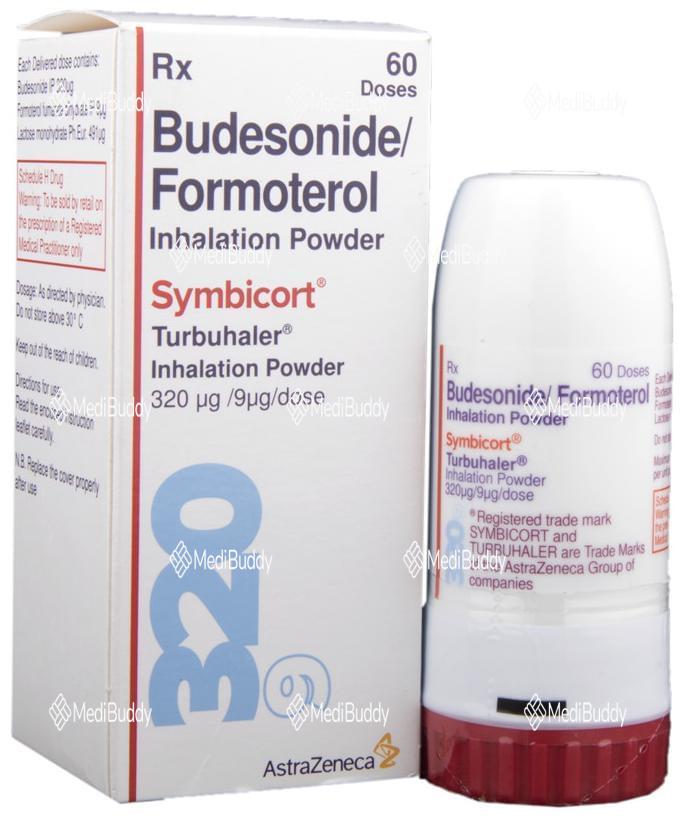
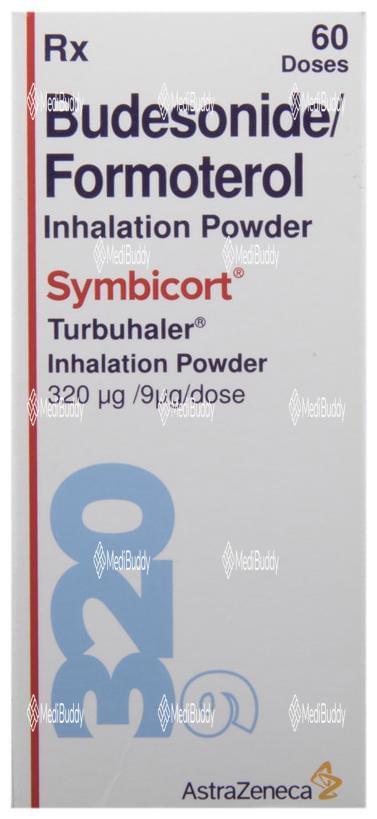


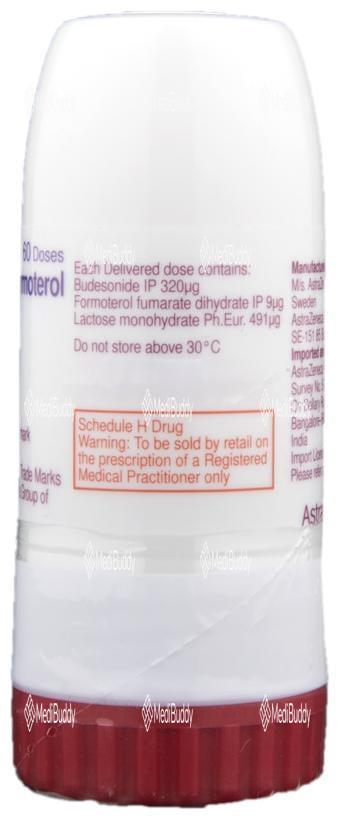
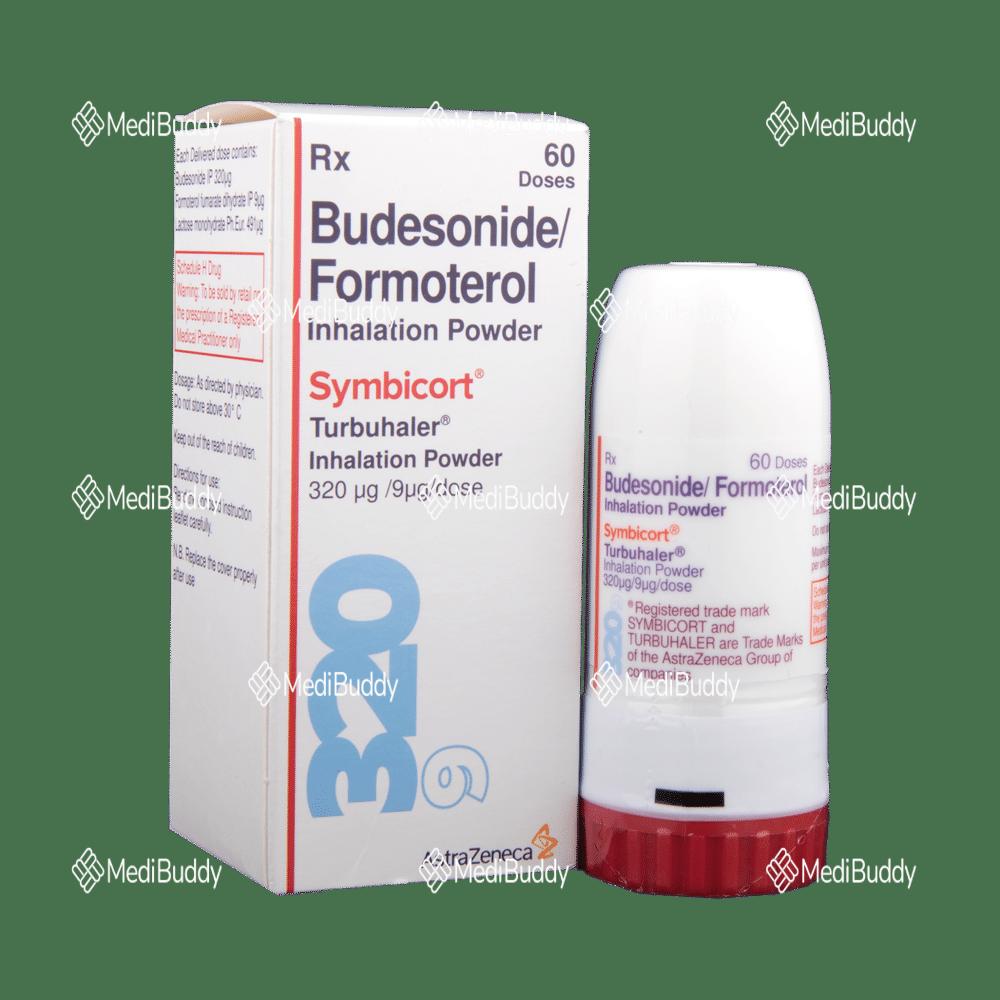
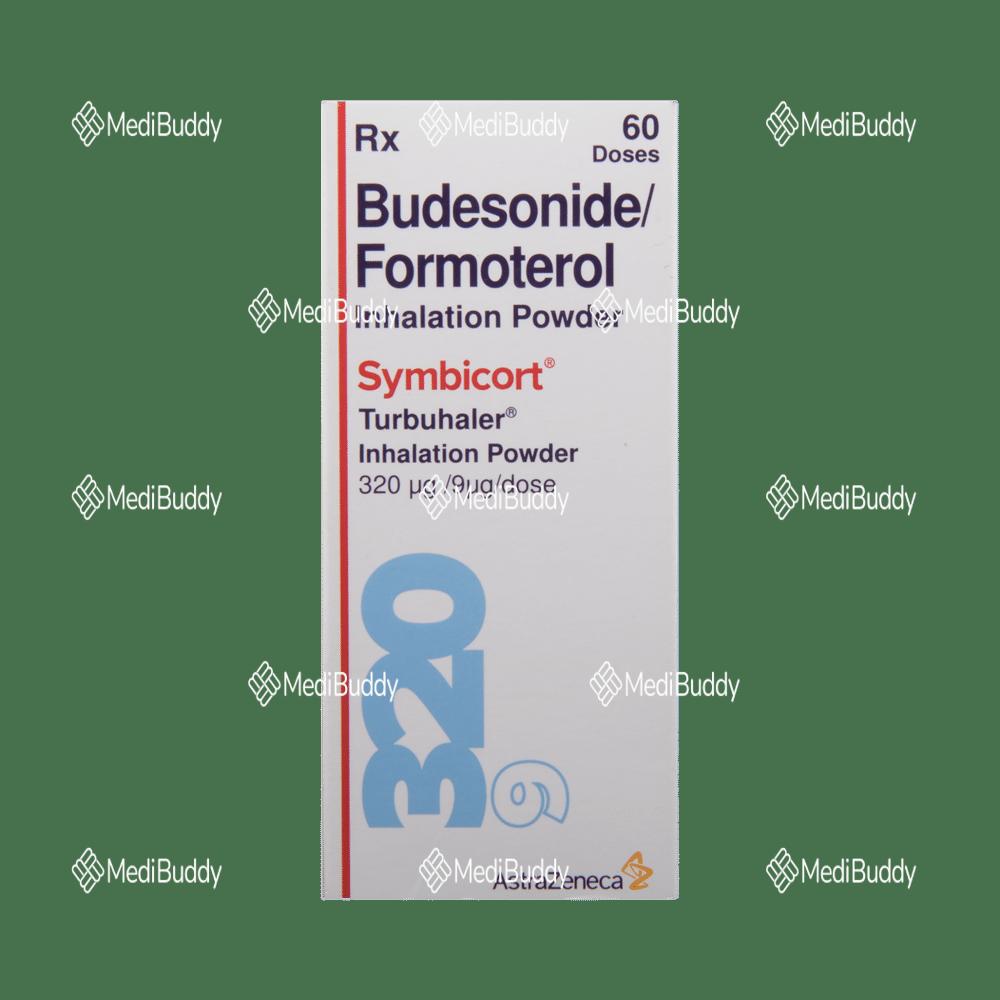
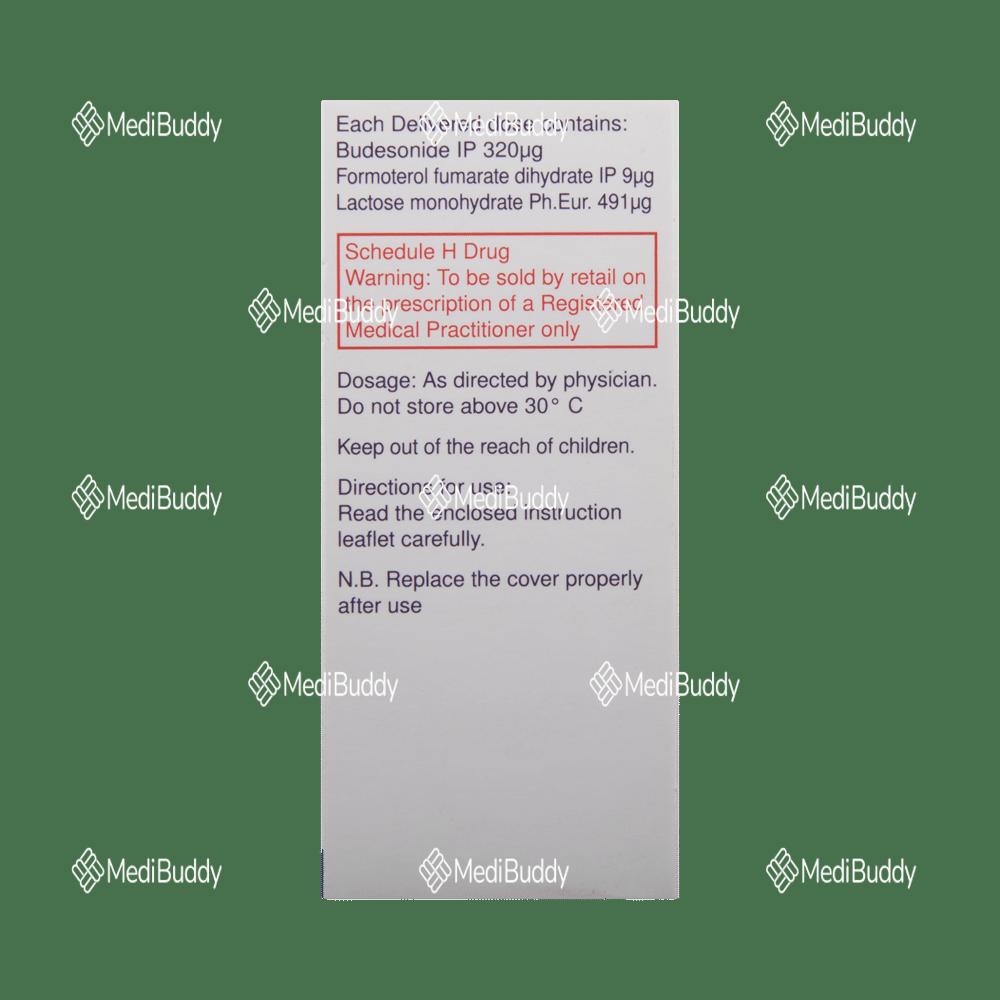
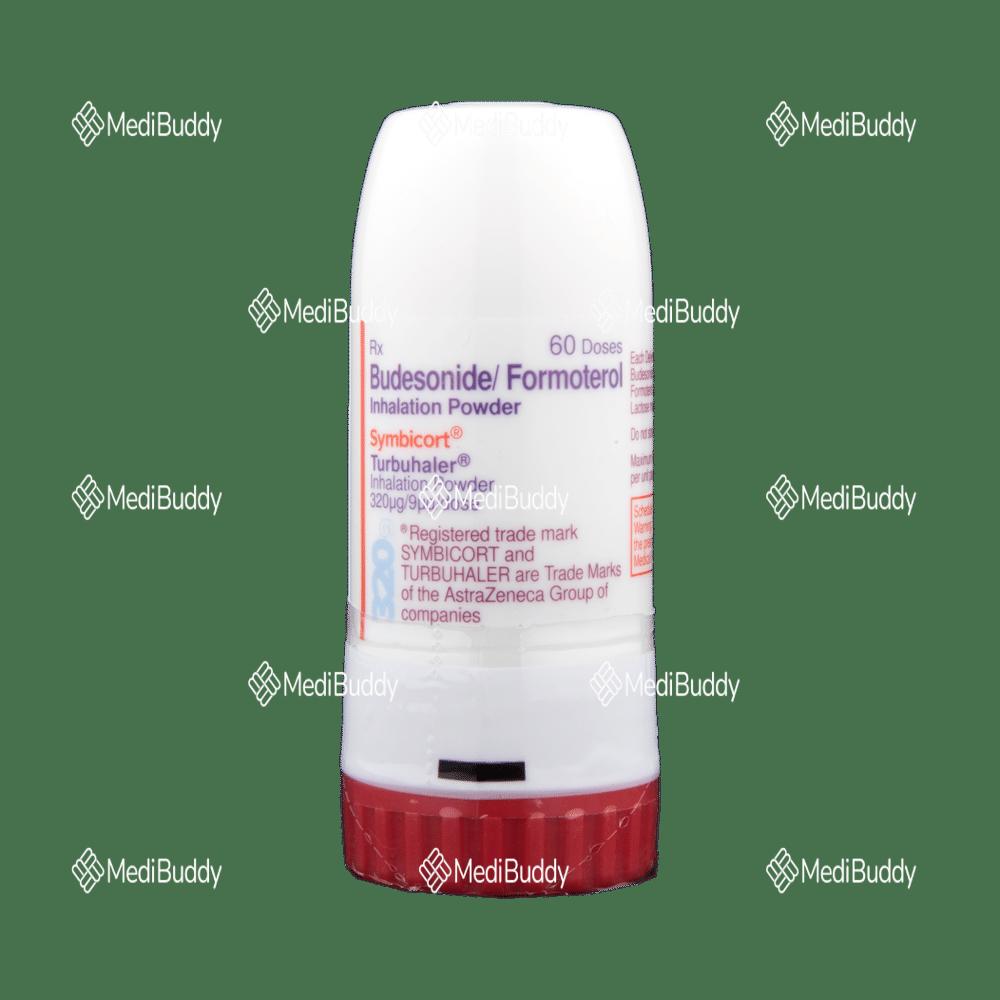
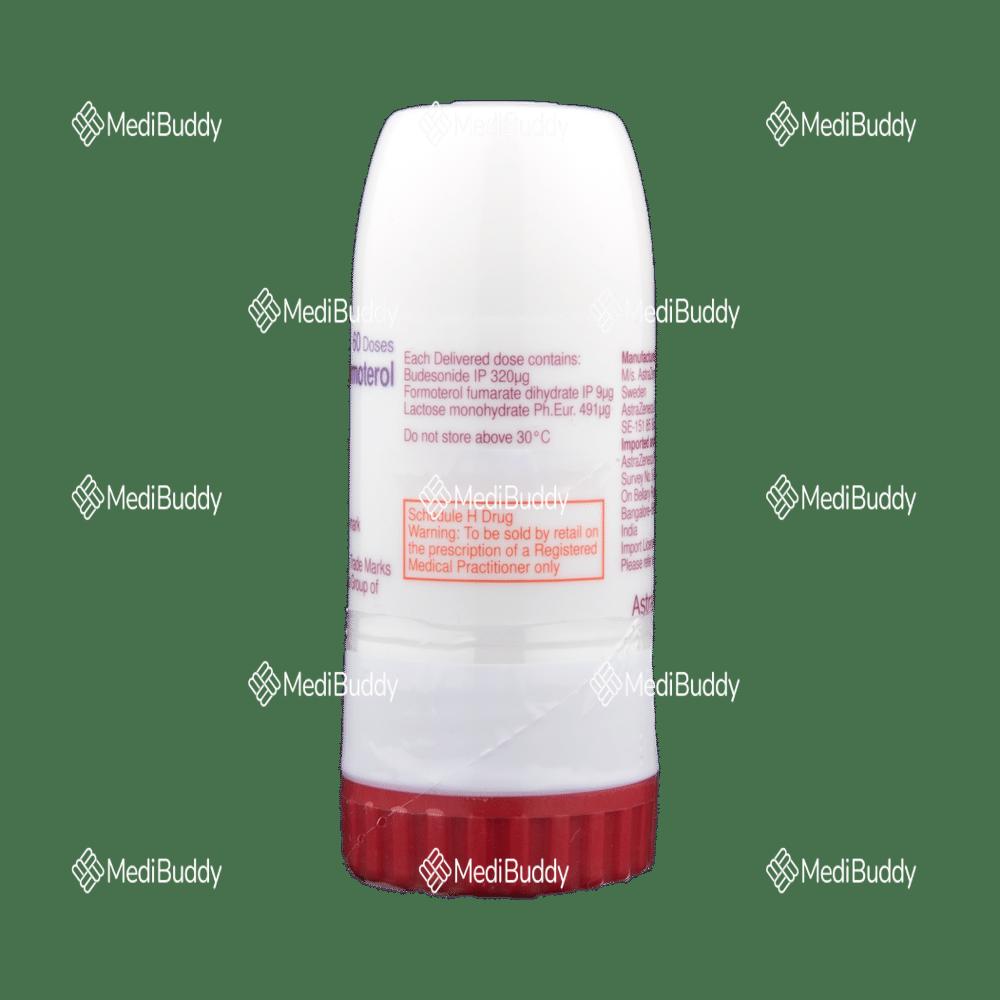

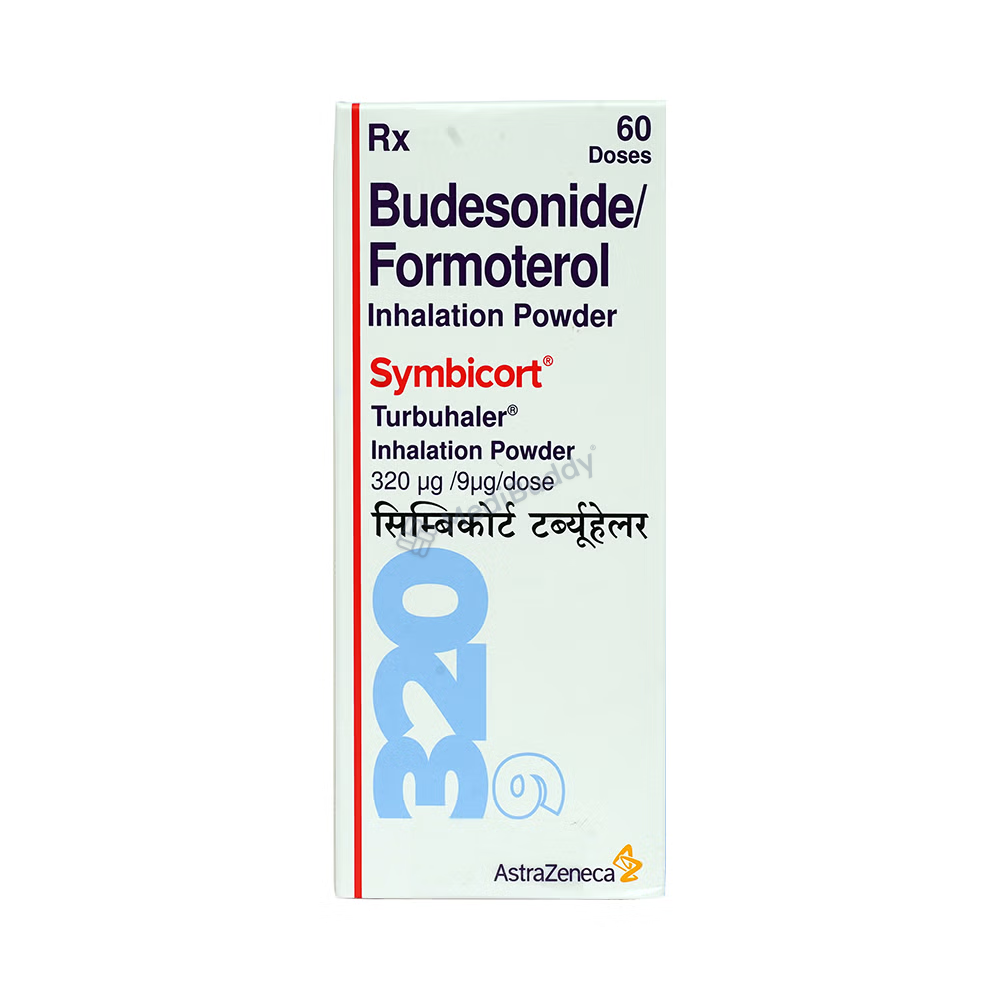
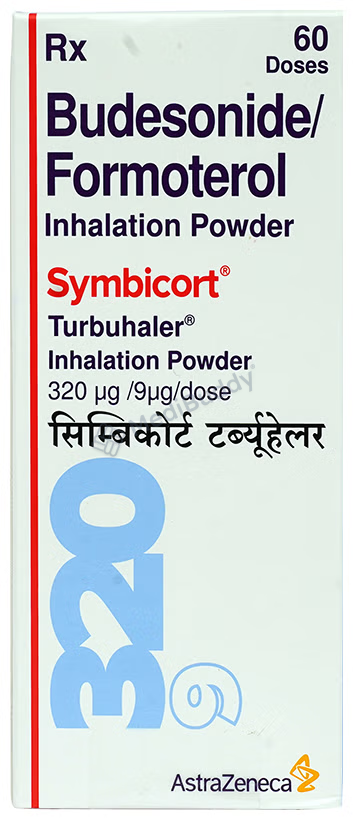
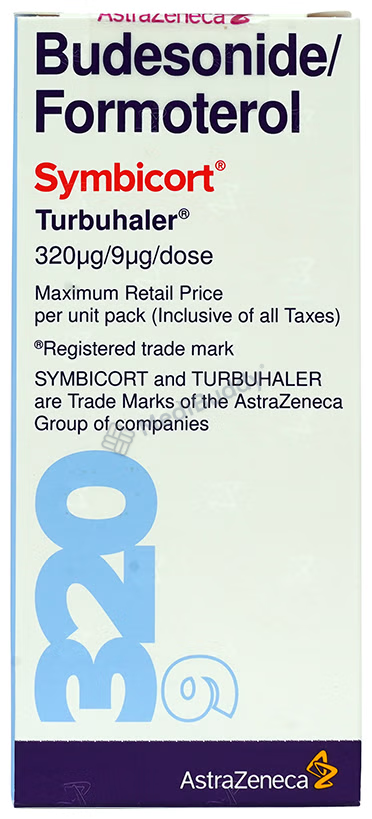
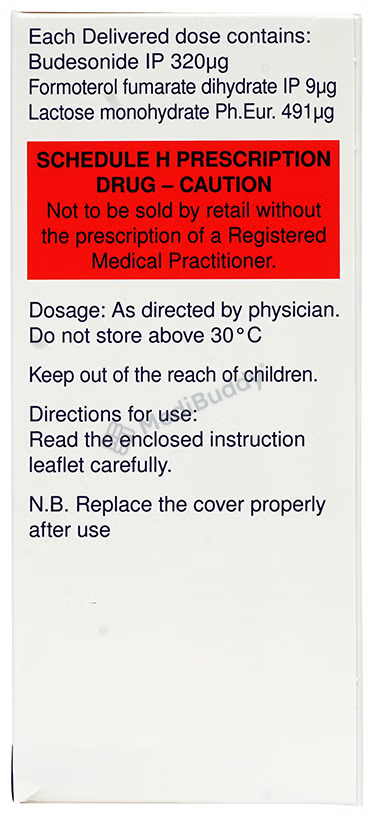
Symbicort 320mcg/9mcg Turbuhaler
By Symbicort
Rx
60mdi Inhaler in a Packet

Composition
Formoterol(9mcg) + Budesonide(320mcg)

Manufacturer - AstraZeneca
Corporate & Registered Office, Block N1, 12th Floor, Manyata Embassy Business Park, Rachenahalli, Outer Ring Road, 560045, Bangalore

Expires on or after
January, 2027
About Symbicort 320mcg/9mcg Turbuhaler
Symbicort 320mcg/9mcg Turbuhaler is a powerful combination medication designed to help manage the symptoms of asthma and chronic obstructive pulmonary disease (COPD). These conditions can make breathing difficult by narrowing airways and causing inflammation. By combining two key ingredients – Budesonide and Formoterol – this inhaler works to combat these issues. Budesonide, a corticosteroid, reduces irritation and swelling in the airways by blocking the release of inflammatory chemicals. Formoterol, a long-acting bronchodilator, relaxes the muscles around the airways, making it easier to breathe.
It is crucial to follow your doctor's instructions regarding the frequency of using Symbicort 320mcg/9mcg Turbuhaler to ensure its effectiveness. While some effects may be felt within days, optimal results may take a few weeks to manifest. Consistent use is key, even if you don't currently experience symptoms, as discontinuing the medication abruptly could lead to worsened conditions. Remember, this inhaler should not be used for sudden shortness of breath, and if such a situation arises, a rescue inhaler should be used instead.
As with any medication, there are potential side effects to be aware of. Common ones may include headaches, nausea, and respiratory infections. It's important to discuss any persistent or troubling side effects with your doctor. To mitigate some of these effects, rinsing your mouth and throat after each use or brushing your teeth can be beneficial. Additionally, there are more severe but rare side effects to watch out for, warranting a doctor's attention if they cause concern.
Before starting Symbicort 320mcg/9mcg Turbuhaler, inform your doctor of any existing kidney or liver conditions, pregnancy, or breastfeeding status. Special care should also be taken if you have certain other health issues, like high blood pressure, diabetes, or immune system disorders. It's also essential to be cautious if you have specific infections or eye conditions. Regular monitoring, especially of potassium levels, might be necessary while using this medication.
In conclusion, Symbicort 320mcg/9mcg Turbuhaler is a vital tool in managing asthma and COPD symptoms, but it must be used correctly and consistently to reap its full benefits while being mindful of potential side effects and health considerations.
Benefits
Symbicort 320mcg/9mcg Turbuhaler offers various benefits for individuals with chronic obstructive pulmonary disease (COPD) and asthma. When used for COPD, this medication helps keep the airways in the lungs open by relaxing their muscles. This action facilitates easier airflow in and out of the lungs, alleviating symptoms like chest tightness, shortness of breath, wheezing, and coughing. As a result, individuals can engage in their daily activities with more ease. The effects of Symbicort 320mcg/9mcg Turbuhaler typically begin within minutes of use and can last for several hours, providing effective relief.
For asthma treatment and prevention, Symbicort 320mcg/9mcg Turbuhaler can be particularly beneficial in managing the condition. By combining two key drugs, Budesonide and Formoterol, this medication helps prevent asthma attacks when taken before exercise or exposure to triggers such as house dust, pollen, pets, and cigarette smoke. Individuals using this medicine can expect to exercise more freely without worrying about developing symptoms like wheezing, coughing, or shortness of breath. This freedom allows individuals to live their lives without the constant fear of encountering triggers that could exacerbate their asthma symptoms.
Overall, Symbicort 320mcg/9mcg Turbuhaler offers a safe and effective option for managing both COPD and asthma symptoms. Its dual action of Budesonide, which reduces inflammation and swelling in the airways, and Formoterol, which widens the airways by relaxing muscles, provides relief from breathing difficulties and allows individuals to lead more comfortable and active lives. It is essential to follow your doctor's advice and continue using this medication as prescribed to experience the full benefits it offers in improving respiratory health and overall well-being.
How to use the Symbicort 320mcg/9mcg Turbuhaler
To use Symbicort 320mcg/9mcg Turbuhaler, start by checking the label for directions. Shake the Turbuhaler well before using it. Hold it with the mouthpiece facing downwards. Place the mouthpiece between your teeth and seal your lips around it. Press down the Turbuhaler once to release the medication. Breathe in slowly and deeply, holding your breath for 5 to 10 seconds. Then, breathe out slowly. Repeat this process until you have taken the number of puffs prescribed by your doctor. Remember to rinse your mouth thoroughly with water and spit it out after each use to prevent fungal infections in your mouth and throat.
It's crucial to use Symbicort 320mcg/9mcg Turbuhaler exactly as advised by your doctor. Shake the Turbuhaler well for 5 seconds before each dose. Just before using, breathe out and then put the mouthpiece gently between your lips. Close your lips over the mouthpiece and breathe in forcefully and deeply through it. Hold your breath for a few seconds before exhaling. Rinse your mouth with water and spit it out after each dose; do not swallow the water. If children are using Symbicort 320mcg/9mcg Turbuhaler, they should do so under the guidance of their parents. Your doctor will determine the right dose, timing, and duration based on your age and the severity of your condition.
Uses of Symbicort 320mcg/9mcg Turbuhaler
Symbicort 320mcg/9mcg Turbuhaler is commonly used for treating chronic obstructive pulmonary disease (COPD) and asthma. For asthma, it helps prevent and control the symptoms, making it easier to breathe. It is also used as a maintenance treatment for COPD, helping to manage the condition and improve lung function.
What conditions Symbicort 320mcg/9mcg Turbuhaler treats?
Asthma is a long-term respiratory condition where airways narrow, swell, and produce excess mucus, causing difficulty in breathing. Symptoms include wheezing, shortness of breath, chest tightness, and cough, especially at night. Mild persistent asthma symptoms may occur over 2 times a week and up to 4 nights monthly, while severe persistent asthma symptoms can be daily and nightly. Treatment involves medication, breathing exercises, and self-care. Chronic obstructive pulmonary disease (COPD) is a group of lung diseases like emphysema and chronic bronchitis, primarily caused by smoking and exposure to fumes and chemicals. Symptoms include chronic cough, shortness of breath, and wheezing.
Should you consult a doctor?
You should seek a doctor if you experience fits, diabetes, thyroid problems, osteoporosis, immune system diseases, eye diseases like glaucoma or cataracts, or infections like viral, bacterial, fungal, or parasitic. Inform your doctor if you have been exposed to measles or chicken pox, have poor nutrition, or have been immobilized for a long period before using Symbicort 320mcg/9mcg Turbuhaler.
Side effects of Symbicort 320mcg/9mcg Turbuhaler
Some common side effects of Symbicort 320mcg/9mcg Turbuhaler may include nausea, vomiting, headache, stomach discomfort, cough, inflammation of the throat and nasal passages, upper respiratory tract infection, sinus inflammation, fungal infection of oropharynx, tremors, palpitations, voice change, throat pain, nasal congestion, sinusitis, bronchitis, back pain, oral fungal infection, and flu-like symptoms. These side effects usually go away as your body gets used to the medication. However, if they persist or if you're concerned, it's important to consult your doctor.
More serious side effects that require immediate medical attention include worsening breathing problems, sudden wheezing, chest pain, increased blood pressure, fast and irregular heartbeat (indicative of heart problems), severe headache, tremors, worsening fungal infection in mouth or throat, increased sputum production, changes in mucus color, fever, chills, increased cough, increased breathing problems (signs of pneumonia or other lung diseases), rashes, hives, swelling of the face, mouth and tongue along with breathing issues (indicative of serious allergic reactions), retarded growth in children, eye problems like glaucoma and cataracts, signs of swelling of blood vessels in asthma patients, constipation, muscle damage, tiredness (indicative of decreased blood potassium level), and increased blood sugar levels. If you experience any of these severe side effects, stop using Symbicort 320mcg/9mcg Turbuhaler and seek immediate medical attention.
Safety advice

liver
For safety when using Symbicort 320mcg/9mcg Turbuhaler regarding the liver, no interactions have been found or established. It is advisable to consult with your doctor for proper guidance before using this medication.

kidney
Consult with your doctor for proper guidance before using Symbicort 320mcg/9mcg Turbuhaler.

alcohol
It is not safe to drink alcohol when using Symbicort 320mcg/9mcg Turbuhaler. Consult your doctor when consuming alcohol with Symbicort 320mcg/9mcg Turbuhaler.

driving
No interaction found with driving.

pregnancy
Symbicort 320mcg/9mcg Turbuhaler is most likely safe for use during pregnancy based on animal studies with minimal negative effects on the baby. Human studies are limited.

breastfeeding
Symbicort 320mcg/9mcg Turbuhaler is likely safe during breastfeeding as per limited human data showing no significant risk to the baby.
Age above 75(Geriatrics)
Age below 6 months(Pediatrics)
Consumption warning before consuming Symbicort 320mcg/9mcg Turbuhaler
Before using Symbicort 320mcg/9mcg Turbuhaler, it is crucial to consider certain factors. If you have an allergy to lactose, any components of Symbicort 320mcg/9mcg Turbuhaler, or if you are pregnant or breastfeeding, inform your doctor. This medication is not suitable for children under 6 years old. Watch for signs like worsened breathing, nighttime asthma symptoms, morning chest tightness, or prolonged symptoms as these may indicate uncontrolled asthma requiring a different treatment. Regularly check your potassium levels as Symbicort 320mcg/9mcg Turbuhaler can lower potassium levels. Avoid contact with sick individuals as this medicine may weaken your immune system. If you have certain health conditions like high blood pressure, diabetes, or immune system problems, discuss with your doctor before using Symbicort 320mcg/9mcg Turbuhaler.
What if you forgot to take Symbicort 320mcg/9mcg Turbuhaler?
If you forget to take a dose of Symbicort 320mcg/9mcg Turbuhaler, try to use it as soon as you remember. But if it's nearly time for your next dose, just skip the missed one and stick to your usual dosing routine. Avoid taking a double dose to make up for the missed one.
What happens if you take overdose of Symbicort 320mcg/9mcg Turbuhaler?
In case of accidentally using too much SYMBICORT 80/4.5MCG TURBUHALER, it is crucial to seek immediate medical attention. Overdosage symptoms can include seizures, chest pain, fluctuations in blood pressure, elevated heart rate, nervousness, headaches, tremors, palpitations, muscle cramps, nausea, dizziness, sleep disruptions, metabolic acidosis, increased blood sugar, and decreased potassium levels. In rare instances, an overdose may lead to cardiac arrest and potentially even death. If you experience any of these symptoms, it is essential to contact your doctor or go to the nearest hospital promptly for appropriate medical care.
Related lab tests
For monitoring the use of Symbicort 320mcg/9mcg Turbuhaler, there are two main relevant lab tests to consider: Absolute Eosinophil Count and Complete Blood Count.
The Absolute Eosinophil Count is a blood test that measures the number of a type of white blood cell called eosinophils. Eosinophils are often elevated in conditions such as asthma, which is a key indication for using Symbicort. Monitoring changes in the Absolute Eosinophil Count can help assess the effectiveness of Symbicort in controlling airway inflammation.
A Complete Blood Count (CBC) is another important lab test that provides information on various components of the blood, including white blood cells, red blood cells, and platelets. This test can help detect any abnormalities in the blood that may be associated with the use of medications like Symbicort, such as changes in white blood cell counts.
Regular monitoring of these lab tests can help healthcare providers determine the appropriate dosage of Symbicort and assess the overall response to treatment. By keeping track of these lab values, healthcare professionals can ensure the safe and effective use of Symbicort for managing asthma symptoms.
Additional Information
| Habit Forming | No |
| Chemical Class | - |
| Therapeutic Class | RESPIRATORY |
| Action Class | - |
FAQs
Disclaimer
The information provided on this website is to the best of our abilities to ensure it is accurate, reliable, and reviewed by a team of professionals. It should not be used to diagnose, prevent, or cure any health problem. The information presented here is not intended to create a doctor-patient relationship or replace a registered medical practitioner's advice, diagnosis, or treatment. The absence or provision of any information or warning regarding any medicine should not be assumed as an implied or explicit assurance of safety or efficacy. We highly recommend consulting your registered medical practitioner for all queries or doubts related to your medical condition. Do not ignore professional medical advice or delay seeking it based on the content encountered on our website. We intend to support, not replace, the doctor-patient relationship.
₹676.6
₹796
15% OFF
Inclusive of all taxes
Content verified by

Dr. Archana Prabhakar
MBBS, M.Med (Family Medicine)
Last update on 01-Oct-2024

Health
Hospitalisation
Download the Medibuddy App


