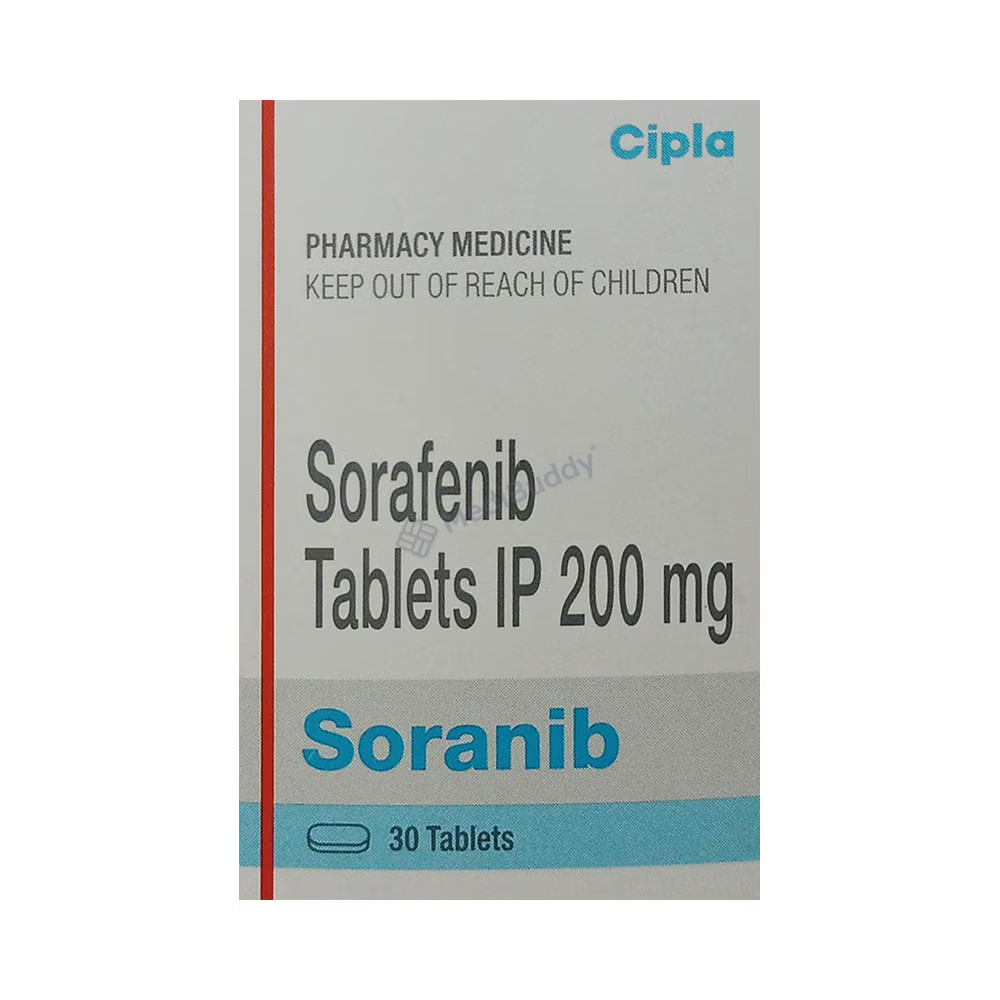
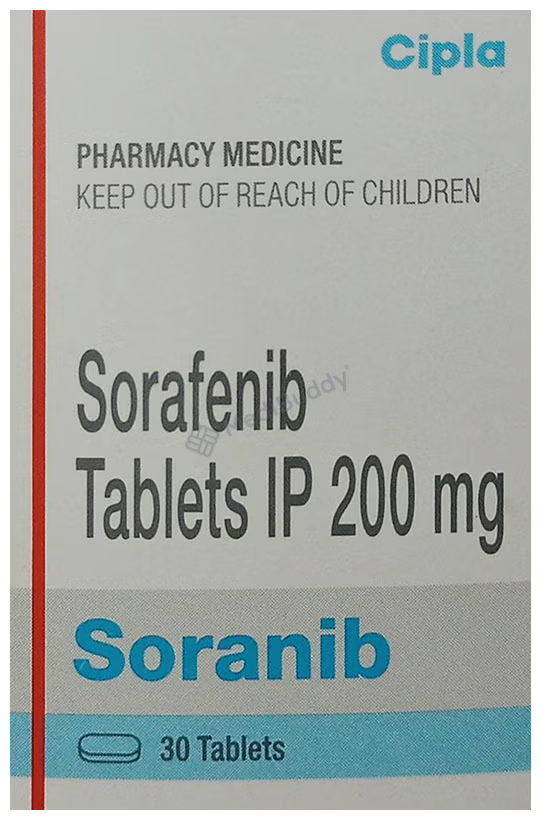
Soranib Tablet

By Soranib

Rx

30 Tablet in a Strip

Composition icon

Composition

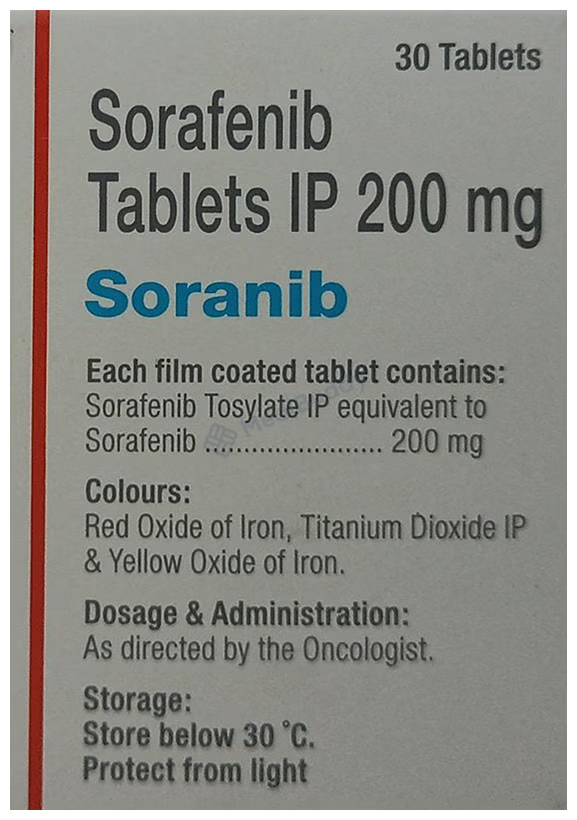
Sorafenib(200mg)

Manufacturer - Cipla Ltd icon

Manufacturer - Cipla Ltd

Cipla House, Peninsula Business Park, Ganpatrao Kadam Marg, Lower Parel, Mumbai-400013

Expires on or after icon

Expires on or after

January, 2028

About Soranib Tablet

Soranib Tablet is a medication classified as a tyrosine kinase inhibitor and is primarily used in the treatment of liver cancer, kidney cancer, and thyroid cancer. Kidney cancer, also known as renal cancer, is characterized by the uncontrolled growth of malignant cells in the kidney, forming tumors. Liver cancer, on the other hand, occurs when cancerous cells damage healthy liver cells, impacting the normal functioning of the liver. Thyroid cancer manifests when abnormal cell multiplication forms a tumor in the thyroid gland.

Soranib Tablet 30's contains Sorafenib, classified as a kinase inhibitor, which works by inhibiting the abnormal protein responsible for the multiplication of cancer cells, thereby halting their spread. It is crucial to adhere to the prescribed dosage and take Soranib Tablet 30's as recommended by your doctor after assessing your medical condition. Common side effects may include itching, skin rash, acne, dry skin, vomiting, diarrhea, and loss of appetite, which usually subside over time. However, persistent side effects should be discussed with your doctor.

It is imperative to continue the treatment with Soranib Tablet 30's for the duration prescribed by your doctor for effective management of the condition. Avoid taking Soranib Tablet 30's if you are pregnant or planning a pregnancy, as it can cause serious birth defects. Breastfeeding mothers should also refrain from taking this medication, as it can pass into breast milk and pose a risk to the infant. Elderly individuals may require a dosage adjustment due to increased sensitivity to the medication. It is recommended to abstain from alcohol consumption while using Soranib Tablet 30's to prevent increased dizziness.

Soranib Tablet, containing Sorafenib, falls under the category of Multikinase inhibitors and is utilized for advanced stages of liver cancer (hepatocellular carcinoma), kidney cancer (advanced renal cell carcinoma), and differentiated thyroid cancer that does not respond to radioactive iodine treatment. This medication is contraindicated in patients with squamous cell lung cancer and should be used cautiously in individuals with severe liver or kidney disease, high blood pressure, heart conditions, diabetes, and bleeding disorders. Consult your doctor before initiating treatment with Soranib Tablet.

Pregnant individuals or those contemplating pregnancy should use adequate contraception during Soranib Tablet treatment, as it can cause harm to the developing fetus. Breastfeeding women should also seek advice from their healthcare provider before taking this medication. The safety and efficacy of Soranib Tablet in children and adolescents under 18 years old have not been established, and caution is advised in elderly patients with kidney failure. Common side effects may include nausea, diarrhea, vomiting, constipation, weakness, tiredness, hair loss, or rash, which should be promptly discussed with a physician if they worsen.


Benefits

Soranib Tablet offers important benefits in the treatment of various types of cancer. In cases of liver cancer, this medication targets cancer cells in the liver, known as hepatocytes. As liver cancer may not show symptoms early on, it is crucial to begin treatment promptly. Soranib Tablet effectively kills cancer cells, halting their growth and preventing the cancer from spreading to other areas of the body. To maximize the effectiveness of the treatment, it is essential to strictly adhere to your doctor's instructions and avoid alcohol and smoking, as these can worsen your condition.


Moreover, for individuals with kidney cancer, Soranib Tablet plays a vital role in managing the disease. Symptoms such as blood in the urine, unexplained low back pain, fatigue, and loss of appetite are common indicators of kidney cancer. By inhibiting the growth and multiplication of cancer cells, this medication helps prevent the cancer from advancing to unaffected regions of the body. To ensure successful recovery, it is imperative to closely follow your doctor's guidance throughout the treatment process.


In cases of thyroid cancer, which affects the butterfly-shaped gland in the neck responsible for regulating various bodily functions, Soranib Tablet demonstrates its effectiveness by targeting the cancer cells in the thyroid. By restricting the oxygen supply to these cells, the medication effectively halts their growth and prevents further spread of the cancer. Due to its potency and potential toxicity, it is critical to have a thorough discussion with your doctor regarding the risks and benefits of the treatment. Additionally, avoiding alcohol and smoking while on this medication, along with staying hydrated by drinking plenty of water, can contribute to the overall success of the treatment.


Overall, Soranib Tablet offers significant benefits in the treatment of liver, kidney, and thyroid cancers by targeting cancer cells, inhibiting their growth, and preventing the spread of cancer to other parts of the body. By following your doctor's advice diligently and making necessary lifestyle adjustments, you can optimize the effectiveness of this medication and enhance your chances of a successful recovery.


How to use the Soranib Tablet

To make the best use of Soranib Tablet, follow the instructions given by your doctor regarding the dosage and duration of the treatment. It is important to swallow the tablet whole with a glass of water. Do not chew, crush, or break the tablet as it may alter its effectiveness. Remember to take Soranib Tablet on an empty stomach for optimal absorption. If you have any questions or concerns about how to use this medication, always consult your doctor for guidance.


Uses of Soranib Tablet

The Soranib Tablet is primarily used to treat liver cancer, kidney cancer, and thyroid cancer. It is an effective medication for managing these types of cancers. Liver cancer, kidney cancer, and thyroid cancer patients may benefit from this medication as prescribed by their healthcare provider. By targeting these specific types of cancer, the Soranib Tablet plays a crucial role in the treatment and management of these conditions.


What conditions Soranib Tablet treats?

Soranib Tablet is used to treat liver cancer, kidney cancer, and thyroid cancer. Liver cancer affects the liver cells and may show symptoms like weight loss and stomach pain. Soranib Tablet kills cancer cells and hinders further growth. In kidney cancer, symptoms may include blood in urine and unexplained weight loss. The medication halts cancer growth and prevents spread. Thyroid cancer affects the thyroid gland and can be symptomless initially. Soranib Tablet obstructs cancer cell oxygen supply, inhibiting growth. Consult your doctor and avoid alcohol and smoking during treatment.


Should you consult a doctor?

If you experience severe side effects such as skin rash, painful blisters on hands and feet, or any pain, swelling, and redness in your extremities, consult your doctor promptly. It is also essential to seek medical attention if you notice persistent symptoms like fatigue, nausea, loss of appetite, diarrhea, abdominal pain, hair loss, weight loss, or rash. Additionally, inform your doctor if you have heart disease, liver or kidney issues, high blood pressure, or if you are pregnant or breastfeeding. Regular blood pressure check-ups may be necessary due to the medicine potentially causing high blood pressure. Be vigilant about any unusual reactions and notify your healthcare provider to ensure safe and effective usage of Soranib Tablet.


Side effects of Soranib Tablet

When taking Soranib Tablet, you may experience some side effects. These side effects are usually mild and go away as your body gets used to the medication. It's important to note that not everyone will experience these side effects. Common side effects include fatigue, nausea, loss of appetite, diarrhea, abdominal pain, hair loss, weight loss, rash, and painful blisters on hands and feet. If any of these side effects persist or you are concerned about them, it is recommended to consult your doctor. Your healthcare provider can provide guidance on managing these side effects or adjust your treatment if needed.


Safety advice

scroll

liver

Soranib Tablet requires caution when used by individuals with severe liver disease. Adjustments to the dosage of the tablet may be necessary in such cases. It is important to consult your doctor before taking Soranib Tablet if you have liver issues.

scroll

kidney

Soranib Tablet is safe to use in patients with kidney disease. No dose adjustment is needed. Regular blood test monitoring may be advised during treatment.

scroll

alcohol

Consult your doctor when consuming alcohol with Soranib Tablet.

scroll

driving

Soranib Tablet typically does not impact driving ability. Drive cautiously until you know how it affects you.

scroll

pregnancy

Soranib Tablet is not safe during pregnancy due to risks to the developing baby. It may be used in life-threatening situations under a doctor's supervision if benefits outweigh risks. Always consult your doctor.

scroll

breastfeeding

Caution should be exercised when considering Soranib Tablet during breastfeeding, as it is considered unsafe and may pose a risk of toxicity to the baby.


Consumption warning before consuming Soranib Tablet

Before consuming Soranib Tablet, it is crucial to follow specific guidelines to ensure safe and effective treatment. This medication, categorized as a tyrosine kinase inhibitor, is prescribed for liver, kidney, and thyroid cancer. It should be taken on an empty stomach consistently at the same time daily as directed by your doctor. Dosage and frequency will vary based on your condition and may require adjustments over time. Taking more than prescribed can lead to severe side effects. While it may take time to experience benefits, do not discontinue without consulting your doctor.


Common side effects include fatigue, nausea, and hair loss. Monitoring for high blood pressure is essential, and any severe skin reactions should be reported promptly. Inform your doctor of existing health conditions such as heart disease or high blood pressure. It is crucial to disclose all medications being taken due to potential interactions. Avoid using this medication during pregnancy or breastfeeding, and ensure proper contraception use during treatment.


What if you forgot to take Soranib Tablet?

If you forget to take your Soranib Tablet, just continue with your regular dosing schedule. Don't try to make up for the missed dose by taking an extra tablet. It's important to stick to the prescribed dosage to ensure the medication works effectively. If you have any concerns about missed doses or how to manage your medication schedule, consult your healthcare provider for guidance.


Related lab tests

Related Lab Tests for patients taking Soranib Tablet include the Alpha-fetoprotein (AFP) L3 Fraction test, which measures a specific form of alpha-fetoprotein in the blood and is commonly used in cancer diagnosis and monitoring. Another relevant test is the Complete Blood Count, which provides information about different types of blood cells and can help detect any abnormalities or side effects of the medication. Additionally, the Thyroid Profile Free test evaluates the thyroid function by measuring levels of thyroid hormones in the blood, ensuring the medication is not impacting thyroid health. Regular monitoring of these lab tests can help healthcare providers ensure the safety and effectiveness of Soranib Tablet treatment.


Additional Information

Habit FormingNo
Chemical ClassDiarylethers Derivative
Therapeutic Class-
Action ClassTyrosine kinase inhibitors

FAQs


Disclaimer

The information provided on this website is to the best of our abilities to ensure it is accurate, reliable, and reviewed by a team of professionals. It should not be used to diagnose, prevent, or cure any health problem. The information presented here is not intended to create a doctor-patient relationship or replace a registered medical practitioner's advice, diagnosis, or treatment. The absence or provision of any information or warning regarding any medicine should not be assumed as an implied or explicit assurance of safety or efficacy. We highly recommend consulting your registered medical practitioner for all queries or doubts related to your medical condition. Do not ignore professional medical advice or delay seeking it based on the content encountered on our website. We intend to support, not replace, the doctor-patient relationship.

2503.61

Inclusive of all taxes

Content verified by

chevron-right

Dr. Gowri Kulkarni

MBBS - General Medicine, DNB - Psychiatry, MRCGP [INT] Family Medicine, BSIC (BACP)

Last update on 01-Oct-2024