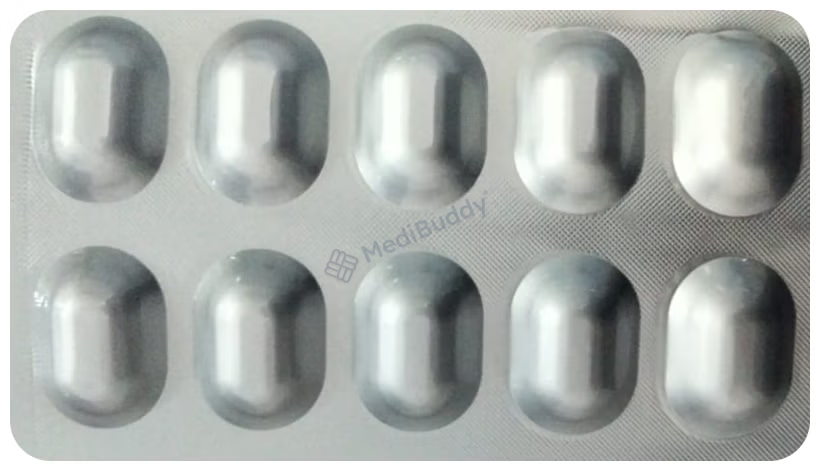
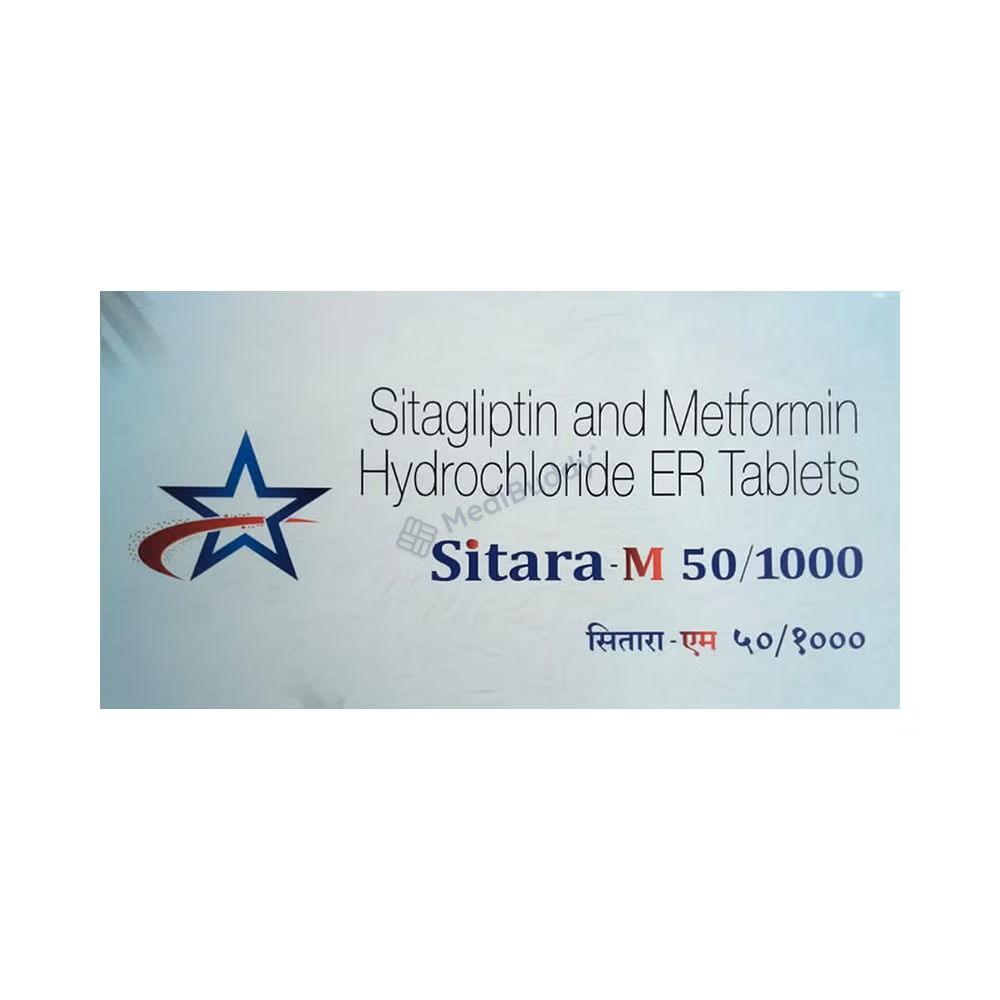
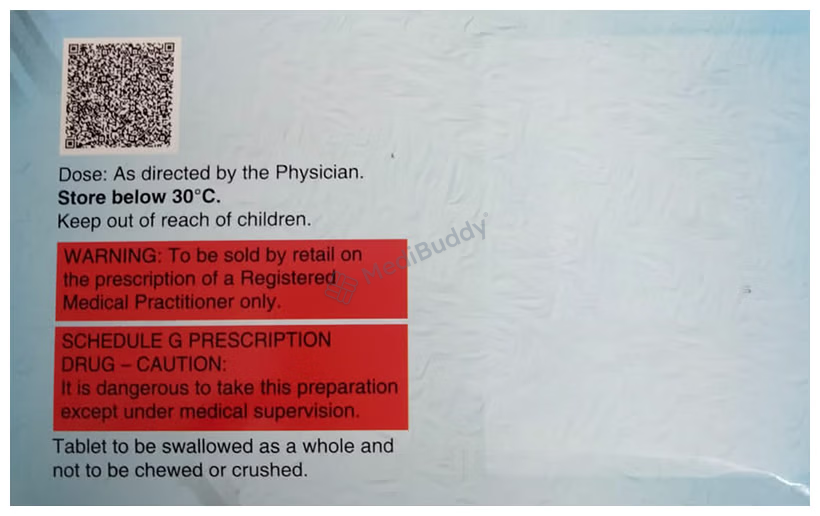
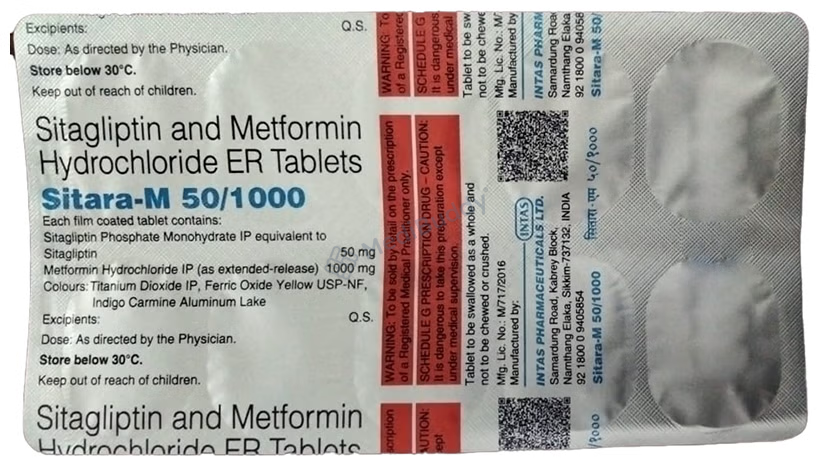
Sitara-M 50/1000 Tablet ER

By Sitara-M

Rx

10 Tablet ER in a Strip

Composition icon

Composition

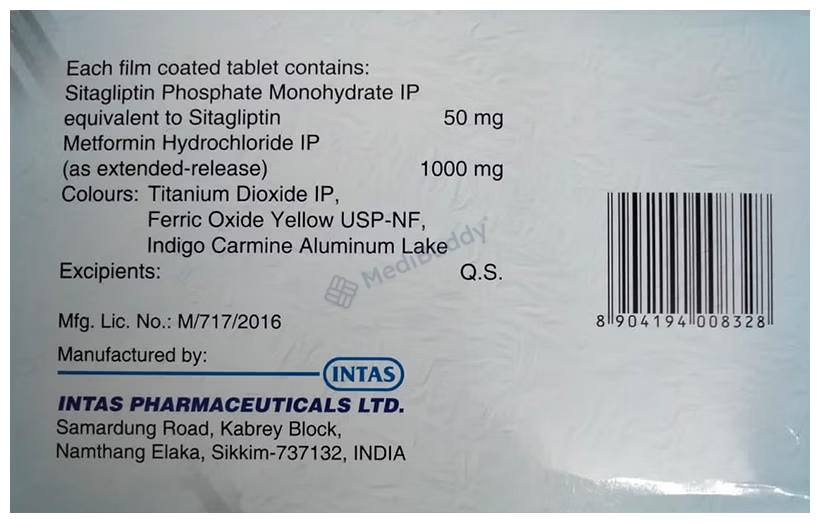
Sitagliptin(50mg) + Metformin(1000mg)

Manufacturer - Intas Pharmaceuticals Ltd icon

Manufacturer - Intas Pharmaceuticals Ltd

Chinubhai Centre, Off. Nehru Bridge, Ashram Road, Ahmedabad - 380009. Gujarat. India.

Expires on or after icon

Expires on or after

April, 2027

About Sitara-M 50/1000 Tablet ER

Sitara-M 50/1000 Tablet ER is a medication that combines Metformin and Sitagliptin, designed to help manage high blood sugar levels in individuals with type 2 diabetes mellitus. This drug plays a crucial role in preventing severe complications associated with diabetes, such as kidney damage, blindness, heart attacks, and strokes. It may be prescribed on its own or in conjunction with other diabetes medications, showing optimal results when complemented with a balanced diet and regular physical activity.

To derive the maximum benefits from Sitara-M 50/1000 Tablet ER, it is essential to adhere to a consistent daily dosage schedule and continue its usage as directed by your healthcare provider. Maintaining a healthy lifestyle, which includes following a recommended diet and exercise routine, is fundamental in effectively managing diabetes. Taking the medication with meals can help mitigate the risk of experiencing stomach discomfort.

As with any medication, Sitara-M 50/1000 Tablet ER has potential side effects, including diarrhea, nausea, vomiting, headache, and sore throat. It is also essential to be aware of the possibility of low blood sugar levels (hypoglycemia), especially when using other diabetes treatments like insulin or sulfonylurea. Recognizing and addressing these side effects promptly is crucial for safe and effective treatment.

Before starting Sitara-M 50/1000 Tablet ER, it is imperative to notify your doctor about any existing kidney, liver, or heart conditions, as well as issues with the pancreas or excessive alcohol consumption. Pregnant or breastfeeding individuals should seek medical advice before initiating this medication, as it may not be suitable for everyone. Additionally, informing your doctor about all other medications you are currently taking is crucial to ensure the safety and effectiveness of Sitara-M 50/1000 Tablet ER.

In summary, Sitara-M 50/1000 Tablet ER is a valuable combination medication for managing type 2 diabetes mellitus, offering benefits in controlling blood sugar levels and reducing the risk of diabetes-related complications. By working closely with your healthcare provider and following their guidance on dosage, lifestyle modifications, and potential side effects, you can effectively incorporate this medication into your diabetes management plan.


Benefits

Sitara-M 50/1000 Tablet ER offers numerous benefits in the treatment of Type 2 diabetes mellitus. This medication is a unique combination of two medicines that work together to lower blood glucose levels, which is crucial for managing diabetes effectively. By controlling blood glucose levels with Sitara-M 50/1000 Tablet ER, the risk of developing serious complications of diabetes such as kidney damage, eye damage, nerve problems, and the loss of limbs is significantly reduced. In addition to this, maintaining proper control of diabetes can also lower the risk of heart disease and stroke.


One key benefit of Sitara-M 50/1000 Tablet ER is its ability to help the pancreas produce more insulin, efficiently utilize insulin, and reduce the excess sugar produced by the liver. This mechanism of action helps in controlling the rise of blood sugar levels after meals. An important advantage of this medication is that it does not lead to weight gain with prolonged use. Sitara-M 50/1000 Tablet ER plays a crucial role in preventing serious complications associated with diabetes, such as eyesight loss (retinopathy), kidney damage (nephropathy), nerve damage (neuropathy), diabetic foot ulcers, and delayed wound healing.


Overall, by taking Sitara-M 50/1000 Tablet ER regularly as prescribed, along with following a proper diet and exercise regimen, individuals with Type 2 diabetes can lead a normal and healthy life. It is essential to continue using this medication as directed to safeguard future health and effectively manage diabetes to prevent complications.


How to use the Sitara-M 50/1000 Tablet ER

To use Sitara-M 50/1000 Tablet ER, take it exactly as your doctor has instructed, following the prescribed dose and duration. The tablet should be swallowed whole with a glass of water, and it is important not to chew, crush, or break it. It is recommended to take Sitara-M 50/1000 Tablet ER with food to optimize absorption and reduce the risk of any potential side effects. Remember to follow your doctor's guidance carefully to ensure the medication works effectively for you. If you have any questions or concerns about how to use Sitara-M 50/1000 Tablet ER, be sure to consult your healthcare provider for further assistance.


Uses of Sitara-M 50/1000 Tablet ER

Sitagliptin and Metformin (Sitara-M 50/1000 Tablet ER) is mainly used in the treatment of Type 2 diabetes mellitus. This medication is helpful for individuals diagnosed with Type 2 diabetes to manage their blood sugar levels effectively. It combines two different drugs, sitagliptin and metformin, which work together to control blood sugar levels in the body. Sitagliptin helps in increasing the levels of natural substances that lower blood sugar, while metformin works by decreasing the amount of sugar produced in the liver and absorbed in the intestine. By using Sitara-M 50/1000 Tablet ER as prescribed by a healthcare professional, patients with Type 2 diabetes can better manage their condition and prevent complications associated with high blood sugar levels.


What conditions Sitara-M 50/1000 Tablet ER treats?

Sitara-M 50/1000 Tablet ER is used for treating type 2 diabetes. Type 2 diabetes happens when the body doesn't create enough insulin or the insulin it creates doesn't work properly. This leads to high blood sugar levels, causing symptoms like increased thirst, frequent urination, slow wound healing, increased hunger, fatigue, and blurred vision. Complications of type 2 diabetes can include nerve problems, kidney issues, eye problems, amputations, sexual dysfunction, and a higher risk of heart attack or stroke.


Should you consult a doctor?

If you experience persistent side effects like decreased appetite, vomiting, upper respiratory tract infection, abdominal bloating, nausea, or diarrhea while taking Sitara-M 50/1000 Tablet ER for type 2 diabetes, consult your doctor. Low blood glucose levels (hypoglycemia) may also occur, especially if you are using other diabetes medications concurrently. Contact your doctor immediately if you suspect hypoglycemia or are unsure how to manage it. Additionally, individuals with kidney, liver, or heart issues, pancreatic problems, excessive alcohol consumption, or pregnant/breastfeeding women should seek medical advice before starting this medication. Inform your doctor about all medications you are taking to avoid interactions. Regular check-ups for kidney function and blood sugar levels are important during treatment. Stay committed to your prescribed diet and exercise regimen for optimal diabetes management.


Side effects of Sitara-M 50/1000 Tablet ER

When taking Sitara-M 50/1000 Tablet ER, some individuals may experience side effects. While most of these side effects are generally mild and temporary, it's essential to keep an eye on them. Symptoms such as decreased appetite, vomiting, upper respiratory tract infection, and hypoglycemia (low blood glucose level) might occur. Other possible side effects include abdominal bloating, nausea, diarrhea, low blood sugar, runny nose, sore throat, and upper lung infection. Additionally, some individuals may experience gastrointestinal issues such as diarrhoea, vomiting, gas, stomach upset, and indigestion. General weakness, headaches, and a feeling of being unwell are also possible side effects. If any of these side effects persist or cause concern, it is advisable to consult your doctor for further guidance and appropriate management.


Safety advice

scroll

liver

Sitara-M 50/1000 Tablet ER may not be safe for patients with liver disease and it is recommended to avoid using this medication if you have liver issues. It is important to consult with your doctor before taking Sitara-M 50/1000 Tablet ER, especially if you have any liver-related concerns. Your doctor will be able to provide proper guidance based on your individual situation and help ensure your safety while using this medication.

scroll

kidney

Sitara-M 50/1000 Tablet ER should be used cautiously if you have kidney disease. Your doctor may need to adjust the dosage. Avoid using it if you have severe kidney disease. Regularly check your kidney function while on this medication.

scroll

alcohol

It is not safe to drink alcohol while taking Sitara-M 50/1000 Tablet ER.

scroll

driving

Caution should be taken when driving while using Sitara-M 50/1000 Tablet ER. If experiencing symptoms of low or high blood sugar that could impair driving, avoid driving.

scroll

pregnancy

Sitara-M 50/1000 Tablet ER should be used with caution during pregnancy. Limited human studies indicate potential harm to the developing baby based on animal studies. It is important to consult your doctor for a careful evaluation of the benefits and risks before using this medication.

scroll

breastfeeding

Sitara-M 50/1000 Tablet ER is not recommended during breastfeeding. Limited data indicates potential harm to the baby through breastmilk.


Consumption warning before consuming Sitara-M 50/1000 Tablet ER

Before consuming Sitara-M 50/1000 Tablet ER, it is important to note certain precautions. This medication should not be used by individuals with type 1 diabetes or diabetic ketoacidosis. Some diabetic patients taking Sitara-M 50/1000 Tablet ER may develop lactic acidosis, a rare but serious condition that can harm the liver and kidneys. Inform your doctor if you have a history of pancreatitis, kidney disease, or low vitamin B12 levels before starting this medication. When used with insulin, Sitara-M 50/1000 Tablet ER may lower blood sugar levels, potentially causing hypoglycemia. Your doctor may need to adjust the insulin dose accordingly. Long-term use of Sitara-M 50/1000 Tablet ER may reduce thyroid-stimulating hormone levels, necessitating regular TSH checks. In rare instances, a severe skin reaction known as bullous pemphigoid may develop, requiring immediate medical attention. Inform your doctor if you are scheduled for a diagnostic test involving an injection of dye or X-ray contrast agent, as you may need to temporarily discontinue Sitara-M 50/1000 Tablet ER before the procedure.


Disease interactions

For individuals with heart conditions such as congestive heart failure and myocardial infarction, as well as those with Vitamin B12 deficiency and alcoholism, it is advised to refrain from taking Sitara-M 50/1000 Tablet ER. These specific health conditions may interact adversely with the components of the medication, potentially leading to undesirable effects or complications. Hence, it is crucial for individuals with these conditions to consult with their healthcare provider before considering the use of Sitara-M 50/1000 Tablet ER to ensure their safety and well-being.


What if you forgot to take Sitara-M 50/1000 Tablet ER?

If you forget to take your Sitara-M 50/1000 Tablet ER, take it as soon as you remember. But if it is close to your next scheduled dose, then skip the missed dose and continue with your usual dosing routine. It's important not to take a double dose to make up for the missed one.


Related lab tests

For patients taking Sitara-M 50/1000 Tablet ER, there are some important related lab tests that may be required to monitor their health. These tests include Glucose - Fasting Blood, Glucose - Postprandial Blood, and Glycosylated Hemoglobin.


Glucose - Fasting Blood test measures the amount of sugar in the blood after fasting for at least 8 hours. This test helps in diagnosing conditions like diabetes and monitoring blood sugar levels.


Glucose - Postprandial Blood test measures the blood sugar levels 2 hours after a meal. This test is useful in evaluating how the body processes sugar after eating.


Glycosylated Hemoglobin test, also known as the A1C test, reflects the average blood sugar levels over the past 2-3 months. It is a vital test to monitor long-term glucose control in diabetic patients.


Regular monitoring of these lab tests can provide valuable insights into the effectiveness of Sitara-M 50/1000 Tablet ER treatment and overall management of blood sugar levels.


Additional Information

Habit FormingNo
Chemical Class-
Therapeutic ClassANTI DIABETIC
Action Class-

FAQs


Disclaimer

The information provided on this website is to the best of our abilities to ensure it is accurate, reliable, and reviewed by a team of professionals. It should not be used to diagnose, prevent, or cure any health problem. The information presented here is not intended to create a doctor-patient relationship or replace a registered medical practitioner's advice, diagnosis, or treatment. The absence or provision of any information or warning regarding any medicine should not be assumed as an implied or explicit assurance of safety or efficacy. We highly recommend consulting your registered medical practitioner for all queries or doubts related to your medical condition. Do not ignore professional medical advice or delay seeking it based on the content encountered on our website. We intend to support, not replace, the doctor-patient relationship.

126.5

Inclusive of all taxes

Content verified by

chevron-right

Dr. Mansi Chaudhari

MBBS - General Medicine

Last update on 01-Oct-2024