
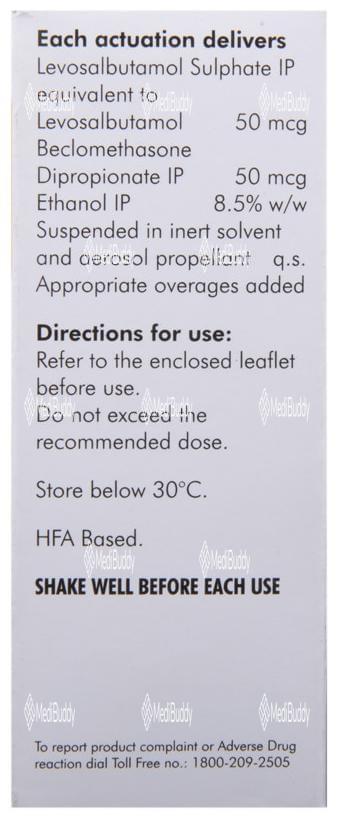
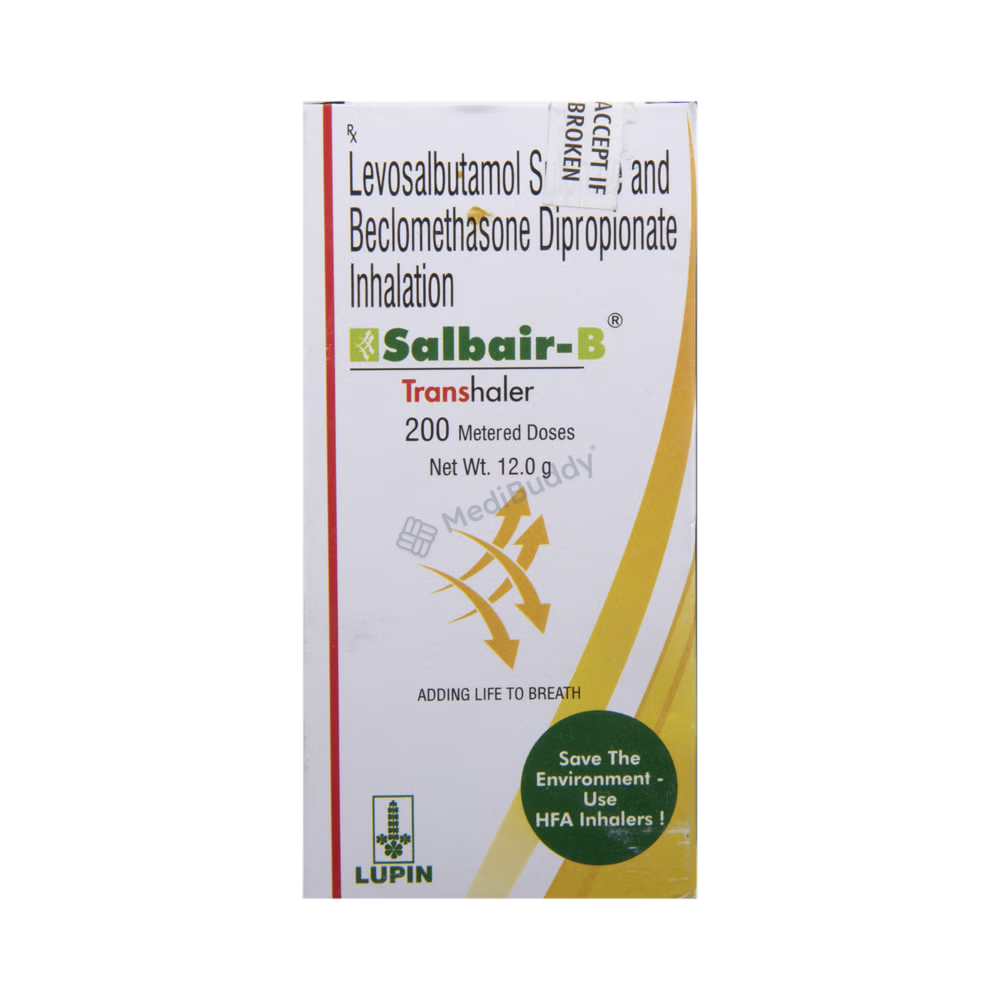
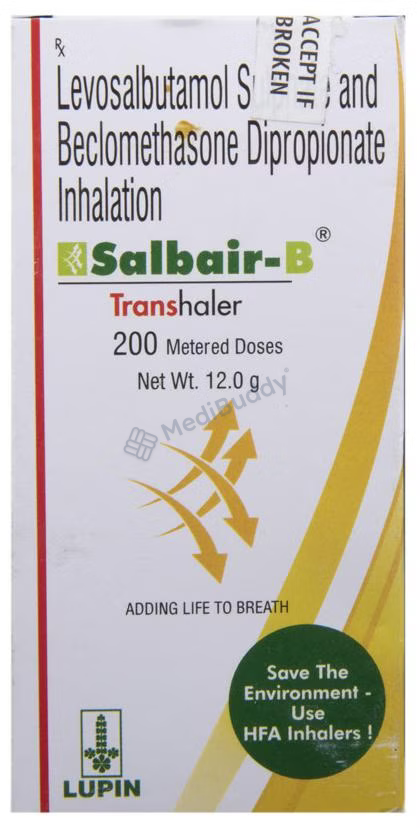
Salbair-B Transhaler
By Salbair-B
Rx
200mdi Transhaler in a Packet

Composition
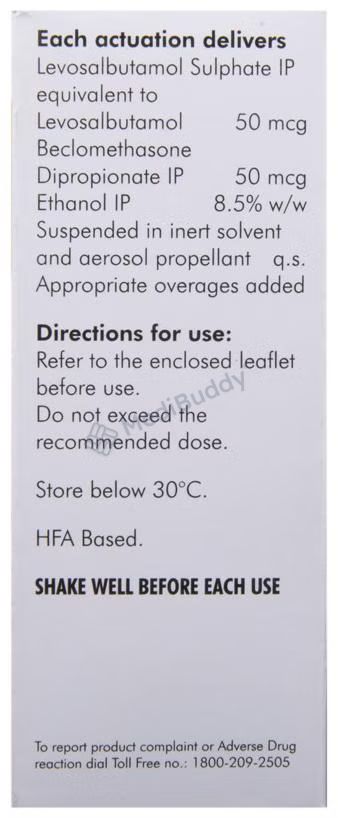
Levosalbutamol(50mcg) + Beclometasone(50mcg)

Manufacturer - Lupin Ltd
Lupin Ltd, 3rd floor Kalpataru Inspire, Off. W E Highway, Santacruz (East), Mumbai 400 055. India

Expires on or after
August, 2027
About Salbair-B Transhaler
Salbair-B Transhaler is a combination medication used in the treatment of asthma and chronic obstructive pulmonary disease (COPD). It helps in relieving symptoms such as wheezing, shortness of breath, coughing, and chest tightness caused by the narrowing of the airways. This medication contains Beclomethasone, a corticosteroid, and Levosalbutamol, a bronchodilator. Beclomethasone works by preventing the release of certain chemicals in the body that cause inflammation, while Levosalbutamol relaxes muscles and widens the airways in the lungs, making breathing easier.
When using Salbair-B Transhaler, it is important to follow your doctor's instructions carefully. The medication is meant for inhalation use only, and it should be used regularly as prescribed. Do not stop using this medicine abruptly even if your symptoms improve without consulting your doctor. It is suitable for both adults and children aged 4 years and above.
Salbair-B Transhaler should not be used to relieve sudden asthma attacks. In case of an asthma attack, it is recommended to contact your doctor or use a fast-acting 'rescue' inhaler to alleviate the symptoms. Before using this medication, inform your doctor if you have any lung infections, liver issues, kidney problems, heart conditions, diabetes, hypertension, seizures, thyroid problems, or if you are currently taking or have recently taken any other steroid medication as a precaution.
Pregnant or breastfeeding women should use Salbair-B Transhaler only if considered necessary by their physician after careful consideration of the risks and benefits. Common side effects of this medication may include headache, cold symptoms, oral thrush or oral sores, throat irritation, hoarse voice, dizziness, and a fast heart rate. If any of these side effects worsen or persist, it is recommended to contact your doctor for further guidance.
Benefits
Salbair-B Transhaler is a powerful combination respiratory medicine designed to treat asthma effectively. It contains two key components: Beclomethasone and Levosalbutamol. Beclomethasone, a steroid, works by reducing inflammation in the airways by suppressing inflammatory mediators and cells. Levosalbutamol, on the other hand, is a short-acting beta-agonist that helps to relax the smooth muscle cells in the airways, allowing for easier breathing. By widening the airways, Salbair-B Transhaler provides relief from common asthma symptoms such as chest tightness, shortness of breath, wheezing, and coughing.
This medication not only helps in alleviating the immediate symptoms of asthma but also works to address the underlying inflammation and swelling that are characteristic of the condition. By promoting easier air flow, Salbair-B Transhaler aids in making breathing easier and more comfortable for individuals with asthma. It is a vital tool in managing asthma and can significantly improve the quality of life for those dealing with this chronic respiratory condition.
In addition to the direct benefits of Salbair-B Transhaler, incorporating regular exercise and yoga into a daily routine can complement the treatment by further enhancing lung function and overall health in the long term. By using Salbair-B Transhaler as prescribed alongside healthy lifestyle choices, individuals with asthma can experience improved symptom control, better breathing, and a better quality of life. This medication serves as a valuable ally in the fight against asthma, providing relief and support for those managing this challenging condition.
How to use the Salbair-B Transhaler
To correctly use the Salbair-B Transhaler, start by checking the label for directions. Shake the inhaler well before using it. Then, while breathing in through your mouth, press down on the inhaler once to release the medication. Hold your breath for about 10 seconds before exhaling. Repeat this process until you have taken the number of puffs recommended by your doctor.
After using the inhaler, remember to rinse your mouth thoroughly with water and spit it out. This is important to prevent any potential side effects from occurring in the mouth. It is essential to follow these steps every day as instructed by your doctor until you are advised to stop.
If you are using the rotacap/respicap form of the medication, do not swallow the capsule. Place it at the base of the rotahaler/repihaler and twist the mouthpiece completely until you hear a click sound. Breathe in deeply through the mouthpiece and hold your breath for 10 seconds before exhaling.
When using the inhaler/transhaler, hold it with the mouthpiece facing downwards. Place the mouthpiece between your teeth and seal your lips around it. Press down on the inhaler once to release the medication and breathe in slowly. Hold your breath for 5 to 10 seconds before exhaling slowly. Repeat the process until you have taken the prescribed number of puffs.
Remember, follow your doctor's instructions regarding the number of inhalations and dosing intervals. It is crucial to inhale the medicine only through your mouth into your lungs, not through your nose. It is recommended to rinse your mouth or brush your teeth after using the medication.
Lastly, do not start using Salbair-B Transhaler without proper instruction from your doctor or healthcare provider. Make sure you understand how to use it correctly to ensure its effectiveness and your safety.
Uses of Salbair-B Transhaler
The Salbair-B Transhaler is a medication used to treat and prevent asthma and chronic obstructive pulmonary disease (COPD). It is effective in relieving symptoms such as wheezing, shortness of breath, coughing, and chest tightness that occur due to the narrowing of the airways. This inhaler is particularly useful for managing respiratory conditions and improving breathing difficulties associated with asthma and COPD.
What conditions Salbair-B Transhaler treats?
Salbair-B Transhaler is indicated for the management of asthma, a respiratory condition characterized by inflamed and constricted airways, leading to symptoms like wheezing, shortness of breath, and chest pressure. Asthma can cause difficulty in breathing and other related issues such as night cough, anxiety, rapid breathing, and blueness of the face.
Should you consult a doctor?
If you experience fits, have diabetes, thyroid problems, or are taking other steroid medications, it is essential to seek medical advice before using Salbair-B Transhaler. Seeking a doctor's guidance is crucial to ensure the safe and effective use of this medication. If you encounter any unusual symptoms or side effects while using Salbair-B Transhaler, do not hesitate to consult your healthcare provider for further evaluation and advice. Your doctor is the best person to help manage any concerns or issues related to your health condition and medication usage.
Side effects of Salbair-B Transhaler
When taking Salbair-B Transhaler, you may experience various side effects, most of which are mild and tend to go away as your body gets used to the medication. These can include hoarseness of voice, headaches, dizziness, pharyngitis, vomiting, bronchitis (inflammation of the airways), dry mouth, cough, nausea, thrush in the mouth, throat irritation, gastrointestinal motility disorder, upper respiratory tract infection, and fever. In some cases, you may also notice oral thrush (a yeast infection causing sore, creamy-yellow patches), dry mouth, sore throat, mouth infection, and hoarseness of voice. It's important to watch for any severe reactions and seek immediate medical attention if you experience worsened existing conditions, severe allergic reactions (such as wheezing, skin rash, swelling), signs of reduced adrenal function (nausea, weight loss, tiredness), or vision changes. Remember, it's always best to consult your doctor if you have concerns about any side effects you may be experiencing.
Safety advice

liver
As of now, there are no interactions established between Salbair-B Transhaler and the liver. It is essential to take appropriate precautions while using the medication to avoid any potential risks. If you have any concerns regarding liver issues or the use of Salbair-B Transhaler, it is recommended to consult with your healthcare provider for personalized guidance.

kidney
There are no known interactions between Salbair-B Transhaler and the kidneys. No specific caution or safety advice regarding kidney issues is available.

alcohol
When using Salbair-B Transhaler, be cautious as it can lead to increased drowsiness when combined with alcohol.

driving
The use of Salbair-B Transhaler does not have any known interactions affecting driving.

pregnancy
Salbair-B Transhaler may not be safe to use during pregnancy. Studies on animals have shown potential harm to the developing baby, but there is limited data in humans. Your doctor will assess the benefits and risks before prescribing it. Kindly consult your doctor.

breastfeeding
Salbair-B Transhaler is considered safe for use during breastfeeding based on limited human data, indicating minimal risk to the baby.
Age above 75(Geriatrics)
Age below 6 months(Pediatrics)
Consumption warning before consuming Salbair-B Transhaler
Before using Salbair-B Transhaler, it is essential to consult with your doctor if you have allergies to any of its ingredients or if you have conditions such as hypersensitivity, thyroid issues, circulation problems, lung infections, low potassium levels, diabetes, glaucoma, bone disorders, or gastric problems like lactose intolerance. It is crucial to inform your doctor if you are pregnant, planning to conceive, or breastfeeding. Share your complete medical history, including the use of antidepressants, asthma medications, corticosteroids, blood pressure medications like beta-blockers, or diuretics, with your doctor. Additionally, it is advisable to seek your doctor's advice before consuming alcohol with Salbair-B Transhaler to avoid any potential interactions.
Disease interactions
When using Salbair-B Transhaler, it is important to inform your doctor about any existing health conditions you may have. This includes hypersensitivity, thyroid problems, circulation disorders, tuberculosis, lung infections, low levels of potassium, diabetes, or any gastric issues such as lactose intolerance and IBD. These conditions can interact with the medication and may require special monitoring or adjustments to your treatment plan. By providing this information to your healthcare provider, you can ensure safe and effective use of Salbair-B Transhaler.
What if you forgot to take Salbair-B Transhaler?
If you happen to miss a dose of your Salbair-B Transhaler, try to use it as soon as you remember. But if it's close to the time for your next dose, it's best to just skip the missed one and continue with your regular dosing schedule. Remember not to take a double dose to make up for the missed one.
What happens if you take overdose of Salbair-B Transhaler?
In the event of an overdose of Salbair-B Transhaler, it is crucial to seek immediate medical help either by contacting your doctor or going to the nearest hospital. Signs of taking too much of this medication may manifest as seizures, chest discomfort, blood pressure fluctuations, abnormal heart rhythms, feelings of nervousness, headaches, tremors, dry mouth, queasiness, lightheadedness, fatigue, exhaustion, and difficulty falling asleep.
Related lab tests
For monitoring individuals using Salbair-B Transhaler, it is important to regularly conduct specific lab tests to assess their health status and medication effectiveness. Two key lab tests that are relevant for this purpose include Absolute Eosinophil Count and Complete Blood Count.
1. Absolute Eosinophil Count: This test measures the absolute number of eosinophils in the blood. Eosinophils are a type of white blood cell involved in the body's immune response, particularly in allergic reactions and parasitic infections. Monitoring the absolute eosinophil count can help in diagnosing and monitoring conditions such as asthma, allergic reactions, and certain infections. Changes in the eosinophil count can indicate an inflammatory response in the body, which is important to consider while using Salbair-B Transhaler.
2. Complete Blood Count (CBC): A CBC test provides important information about the components of the blood, including red blood cells, white blood cells, and platelets. This test can reveal a wide range of information, such as overall health status, presence of infection or inflammation, and potential side effects of medications. Monitoring the CBC can help healthcare providers ensure that the patient using Salbair-B Transhaler is not experiencing any adverse effects on their blood cells due to the medication.
Regularly performing these lab tests can aid in ensuring the safe and effective use of Salbair-B Transhaler and help healthcare providers make informed decisions regarding the management of the individual's respiratory condition.
Additional Information
| Habit Forming | No |
| Chemical Class | - |
| Therapeutic Class | RESPIRATORY |
| Action Class | - |
FAQs
Disclaimer
The information provided on this website is to the best of our abilities to ensure it is accurate, reliable, and reviewed by a team of professionals. It should not be used to diagnose, prevent, or cure any health problem. The information presented here is not intended to create a doctor-patient relationship or replace a registered medical practitioner's advice, diagnosis, or treatment. The absence or provision of any information or warning regarding any medicine should not be assumed as an implied or explicit assurance of safety or efficacy. We highly recommend consulting your registered medical practitioner for all queries or doubts related to your medical condition. Do not ignore professional medical advice or delay seeking it based on the content encountered on our website. We intend to support, not replace, the doctor-patient relationship.
₹349.8
Inclusive of all taxes
Content verified by

Dr. Monie Riju Simon
MBBS - General Medicine
Last update on 11-Feb-2025


