

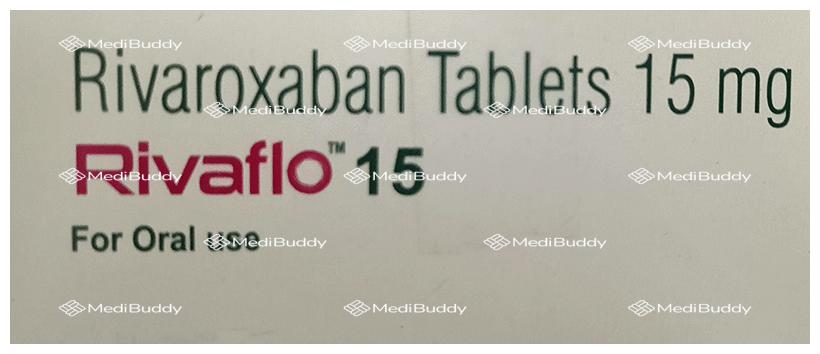
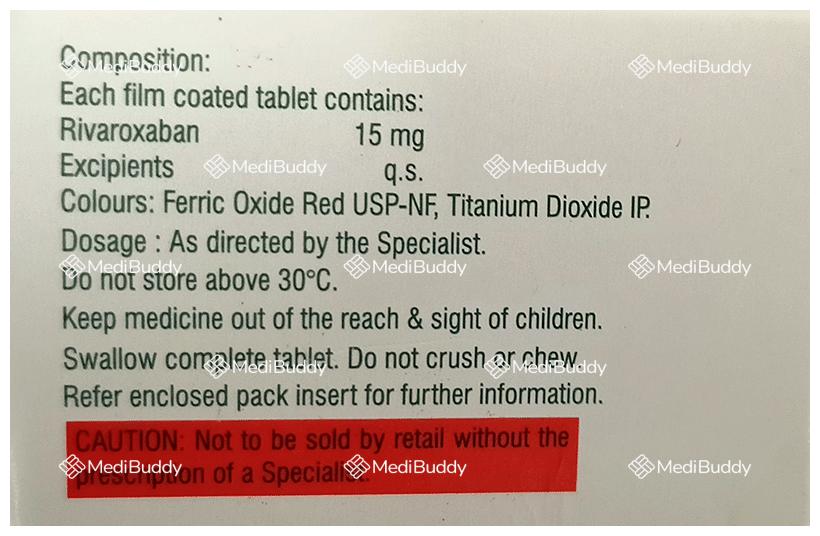
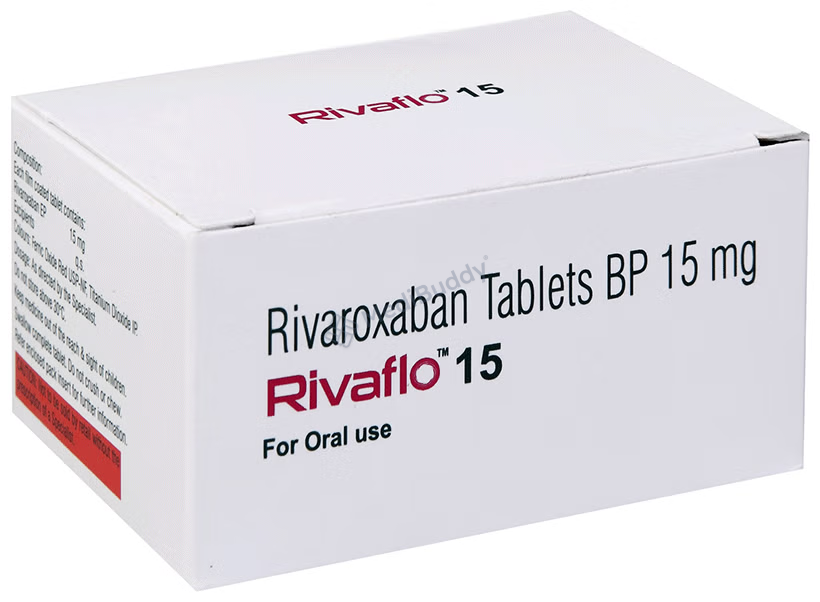
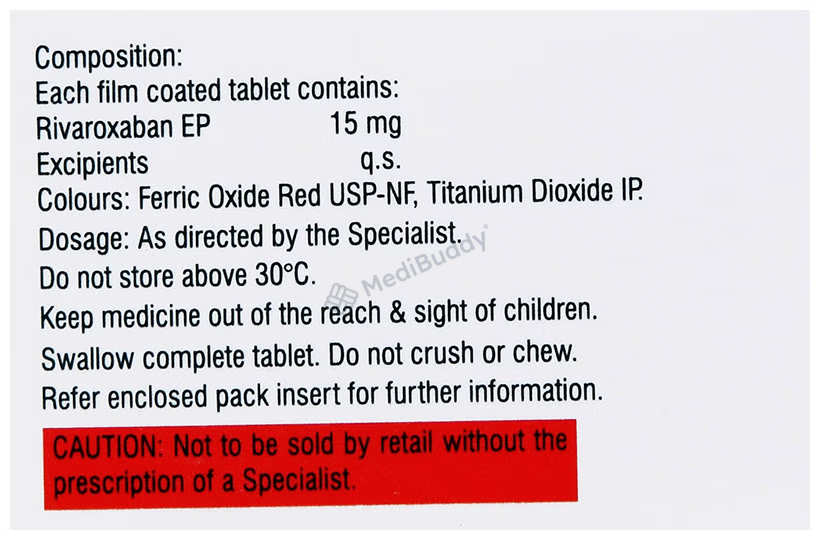
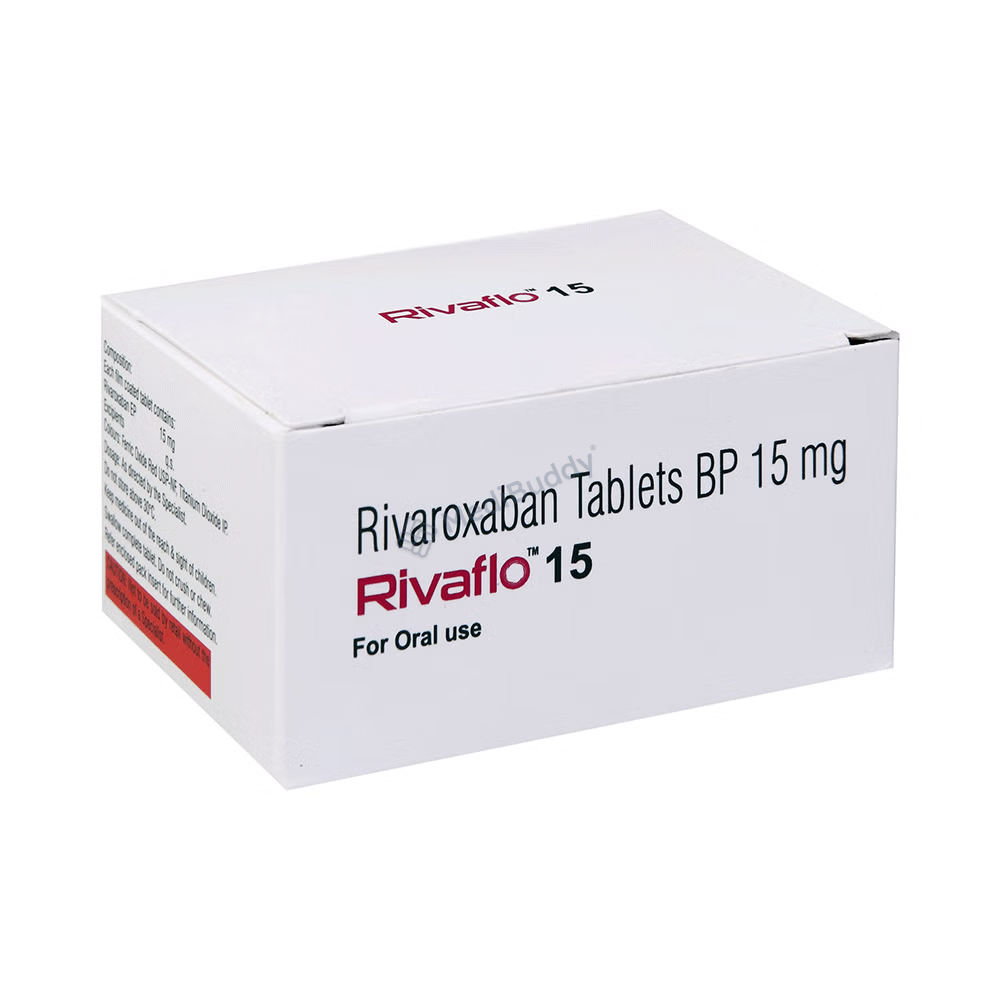
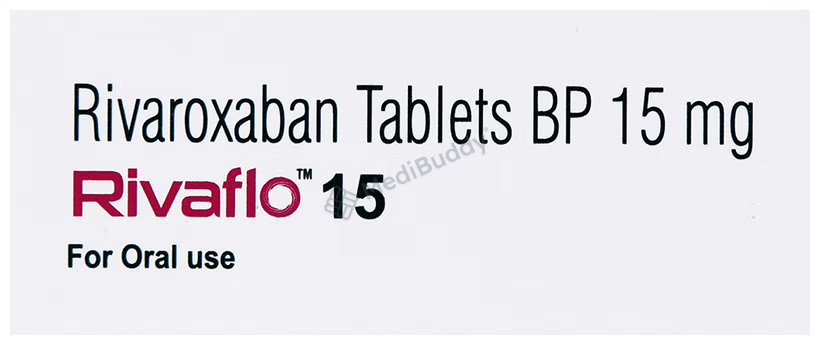

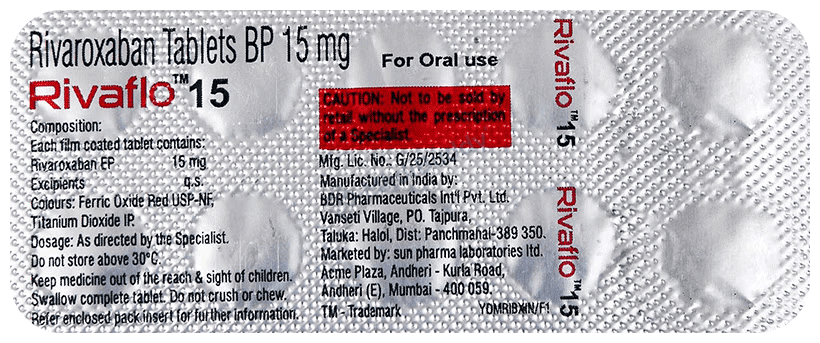
Rivaflo 15 Tablet
By Rivaflo
Rx
10 Tablet in a Strip

Composition
Rivaroxaban(15mg)

Manufacturer - Sun Pharmaceutical Industries Ltd
Plot no 107/108,Namli block , Ranipool, East Sikkim 737135

Expires on or after
April, 2028
About Rivaflo 15 Tablet
Rivaflo 15 Tablet is classified as an anticoagulant or blood thinner medication. It is utilized to prevent and treat blood clots within the body. Specifically, it is employed to diminish the likelihood of experiencing a stroke or heart attack. This tablet is effective in preventing and managing clot formation in various parts of the body such as the veins in your legs, lungs, brain, and heart.
Individuals with irregular heart rhythms, like atrial fibrillation, commonly use Rivaflo 15 Tablet to prevent clot formation. Moreover, it helps in reducing the risk of clot development in individuals who have undergone knee or hip replacement surgeries. It can be taken with or without food but should be consumed at the same time each day for optimal results. In some cases, patients may need to take this medication for an extended period, possibly for life. It is crucial not to discontinue the medication or modify the dosage without consulting a healthcare provider as doing so could increase the risk of heart attacks, strokes, or thrombosis (blood clot formation within a vessel).
A notable side effect of Rivaflo 15 Tablet is increased susceptibility to bleeding, leading to symptoms like nosebleeds or bruising. In case of such symptoms, it is important to promptly notify your doctor. This medication should not be taken by individuals with severe kidney or liver issues, active bleeding, or those taking other blood-thinning medications. Moreover, breastfeeding is not advised while using Rivaflo 15 Tablet. Unlike some other anticoagulants, routine blood tests (PT-INR) are not necessary during its use.
Rivaflo 15 Tablet, containing the active ingredient Rivaroxaban, falls under the category of anticoagulants or blood thinners. It is mainly prescribed to prevent and manage deep vein thrombosis and pulmonary embolism by inhibiting the production of clotting factors. Deep vein thrombosis involves the formation of blood clots in the deep veins, often in the legs, while pulmonary embolism occurs when a blood clot obstructs the arteries in the lungs. The mechanism of Rivaroxaban involves impeding the conversion of soluble protein fibrinogen to insoluble protein fibrin, thereby averting the formation of blood clots.
It is essential to take Rivaflo 15 Tablet as per the prescription provided by your doctor, and the duration of treatment will vary based on individual medical conditions. Possible side effects may include bleeding, anemia, and nausea, with most of these effects resolving over time. However, persistence of side effects warrants consultation with a healthcare professional. Individuals allergic to Rivaflo 15 Tablet or any components should inform their doctor, and pregnant or breastfeeding individuals should seek medical advice before using the medication. Patients with stomach ulcers, kidney or liver ailments, high blood pressure, or bleeding issues should disclose their medical history to their healthcare provider before initiating treatment. If there are concerns regarding pregnancy or breastfeeding, immediate discussion with a doctor is recommended.
Benefits
Rivaflo 15 Tablet offers several benefits in the treatment and prevention of blood clots. As an anticoagulant medication, Rivaflo 15 Tablet plays a crucial role in stopping blood clots from enlarging, enabling the body to dissolve them gradually. By blocking a specific substance involved in blood clotting, this medication ensures that the blood flows smoothly throughout the body, reducing the risk of clot formation within blood vessels. Rivaflo 15 Tablet helps in preventing strokes, pulmonary embolism (clots in the lungs), and thrombosis (clots in other blood vessels). Moreover, it minimizes the chances of clot fragments breaking off and traveling to other parts of the body.
Furthermore, Rivaflo 15 Tablet, classified as an anticoagulant or blood thinner, effectively works to prevent and treat conditions like deep vein thrombosis and pulmonary embolism by reducing the formation of blood clots. The medication functions by inhibiting the production of clotting factors through the suppression of vitamin K activity. This mechanism prevents the conversion of soluble protein fibrinogen to insoluble protein fibrin, ultimately hindering the formation of blood clots.
It is important to take Rivaflo 15 Tablet regularly and adopt appropriate lifestyle changes to maximize its effectiveness. By incorporating this medication into your treatment regimen as prescribed by your healthcare provider, you can experience the valuable benefits of blood clot prevention and management offered by Rivaflo 15 Tablet.
How to use the Rivaflo 15 Tablet
When using Rivaflo 15 Tablet, it is essential to follow your doctor's instructions regarding the dose and duration of the medication. Swallow the tablet whole with a glass of water; do not chew, crush, or break it. You can take Rivaflo 15 Tablet with or without food, but it is recommended to take it at the same time each day. Your physician will determine the appropriate dose for you based on factors such as your age, weight, and medical condition. It's important not to discontinue the use of Rivaflo 15 Tablet unless specifically advised by your doctor. Following these guidelines will help ensure the safe and effective use of this medication.
Uses of Rivaflo 15 Tablet
Rivaflo 15 Tablet is used for the treatment and prevention of blood clots. It is primarily effective in preventing blood clots and treating conditions such as deep vein thrombosis (DVT), pulmonary embolism (PE), and venous thromboembolism (VTE). Additionally, Rivaflo 15 Tablet is useful in reducing the risk of stroke, systemic embolism in nonvalvular atrial fibrillation, recurrence of DVT or PE, major cardiovascular events in patients with coronary artery disease (CAD), and major thrombotic vascular conditions in patients with peripheral artery disease (PAD). This medication can also help prevent DVT in patients who have undergone knee or hip replacement surgery, VTE in acutely ill medical patients, and thrombosis in children aged 2 years and older with congenital heart disease post the Fontan procedure.
What conditions Rivaflo 15 Tablet treats?
Rivaflo 15 Tablet is commonly used to treat deep vein thrombosis, which is when blood clots form in the deep veins of the legs. This condition can cause symptoms like leg pain and swelling. Additionally, Rivaflo 15 Tablet is used for pulmonary embolism, a condition where blood clots break free and travel to the lungs, often originating from the legs or other body parts. Symptoms of pulmonary embolism may include cough, chest pain, and shortness of breath.
Should you consult a doctor?
If you are taking Rivaflo 15 Tablet, it is important to seek medical attention immediately under certain conditions. Contact your doctor if you experience excessive bleeding. Do not take this medication if you have conditions that may increase the risk of serious bleeding, such as a stomach ulcer, recent brain or eye surgery, or a history of stroke with bleeding or blood clot in the brain. Seek medical advice if you have had a lacunar or ischemic stroke in the past month.
Before starting Rivaflo 15 Tablet, inform your doctor if you have a history of bleeding disorders, antiphospholipid syndrome, or stomach/bowel diseases that may lead to bleeding. Also, disclose if you have retinopathy or if you weigh less than 60 kg. Contact your doctor if you need to undergo surgery while taking this medication. It is important to communicate any relevant medical conditions to your healthcare provider to ensure the safe and effective use of Rivaflo 15 Tablet.
Side effects of Rivaflo 15 Tablet
Rivaflo 15 Tablet may cause side effects, although most do not require immediate medical attention and tend to fade as your body gets used to the medication. It is essential to consult your doctor if the following side effects persist or if you have concerns.
Bleeding is a common side effect of Rivaflo 15 Tablet and may present as bleeding in various parts of the body, including the brain, joints, stomach, gums, nose, or eyes, as well as skin bruising and gum bleeding. Other related symptoms may include anemia, low platelet count, or allergic reactions like hives and skin rashes. Additionally, unexplained weakness, rapid heartbeat, dry mouth, or fainting could occur. Severe bleeding symptoms may include coughing up blood, oozing of blood from surgical wounds, or accumulation of blood in the groin after certain procedures.
In more severe cases, immediate medical attention is required if you experience bleeding inside the brain, excessive bleeding, weakness, chest pain, abnormal swelling, or black tar-like stools. Other serious side effects that warrant immediate action include severe skin reactions such as intense rash or blisters, severe allergic reactions like facial swelling or breathing difficulties, and spinal or epidural blood clots. Muscle weakness, tingling, bowel or bladder incontinence, and numbness are also potential side effects that require attention. If you encounter any of these severe side effects, it is crucial to discontinue Rivaflo 15 Tablet and contact your doctor immediately for proper evaluation and management.
Safety advice

liver
When it comes to the safety of using Rivaflo 15 Tablet with liver disease, it is important to note that this medication is likely unsafe for individuals with liver issues. It is strongly advised to avoid using Rivaflo 15 Tablet if you have liver disease. To ensure your safety and well-being, please consult your doctor before considering this medication.

kidney
Rivaflo 15 Tablet requires caution in patients with kidney disease. It may need dose adjustment, so consult your doctor. Not recommended for severe kidney disease.

alcohol
Caution is advised when drinking alcohol with Rivaflo 15 Tablet. Consult your doctor for guidance.

driving
Caution while driving is advised when taking Rivaflo 15 Tablet. Side effects like dizziness or fainting may impair driving ability.

pregnancy
Rivaflo 15 Tablet is not recommended for use during pregnancy due to potential harmful effects on the developing baby, as seen in animal studies. Your doctor will assess the benefits and risks before prescribing. Kindly consult your doctor.

breastfeeding
Rivaflo 15 Tablet may not be safe to use while breastfeeding. Minimal human data indicates potential transfer of the drug into breastmilk, possibly causing harm to the infant.
Age above 75(Geriatrics)
Rivaflo 15 Tablet should be used with caution in elderly patients (aged above 75 years). Consult your doctor before taking Rivaflo 15 Tablet.
Age below 6 months(Pediatrics)
Rivaflo 15 Tablet is not studied and is not recommended for use in children less than 6 months of age who were less than 37 weeks of growth at birth, had less than 10 days of oral feeding, or weigh 2.6 kg. Rivaflo 15 Tablet is not recommended for use in children with moderate to severe kidney disease. Consult your doctor before taking Rivaflo 15 Tablet.
Consumption warning before consuming Rivaflo 15 Tablet
Before consuming Rivaflo 15 Tablet, it is important to be cautious, especially when considering its use in children. Prolonged usage of this medication may lead to hair loss. It is recommended to undergo regular blood tests while using Rivaflo 15 Tablet to monitor blood clotting time and platelet levels. If you have a known allergy to Rivaflo 15 Tablet or any other medications, inform your healthcare provider. For individuals who are pregnant or breastfeeding, consultation with a doctor prior to using Rivaflo 15 Tablet is advised. Additionally, if you have existing conditions such as stomach ulcers, kidney or liver issues, high blood pressure, or bleeding disorders, it is important to disclose these to your doctor before initiating treatment with Rivaflo 15 Tablet. In case of pregnancy or breastfeeding, immediate discussion with your healthcare provider is recommended.
Disease interactions
When taking Rivaflo 15 Tablet, it is important to use caution if you have kidney, liver, or bleeding issues, heart problems, or unstable blood pressure. Patients with these conditions should be monitored closely while using Rivaflo 15 Tablet to ensure their safety and well-being. If you have any of these medical conditions, make sure to discuss them with your healthcare provider before starting Rivaflo 15 Tablet to minimize the risk of any potential interactions or complications.
What if you forgot to take Rivaflo 15 Tablet?
If you forget to take a dose of Rivaflo 15 Tablet, don't worry. Just take it as soon as you remember, unless it's nearly time for your next dose. In that case, simply skip the missed dose and resume your normal dosing schedule. It is important not to take a double dose to make up for the missed one. Maintaining a consistent dosage routine is crucial for the effectiveness of your treatment.
What happens if you take overdose of Rivaflo 15 Tablet?
If someone takes more than the prescribed amount of Rivaflo 15 Tablet, it is important to seek medical help right away. Consult your doctor or go to the nearest hospital if you or someone else has taken too much of this medication. An overdose of Rivaflo 15 Tablet can lead to symptoms such as bleeding. It is crucial to act promptly in case of an overdose to ensure proper medical attention is received.
Related lab tests
Related Lab Tests:
When taking Rivaflo 15 Tablet, there are certain lab tests that may be relevant to monitor specific aspects of your health. These tests can help your healthcare provider assess how well the medication is working and monitor for any potential issues that may arise. Some related lab tests include:
1. D-dimer blood test: This test measures the levels of a substance called D-dimer in your blood, which can indicate the presence of blood clots in your body. It is often used to help diagnose or monitor conditions such as deep vein thrombosis (DVT) or pulmonary embolism.
2. Duplex ultrasound: This imaging test uses sound waves to create images of the blood flow in your veins. It is commonly used to evaluate for blood clots in the deep veins of the legs, known as DVT.
3. Venography: This imaging test involves injecting a contrast dye into a vein to visualize the blood flow and detect any blockages or abnormalities. It is sometimes used to confirm the presence of blood clots in the veins.
4. Magnetic resonance imaging (MRI) scan: An MRI scan uses powerful magnets and radio waves to create detailed images of the inside of your body. It can be helpful in detecting blood clots or other abnormalities in the blood vessels.
These related lab tests play an important role in monitoring your health while taking Rivaflo 15 Tablet. Your healthcare provider may recommend one or more of these tests based on your individual medical history and treatment plan. It is essential to follow your healthcare provider's recommendations for lab testing to ensure the safe and effective use of Rivaflo 15 Tablet.
Additional Information
| Habit Forming | No |
| Chemical Class | Morpholine & thiophene derivative |
| Therapeutic Class | CARDIAC |
| Action Class | Oral Factor Xa Inhibitors |
FAQs
Disclaimer
The information provided on this website is to the best of our abilities to ensure it is accurate, reliable, and reviewed by a team of professionals. It should not be used to diagnose, prevent, or cure any health problem. The information presented here is not intended to create a doctor-patient relationship or replace a registered medical practitioner's advice, diagnosis, or treatment. The absence or provision of any information or warning regarding any medicine should not be assumed as an implied or explicit assurance of safety or efficacy. We highly recommend consulting your registered medical practitioner for all queries or doubts related to your medical condition. Do not ignore professional medical advice or delay seeking it based on the content encountered on our website. We intend to support, not replace, the doctor-patient relationship.
₹287.3
₹338
15% OFF
Inclusive of all taxes
Content verified by

Dr. Gowri Kulkarni
MBBS - General Medicine, DNB - Psychiatry, MRCGP [INT] Family Medicine, BSIC (BACP)
Last update on 27-Sep-2024

Health
Hospitalisation
Download the Medibuddy App


