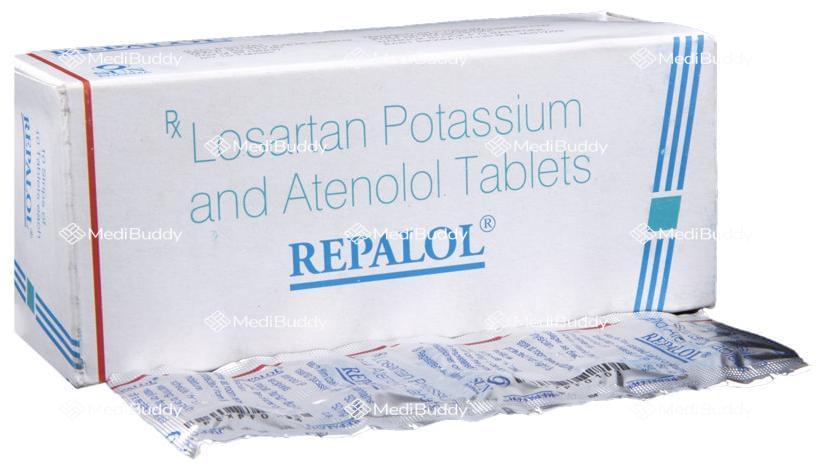
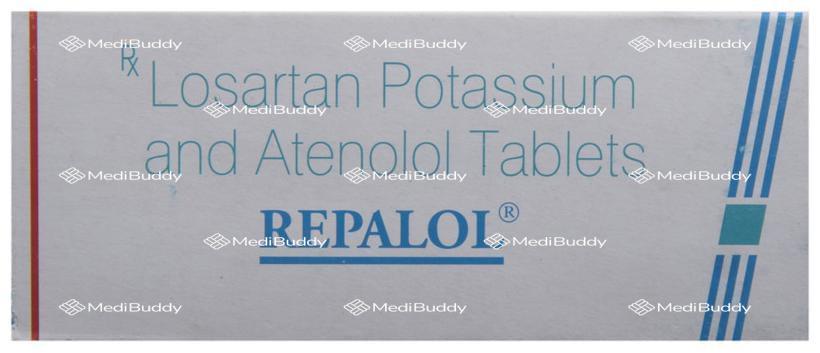
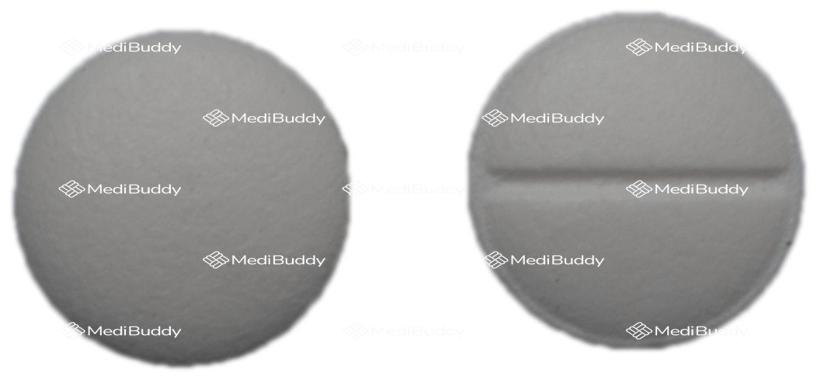
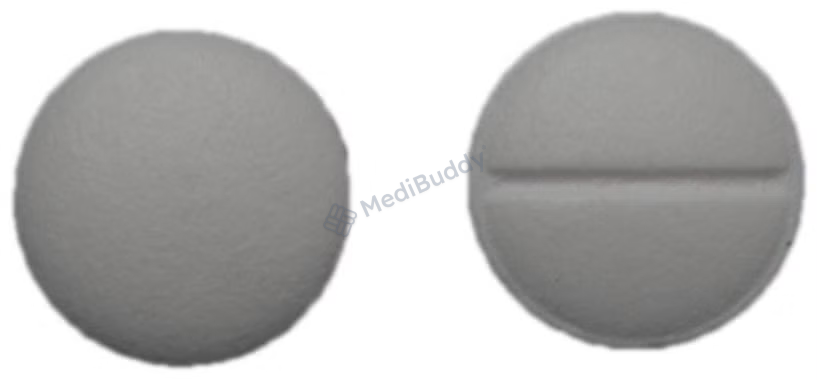
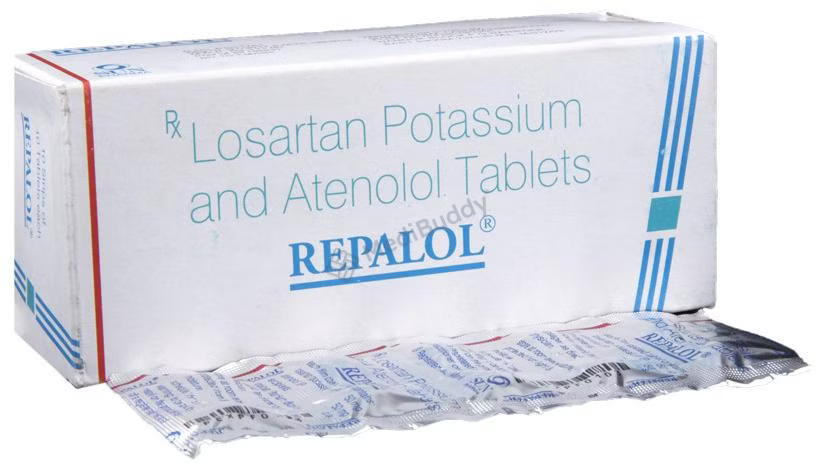
Repalol Tablet
By Repalol
Rx
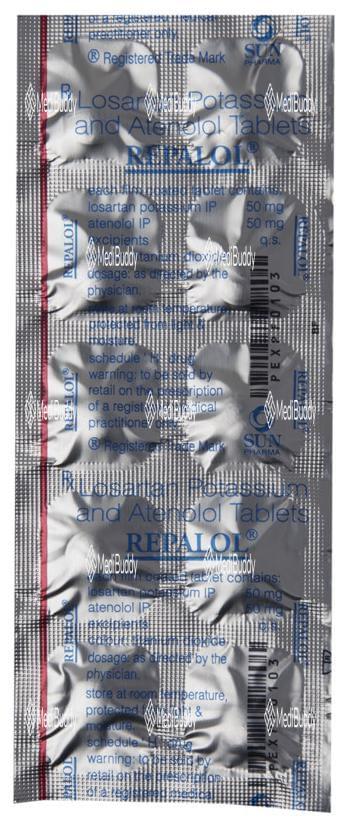
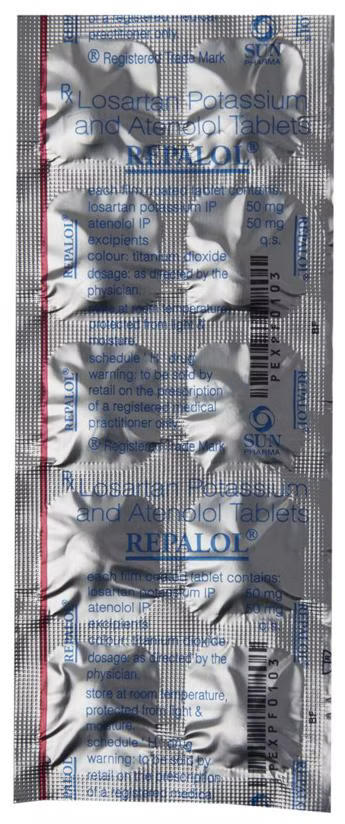
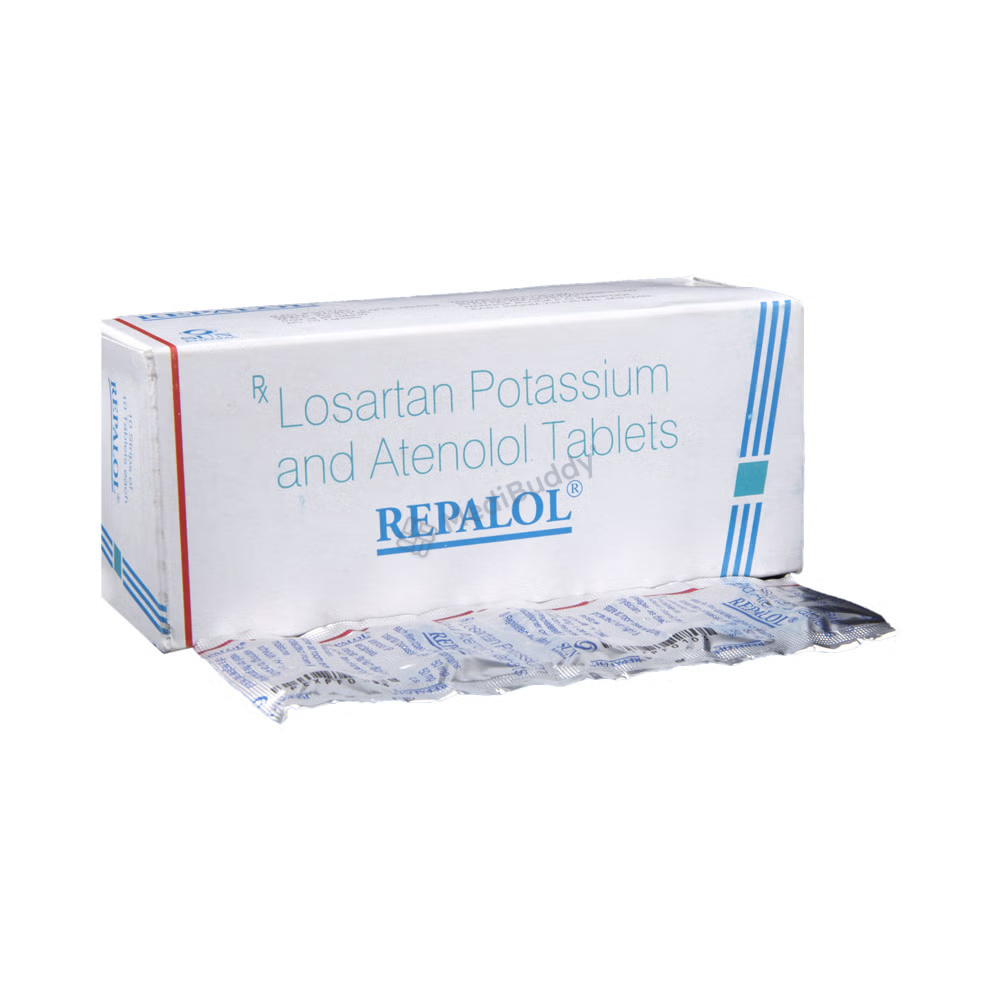
10 Tablet in a Strip

Composition
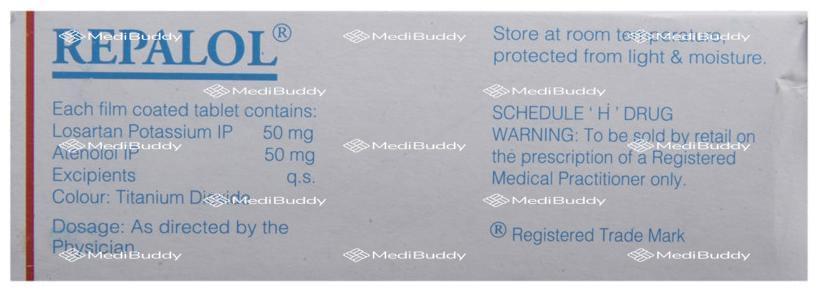
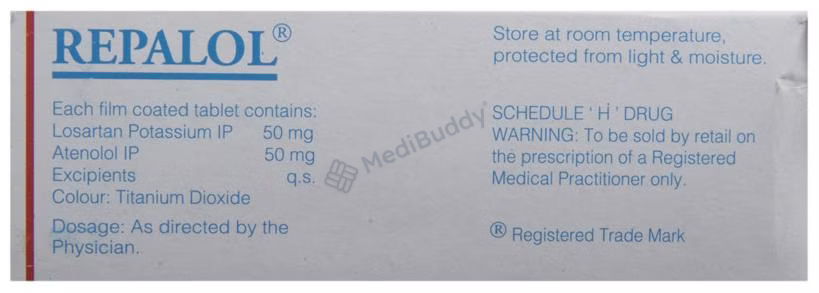
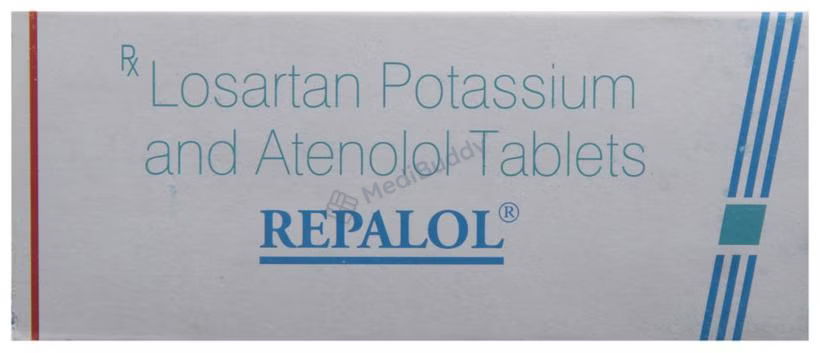
Atenolol(50mg) + Losartan(50mg)

Manufacturer - Sun Pharmaceutical Industries Ltd
Plot no 107/108,Namli block , Ranipool, East Sikkim 737135

Expires on or after
April, 2027
About Repalol Tablet
Repalol Tablet is a medication used to treat hypertension, commonly known as high blood pressure. It is a combination of two drugs, Losartan and Atenolol, which work together to help regulate blood pressure. Hypertension is a chronic condition where the pressure of blood against the artery walls is elevated, possibly leading to serious health issues like heart disease, stroke, and kidney problems.
Losartan, an angiotensin II receptor blocker, functions by blocking the hormone angiotensin II, which helps to prevent blood vessels from narrowing. This action leads to the lowering of blood pressure and enhances overall blood flow. On the other hand, Atenolol, a beta-blocker, works by obstructing stress hormones like adrenaline and epinephrine, thus slowing down the heart rate. Together, these two components assist in reducing high blood pressure levels, diminishing the risk of future heart attacks or strokes.
It is essential to follow the prescribed dosage of Repalol Tablet as instructed by your doctor to effectively manage your condition. Even if you feel better, do not discontinue the medication without consulting your healthcare provider as hypertension often shows no symptoms. Incorporating regular exercise, maintaining a healthy weight, and following a balanced diet are also crucial in managing blood pressure. Be sure to heed your doctor's guidance throughout the course of treatment.
Some common side effects of Repalol Tablet may include nausea, changes in taste, constipation, diarrhea, and headaches. If these side effects persist or worsen, it is advisable to seek advice from your doctor. Dizziness may occur due to a decrease in blood pressure, which typically improves over time. Additionally, there is a possibility of increased potassium levels in the blood, so it's recommended to avoid foods and supplements rich in potassium.
Before starting Repalol Tablet, inform your doctor about any existing liver or kidney conditions. Pregnant or breastfeeding women should seek medical advice before using this medication. It is also important to disclose all other medications you are taking, especially those targeted at managing high blood pressure or heart-related conditions. Regular monitoring of blood pressure, liver functions, and electrolyte levels, such as potassium, is essential to ensure the medication's efficacy and your overall well-being.
Benefits
Repalol Tablet is a medication used to treat hypertension (high blood pressure) by relaxing the blood vessels, allowing for easier blood flow throughout the body. It works by blocking certain chemicals that affect the heart and blood vessels, resulting in a slower heart rate and reduced force of heartbeats. By effectively lowering blood pressure, this medication helps reduce the risk of potential serious conditions such as stroke, heart attack, and kidney problems in the future. Repalol Tablet contains a combination of two active ingredients, Losartan and Atenolol. Losartan acts on angiotensin II, a hormone that narrows blood vessels, thus improving blood flow and lowering blood pressure. Additionally, Losartan offers kidney protection for those with kidney disease and diabetes. Atenolol, on the other hand, works by blocking stress hormones like adrenaline and epinephrine, which helps in slowing down heart rate. This combined action of the two components makes Repalol Tablet an effective treatment for hypertension, decreasing the likelihood of heart-related issues and improving overall cardiovascular health. It is important to take this medication regularly as prescribed by your healthcare provider to experience its full benefits and to maintain optimal blood pressure levels. Remember not to discontinue its use without consulting your doctor to ensure your condition remains under control.
How to use the Repalol Tablet
When using Repalol Tablet, it is important to follow your doctor's instructions carefully. Take the tablet in the dose and for the duration prescribed by your doctor. Swallow the tablet whole with a glass of water. Do not crush, chew, or break the tablet. You can take Repalol Tablet with or without food, but try to take it at the same time each day for best results.
It is crucial not to adjust the dosage or stop taking Repalol Tablet without consulting your doctor first. Your doctor will determine the right dose and duration of treatment based on factors such as your age, body weight, and the specific condition being treated. Following your doctor's guidance will help ensure the effectiveness of the medication and reduce the risk of any potential side effects. If you have any questions or concerns about how to use Repalol Tablet, always reach out to your doctor for clarification.
Uses of Repalol Tablet
'Repalol Tablet' is commonly used for treating hypertension, also known as high blood pressure. It helps in managing and controlling high blood pressure levels in individuals. By effectively addressing hypertension, this tablet plays a crucial role in promoting heart health and reducing the risk of related complications. It is important to follow the prescribed dosage and instructions when using Repalol Tablet to maximize its benefits in managing hypertension.
What conditions Repalol Tablet treats?
Hypertension, or high blood pressure, happens when the force of blood flow is too strong against the walls of the blood vessels. This condition can lead to serious health problems like heart disease, stroke, and kidney issues. Monitoring blood pressure levels is crucial, with ideal readings falling between 90/60 mm Hg and 120/80 mm Hg. Systolic pressure represents the force of blood when the heart contracts, while diastolic pressure is the heart at rest. Persistent high blood pressure can cause chest pain, heart attacks, brain damage, and kidney failure.
Should you consult a doctor?
It is important to seek medical advice before taking Repalol Tablet if you have certain medical conditions. Do not use this medication if you have metabolic acidosis, untreated phaeochromocytoma, primary hyperaldosteronism, diabetes-related kidney problems, anuria, or blood circulation issues. Before starting Repalol Tablet, consult your doctor if you have thyrotoxicosis, severe dehydration, or if you are scheduled for surgery. Seeking medical guidance in these situations is crucial to ensure your safety and well-being while using this medication.
Side effects of Repalol Tablet
When taking Repalol Tablet, some side effects may occur. These effects usually do not require medical attention and may go away as your body gets used to the medicine. However, it is essential to consult your doctor if these side effects persist or cause concern. Common side effects of Repalol Tablet include nausea, taste changes, constipation, diarrhea, headaches, weakness, dizziness, cold extremities, upset stomach, increased potassium levels in the blood, slow heart rate, and numbness in the extremities. Additional side effects may include trouble sleeping, rapid heartbeat, muscle weakness, skin rash, cough, swelling, tiredness, dizziness, orthostatic hypotension (feeling dizzy when changing position), vertigo, hyperkalemia (high blood potassium levels), low blood sugar symptoms, anemia, cold hands and feet, dry mouth and eyes, mood changes, confusion, hair thinning, impotence, vision changes, tingling or numbness, jaundice, inflamed blood vessels, and severe allergic reactions such as swelling of the face, lips, or throat. Remember to stop taking Repalol Tablet and contact your doctor immediately if you experience severe allergic reactions or any of these side effects. Your doctor can provide guidance on managing these effects and may adjust your treatment if needed.
Safety advice

liver
When using Repalol Tablet, caution is advised for patients with liver disease. It may be necessary to adjust the dose of the medication, so consulting with your doctor is important. Patients with severe liver disease are not recommended to use Repalol Tablet.

kidney
Caution should be taken when using Repalol Tablet in patients with kidney disease. Dosage adjustment may be necessary, so consult your doctor. Regular blood pressure monitoring is advised for more accurate dosage management.

alcohol
It is not safe to drink alcohol while taking Repalol Tablet. Follow this advice to ensure your safety.

driving
When taking Repalol Tablet, you may experience decreased alertness, vision changes, drowsiness, or dizziness. Avoid driving if these symptoms arise.

pregnancy
Repalol Tablet is not safe during pregnancy due to the risk it poses to the developing baby. In life-threatening situations, a doctor might prescribe it with caution, weighing benefits against risks. Consult your doctor before use.

breastfeeding
Caution Repalol Tablet is likely unsafe for breastfeeding as limited data suggests it may pass into breastmilk and harm the baby.
Age above 75(Geriatrics)
Repalol Tablet should be used with caution in elderly patients especially in those who have problems in their kidney. Therefore, consult your doctor before taking it.
Age below 6 months(Pediatrics)
Repalol Tablet is not recommended for use in children and adolescents (below 18 years). Therefore, consult your doctor before taking it.
Consumption warning before consuming Repalol Tablet
Before consuming Repalol Tablet , it's crucial to note a few important warnings. Firstly, if you have an allergy to Repalol Tablet or any of its components, avoid taking it. Individuals with diabetes, kidney, or liver issues should notify their doctor before using this medication. Pregnant women are advised against using Repalol Tablet due to the presence of atenolol, a pregnancy category D drug that can harm the unborn baby, especially in the later stages of pregnancy. It's vital for pregnant or breastfeeding women to seek medical advice prior to using this medication. Additionally, it is not recommended to consume alcohol while taking Repalol Tablet as it can elevate the risk of low blood pressure. Likewise, potassium supplements should be avoided to prevent increased potassium levels in the blood. To ensure safety and effectiveness, regular blood tests and blood pressure monitoring are advised during the course of Repalol Tablet treatment.
What if you forgot to take Repalol Tablet?
If you forget to take a dose of Repalol Tablet, try to take it as soon as you can. But if it's close to the time for your next scheduled dose, it's best to skip the missed dose and resume your normal dosing schedule. Avoid taking a double dose to make up for the missed one. It's important to stay consistent with your medication routine to ensure the best effectiveness of Repalol Tablet.
What happens if you take overdose of Repalol Tablet?
In the event that you or someone you know has taken too much Repalol Tablet unintentionally, it is important to seek immediate medical advice from a healthcare professional. An overdose of Repalol Tablet may lead to potentially serious effects such as low blood pressure, reduced heart rate, and bronchospasm, which is the constriction of the airways. It is crucial to act promptly and consult a doctor if an overdose is suspected to prevent any further complications.
Related lab tests
Related Lab Tests:
When taking Repalol Tablet, it is important to monitor your kidney function through specific lab tests. Kidney function tests are essential to assess how well your kidneys are working and if there are any signs of potential issues. These tests can help determine if the medication is impacting your kidneys in any way. Some common related lab tests include:
1. Serum Creatinine Test: This test measures the level of creatinine in your blood, a waste product produced by your muscles and excreted by the kidneys. Elevated creatinine levels can indicate potential kidney damage.
2. Blood Urea Nitrogen (BUN) Test: The BUN test measures the amount of nitrogen in your blood that comes from urea, another waste product filtered by the kidneys. Abnormal levels can suggest kidney problems.
3. Glomerular Filtration Rate (GFR): This test calculates how well your kidneys are filtering waste from your blood and is crucial in assessing overall kidney function.
4. Urinalysis: This test examines your urine for abnormalities such as proteins, blood, or infections, which can indicate kidney issues.
Regular monitoring of these kidney function tests while taking Repalol Tablet can help ensure the medication is safe for your kidneys and detect any potential problems early on. It is important to follow your healthcare provider's recommendations for these lab tests to maintain good kidney health.
Additional Information
| Habit Forming | No |
| Chemical Class | - |
| Therapeutic Class | CARDIAC |
| Action Class | - |
FAQs
Disclaimer
The information provided on this website is to the best of our abilities to ensure it is accurate, reliable, and reviewed by a team of professionals. It should not be used to diagnose, prevent, or cure any health problem. The information presented here is not intended to create a doctor-patient relationship or replace a registered medical practitioner's advice, diagnosis, or treatment. The absence or provision of any information or warning regarding any medicine should not be assumed as an implied or explicit assurance of safety or efficacy. We highly recommend consulting your registered medical practitioner for all queries or doubts related to your medical condition. Do not ignore professional medical advice or delay seeking it based on the content encountered on our website. We intend to support, not replace, the doctor-patient relationship.
₹172
Inclusive of all taxes
Content verified by

Dr. Preeti Kumar
MBBS, DGO - Obstetrics and Gynaecology, DNB - Obstetrics and Gynaecology
Last update on 01-Oct-2024


