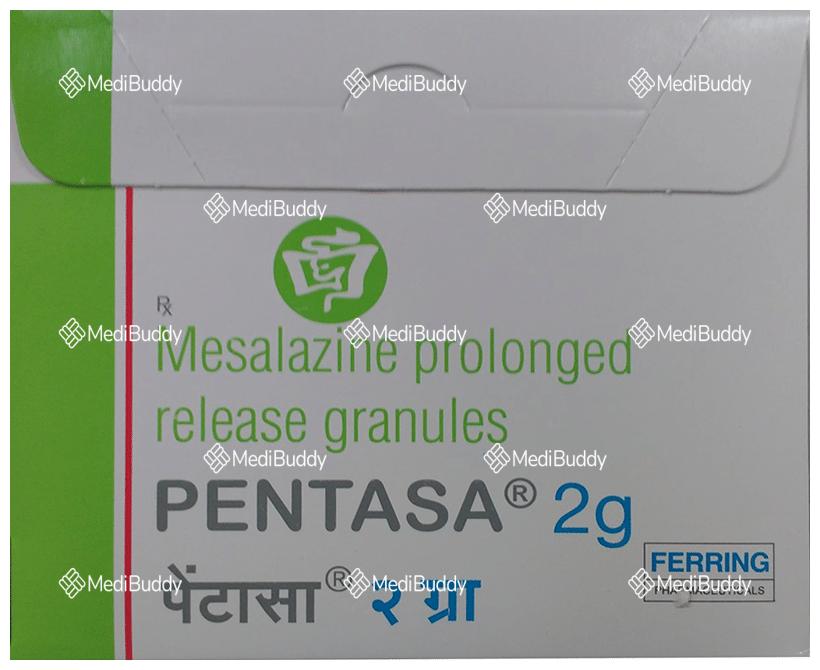
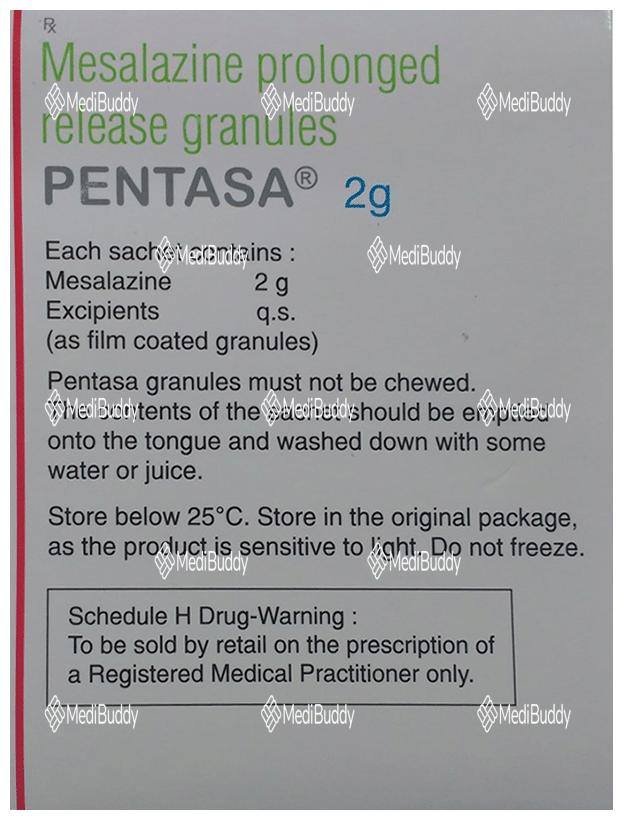
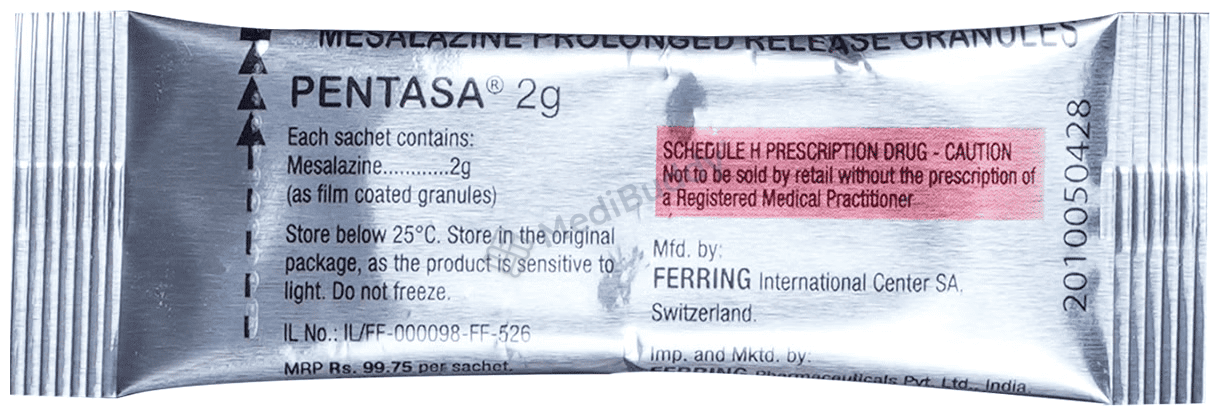
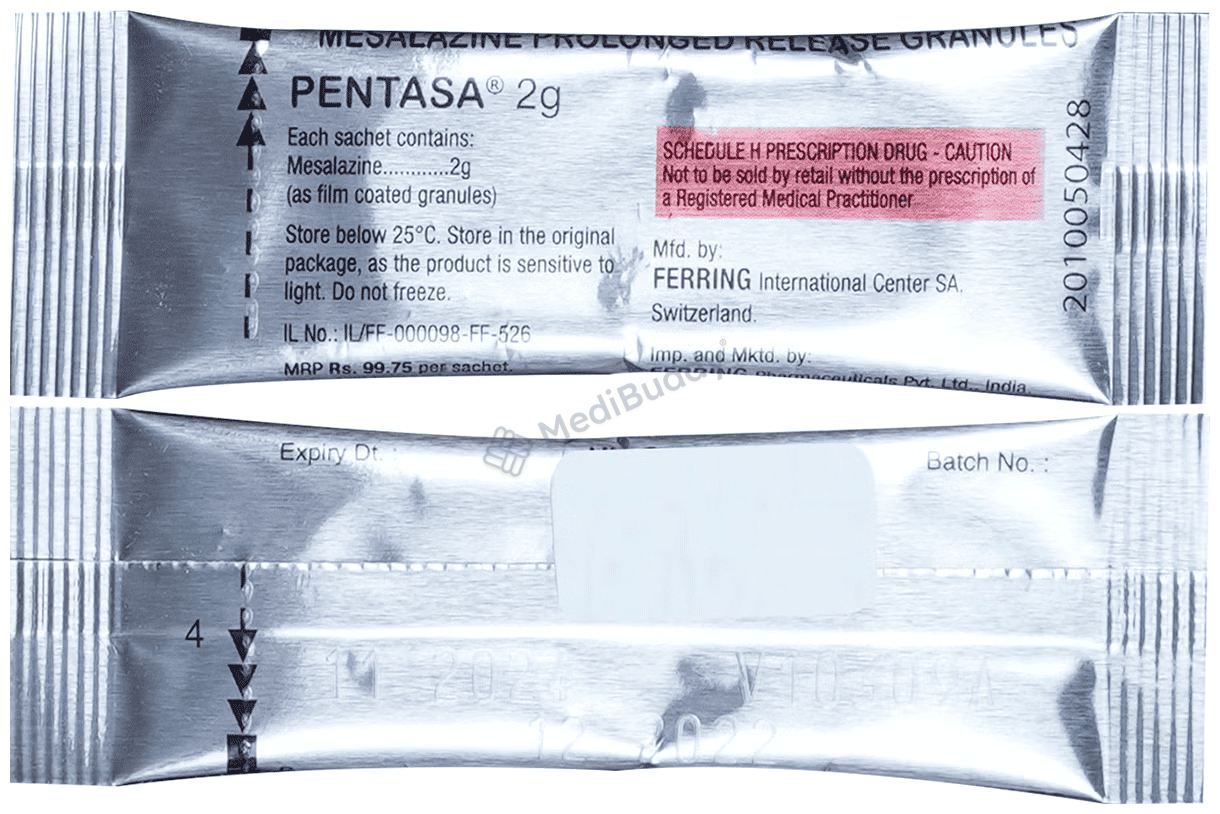
Pentasa 2gm Prolonged Release Granules
By Pentasa
Rx
2gm Granules in a Sachet

Composition
Mesalazine(2gm)

Manufacturer - Ferring Pharmaceuticals
K-28/1, ADDITIONAL MIDC , ANAND NAGAR , AMBERNATH - 421506 , INDIA

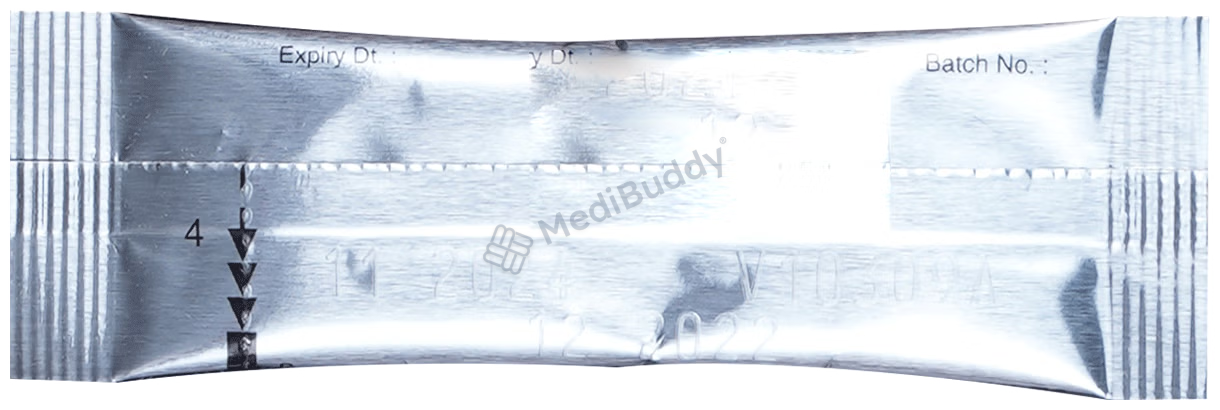
Expires on or after
January, 2027
About Pentasa 2gm Prolonged Release Granules
Pentasa 2gm Prolonged Release Granules is a medication used to treat ulcerative colitis, which is a type of bowel disease that causes inflammation of the large intestine lining, leading to symptoms like diarrhea, bleeding, and stomach pain. It can also be used for Crohn’s ileocolitis, another form of bowel disease. This medicine works by reducing inflammation in the bowel, thereby alleviating symptoms such as stomach pain and bleeding.
It is important to take Pentasa 2gm Prolonged Release Granules with food as prescribed by your doctor. The dosage will vary based on your specific condition, so it is crucial to follow your doctor's instructions precisely. Continuing the treatment for the duration recommended by your doctor is essential to prevent the return of symptoms and worsening of your condition if treatment is stopped prematurely.
Common side effects of Pentasa 2gm Prolonged Release Granules may include nausea, diarrhea, stomach pain, headache, itching, flatulence, and vomiting. If these side effects become bothersome or persistent, it is important to inform your doctor. In some cases, a severe allergic reaction may occur, necessitating immediate medical attention. Symptoms of a serious allergic reaction include swelling of the face, tongue, throat, or lips, unusual bleeding or bruising, rash, fever, sore throat, or excessive tiredness.
Before taking Pentasa 2gm Prolonged Release Granules, inform your doctor if you have kidney or liver problems, a stomach blockage, or are pregnant or breastfeeding. It is also crucial to disclose all other medications you are currently taking, as they may interact with Pentasa 2gm Prolonged Release Granules.
Pentasa 2gm Prolonged Release Granules contains Mesalazine, which belongs to a class of drugs known as anti-inflammatory drugs used to treat ulcerative colitis and Crohn’s disease. Mesalazine works by inhibiting the production of certain chemical substances that cause pain and swelling, thereby reducing inflammation in the intestines and providing relief from symptoms like stomach pain and bleeding.
It is important to use Pentasa 2gm Prolonged Release Granules only as prescribed by your doctor for the recommended duration based on your medical condition. If any side effects persist or worsen, consult your doctor promptly. People allergic to Mesalazine or with severe kidney failure should avoid taking Pentasa 2gm Prolonged Release Granules. Pregnant or breastfeeding individuals should consult their healthcare provider before starting this medication. Additionally, the use of Pentasa 2gm Prolonged Release Granules in children should be determined by a doctor, with tablets not recommended for children under two years old and granules not recommended for those under six years old.
Benefits
Pentasa 2gm Prolonged Release Granules offer notable benefits in managing Ulcerative colitis and Crohn’s disease. In Ulcerative colitis, which affects the large intestine and rectum causing symptoms like bleeding, frequent diarrhea, and abdominal pain, Pentasa helps to alleviate these discomforts. By reducing inflammation and preventing flare-ups, Pentasa assists in keeping symptoms at bay. Regular intake of Pentasa is crucial to maximize its effectiveness, and staying well hydrated is recommended while on this medication.
Moreover, Pentasa 2gm Prolonged Release Granules are beneficial for treating Crohn’s disease, a long-term inflammatory condition of the intestines. Common symptoms of Crohn’s disease include abdominal pain and diarrhea, which Pentasa effectively helps to alleviate by reducing inflammation in the intestines. By inhibiting the production of inflammatory substances, such as prostaglandins, Pentasa works to ease symptoms and prevent their recurrence.
Containing Mesalazine, an anti-inflammatory agent, Pentasa Sachet 2 gm targets the root cause of the pain and swelling associated with these conditions. By modulating chemical reactions responsible for inflammation, Pentasa provides relief from stomach pain, bleeding, and other symptoms, promoting overall well-being. Additionally, Pentasa may also help in preventing future episodes of ulcerative colitis, highlighting its value in long-term management.
In summary, Pentasa 2gm Prolonged Release Granules offer multiple benefits for individuals dealing with Ulcerative colitis and Crohn’s disease, providing relief from symptoms, reducing inflammation, and aiding in the prevention of disease recurrence. It is essential to adhere to the prescribed regimen and stay adequately hydrated while using Pentasa to maximize its therapeutic effects and enhance quality of life for those affected by these conditions.
How to use the Pentasa 2gm Prolonged Release Granules
To use Pentasa 2gm Prolonged Release Granules, follow your doctor's instructions on dosage and duration. Before using, carefully read the label for directions. Empty the granules into a glass of water or milk, then stir and consume the mixture right away. You can take Pentasa with or without food, but it's recommended to take it at the same time every day for best results.
For the tablet form of Pentasa, swallow it whole with a glass of water, as instructed by your doctor. Avoid crushing, chewing, or breaking the tablet to ensure the proper release of the medication.
When using the granules, pour the contents directly onto your tongue and follow up with water or orange juice. Another option is to mix the granules with yogurt and consume the mixture immediately, without chewing on the granules.
If you are prescribed Pentasa pellets, refer to the label for specific directions and take them according to your doctor's advice.
Always consult your healthcare provider for the correct usage of Pentasa to achieve the best possible outcomes for your condition.
Uses of Pentasa 2gm Prolonged Release Granules
Pentasa 2gm Prolonged Release Granules are commonly used in the treatment of Ulcerative colitis and Crohn’s disease. Ulcerative colitis is a type of inflammatory bowel disease that causes inflammation and ulcers in the digestive tract. On the other hand, Crohn’s disease is a chronic condition that causes inflammation deep within the lining of the digestive tract.
In the case of Ulcerative colitis, Pentasa 2gm Prolonged Release Granules help to reduce inflammation in the colon and rectum, leading to a decrease in symptoms such as abdominal pain, diarrhea, and rectal bleeding. These granules work by releasing the active ingredient, mesalazine, slowly and consistently throughout the digestive tract, targeting the inflamed areas directly.
Similarly, in Crohn’s disease, Pentasa 2gm Prolonged Release Granules play a crucial role in managing symptoms by reducing inflammation in the gastrointestinal tract. The gradual release of mesalazine from the granules helps to treat the flare-ups associated with Crohn’s disease, such as abdominal pain, diarrhea, and fatigue. By acting locally in the gut, Pentasa assists in controlling inflammation and improving the overall quality of life for individuals living with these conditions.
What conditions Pentasa 2gm Prolonged Release Granules treats?
Pentasa 2gm Prolonged Release Granules are used to treat ulcerative colitis, a chronic inflammatory bowel disease that causes inflammation and ulcers in the large intestine. This condition manifests through symptoms such as bloody stools, stomach pain, diarrhea, and weight loss. Factors like immune disorders, environmental triggers, and genetic predisposition can contribute to the development of ulcerative colitis. It is essential to manage this condition effectively to alleviate symptoms and improve the patient's quality of life.
Should you consult a doctor?
Seek medical attention if you experience severe allergic reactions such as swelling of the face, tongue, throat, or lips, unusual bleeding, bruising, rash, fever, sore throat, or excessive tiredness. Contact your doctor immediately if you notice these symptoms. Additionally, consult your doctor if common side effects like stomach pain, flatulence, headache, vomiting, diarrhea, nausea, or abdominal pain persist or worsen. Inform your doctor about any kidney or liver problems, stomach blockages, or if you are pregnant or breastfeeding. It is important to seek medical advice before continuing Pentasa treatment, especially if you have concerns about the side effects or their impact on your health.
Side effects of Pentasa 2gm Prolonged Release Granules
When taking Pentasa 2gm Prolonged Release Granules, some side effects may occur. These side effects are usually mild and temporary, as your body gets used to the medication. Common side effects include stomach pain or epigastric pain, flatulence (gas), headache, vomiting, diarrhea, nausea, abdominal pain, and rash. If these side effects persist or concern you, consult your doctor for advice. It is important to be aware of these possible side effects and seek medical guidance if needed.
Safety advice

liver
When using Pentasa 2gm Prolonged Release Granules, it is important to be cautious if you have liver disease. Patients with liver issues may require a dose adjustment while taking Pentasa 2gm Prolonged Release Granules. It is advisable to consult your doctor before starting or adjusting the dosage of this medication.

kidney
Pentasa 2gm Prolonged Release Granules require caution in patients with kidney disease. Dosage adjustment may be necessary. Avoid use in severe kidney disease. Consult your doctor.

alcohol
Caution is advised when using alcohol with Pentasa 2gm Prolonged Release Granules. Consult your doctor.

driving
When taking Pentasa 2gm Prolonged Release Granules, it typically doesn't impact your driving ability.

pregnancy
Pentasa 2gm Prolonged Release Granules may not be safe to use during pregnancy. Limited human studies show potential harm to the developing baby, based on animal studies. Your doctor will assess risks and benefits before prescribing. Please consult your doctor.

breastfeeding
Pentasa 2gm Prolonged Release Granules are likely unsafe during breastfeeding. Limited data shows it may pass into breastmilk and harm the baby. If using, monitor the baby for diarrhea.
Consumption warning before consuming Pentasa 2gm Prolonged Release Granules
Before consuming Pentasa 2gm Prolonged Release Granules, it is crucial to consider certain factors. If you have allergies to Mesalazine or any other medications, inform your doctor. Caution is advised when using Pentasa Sachet 2 gm in the elderly. If you are pregnant or breastfeeding, consult your doctor before taking Pentasa. For children under two years old, Mesalazine tablets are not recommended, and for children under six years old, granules are not advisable unless prescribed by a doctor. Avoid Pentasa 2 gm if you suffer from severe kidney failure. Some individuals may experience severe skin reactions like toxic epidermal necrolysis or Stevens-Johnson syndrome while taking Pentasa; if these occur, seek immediate medical attention. Stop using Pentasa 2 gm and consult a doctor if you experience stomach pain, cramps, severe headache, fever, or rash. Lastly, do not take Pentasa 2 gm if you have previously had blood abnormalities or kidney issues from other medications like Sulphasalazine.
Disease interactions
When taking Pentasa Sachet 2 gm, it is important to inform your doctor if you have certain medical conditions. These conditions include a stomach ulcer, asthma or other lung problems, or any medical condition that can cause bleeding. Additionally, it is crucial to let your doctor know if you have liver, kidney, or blood problems before starting Pentasa therapy. by discussing your medical history with your doctor, you can ensure a safe and effective treatment plan tailored to your specific needs.
What if you forgot to take Pentasa 2gm Prolonged Release Granules?
If you forget to take a dose of Pentasa 2gm Prolonged Release Granules, try to take it as soon as you remember. But if it's close to the time for your next scheduled dose, it's better to skip the missed one and wait for the next dose. Remember, do not take a double dose to make up for the missed one. It's important to stick to your regular dosing schedule to ensure the medication works effectively.
Related lab tests
When taking Pentasa 2gm Prolonged Release Granules, it is important to monitor certain lab tests to ensure the medication is working effectively and to watch for any possible side effects. Some related lab tests to consider are Anti Neutrophilic Cytoplasmic Antibody (ANCA) test, which may be used to detect certain autoimmune disorders, and Anti Saccharomyces Cerevisiae (ASCA) IgA and IgG tests, which can help in diagnosing inflammatory bowel diseases. Another important test is the C-Reactive Protein Quantitative test, which measures inflammation levels in the body and can be useful in monitoring the response to treatment. Additionally, the Erythrocyte Sedimentation Rate test can also help in evaluating inflammation and is commonly used in various conditions. Regular monitoring of these lab tests can provide valuable information about the effectiveness and safety of Pentasa 2gm Prolonged Release Granules treatment.
Additional Information
| Habit Forming | No |
| Chemical Class | Aminosalicylic Acids Derivative |
| Therapeutic Class | - |
| Action Class | 5- Aminosalicylic acid (5-ASA) |
FAQs
Disclaimer
The information provided on this website is to the best of our abilities to ensure it is accurate, reliable, and reviewed by a team of professionals. It should not be used to diagnose, prevent, or cure any health problem. The information presented here is not intended to create a doctor-patient relationship or replace a registered medical practitioner's advice, diagnosis, or treatment. The absence or provision of any information or warning regarding any medicine should not be assumed as an implied or explicit assurance of safety or efficacy. We highly recommend consulting your registered medical practitioner for all queries or doubts related to your medical condition. Do not ignore professional medical advice or delay seeking it based on the content encountered on our website. We intend to support, not replace, the doctor-patient relationship.
₹94.27
₹104.74
10% OFF
Inclusive of all taxes
Content verified by

Dr. Gowri Kulkarni
MBBS - General Medicine, DNB - Psychiatry, MRCGP [INT] Family Medicine, BSIC (BACP)
Last update on 11-Feb-2025


