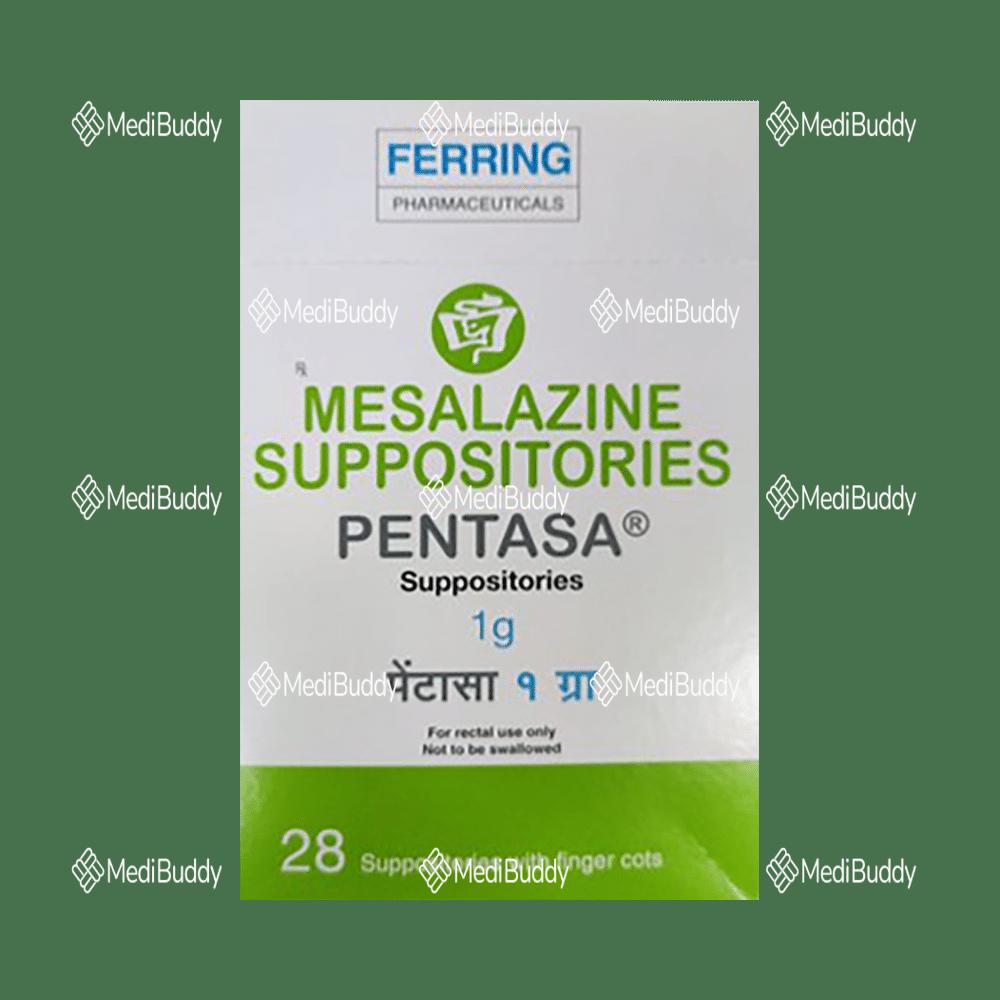
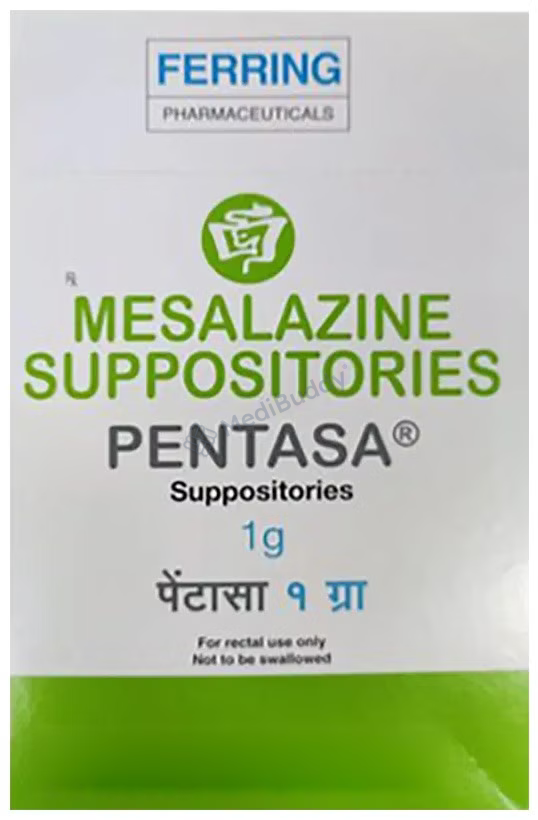
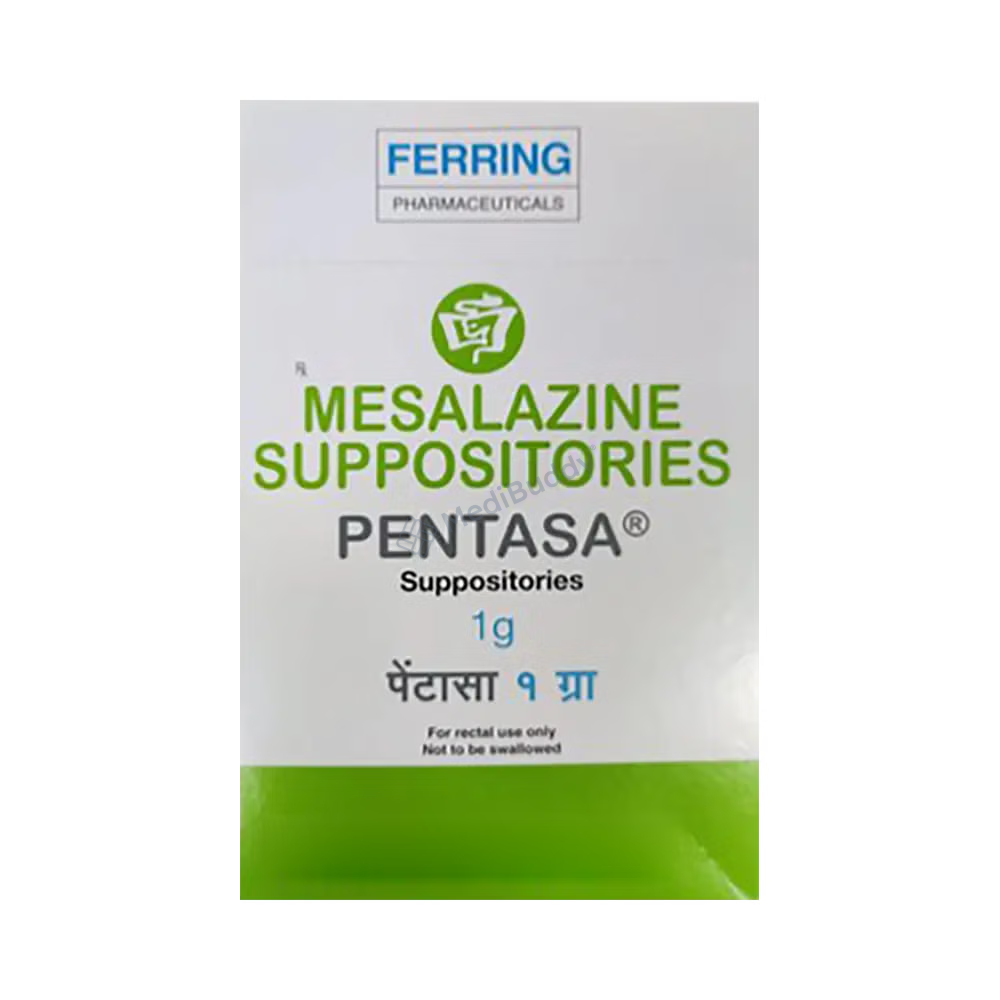
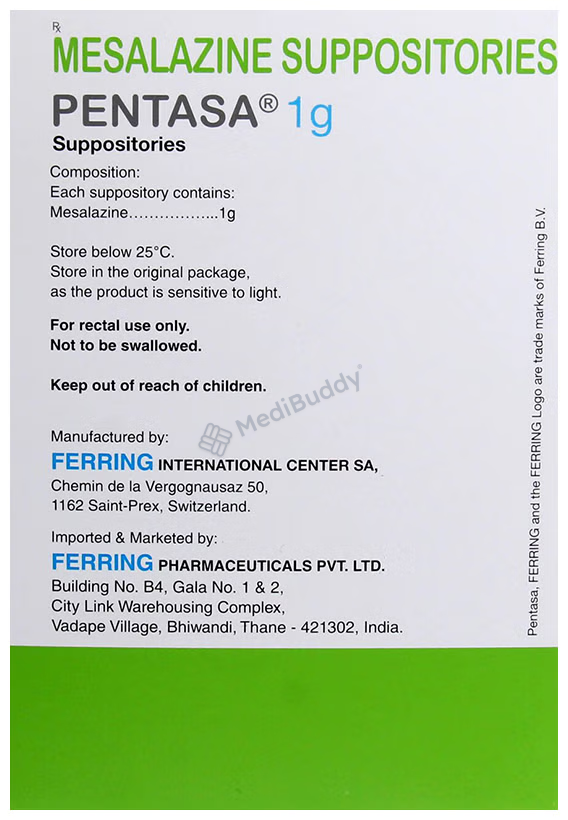
Pentasa 1gm Suppository

By Pentasa

Rx

7suppositories Suppository in a Packet

Composition icon

Composition

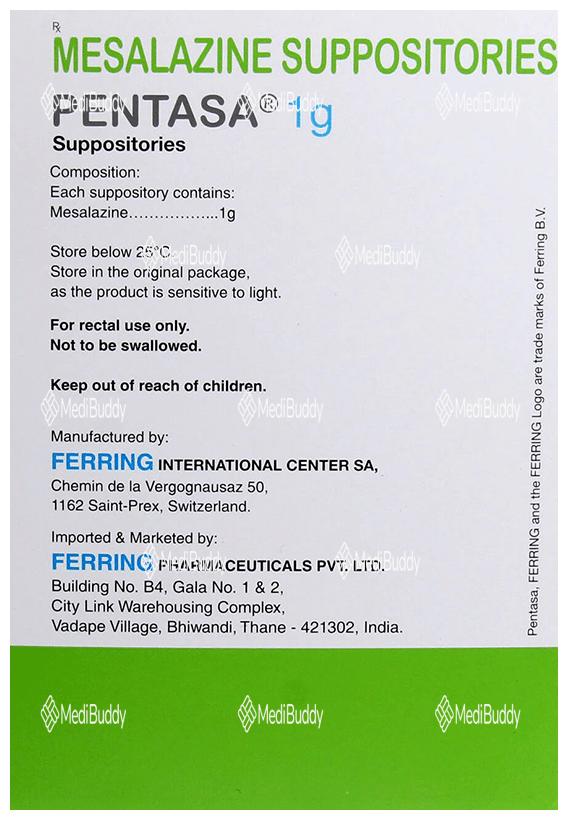
Mesalazine(1gm)

Manufacturer - Ferring Pharmaceuticals icon

Manufacturer - Ferring Pharmaceuticals

K-28/1, ADDITIONAL MIDC , ANAND NAGAR , AMBERNATH - 421506 , INDIA

Expires on or after icon

Expires on or after

July, 2026

About Pentasa 1gm Suppository

Pentasa 1 gm Suppository 7's is a type of anti-inflammatory medication specifically formulated to address ulcerative colitis, a form of inflammatory bowel disease that affects the large intestine's lining. This condition can lead to ulcers in the colon, resulting in symptoms like bleeding and the discharge of pus and mucus. For cases where ulcerative colitis is confined to the rectum, known as ulcerative proctitis, Pentasa 1 gm Suppository 7's is an effective treatment designed for rectal use.

The active ingredient in Pentasa 1 gm Suppository 7's is Mesalazine, which acts by inhibiting the production of certain chemicals that cause inflammation and pain, such as prostaglandins. By reducing inflammation in the intestines, Pentasa helps alleviate symptoms like stomach pain and bleeding associated with ulcerative colitis. It is important to follow the prescribed dosage instructions provided by your doctor to experience the intended therapeutic effects of the medication.

Like any medication, Pentasa 1 gm Suppository 7's may cause side effects, including diarrhoea, stomach pain, headache, or nausea. Most of these side effects are usually mild and tend to diminish over time. However, if these effects persist or become bothersome, it is advisable to consult your healthcare provider for further guidance. It is crucial to inform your doctor about any known allergies to Mesalazine, aspirin, or other medications, especially if you are pregnant, breastfeeding, or have underlying medical conditions such as kidney or liver issues.

Individuals with severe kidney failure, blood abnormalities, or kidney problems caused by certain medications like Sulphasalazine should avoid using Pentasa 1 gm Suppository 7's. Furthermore, the medication is not recommended for individuals allergic to Mesalamine, salicylates, or sulphasalazine, and caution should be exercised in those with specific medical conditions. It's essential to communicate openly with your healthcare team about your medical history and any other medications you are taking to ensure safe and effective treatment with Pentasa 1 gm Suppository 7's.


Benefits

Pentasa 1gm Suppository offers significant benefits in the treatment of ulcerative colitis, a condition that inflames the large intestine and rectum, causing discomfort such as bleeding, frequent diarrhea, and abdominal pain. This medication contains Mesalazine, an anti-inflammatory drug that effectively targets the root cause of these symptoms. By inhibiting the production of substances like prostaglandins responsible for pain and swelling, Pentasa 1gm Suppository alleviates inflammation in the intestines, providing relief from discomfort and the risk of bleeding associated with ulcerative colitis.


One of the key advantages of Pentasa 1gm Suppository is its targeted delivery system through rectal administration, ensuring direct application to the affected area. This method proves particularly beneficial when symptoms of ulcerative colitis impact the rectum. By regularly using Pentasa 1gm Suppository as prescribed, individuals can experience reduced inflammation, alleviation of stomach pain, and prevention of further episodes of ulcerative colitis, leading to an improved quality of life. It is essential to complement the treatment with an adequate intake of fluids to maintain hydration levels while maximizing the effectiveness of the medication.


How to use the Pentasa 1gm Suppository

To properly use Pentasa 1gm Suppository, start by emptying your bowels if needed and washing your hands thoroughly. Then, lie down on your left side and raise your right knee to your chest. Remove the wrapper from the suppository and gently insert the pointed end into your rectum. If necessary, you can use petroleum jelly to lubricate the tip for easier insertion. After placing the suppository, remain lying down for approximately 15 minutes to prevent it from coming out before it melts effectively.


Remember, always follow your doctor's instructions on how to use Pentasa 1gm Suppository. This medication is specifically designed for rectal use. Before administration, empty your bowels if required and wash your hands properly. Shake the bottle containing the suppository foam for at least 30 seconds. Remove the protective cap from the applicator and hold the bottle by its top end. While lying on your left side with your left leg extended and right leg bent, insert the applicator into the rectum with a gentle squeeze on the bottle directed towards your navel. Allow the drug to disperse in the lower large intestine for a minimum of 30 minutes to maximize its effectiveness. Afterward, wash your hands and wait until the next morning to empty your bowels.


For enema usage, carefully follow your doctor's guidance. Shake the enema bottle well and remove the protective shield from the tip. Position yourself by lying on your left side, raising your right knee to your chest, or kneeling and leaning forward for comfort. Insert the enema bottle into the rectum with the tip facing towards your navel and gently squeeze the bottle to empty its contents. Once done, remove the bottle, wash your hands thoroughly, and follow any additional instructions provided by your healthcare provider.


By adhering to these steps and guidelines, you can effectively and safely use Pentasa 1gm Suppository as prescribed for your condition.


Uses of Pentasa 1gm Suppository

Pentasa 1gm Suppository is primarily used for the treatment of conditions such as Ulcerative colitis and Ulcerative proctitis. These are types of inflammatory bowel disease that cause inflammation and ulcers in the colon and rectum. The suppositories deliver the medication directly to the affected area, helping to reduce inflammation and promote healing. By targeting the specific site of the inflammation, Pentasa 1gm Suppository provides a localized treatment option that can be effective in managing the symptoms of Ulcerative colitis and Ulcerative proctitis. It is important to follow the prescribed dosage and administration instructions provided by a healthcare professional when using Pentasa 1gm Suppository for optimal results in the treatment of these conditions.


What conditions Pentasa 1gm Suppository treats?

Pentasa 1gm Suppository is used to treat ulcerative colitis, a chronic inflammatory bowel disease that causes inflammation and ulcers in the large intestine, resulting in symptoms such as bloody stools, stomach pain, rectal pain, diarrhea, fever, or weight loss. Factors like immune disorders, environmental triggers, and genetic predisposition can contribute to the development of ulcerative colitis. In cases of ulcerative proctitis, the condition specifically affects the rectum.


Should you consult a doctor?

Seek a doctor's advice if you experience persistent side effects while using Pentasa 1gm Suppository, such as rectal discomfort, rash, itching, and fever. Inform your doctor if these symptoms do not improve or worsen. Additionally, consult a healthcare professional if you have kidney or liver issues, a stomach blockage, or concerns about the medication's suitability based on your age. Pregnant or breastfeeding women should also seek medical guidance before using this medicine. It is important to keep your healthcare team informed about all medications you are taking, as interactions may occur. Remember to follow your doctor's instructions regarding the dosage and duration of treatment to prevent a relapse of symptoms. If you have any doubts or questions about Pentasa 1gm Suppository, do not hesitate to seek medical advice to ensure safe and effective usage.


Side effects of Pentasa 1gm Suppository

When using Pentasa 1gm Suppository, you may experience certain side effects, although most of them are mild and tend to go away as your body gets used to the medication. However, if any side effects persist or cause concern, it is advisable to seek advice from your doctor. Common side effects of Pentasa 1gm Suppository include rectal discomfort, flatulence, headache, vomiting, diarrhea, nausea, abdominal pain, and rash. Some users may also experience additional issues such as stomach pain and further episodes of diarrhea. Headaches, nausea, and rashes are other reported side effects that may occur while using this medication.


Safety advice

scroll

liver

Pentasa 1gm Suppository requires caution in individuals with liver disease. It may be necessary to adjust the dosage of Pentasa 1gm Suppository in these cases. It is strongly advised to consult your doctor regarding the use of this medication if you have liver issues.

scroll

kidney

Pentasa 1gm Suppository should be used carefully in patients with kidney disease. The dosage may need to be adjusted, so consult your doctor. It's not advised for use in patients with severe kidney disease.

scroll

alcohol

It is not known if there is any interaction between Pentasa 1gm Suppository and alcohol.

scroll

driving

When using Pentasa 1gm Suppository, there are no known interactions that affect driving. You can drive safely unless you experience any focus or reaction time issues.

scroll

pregnancy

Pentasa 1gm Suppository may not be safe during pregnancy. Animal studies have shown harmful effects on the baby. Your doctor will assess the benefits and risks before prescribing. Please consult your doctor before using it.

scroll

breastfeeding

Pentasa 1gm Suppository is likely unsafe while breastfeeding. Limited data shows it may pass into breastmilk and harm the baby. Monitor the baby for diarrhea if using this medication.


Consumption warning before consuming Pentasa 1gm Suppository

Before using Pentasa 1gm Suppository, it's crucial to notify your doctor if you are allergic to Mesalazine, aspirin, or sulfasalazine. Special caution is advised for the elderly. Pregnant or breastfeeding individuals should also consult their doctor before using this medication. It is important to avoid Pentasa 1gm Suppository if you have severe kidney failure, blood abnormalities, or previous kidney issues while taking other medications like Sulphasalazine. Follow the prescribed dosage and duration as directed by your healthcare provider. Remember, do not swallow the suppository. In case of accidental ingestion, drink plenty of water and seek immediate medical attention.


Disease interactions

When using Pentasa 1gm Suppository, it is essential to inform your doctor if you have kidney impairment. This information is crucial for your safety and to ensure that the treatment is suitable for your condition. Patients with kidney issues may require special monitoring or adjustments in the dosage of Pentasa 1gm Suppository to prevent any potential adverse effects or interactions. By discussing your kidney impairment with your healthcare provider, you can ensure that the treatment plan is tailored to your specific needs and health circumstances.


What if you forgot to take Pentasa 1gm Suppository?

If you forget to use a dose of Pentasa 1gm Suppository, make sure to apply it as soon as you remember. However, if it's close to the time for your next scheduled dose, just skip the missed one and continue with your usual dosing routine. It's vital not to double up on the dose to compensate for the missed one.


Related lab tests

When using Pentasa 1gm Suppository, it may be recommended to have certain lab tests done to monitor your health. These tests can help your healthcare provider assess your body's response to the medication and ensure that it is working effectively for you. The Related Lab Tests to consider may include:


1. Anti Neutrophilic Cytoplasmic Antibody (ANCA) Test: This test helps in detecting the presence of specific antibodies in the blood that are associated with autoimmune disorders like inflammatory bowel disease, which Mesacol is used to treat.


2. C-Reactive Protein Quantitative Test: This blood test measures the level of C-reactive protein in your body, a marker for inflammation. Monitoring this protein can help track the inflammation levels in conditions like ulcerative colitis, for which Mesacol Suppository is prescribed.


3. Erythrocyte Sedimentation Rate (ESR) Test: This test measures how quickly red blood cells settle at the bottom of a tube, which can indicate the presence of inflammation in the body. It can be used to monitor the inflammatory response in conditions such as ulcerative colitis.


By undergoing these lab tests as recommended by your healthcare provider, you can help ensure that Pentasa 1gm Suppository is effectively managing your condition and monitor any potential side effects or complications.


Additional Information

Habit FormingNo
Chemical ClassAminosalicylic Acids Derivative
Therapeutic Class-
Action Class5- Aminosalicylic acid (5-ASA)

FAQs


Disclaimer

The information provided on this website is to the best of our abilities to ensure it is accurate, reliable, and reviewed by a team of professionals. It should not be used to diagnose, prevent, or cure any health problem. The information presented here is not intended to create a doctor-patient relationship or replace a registered medical practitioner's advice, diagnosis, or treatment. The absence or provision of any information or warning regarding any medicine should not be assumed as an implied or explicit assurance of safety or efficacy. We highly recommend consulting your registered medical practitioner for all queries or doubts related to your medical condition. Do not ignore professional medical advice or delay seeking it based on the content encountered on our website. We intend to support, not replace, the doctor-patient relationship.

708.75

787.5

10% OFF

Inclusive of all taxes

Content verified by

chevron-right

Dr. Archana Prabhakar

MBBS, M.Med (Family Medicine)

Last update on 01-Oct-2024