


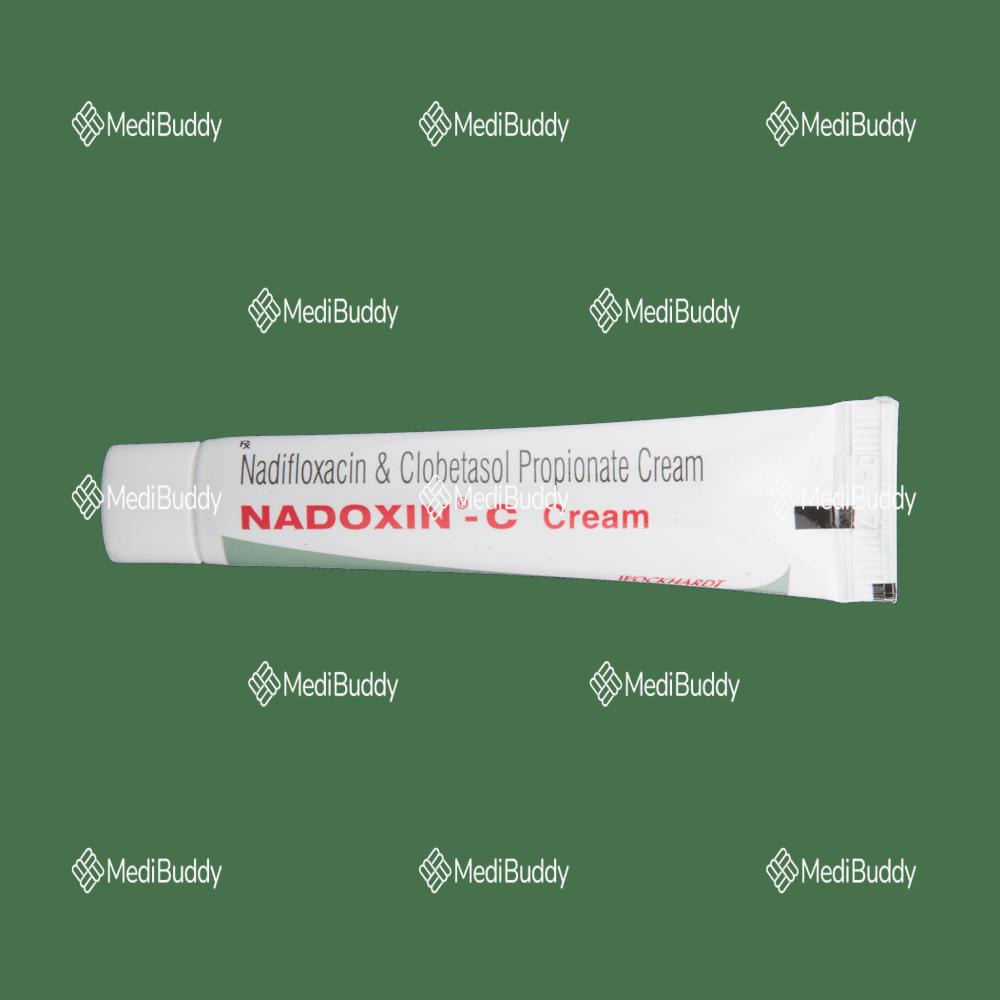

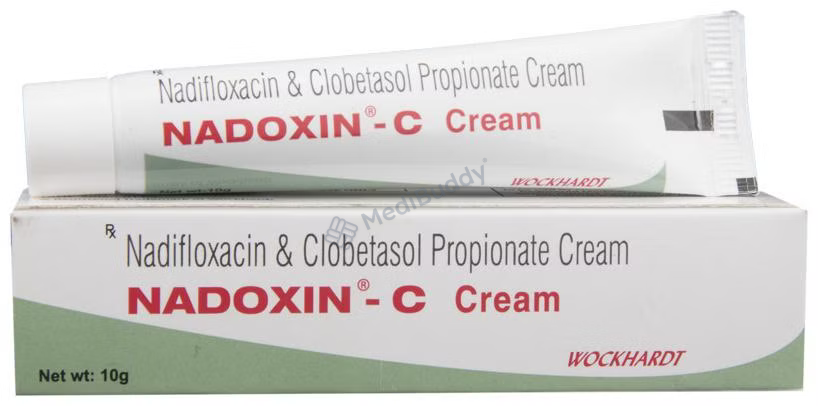
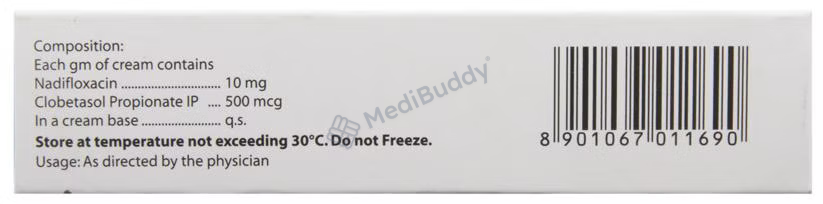
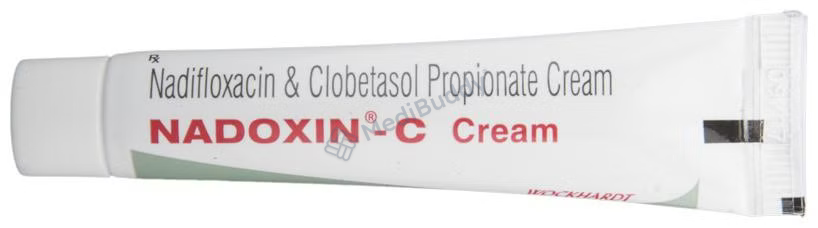
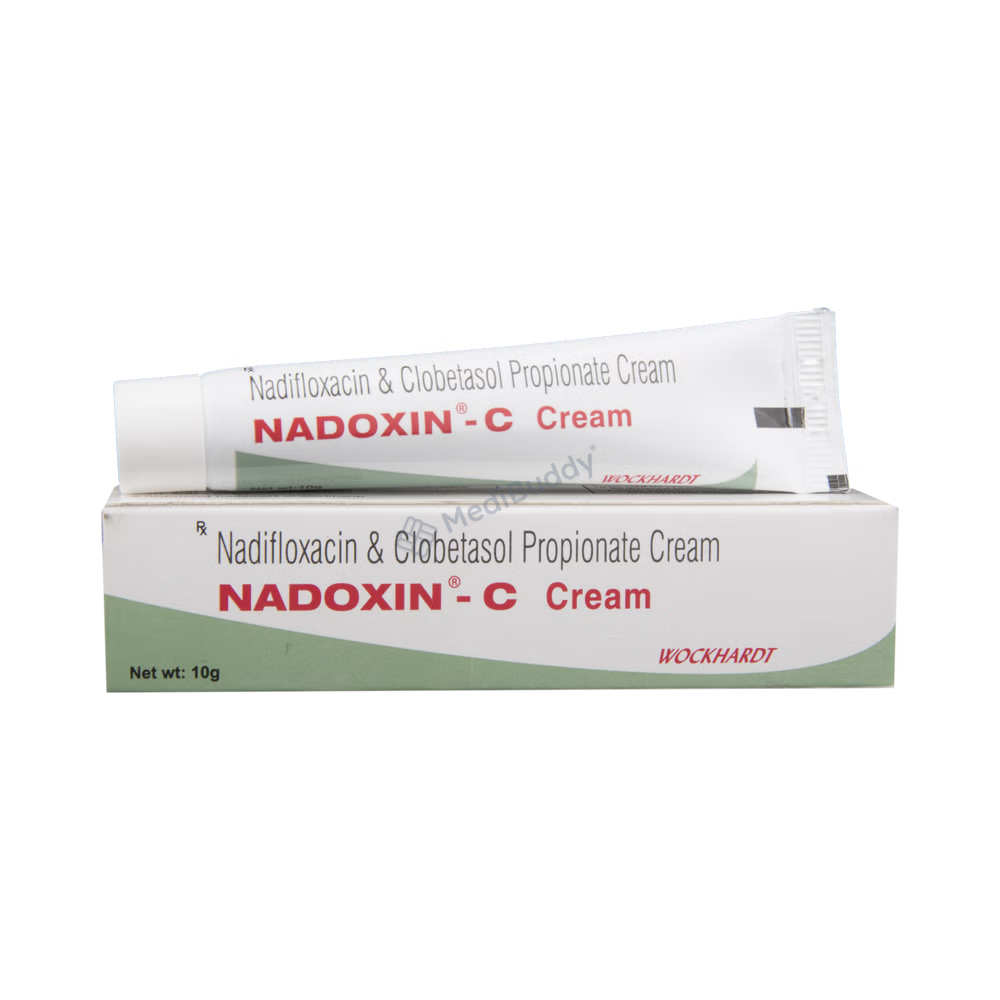
Nadoxin-C Cream
By Nadoxin-C
Rx
10gm Cream in a Tube

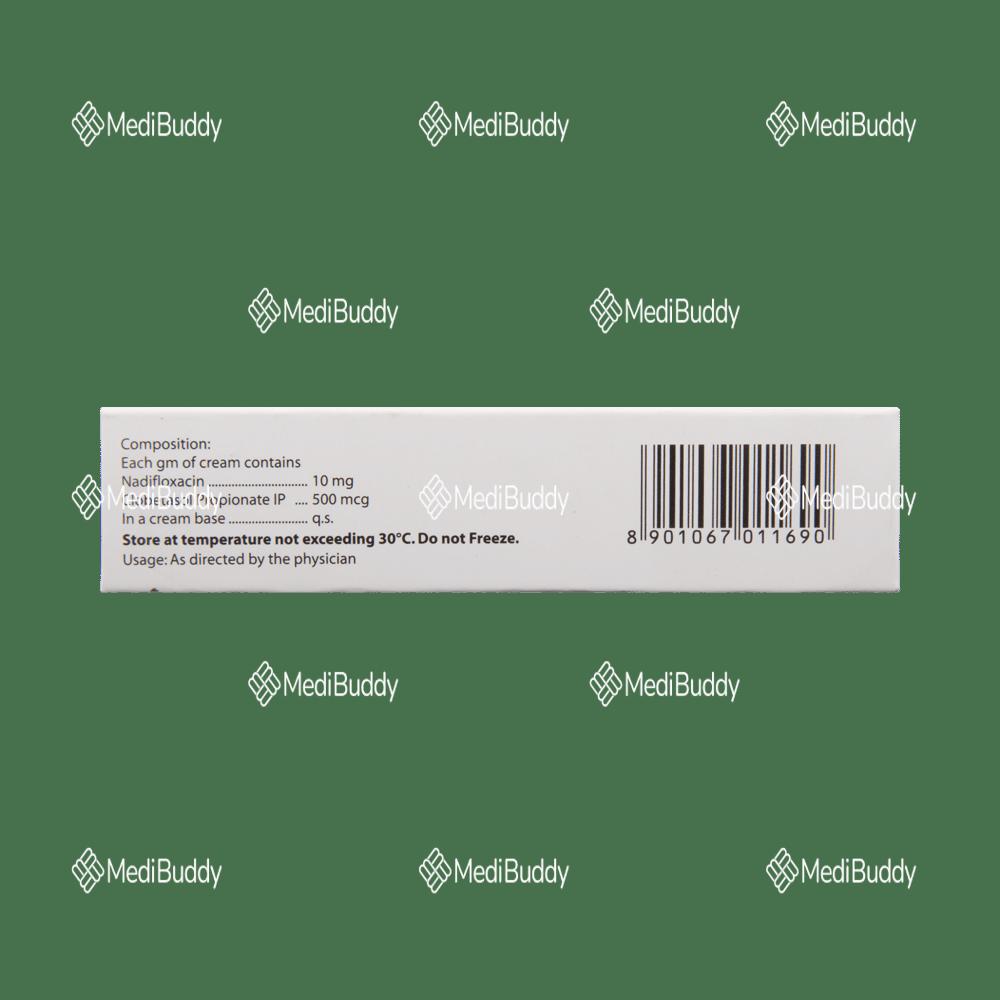
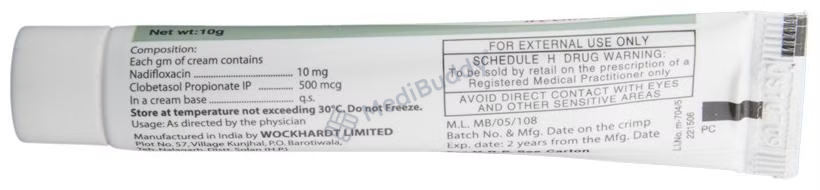
Composition
Clobetasone(500mcg) + Nadifloxacin(10mg)

Manufacturer - Dr Reddy's Laboratories Ltd
Dr. Reddy's Laboratories Ltd., 8-2-337, Road No. 3, Banjara Hills, Hyderabad, Telangana 500034, INDIA

Expires on or after
November, 2027
About Nadoxin-C Cream
Nadoxin-C Cream is a combination medication used to treat skin infections. It works by inhibiting the growth and eliminating microorganisms responsible for the infection. Additionally, it interferes with the production of certain chemical messengers that contribute to redness, swelling, and itchiness of the skin.
This cream is designed for external use only and should be applied according to the dosage and duration recommended by a healthcare provider. It is important to apply the cream consistently at the same time each day to ensure proper treatment. Before application, ensure that the affected area is clean and dry. Remember to wash your hands thoroughly before and after applying the cream. It is crucial to complete the full course of treatment even if symptoms improve to prevent the infection from recurring or worsening upon premature cessation of use.
Potential side effects of Nadoxin-C Cream may include mild reactions at the application site such as burning, irritation, itching, and redness. If these side effects persist or become bothersome, it is essential to consult a doctor. Avoid direct contact with the eyes, nose, or mouth, and in case of accidental exposure, rinse thoroughly with water. Inform your doctor if you are pregnant before using this cream.
Nadoxin Cream 10 gm belongs to a class of antibiotics called fluoroquinolones and contains Nadifloxacin, a topical antibacterial agent effective against various skin bacterial infections. It works by killing bacteria and preventing their further spread by inhibiting cell repair. This broad-spectrum antibiotic is active against many types of bacteria and should be used as directed by a healthcare professional. Side effects may include burning, itching, and rashes at the application site, which typically resolve over time. Inform your doctor if you are allergic to nadifloxacin or any of the cream's ingredients.
Nadoxin-C Cream is a combination of Clobetasol propionate and Nadifloxacin used to treat conditions like contact dermatitis, erythema multiforme, and infective eczema. Contact dermatitis is characterized by an itchy rash due to direct skin contact with a substance, while erythema multiforme presents as red patches and blisters in response to medication or infection. Infective eczema causes skin inflammation and irritation, potentially leading to bacterial or viral infections. It is important to note the specific conditions for which Nadoxin-C Cream is not recommended to ensure safe usage.
Before applying Nadoxin-C Cream, inform your doctor of any relevant medical conditions. Caution is advised for certain groups, such as pregnant individuals and those with specific skin issues or conditions. The cream should be used carefully in children and adolescents, with close monitoring for symptoms like burning, pain, irritation, or itching at the application site. Consult a healthcare provider if these symptoms worsen.
Benefits
Nadoxin-C Cream offers a range of benefits for treating skin infections effectively. This combination of medicines is specifically designed to combat infections caused by bacteria and other microorganisms. By eradicating and halting the growth of these infection-causing microorganisms, the cream efficiently clears up infections and provides relief from associated symptoms. Additionally, Nadoxin-C Cream works by impeding the release of chemicals that lead to discomfort such as itching, redness, and swelling, effectively reducing inflammation caused by these infections.
The active ingredient, Nadifloxacin, found in Nadoxin-C Cream is an antibiotic that targets a wide spectrum of bacteria including Gram-negative bacteria, Gram-positive bacteria, and certain anaerobic bacteria like Cutibacterium acnes and Staphylococcus epidermidis. Its bactericidal properties ensure that it eliminates the bacteria responsible for skin infections by hindering the formation of their cell wall necessary for their survival, as well as by blocking the repair process of bacterial cells. This dual action mechanism of Nadifloxacin results in the complete eradication of bacteria causing infections.
One of the key advantages of Nadoxin-C Cream is its ability to penetrate deeply into tissues, making it highly effective in combating bacterial skin infections that may have affected deeper skin layers. This quality ensures that the cream reaches the root of the infection, facilitating a thorough and comprehensive treatment. It is important to note that Nadoxin-C Cream should be used as prescribed, even if symptoms subside, to prevent the recurrence of infections. Continuous application, even after complete recovery, may be necessary to minimize the risk of symptoms resurfacing. Overall, the potent combination of ingredients in Nadoxin-C Cream makes it a reliable and efficient solution for the treatment and prevention of various bacterial skin infections.
How to use the Nadoxin-C Cream
When using Nadoxin-C Cream, it is important to follow the directions provided by your doctor. This cream is meant for external use only. Before applying, make sure to clean and dry the affected area of the skin. You can then apply a thin layer of the cream using your clean and dry hands, a piece of clean cotton wool, or a gauze swab. Gently rub the cream into the skin until it is absorbed. If you are using the dusting powder form, simply dust it on the affected area and lightly pat it onto the skin.
After applying Nadoxin-C Cream, remember to wash your hands unless the treatment is for your hands. Do not cover treated areas on the face with a plaster or bandage. Also, avoid applying the cream around your eyes, including eyelids. Follow your physician's directions carefully and do not use Nadoxin-C Cream on your face for more than 5 days. By using this cream as instructed, you can effectively address skin issues and promote healing.
Uses of Nadoxin-C Cream
Nadoxin-C Cream is used for treating various skin conditions caused by bacterial infections. It is effective in treating specific conditions such as contact dermatitis, erythema multiforme, and infective eczema. This cream can help with skin infections and offers relief for those suffering from these dermatological issues.
What conditions Nadoxin-C Cream treats?
A bacterial infection occurs when harmful bacteria enter our bodies, multiplying rapidly and causing infection. This can affect any body part and lead to symptoms like fevers, chills, and fatigue. Bacteria come in different shapes such as spherical, rod, and spiral forms. From minor illnesses like sore throats to severe conditions like meningitis, bacterial infections range widely. Common bacteria causing infections include Streptococcus, Staphylococcus, and E. coli. Anyone can get a bacterial infection, but those with weakened immune systems or taking immunosuppressive medication are at higher risk.
Should you consult a doctor?
It is vital to seek a doctor's advice before using NADOXIN C CREAM if you have specific conditions. Avoid using the cream if you have conditions like acne, severe flushing of the skin, spotty red rash around the mouth, itching around the anus or vagina, skin infection, itchy skin, or widespread plaque psoriasis except single lesions. Additionally, inform your doctor if you have had allergic reactions to steroids, plan to use the cream under airtight dressings, apply it on broken or damaged skin, the affected area is large, have psoriasis, chronic leg ulcers, or are applying it on thin skin like the face. Remember to consult a doctor if you smoke. Following these guidelines will ensure safe and effective use of NADOXIN C CREAM.
Side effects of Nadoxin-C Cream
When using Nadoxin-C Cream, some individuals may experience side effects at the application site. These can include a burning sensation, irritation, itching, and redness. In some cases, the skin may become thinner, leading to visible stretch marks and prominent blood vessels. Some users may also feel burning, pain, irritation, or itching at the site of application. It is important to note that most side effects are temporary and should subside as the body gets used to the cream. However, if these side effects persist or cause concern, it is advisable to consult a doctor. Stop using the cream and seek medical advice if you notice signs of an allergic reaction, such as a generalized rash or swollen skin at the application site, or if you experience symptoms of pustular psoriasis, a rare skin condition characterized by raised bumps with pus under the skin.
Safety advice

liver
No interaction has been found or established between Nadoxin-C Cream and liver-related issues. It is advisable to consult with your doctor for proper guidance before using Nadoxin-C Cream.

kidney
No interaction or known risks of Nadoxin-C Cream to the kidneys have been established.

alcohol
No interaction is known between alcohol and Nadoxin-C Cream. Always consult your doctor regarding alcohol use during pregnancy.

driving
It is safe to drive while using Nadoxin-C Cream as no interactions with driving have been found or established.

pregnancy
Nadoxin-C Cream might not be safe to use during pregnancy. Animal studies indicate potential harm to the baby. Consult your doctor for a thorough evaluation of the benefits and risks before using this cream during pregnancy.

breastfeeding
Nadoxin-C Cream is likely safe to use while breastfeeding. Limited human studies indicate no significant risks to the baby.
Age above 75(Geriatrics)
Age below 6 months(Pediatrics)
Consumption warning before consuming Nadoxin-C Cream
Before using Nadoxin-C Cream, it is important to note certain warnings to ensure safe application. Do not use this cream if you have experienced a severe allergic reaction to nadifloxacin or any related antibiotics like delafloxacin, levofloxacin, moxifloxacin, or ciprofloxacin. Additionally, it is crucial to avoid sun exposure while using Nadoxin-C Cream as it can lead to increased sensitivity to light. Do not apply the cream on broken skin and avoid contact with eyes, nose, or mouth to prevent adverse reactions. Furthermore, refrain from covering the treated area with airtight dressings unless advised by a healthcare professional as it may elevate the risk of side effects.
Disease interactions
When considering the disease drug interactions for Nadoxin-C Cream, it is important to note that no interactions have been identified based on available information. This means that there are no specific diseases or conditions that are known to interact negatively with Nadoxin-C Cream when used as directed. This lack of interactions indicates that individuals prescribed Nadoxin-C Cream for various skin conditions may generally use it without concerns about potential interactions with other medications or health conditions. It is always advisable, however, to consult with a healthcare provider or pharmacist before starting any new medication, including Nadoxin-C Cream, especially if there are pre-existing medical conditions or if other medications are being taken concurrently.
What if you forgot to take Nadoxin-C Cream?
If you forget to apply Nadoxin-C Cream at the scheduled time, use it as soon as you remember. But if it's close to the time for your next application, just skip the missed dose and continue with your normal routine. Avoid applying a double dose to make up for the missed one. This will help maintain the right balance of medication on your skin. By following these instructions, you can ensure that you are using Nadoxin-C Cream effectively and safely.
What happens if you take overdose of Nadoxin-C Cream?
In case of applying too much Nadoxin-C Cream or accidental ingestion, immediate medical attention is essential. Symptoms of overdose could include severe skin irritation, burning sensation, or other adverse reactions. It is crucial to consult a doctor or seek help at the nearest hospital if an overdose is suspected. Prompt action can help in managing any potential complications effectively.
Related lab tests
Related Lab Tests:
When using Nadoxin-C Cream, it is important to consider conducting a patch test before full application. A patch test involves applying a small amount of the product on a small area of skin to check for any allergic reactions or irritations. This test helps in determining if the cream is safe for use on a larger area of skin. In addition to the patch test, there may be other related lab tests that can provide valuable information about the skin's reaction to Nadoxin-C Cream. Some of the related lab tests that may be considered include:
1. Allergy testing: This test can help determine if an individual is allergic to any ingredients in the cream.
2. Skin sensitivity test: This test assesses how the skin responds to the cream and helps in identifying any potential irritations.
3. Dermatologist evaluation: Consulting a dermatologist for a thorough evaluation of the skin condition and suitability of using Nadoxin-C Cream can provide personalized recommendations.
It is advisable to perform these related lab tests to ensure the safe and effective use of Nadoxin-C Cream on the skin.
Additional Information
| Habit Forming | No |
| Chemical Class | - |
| Therapeutic Class | DERMA |
| Action Class | - |
FAQs
Disclaimer
The information provided on this website is to the best of our abilities to ensure it is accurate, reliable, and reviewed by a team of professionals. It should not be used to diagnose, prevent, or cure any health problem. The information presented here is not intended to create a doctor-patient relationship or replace a registered medical practitioner's advice, diagnosis, or treatment. The absence or provision of any information or warning regarding any medicine should not be assumed as an implied or explicit assurance of safety or efficacy. We highly recommend consulting your registered medical practitioner for all queries or doubts related to your medical condition. Do not ignore professional medical advice or delay seeking it based on the content encountered on our website. We intend to support, not replace, the doctor-patient relationship.
₹156.19
₹183.75
15% OFF
Inclusive of all taxes
Content verified by

Dr. Mansi Chaudhari
MBBS - General Medicine
Last update on 11-Feb-2025

Health
Hospitalisation
Download the Medibuddy App


