

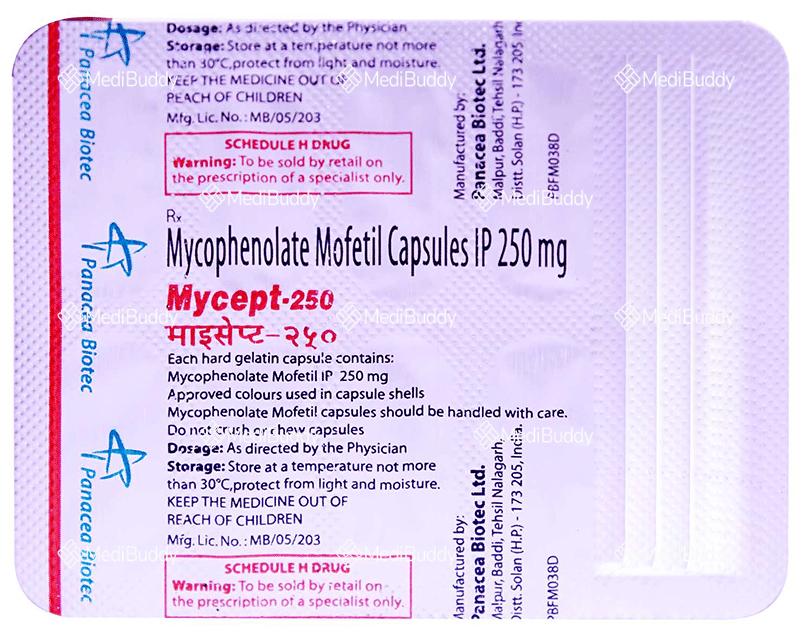
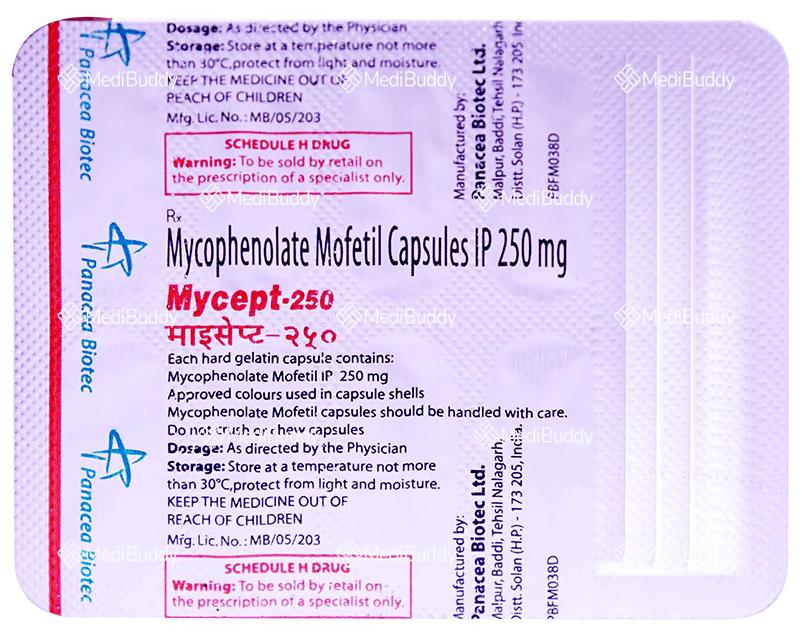
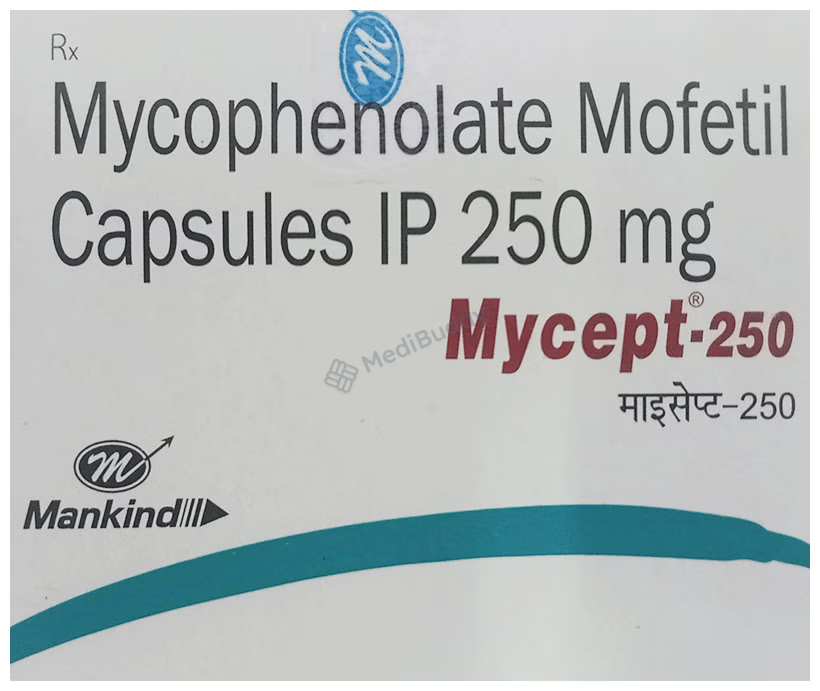
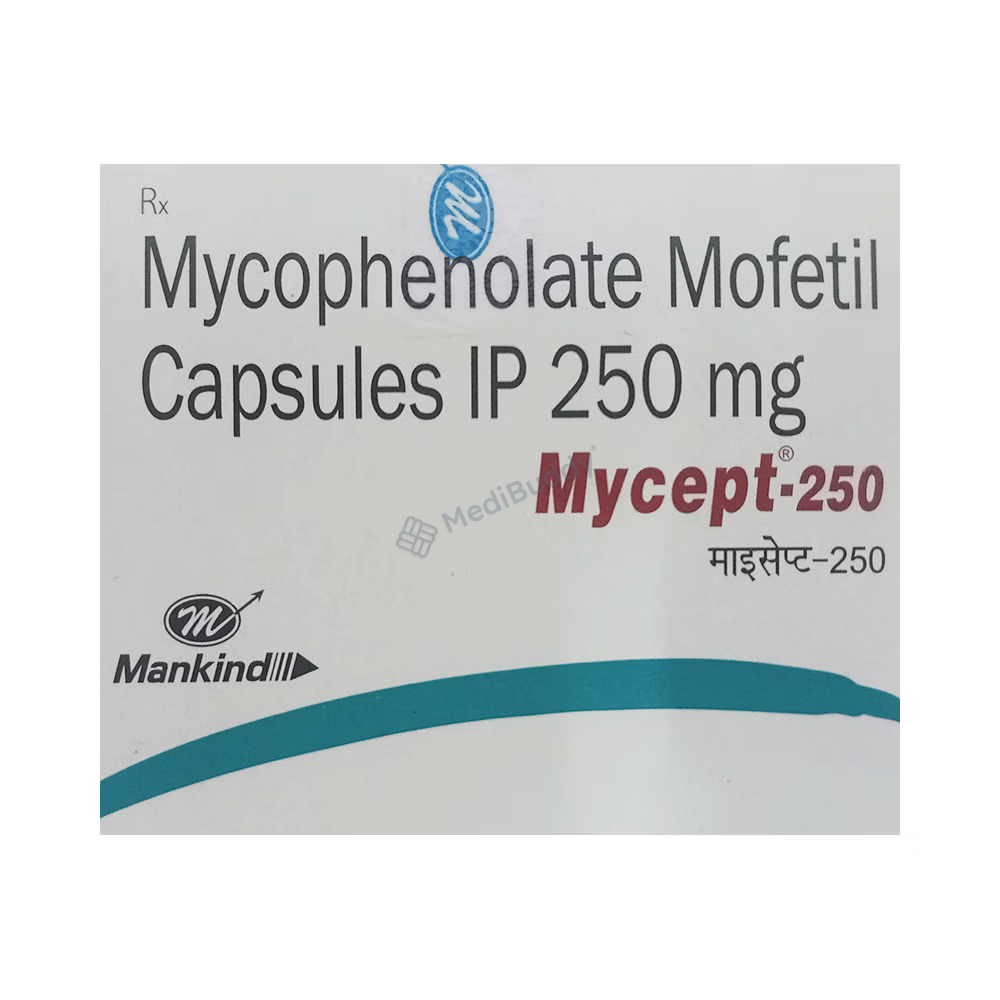
Mycept 250 Capsule
By Mycept
Rx
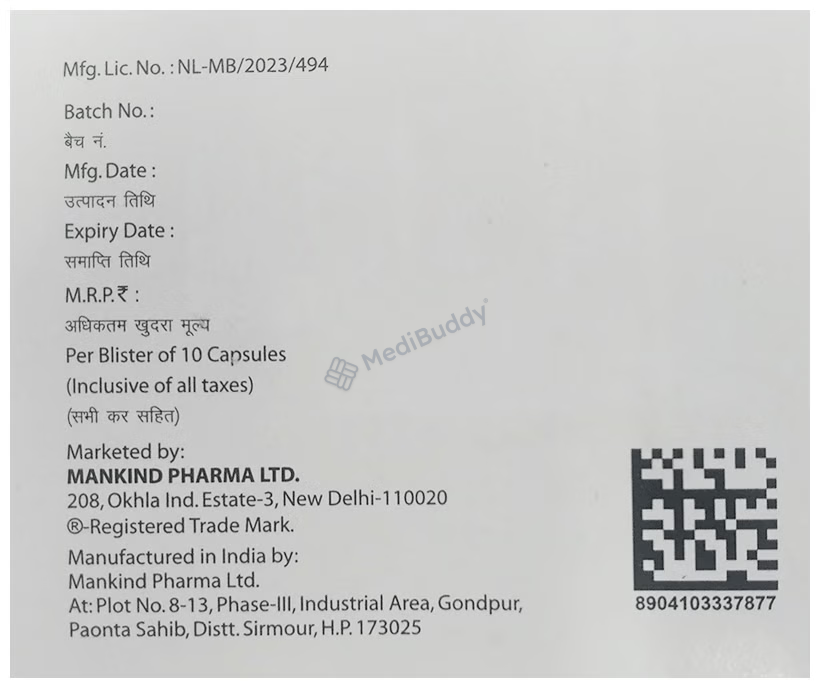
10 Capsule in a Strip

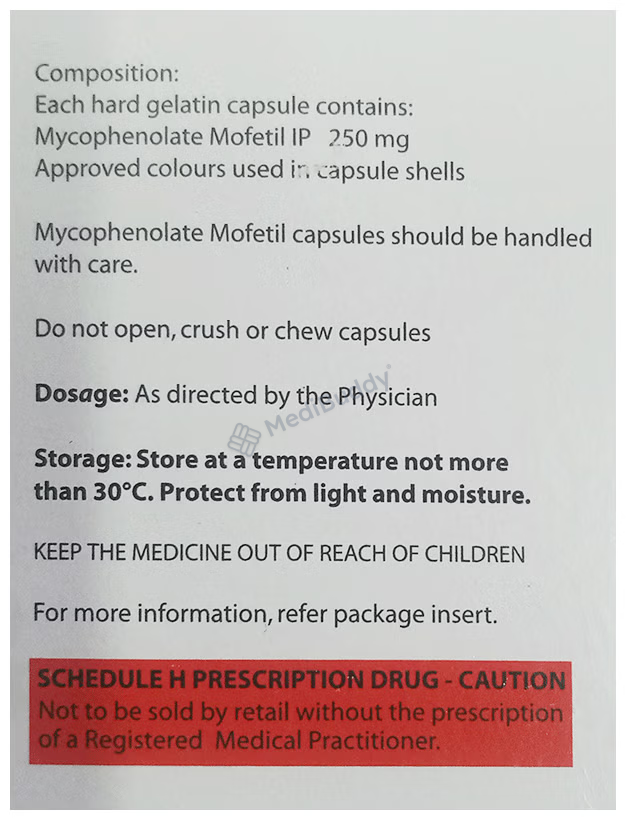
Composition
Mycophenolate mofetil(250mg)

Manufacturer - Panacea Biotec Ltd
Ambala- Chandigarh Highway, Lalru – 140501, Punjab

Expires on or after
May, 2027
About Mycept 250 Capsule
Mycept 250 Capsule is classified as an immunosuppressant medication, belonging to a class of medications that prevent the body from rejecting transplanted organs like kidneys, hearts, and livers. When an organ is transplanted, the body's immune system may identify it as foreign and attack it, leading to transplant rejection. Mycept 250 Capsule contains Mycophenolate mofetil, which works by inhibiting T and B lymphocytes, types of white blood cells that attack foreign cells, and by suppressing the production of antibodies that identify and kill foreign cells.
It is important to adhere to your doctor's instructions regarding the dosage and timing of Mycept 250 Capsule based on your specific type of transplant. Typically, it is recommended to take the capsule on an empty stomach, at least 1 hour before or 2 hours after a meal, unless advised otherwise by your healthcare provider. It is crucial to swallow the capsule whole, without crushing, chewing, or breaking it. Continuous use of the medication is vital to maximize its benefits, even if you feel well, as the treatment is necessary to prevent rejection of the transplanted organ for as long as needed.
As with any medication, Mycept 250 Capsule may cause side effects. Common side effects include nausea, vomiting, diarrhea, stomach pain, headache, high blood pressure, and changes in white blood cell count. The medication suppresses the immune system, which may result in an increased susceptibility to infections. Additionally, there is a heightened risk of developing certain cancers due to this immune suppression, hence it's important to limit sun exposure and use sunscreen to reduce the risk of skin cancer.
It is crucial to avoid taking Mycept 250 Capsule if you are pregnant, planning to become pregnant, or breastfeeding, as it can lead to birth defects and miscarriage. Prior consultation with your doctor is necessary if you show any signs of infection, unexpected bruising, or bleeding. Inform your healthcare team about all other medications you are taking, as they may interact with Mycept 250 Capsule. Regular monitoring through blood tests is essential to check for any changes in blood cell count, as well as sugar and cholesterol levels in the blood.
Benefits
Mycept 250 Capsule offers significant benefits in preventing organ rejection in transplant patients. As an immunosuppressive agent, this medication works by lowering the body's immune response, thereby reducing the risk of the immune system attacking the transplanted organ. Organ rejection occurs when the body's immune system identifies the new organ as a threat and starts to attack it. By taking Mycept 250 Capsule, transplant patients can enhance the acceptance of the new organ by suppressing the immune system. This medication can be used in combination with other drugs to further support the immune system suppression process, ensuring a higher success rate in organ transplant procedures.
How to use the Mycept 250 Capsule
To use Mycept 250 Capsule, follow your doctor's instructions on dosage and duration carefully. It is important to take this medicine with food. Your doctor will provide you with the right dosage and schedule based on your specific condition. Swallow the capsule whole with a glass of water. Do not chew or crush it. It is important to take Mycept 250 Capsule at the same time each day to maintain consistent levels in your body. If you have any questions or concerns about how to use this medication, consult your doctor or pharmacist for further guidance.
Uses of Mycept 250 Capsule
Mycept 250 Capsule is commonly used for the prevention of organ rejection in transplant patients. This medication helps to protect the body from rejecting a transplanted organ, such as a kidney or liver, by suppressing the immune system's response. By taking Mycept 250 Capsule as prescribed by a healthcare provider, transplant patients can improve the success of their transplant and maintain the proper functioning of the transplanted organ. It is important for patients to follow their doctor's instructions carefully to achieve the best results in preventing organ rejection.
What conditions Mycept 250 Capsule treats?
Mycept 250 Capsule is used to prevent organ rejection after a transplant. It belongs to a group of medicines called immunosuppressants, which work by suppressing your body's immune system so that it does not attack the new organ. The dosage and frequency of Mycept 250 Capsule depend on the type of transplant. It is essential to take the medication regularly as prescribed by your doctor. Common side effects include nausea, vomiting, diarrhea, stomach pain, and changes in blood cell count. Mycept 250 Capsule may increase the risk of infections and certain cancers. It is important not to take this medication if you are pregnant or planning to become pregnant. Regular monitoring and communication with your healthcare team are crucial while on this medication.
Should you consult a doctor?
If you experience persistent side effects such as nausea, vomiting, diarrhea, stomach pain, headache, high blood pressure, or changes in white blood cell count, it is important to consult your doctor. Additionally, be cautious of increased susceptibility to infections and potential risks of developing cancers. Seek immediate medical attention if you notice any signs of serious side effects or experience unusual symptoms. It is crucial to inform your doctor if you have signs of infection, unexpected bruising, or bleeding. Avoid taking Mycept 250 Capsule if you are pregnant, planning pregnancy, or breastfeeding, as it can cause birth defects and abortion. Regularly communicate with your healthcare provider about any other medications you are taking to ensure safe use. Remember to follow up with your doctor for routine tests to monitor blood cell counts, blood sugar, and cholesterol levels.
Side effects of Mycept 250 Capsule
When taking Mycept 250 Capsule, you may experience certain side effects, although most of them are usually temporary and fade away as your body gets used to the medication. However, if these side effects persist or cause concern, it is important to seek advice from your doctor. Some common side effects of Mycept 250 Capsule include nausea, vomiting, diarrhea, and abdominal pain. Additionally, you may also experience headaches and high blood pressure. In some cases, the medicine can lead to decreased white blood cell count, fungal infections, and low blood platelets. Other potential side effects may include anemia, skin cancer, bacterial or viral infections, hypercholesterolemia, electrolyte imbalance, gout, weight loss, tremors, convulsions, and tumors. If you notice any of these side effects while taking Mycept 250 Capsule, consult your healthcare provider for further guidance.
Safety advice

liver
Limited data exists on the use of Mycept 250 Capsule in individuals with liver disease. It is strongly advised to seek guidance from your healthcare provider regarding the use of this medication if you have liver-related issues.

kidney
Mycept 250 Capsule requires caution in severe kidney disease. Adjusting the dose may be necessary. Consult your doctor.

alcohol
When taking Mycept 250 Capsule, it is safe to consume alcohol as it does not result in any negative effects.

driving
When taking Mycept 250 Capsule, it typically does not impact your driving ability.

pregnancy
Mycept 250 Capsule is unsafe during pregnancy, with definite risk to the developing baby. In life-threatening situations, a doctor may prescribe it only if benefits outweigh risks. Consult your doctor before use.

breastfeeding
Mycept 250 Capsule is not recommended for use during breastfeeding as it may cause toxicity to the baby.
Consumption warning before consuming Mycept 250 Capsule
Warning before consumption:
Before taking Mycept 250 Capsule, it is crucial to be aware of certain considerations. This medication belongs to a group of immunosuppressants and is prescribed alongside other medicines to prevent rejection of transplanted organs. It works by suppressing the immune system to safeguard the new organ. The dosage and frequency of Mycept 250 Capsule intake are determined by the type of transplant. It is advisable to adhere closely to your doctor’s instructions. Consumption of this capsule on an empty stomach, at least an hour before or two hours after a meal, is recommended unless otherwise advised by your doctor. Swallow the capsule whole and do not crush, chew, or break it.
Common side effects of Mycept 250 Capsule may include nausea, vomiting, diarrhea, stomach pain, headache, high blood pressure, and changes in white blood cell count. Due to immune suppression, there is an increased susceptibility to infections and a higher risk of certain cancers. Limit sun exposure and use sunscreen to reduce the risk of skin cancer. Consult your doctor about potential side effects and symptoms requiring immediate medical attention.
Pregnancy warning: Avoid Mycept 250 Capsule if pregnant, planning pregnancy, or breastfeeding due to the risk of birth defects and abortion. Inform your doctor about any signs of infection, unusual bleeding, or bruising before taking this medication. Disclose all medications to your healthcare team for potential interactions. Regular tests are necessary to monitor blood cell count, sugar, and cholesterol levels.
Additional Information
| Habit Forming | No |
| Chemical Class | Phthalide Derivative |
| Therapeutic Class | - |
| Action Class | Immunosuppressant- Purine analogs |
FAQs
Disclaimer
The information provided on this website is to the best of our abilities to ensure it is accurate, reliable, and reviewed by a team of professionals. It should not be used to diagnose, prevent, or cure any health problem. The information presented here is not intended to create a doctor-patient relationship or replace a registered medical practitioner's advice, diagnosis, or treatment. The absence or provision of any information or warning regarding any medicine should not be assumed as an implied or explicit assurance of safety or efficacy. We highly recommend consulting your registered medical practitioner for all queries or doubts related to your medical condition. Do not ignore professional medical advice or delay seeking it based on the content encountered on our website. We intend to support, not replace, the doctor-patient relationship.
₹338.15
Inclusive of all taxes
Content verified by

Dr. Archana Prabhakar
MBBS, M.Med (Family Medicine)
Last update on 01-Oct-2024


