

Lycefenac Tablet

By Lycefenac

Rx

10 Tablet in a Strip

Composition icon

Composition

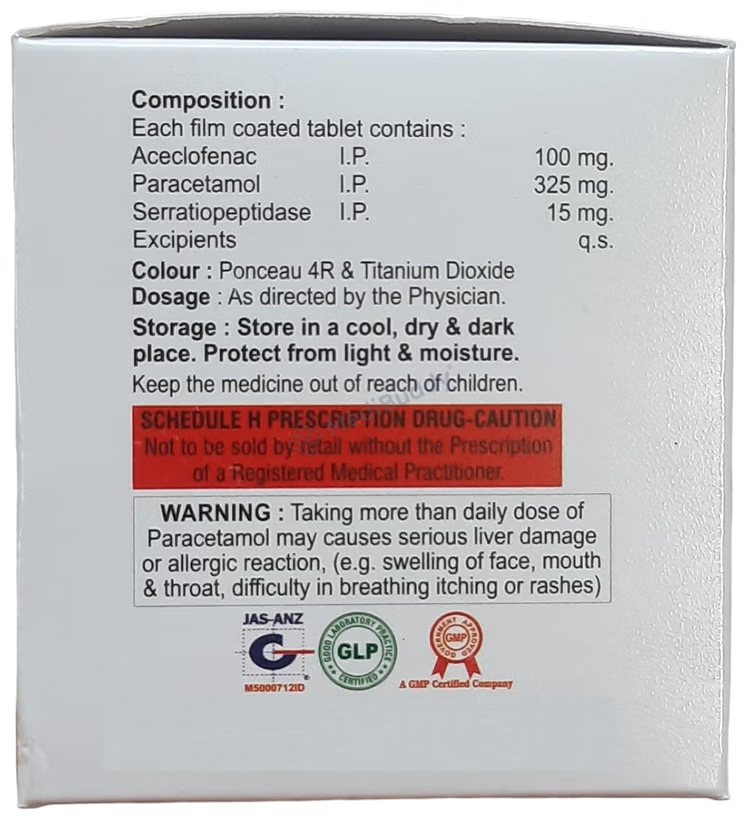
Aceclofenac(100mg) + Paracetamol(325mg) + Serratiopeptidase(15mg)

Manufacturer - Lyceum Life Sciences Pvt Ltd icon

Manufacturer - Lyceum Life Sciences Pvt Ltd

Office No. C-247, Sobo Centre Near S.P. Ring Road, South Bopal Near Sun City, Ahmedabad Ahmedabad Gj 380058 India

Expires on or after icon

Expires on or after

September, 2026

About Lycefenac Tablet

Lycefenac Tablet is a combination medicine that helps alleviate pain and swelling in conditions such as muscle pain, joint pain, and postoperative pain. It is effective in managing conditions like rheumatoid arthritis, ankylosing spondylitis, and osteoarthritis. To ensure its effectiveness, Lycefenac Tablet should be taken as prescribed by your doctor, preferably with food or milk to prevent stomach upset. Continuing the medication at the right times is crucial until your doctor advises you to stop.

Some common side effects of Lycefenac Tablet may include nausea, vomiting, stomach pain, dizziness, drowsiness, and diarrhea. Long-term use might require monitoring of kidney function, liver function, and blood components due to potential complications like stomach bleeding and kidney problems. It is important to note that this tablet is not recommended for use during pregnancy or breastfeeding.

Lycefenac 100/325/15 Tab 10'S, a member of the non-steroidal anti-inflammatory drug (NSAID) class, is a fixed-dose combination containing aceclofenac, paracetamol, and serratiopeptidase. This combination is effective in reducing pain and inflammation caused by bone or soft tissue injuries, postoperative inflammation, and oedema. Aceclofenac works by inhibiting the action of an enzyme that causes pain and swelling, while paracetamol acts as an analgesic and antipyretic. Serratiopeptidase aids in breaking down protein, facilitating smoother fluid drainage in swollen tissues.

Pain can be either acute or chronic, with causes ranging from tissue damage to nerve-related issues like osteoarthritis. Musculoskeletal pain arising from soft tissue injuries, sprains, strains, or trauma may require a longer healing period. Lycefenac 100/325/15 Tab 10'S can be taken with or without food, swallowed whole with water as advised by your doctor. Potential side effects, such as nausea, vomiting, indigestion, and stomach pain, are usually temporary and self-resolving. However, persistent side effects should prompt a consultation with your healthcare provider.

It is crucial not to self-discontinue the medication and important to avoid taking Lycefenac 100/325/15 Tab 10'S if allergic to similar painkillers. This medication is not recommended for children and exceeding the prescribed dose or treatment duration should be avoided.


Benefits

Lycefenac Tablet offers various benefits in providing relief from pain and inflammation associated with conditions like rheumatoid arthritis and osteoarthritis. This combination medicine works by targeting chemical messengers in the brain that transmit signals of pain, helping to alleviate discomfort. Additionally, the tablet contains Serratiopeptidase, an enzyme that supports the healing process and accelerates recovery.


When taken as prescribed, Lycefenac Tablet can enhance overall well-being by reducing pain and swelling in joints and muscles, allowing individuals to engage in daily activities more comfortably. It is important to follow the prescribed dosage and duration of treatment to maximize the benefits of this medication while minimizing the risk of potential side effects. By using Lycefenac Tablet as directed, individuals may experience improved quality of life with increased mobility and reduced pain levels in affected areas.


How to use the Lycefenac Tablet

To use Lycefenac Tablet, follow your doctor's instructions on dosage and how long to take it. The tablet should be swallowed whole, not chewed, crushed, or broken. It is recommended to take Lycefenac Tablet with food to avoid stomach upset. Always consult your doctor before starting or stopping this medication to ensure it is safe and effective for your condition. If you have any questions or concerns about using Lycefenac Tablet, talk to your healthcare provider for guidance.


Uses of Lycefenac Tablet

Lycefenac Tablet is commonly used for pain relief. This medication is specifically formulated to help alleviate various types of pain. It can be effective in reducing discomfort caused by conditions such as headaches, toothaches, menstrual cramps, muscle aches, and joint pain. The combination of active ingredients in the tablet works together to target the source of the pain and provide relief. Overall, Lycefenac Tablet is a useful option for managing different kinds of pain.


What conditions Lycefenac Tablet treats?

Lycefenac Tablet is used to relieve pain and reduce swelling in various conditions such as muscle pain, joint pain, and postoperative pain. It is effective in managing conditions like rheumatoid arthritis, ankylosing spondylitis, and osteoarthritis. This medicine should be taken as per your doctor's instructions with food or milk to avoid stomach issues. It is essential to take it regularly at the prescribed times to maximize its benefits. Long-term use may pose risks like stomach bleeding and kidney problems. Consulting your doctor for any persistent side effects is important.


Should you consult a doctor?

Seek medical attention if you experience persistent nausea, vomiting, stomach pain, indigestion, heartburn, or diarrhea while taking Lycefenac Tablet. Inform your doctor if these side effects do not subside or if you have concerns. Additionally, if you are pregnant or breastfeeding, consult a healthcare professional before using this medication. Long-term use may necessitate regular monitoring of kidney and liver function. If you notice any unusual symptoms or have pre-existing conditions, seek medical advice promptly. It is crucial to follow your doctor's guidance on the dosage and duration of this medicine and to take it with food or milk to prevent stomach upset. Do not discontinue the medication without consulting your healthcare provider.


Side effects of Lycefenac Tablet

When taking Lycefenac Tablet, some common side effects may occur. These side effects typically go away as your body gets used to the medication. However, if they persist or cause concern, it is important to consult your doctor. Possible side effects include nausea, vomiting, stomach pain, indigestion, heartburn, loss of appetite, diarrhea, dizziness, increased liver enzymes, and drowsiness. It's essential to be aware of these potential side effects and seek medical advice if needed.


Safety advice

scroll

liver

When using Lycefenac Tablet, it is important to be cautious if you have liver disease. It may be necessary to adjust the dose of this medication, so it is advised to consult your doctor before taking it. Please note that using Lycefenac Tablet is not recommended for individuals with severe or active liver disease. Your doctor can provide you with personalized guidance based on your liver health status.

scroll

kidney

Lycefenac Tablet requires caution in patients with kidney disease. Dose adjustment may be necessary, so consult your doctor. It's not recommended for those with severe kidney disease.

scroll

alcohol

Caution It is not safe to drink alcohol while taking Lycefenac Tablet. If you are pregnant, consult your doctor.

scroll

driving

Lycefenac Tablet may reduce alertness, impact vision, or cause drowsiness and dizziness. Avoid driving if experiencing these effects.

scroll

pregnancy

Caution Lycefenac Tablet may not be safe during pregnancy. Animal studies indicate potential harm to the developing baby. Consult your doctor for a thorough evaluation of the benefits and risks before taking this medication.

scroll

breastfeeding

It is better to consult your doctor before using Lycefenac Tablet.


Consumption warning before consuming Lycefenac Tablet

Before consuming Lycefenac Tablet, it's crucial to follow the prescribed dose and duration as advised by your healthcare provider. To avoid any stomach upset, it's recommended to take this medication with food or milk. Consistent intake at the specified times enhances its effectiveness. It's imperative to continue the course until instructed by your doctor. Common side effects such as nausea, vomiting, stomach pain, dizziness, drowsiness, and diarrhea may occur. For long-term usage, close monitoring of kidney and liver function may be necessary due to potential complications like stomach bleeding and kidney issues. Not suitable for pregnant or breastfeeding individuals.


What if you forgot to take Lycefenac Tablet?

If you forget to take a dose of Lycefenac Tablet, take it as soon as you remember. But if it's almost time for your next dose, just skip the missed dose and continue with your regular dosing schedule. It's important not to take a double dose to make up for the missed one. Stick to your prescribed dose and timing to ensure the effectiveness of the medication.


Additional Information

Habit FormingNo
Chemical Class-
Therapeutic ClassPAIN ANALGESICS
Action Class-

FAQs


Disclaimer

The information provided on this website is to the best of our abilities to ensure it is accurate, reliable, and reviewed by a team of professionals. It should not be used to diagnose, prevent, or cure any health problem. The information presented here is not intended to create a doctor-patient relationship or replace a registered medical practitioner's advice, diagnosis, or treatment. The absence or provision of any information or warning regarding any medicine should not be assumed as an implied or explicit assurance of safety or efficacy. We highly recommend consulting your registered medical practitioner for all queries or doubts related to your medical condition. Do not ignore professional medical advice or delay seeking it based on the content encountered on our website. We intend to support, not replace, the doctor-patient relationship.

85

100

15% OFF

Inclusive of all taxes

Content verified by

chevron-right

Dr. Gowri Kulkarni

MBBS - General Medicine, DNB - Psychiatry, MRCGP [INT] Family Medicine, BSIC (BACP)

Last update on 18-Nov-2024