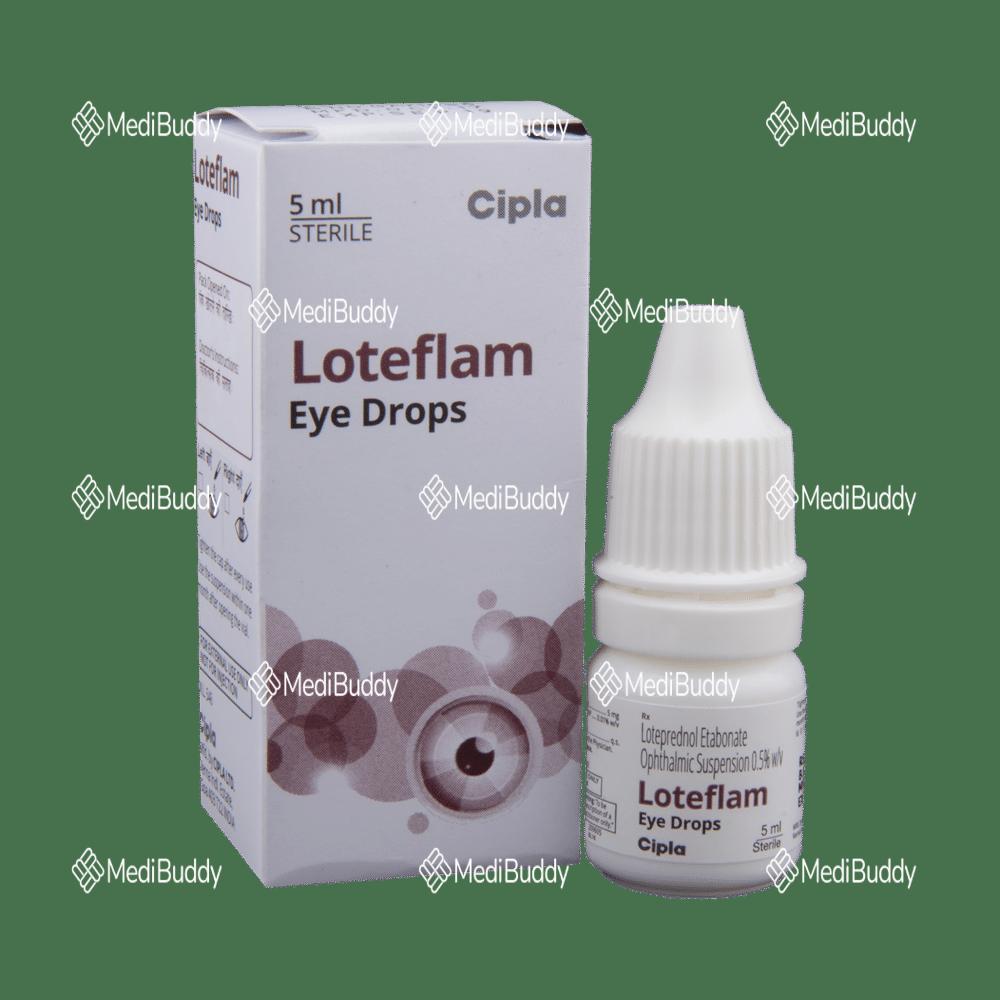
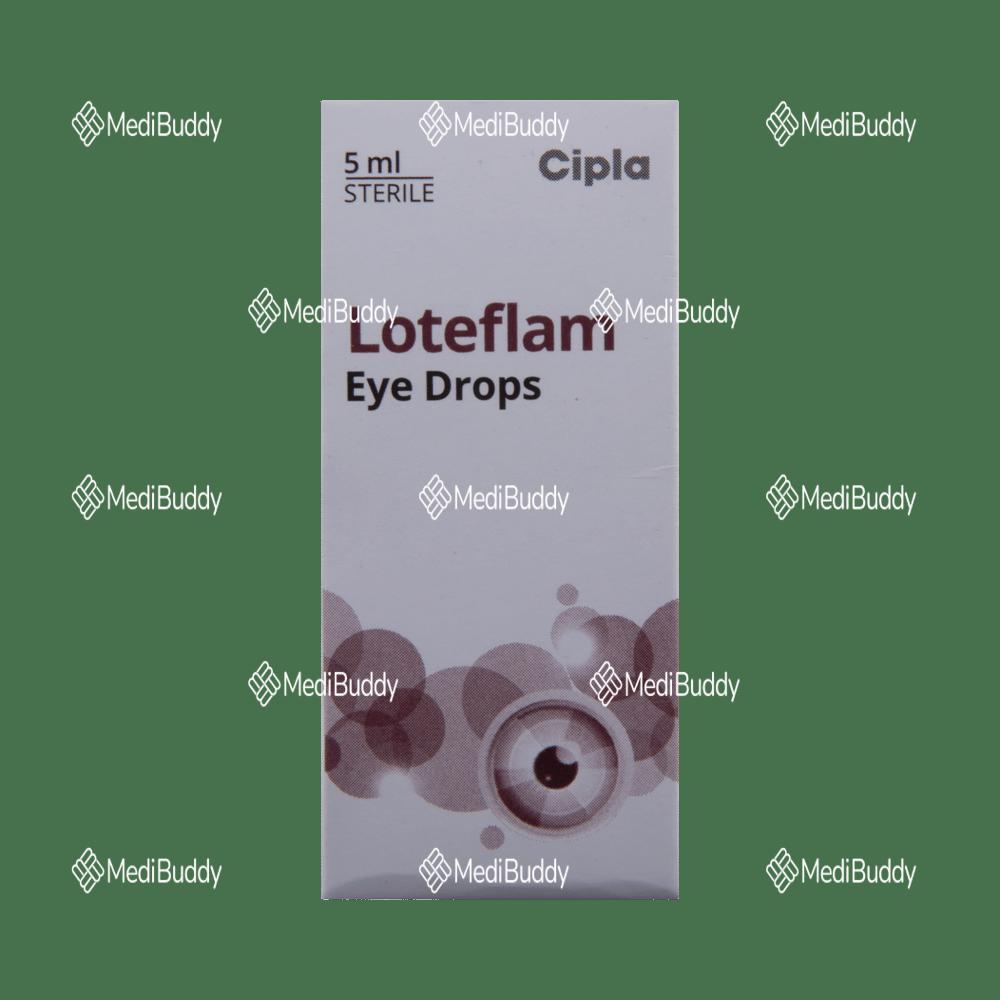

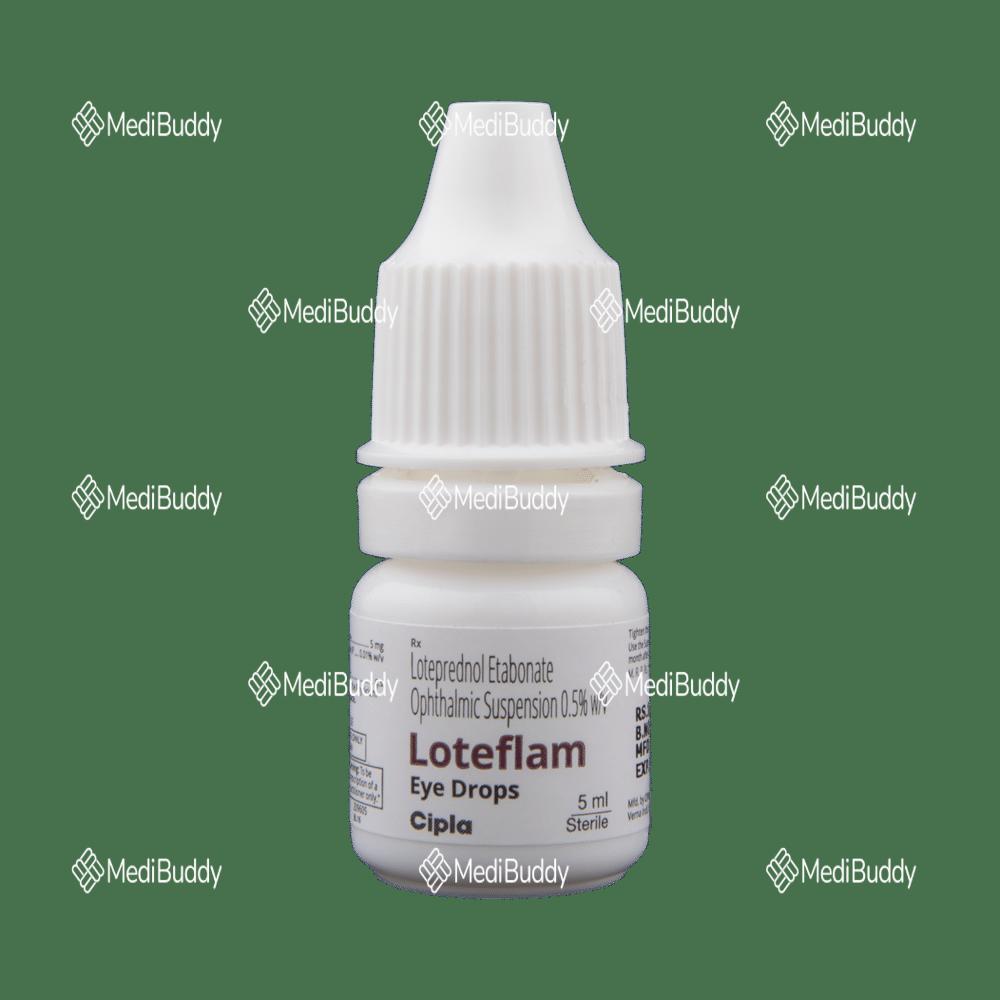
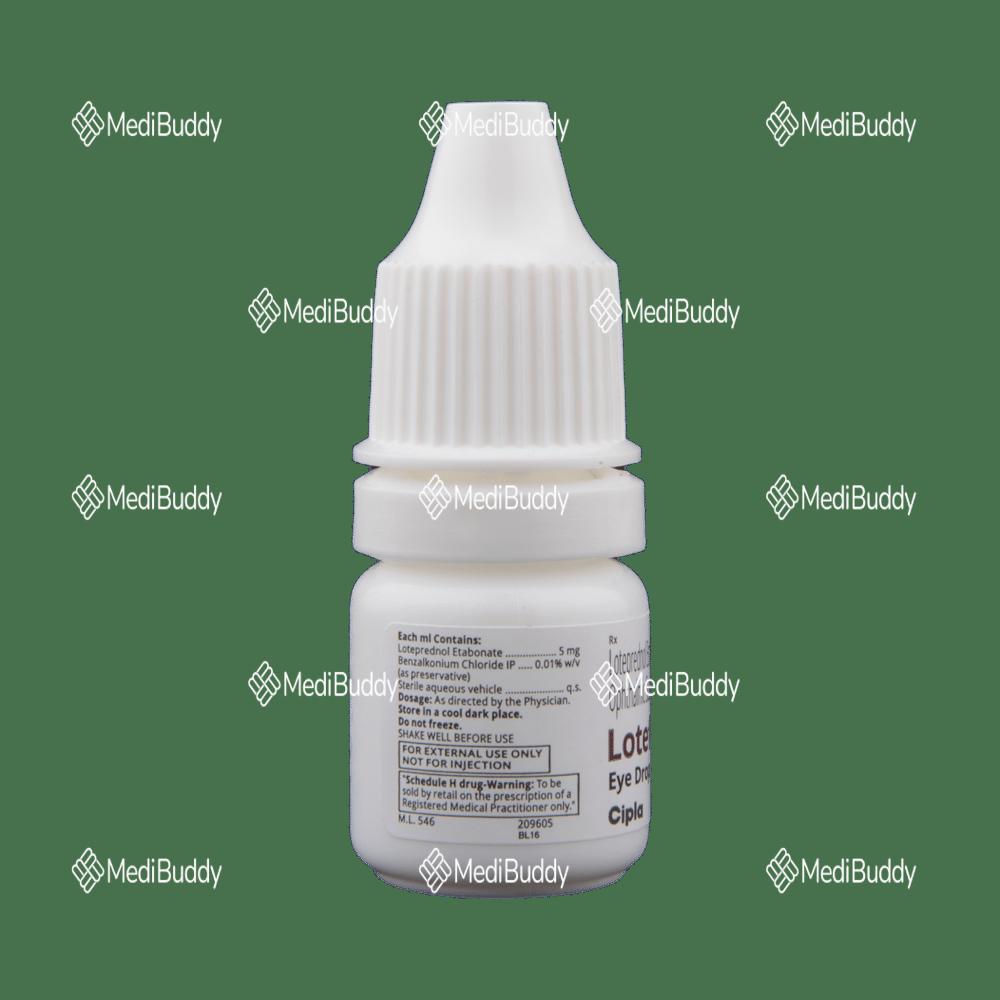
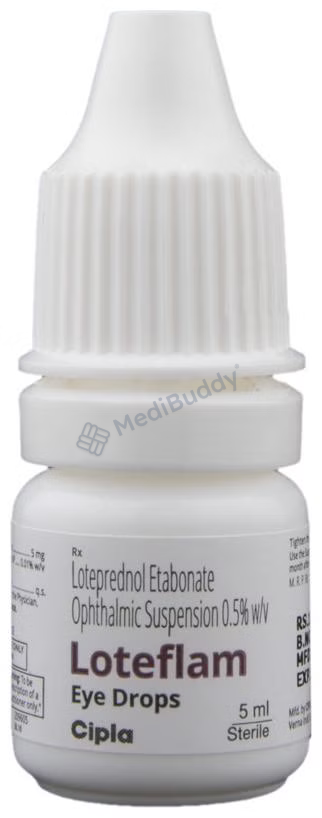
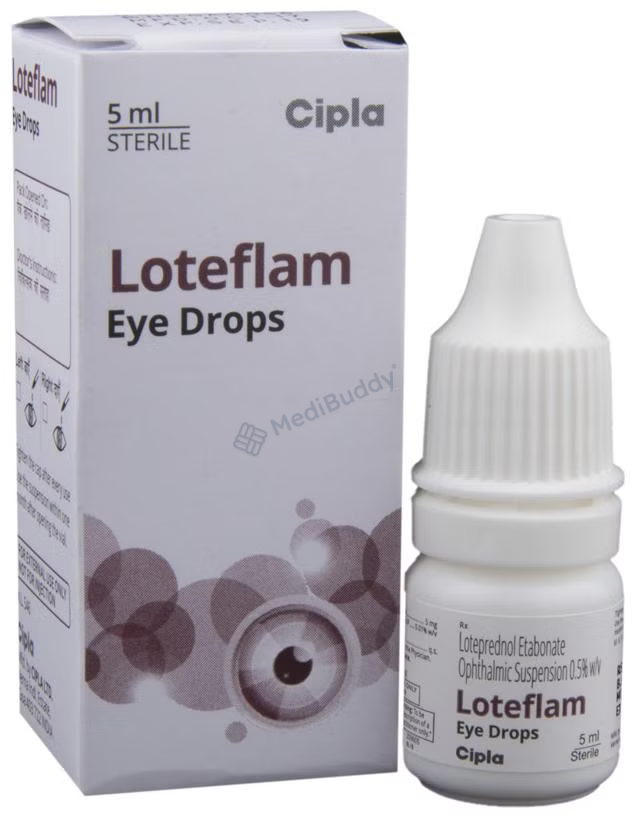
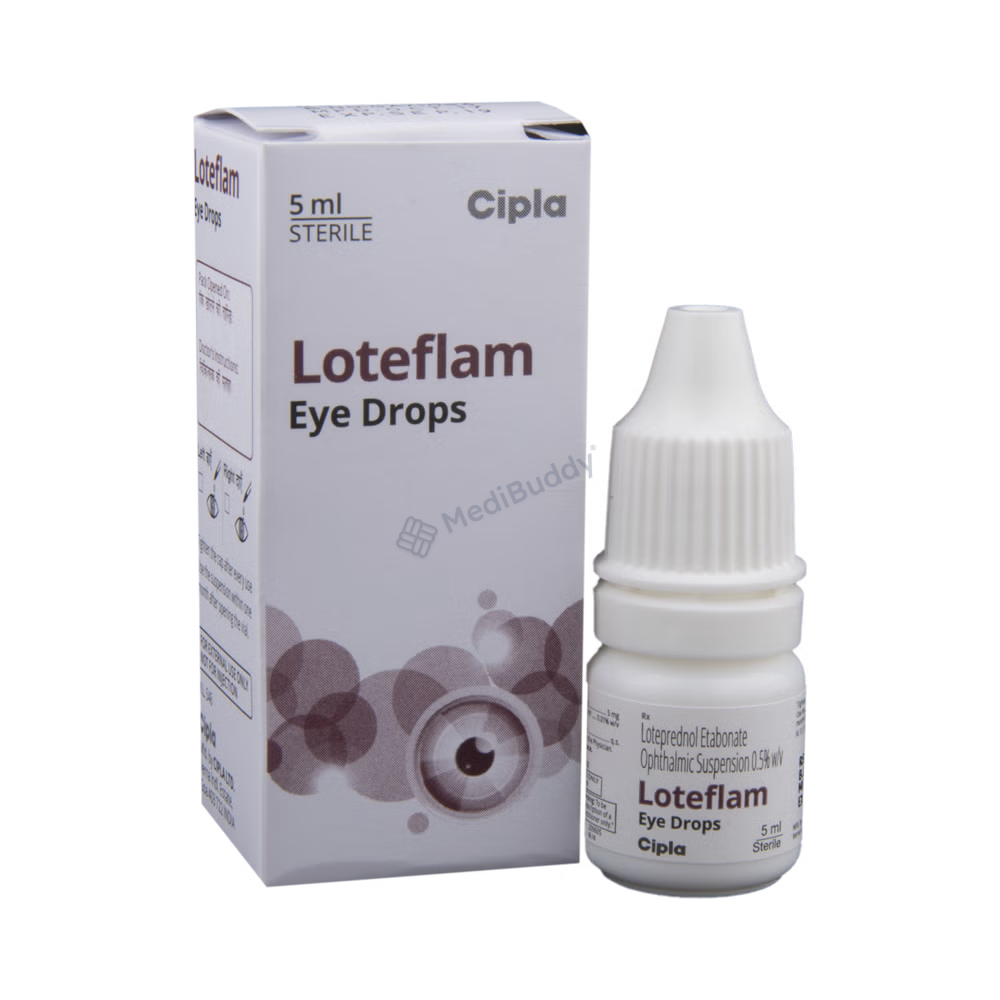
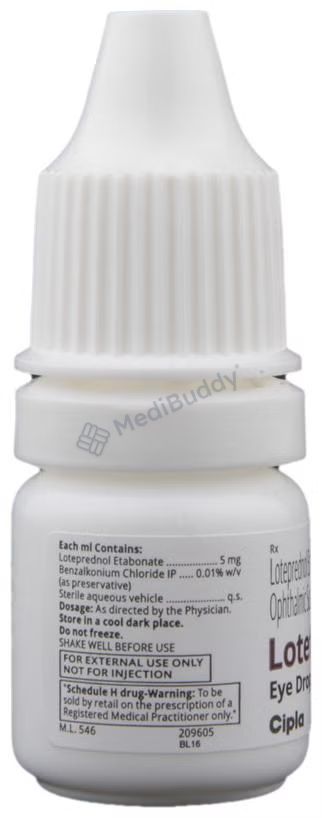
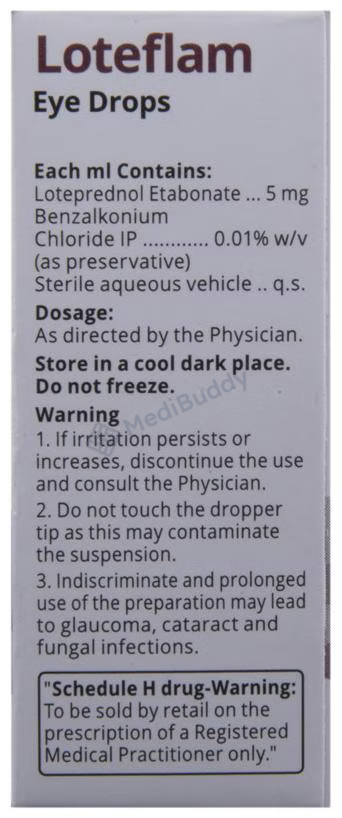
Loteflam Eye Drop

By Loteflam

Rx

5ml Ophthalmic Solution in a Packet

Composition icon

Composition

Loteprednol etabonate(0.5% w/v)

Manufacturer - Cipla Ltd icon

Manufacturer - Cipla Ltd

Cipla House, Peninsula Business Park, Ganpatrao Kadam Marg, Lower Parel, Mumbai-400013

Expires on or after icon

Expires on or after

July, 2026

About Loteflam Eye Drop

Loteflam Eye Drop is a medication classified as a steroid and is commonly used to alleviate redness and swelling in the eyes caused by infection or allergy. It works by preventing the release of certain substances in the body that trigger inflammation. Loteflam Eye Drop should never be used if the seal is broken, and it is important to wash hands before application. If you wear contact lenses, make sure to remove them before using the drops and wait at least 15 minutes before reinserting them.

It is crucial not to stop using Loteflam Eye Drop without consulting your doctor as discontinuation may allow bacteria to continue growing, potentially leading to a reoccurrence of the infection. Common side effects of Loteflam Eye Drop include eye irritation, burning sensation, and watery eyes, which usually improve over time. In some cases, it may briefly affect vision, so it is advisable not to drive or operate machinery until vision clears. Pregnant or breastfeeding individuals should seek medical advice before using this medication.

Loteflam Eye Drop 5 ml is a corticosteroid that is mainly prescribed to manage post-operative inflammation and pain after ocular surgery. It contains Loteprednol etabonate, which helps in treating eye redness and swelling by blocking prostaglandins responsible for inflammation. This medication is specifically for ophthalmic use and should be used as directed by a healthcare provider. While temporary side effects such as watery eyes, irritation, and itching are common, persistent symptoms should be reported to a doctor.

Individuals allergic to corticosteroids or any component of Loteflam Eye Drop 5 ml should not use the medication. Exceeding the prescribed dosage may lead to complications such as glaucoma, fungal infections, and cataracts. It is important to avoid using other eye medications simultaneously without consulting a doctor, especially for individuals with a history of glaucoma, eye infections, or other eye conditions. Additionally, caution should be exercised in pregnant women, breastfeeding mothers, children aged 11 and below, and elderly patients when using Loteflam Eye Drop. Regular monitoring of eye pressure may be advised during treatment with this medication. If experiencing discomfort or adverse effects, it is recommended to seek medical advice promptly.


Benefits

Loteflam Eye Drop offers several benefits for treating eye conditions. Firstly, it helps in alleviating symptoms such as pain, redness, swelling, itching, and watering of the eyes caused by infections or allergies. This is possible because the medicine contains Loteprednol etabonate, a corticosteroid that decreases the production of certain chemicals responsible for eye inflammation. By doing so, Loteflam Eye Drop effectively reduces inflammation and swelling, allowing you to resume your daily activities with more comfort. Moreover, it is particularly useful in managing post-eye surgery inflammation and pain by blocking prostaglandins in the brain. It is essential to follow the prescribed usage of Loteflam Eye Drop to maximize its benefits. Remember to consult your doctor if you do not notice any improvement even after a week of consistent use.


How to use the Loteflam Eye Drop

To properly use Loteflam Eye Drop, follow these simple steps. Firstly, wash your hands thoroughly before handling the eye drop. Then, invert the closed container and gently shake it once to fill the tip with the medicine. Next, tilt your head back and lie down in a comfortable position. Pull down your lower eyelid gently with your index finger to create a small pocket. Take the recommended number of drops as prescribed by your doctor and carefully place them into the pocket of your lower eyelid. After instilling the drops, close your eyes and keep them shut for 1-2 minutes to allow the medicine to spread evenly. It is important to follow your doctor's instructions regarding the frequency and duration of using Loteflam Eye Drop. Typically, the suggested dosage is one to two drops into the affected eye's conjunctival sac, four times a day, starting the day after surgery and continuing for the first two weeks of the post-operative period. Remember, Loteflam Eye Drop is meant for ophthalmic use only and should not be ingested. Lastly, wipe off any excess liquid and make sure to store the container properly after each use.


Uses of Loteflam Eye Drop

Loteflam Eye Drop is primarily used for treating redness, swelling, inflammation, and pain in the eye, especially after ocular surgery. It is specifically formulated to alleviate post-operative discomfort following eye surgery, making it a valuable solution for managing these symptoms effectively. Loteflam Eye Drop is recommended for individuals experiencing post-operative inflammation and pain in the eye, providing relief and promoting a more comfortable recovery process.


What conditions Loteflam Eye Drop treats?

Loteflam Eye Drop is commonly used to treat eye conditions associated with pain and inflammation. Pain in the eye can be a result of actual tissue damage or the body's natural response to prevent further damage. Inflammation in the eye can be caused by external injuries or reactions to foreign substances. Loteflam Eye Drop helps to relieve pain and reduce inflammation in the eye, providing relief for various eye conditions.


Should you consult a doctor?

Seek medical advice before using Loteflam Eye Drops if you have certain conditions to avoid potential risks. This includes viral diseases of the cornea and conjunctiva like herpes simplex keratitis, vaccinia, varicella, mycobacterial or fungal eye infections. Inform your doctor if you have glaucoma, a history of herpes simplex eye infection, or conditions causing thinning of the cornea or sclera before using Loteflam Eye Drops. For children from birth to 11 years old, it's important to consult the child's doctor before using Loteflam Eye Drops. Always prioritize your eye health and seek medical guidance to ensure safe and effective use of this medication.


Side effects of Loteflam Eye Drop

When using Loteflam Eye Drop, some common side effects that may occur include eye irritation, watery eyes, and a burning sensation. These side effects are usually mild and tend to go away as your body gets used to the medication. You may also experience symptoms like eye itching, a feeling of foreign body in the eye, inflammation in the anterior chamber of the eye, eye pain, and continued foreign body sensation. It's important to note that most of these side effects do not typically require medical attention and should improve on their own. However, if any of these side effects persist or cause concern, it is advisable to consult your doctor for further guidance and support.


Safety advice

scroll

liver

For individuals concerned about liver issues, it is important to note that no interactions have been found or established with Loteflam Eye Drop. This means that there is no specific caution related to liver issues when using this eye drop. If you have any concerns about how Loteflam Eye Drop may affect your liver or if you have pre-existing liver conditions, it is advisable to consult with your doctor for proper guidance before using this medication.

scroll

kidney

No interaction or risks known for kidney issues with Loteflam Eye Drop. If concerned, consult your doctor for guidance.

scroll

alcohol

No interaction found between alcohol and Loteflam Eye Drop. The safety advice regarding alcohol consumption with the eye drop is not known. Consult your doctor when cosuming alcohol with Loteflam Eye Drop.

scroll

driving

Loteflam Eye Drop may temporarily blur your vision after use. Avoid driving until your vision has cleared.

scroll

pregnancy

Loteflam Eye Drop is not recommended during pregnancy as it may not be safe. Animal studies suggest potential harm to the developing baby. Your doctor will assess the risks and benefits before prescribing. Please consult your doctor before using Loteflam Eye Drop during pregnancy.

scroll

breastfeeding

Loteflam Eye Drop is considered safe during breastfeeding. Limited data shows no significant risk to the baby. To minimize transfer to breastmilk, apply gentle pressure on the eye and remove excess solution.


Age above 75(Geriatrics)

LOTEFLAM EYE DROPS should be used with caution in elderly patients. Consult your doctor before using it. 

Consumption warning before consuming Loteflam Eye Drop

Before using Loteflam Eye Drop 5 ml, inform your doctor if you are allergic to corticosteroids or any of its components. Do not exceed the prescribed dosage as it can lead to adverse effects such as glaucoma, vision problems, fungal infections, or cataracts. If you have a history of glaucoma, herpes simplex infection, or any other eye conditions, consult your doctor before using Loteflam Eye Drop 5 ml. Pregnant individuals should only use this medication if advised by a healthcare professional, and breastfeeding mothers should avoid its use. Be cautious when driving as Loteflam Eye Drop 5 ml may cause temporary blurred vision. It is essential to follow your doctor's recommendations and seek medical advice for any concerns regarding the use of this eye drop.


What if you forgot to take Loteflam Eye Drop?

If you happen to miss a dose of Loteflam Eye Drop, don't worry, you can still take it. Just remember to take it as soon as you remember. But if it's nearly time for your next dose, it's better to skip the missed one and just continue with your regular dosing schedule. Avoid taking double the dose to make up for the missed one. It's important to stay on track with your medication routine for the best results.


What happens if you take overdose of Loteflam Eye Drop?

If you or someone unintentionally uses an excessive amount of Loteflam Eye Drops, it is important to seek immediate medical attention. Consult your doctor or go to the nearest hospital if an overdose occurs. It is crucial to address an overdose of this medication promptly to prevent any potential risks or complications.


Additional Information

Habit FormingNo
Chemical ClassGlucocorticoids
Therapeutic Class-
Action ClassGlucocorticoids

FAQs


Disclaimer

The information provided on this website is to the best of our abilities to ensure it is accurate, reliable, and reviewed by a team of professionals. It should not be used to diagnose, prevent, or cure any health problem. The information presented here is not intended to create a doctor-patient relationship or replace a registered medical practitioner's advice, diagnosis, or treatment. The absence or provision of any information or warning regarding any medicine should not be assumed as an implied or explicit assurance of safety or efficacy. We highly recommend consulting your registered medical practitioner for all queries or doubts related to your medical condition. Do not ignore professional medical advice or delay seeking it based on the content encountered on our website. We intend to support, not replace, the doctor-patient relationship.

163.44

Inclusive of all taxes

Content verified by

chevron-right

Dr. Abdullah Khan

MBBS - General Medicine

Last update on 01-Oct-2024