
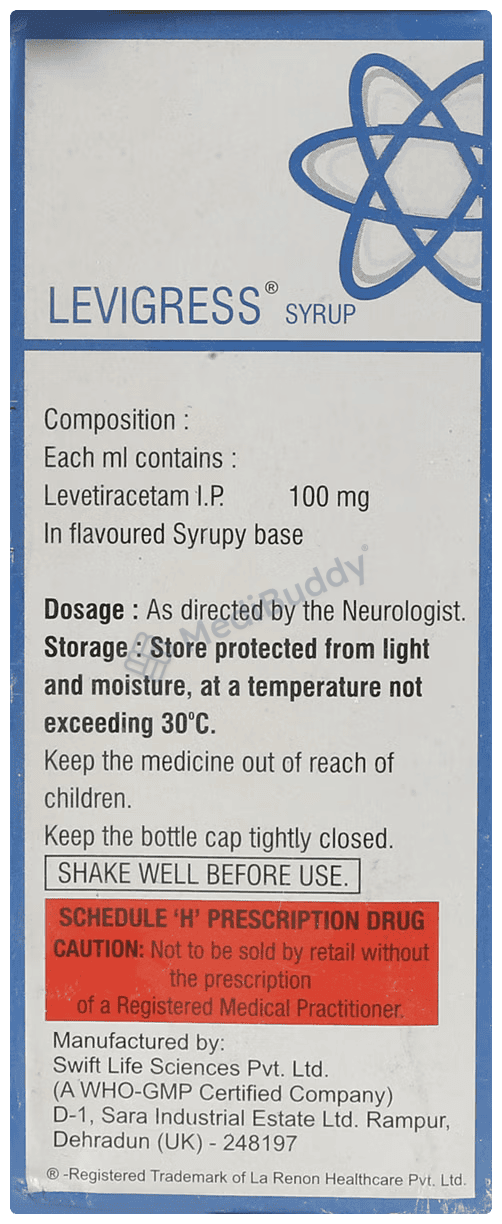
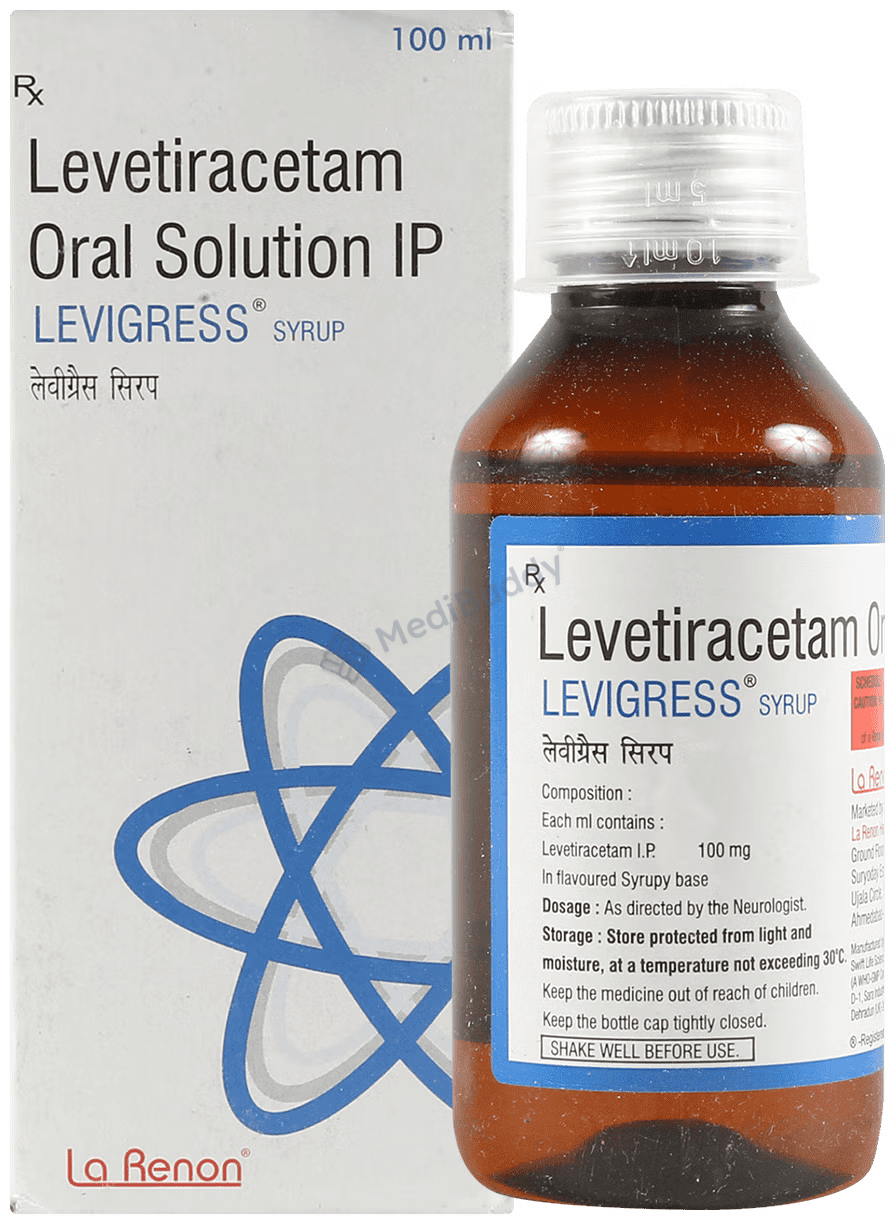
Levigress Syrup
By Levigress
Rx
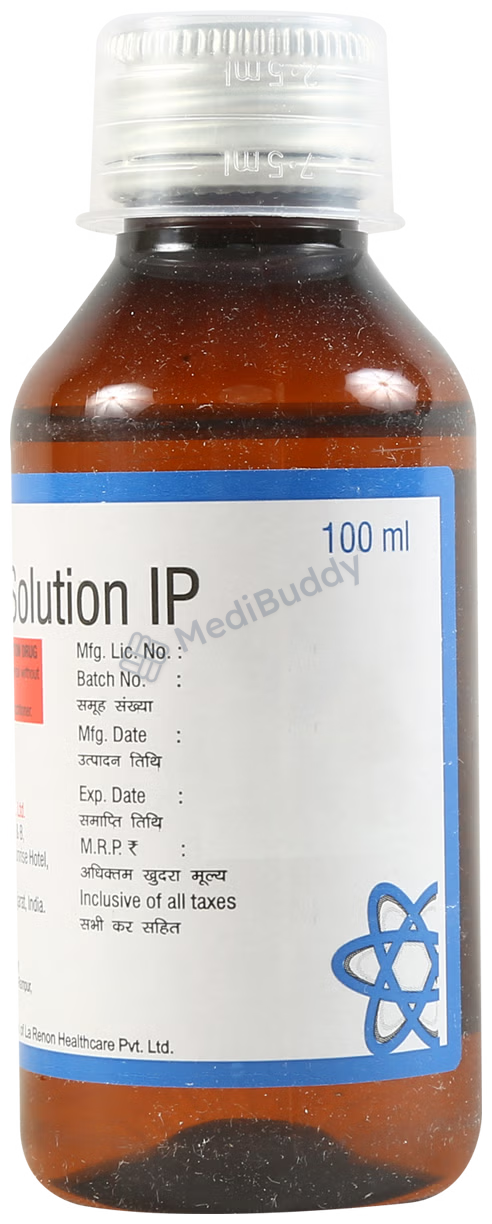
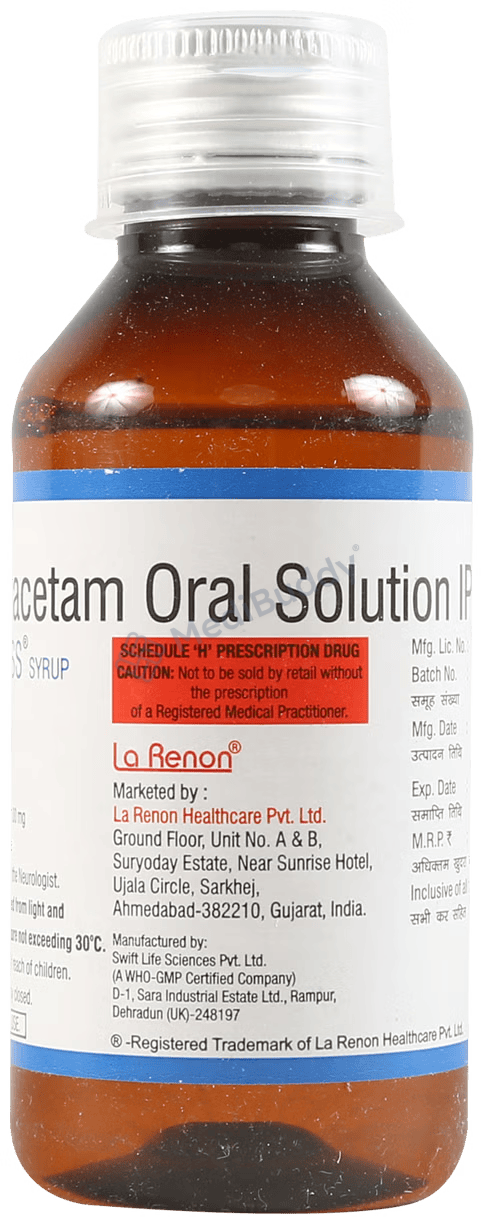
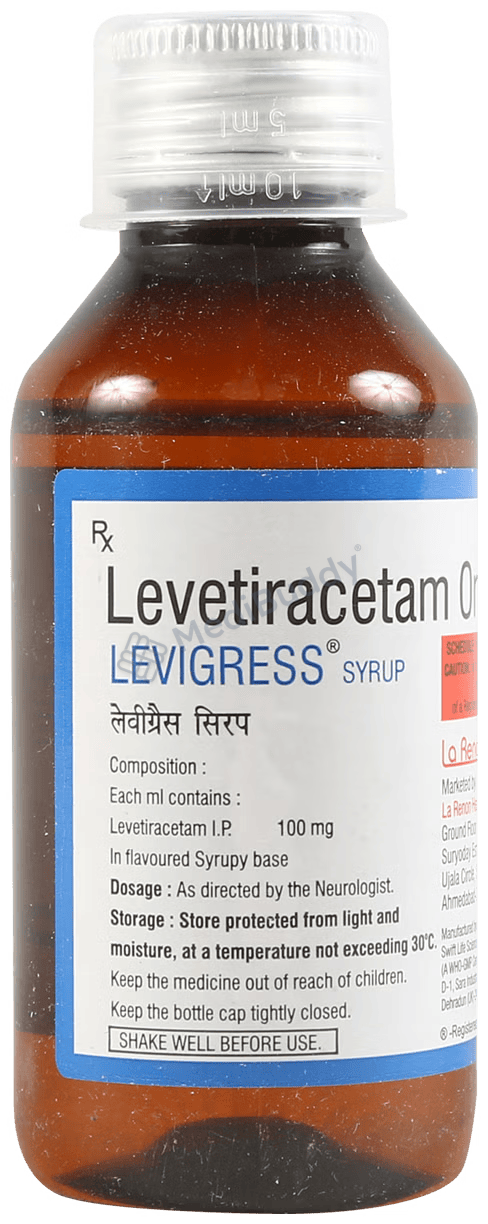
100ml Syrup in a Bottle

Composition
Levetiracetam(100mg)

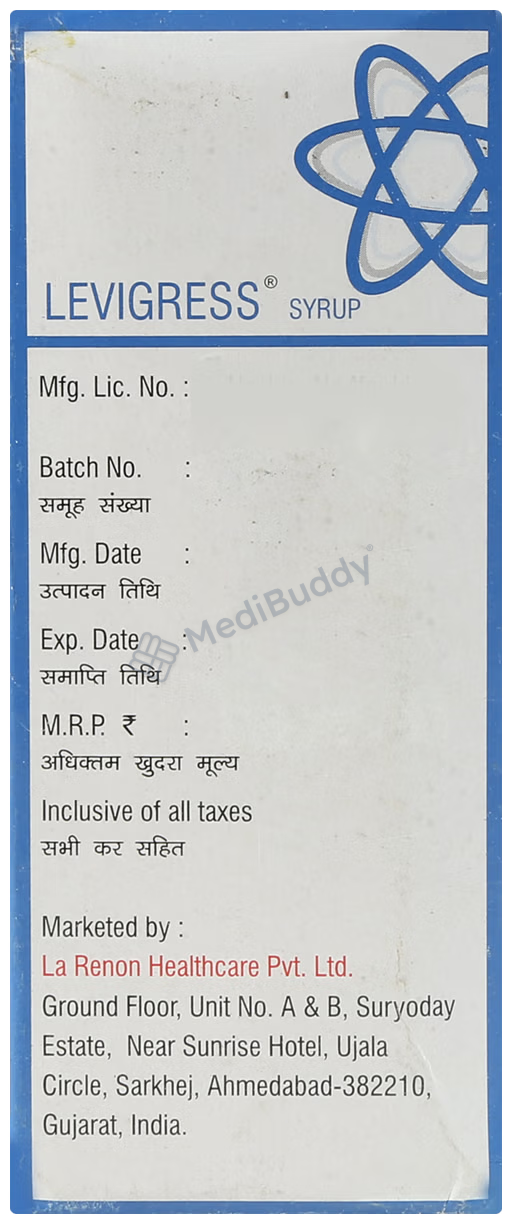
Manufacturer - La Renon Healthcare Pvt Ltd
Behind Rajpath Club, Kensville Road, Opp. Infostretch Building, Off S.G. Highway, Ahmedabad- 380059, Gujarat- India

Expires on or after
May, 2027
About Levigress Syrup
Levigress Syrup is a medication used to treat seizures in epilepsy. It can be taken alone or in combination with other medicines to help prevent seizures as long as it is taken consistently. The syrup works by reducing abnormal electrical activity in the brain that can trigger seizures. It is recommended to take Levigress Syrup at the same time each day for maximum effectiveness, with or without food, as per your doctor's instructions.
The dosage of Levigress Syrup varies depending on individual conditions and response to the medication. It is generally advised for long-term use, even if the patient feels better. Missing doses or stopping treatment abruptly can worsen seizures. Common side effects of Levigress Syrup may include headache, irritation, sleepiness, behavior changes, aggression, and decreased appetite. These side effects are more common in the initial weeks of treatment and usually diminish as the body adjusts to the medication. It is important to contact your doctor if you experience any unusual mood changes or serious side effects.
Levigress Syrup contains Levetiracetam, an anti-convulsant medication that targets abnormal brain signals responsible for seizures. It helps suppress specific brain areas causing abnormal activity and prevents the spread of electrical signals triggering seizures. The medication reduces the frequency of seizures but does not cure epilepsy. It is essential to follow your doctor's prescribed dosage regimen and be aware of potential side effects such as drowsiness, dizziness, or weakness, which typically improve over time.
Prior to starting Levigress Syrup, inform your doctor about any existing kidney problems, history of depression or suicidal thoughts, and pregnancy or breastfeeding status. Regular monitoring, including blood tests, may be recommended by your doctor, especially if you have kidney issues. Levigress Syrup is generally not recommended for children under specific age groups and caution is advised for certain populations, such as pregnant women or those with certain health conditions. Be vigilant for possible signs of serious side effects like thoughts of self-harm and promptly consult your doctor if you notice any concerning symptoms.
Benefits
Levigress Syrup, which contains Levetiracetam, falls under the category of anticonvulsants or anti-epileptics. This medication is particularly beneficial in the treatment of epilepsy and seizures by slowing down the electrical signals in the brain that give rise to fits. Levigress Syrup is effective in managing various types of seizures including myoclonic, partial-onset, and primary generalized tonic-clonic seizures. Apart from controlling seizures, it can also alleviate accompanying symptoms such as confusion, uncontrollable jerking movements, loss of awareness, as well as fear and anxiety.
A notable advantage of Levigress Syrup is its ability to enable individuals to engage in activities they may have previously avoided due to the fear of seizures, such as swimming and driving. Although it may take a few weeks for the medicine to take full effect as the dosage needs to be gradually increased, it is imperative to continue taking it as prescribed even if there are no seizure episodes. Discontinuing the medication without medical advice can increase the risk of triggering seizures. Levigress Syrup works by targeting specific brain areas responsible for abnormal activity, effectively reducing the frequency of seizures without curing epilepsy.
Ultimately, the benefits of Levigress Syrup lie in its capacity to effectively manage seizures associated with epilepsy, offering individuals the opportunity to lead a more fulfilling and active life with proper seizure control and symptom alleviation.
How to use the Levigress Syrup
When using Levigress Syrup, it is important to follow the instructions provided by your doctor carefully. Check the label for directions before using the syrup. To take the syrup, shake the bottle well to ensure proper mixing. Use the measuring cup, dosing syringe, or dropper provided in the pack to measure the prescribed dose, then take it by mouth. It is recommended to take Levigress Syrup at a fixed time each day for best results. Your doctor will determine the correct dose and duration based on factors like your age, body weight, and the specific condition being treated. Remember to follow your physician's advice to ensure the safe and effective use of Levigress Syrup.
Uses of Levigress Syrup
Levigress Syrup is commonly employed in the treatment of epilepsy or seizures. This syrup is specifically designed to help individuals manage the symptoms associated with epilepsy. By using Levigress Syrup, patients can effectively control their seizures and improve their overall quality of life.
What conditions Levigress Syrup treats?
Levigress Syrup is designed to help manage epilepsy, a chronic brain disorder causing seizures. The condition involves a chemical change in brain cells leading to sudden bursts of electrical activity, resulting in jerky movements. Epilepsy cannot be cured but can be controlled.
Should you consult a doctor?
Seek medical attention if you experience any unusual symptoms while taking Levigress Syrup. It is important to consult a doctor if you notice any signs of salt imbalance, as this could affect your health. Symptoms of salt imbalance may include excessive thirst, confusion, weakness, irregular heartbeat, or swelling in the hands or feet. If you experience any of these symptoms or any other concerning issues, contact your healthcare provider for further evaluation and guidance. Your doctor will be able to assess your condition and determine the best course of action to address any potential health concerns related to Levigress Syrup.
Side effects of Levigress Syrup
When taking Levigress Syrup, you may experience some side effects as your body gets used to the medicine. These side effects are usually not serious and may go away on their own. However, if they persist or if you are concerned, it is important to consult your doctor. Common side effects of Levigress Syrup may include sleepiness, dizziness, fatigue, headache, decreased appetite, and behavioral changes such as aggression, irritation, or agitation. You may also experience symptoms like nasal congestion, infections, convulsions, and inflammation of the throat and nasal passages. Other possible side effects include nausea, tremors, vertigo, and lethargy. In some cases, Levigress Syrup may cause more serious side effects such as decreased blood platelets or white blood cells, weight changes, emotional instability, memory loss, tingling sensations, blurred vision, muscle weakness or pain, and inflammation of the nose and throat. Additionally, severe side effects like seizures, muscle spasms, difficulty in controlling movements, heart rhythm changes, and delirium may occur. If you experience signs of an allergic reaction, swelling of the face, sudden decrease in kidney function, skin rash with blisters, or serious mental changes, it is crucial to stop taking the syrup immediately and seek medical help. If you notice any unusual or severe side effects while using Levigress Syrup, it is essential to inform your doctor promptly.
Safety advice

liver
It appears that Levigress Syrup is likely safe to use for patients with liver disease. The available data indicates that adjusting the dose of Levigress Syrup may not be necessary for these patients. It is recommended to consult with your doctor before starting the syrup. In cases of severe liver disease, a lower dose of Levigress Syrup may be advised.

kidney
Use Levigress Syrup carefully if you have kidney disease. Your doctor may need to adjust the dose. Consult your doctor before taking it.

alcohol
It is not safe to drink alcohol while taking Levigress Syrup. This combination can be harmful. Avoid alcohol with Levigress Syrup.

driving
When taking Levigress Syrup, be cautious about driving because it could lower your alertness, impact your vision, and cause drowsiness or dizziness. Avoid driving if you experience these symptoms.

pregnancy
Levigress Syrup is considered safe for use during pregnancy. Studies indicate minimal risk to the developing baby.

breastfeeding
During breastfeeding, it seems safe to use Levigress Syrup. Limited data shows no significant risk to the baby. Monitor for signs like sleepiness and proper weight gain.
Age above 75(Geriatrics)
Age below 6 months(Pediatrics)
Consumption warning before consuming Levigress Syrup
Before consuming Levigress Syrup, it's crucial to be aware of certain warnings. Combining this syrup with other anti-epileptic medications can lead to severe effects like extreme drowsiness, breathing issues, coma, or even death. Individuals with a history of alcohol or drug abuse should exercise extreme caution when using Levigress Syrup. Driving or operating heavy machinery should be avoided if consuming this syrup along with alcohol, as it can induce dizziness and impaired concentration. Any feelings of excessive suicidal thoughts, trouble concentrating, sleep disturbances, dizziness, or unusual sleepiness should be promptly reported to your doctor. Pregnant or nursing women should seek medical advice before using this syrup as it falls under Category C pregnancy medication. Avoid Levigress Syrup if you have allergies to any of its components, lung or liver disease, glaucoma, or sleep apnoea. Serious allergic reactions, known as anaphylaxis, may occur, warranting immediate medical attention if symptoms like rash, itching, breathing difficulties, or swelling occur.
What if you forgot to take Levigress Syrup?
If you forget to take your Levigress Syrup at the scheduled time, take it as soon as you remember. But if it's almost time for your next dose, just skip the missed one and continue with your usual dosing routine. Remember never to double up on doses, as this can increase the risk of side effects.
What happens if you take overdose of Levigress Syrup?
In case of accidental intake of an additional dose of Levigress Syrup, it is important to seek immediate medical help by consulting a doctor or visiting the nearest hospital. Symptoms of an overdose of Levigress Syrup may include increased sleepiness, heightened aggression, restlessness, difficulty breathing, or reduced alertness. It is crucial to address any potential overdose situation promptly to ensure proper medical intervention and care.
Related lab tests
In order to evaluate the effectiveness and safety of Levigress Syrup, several related lab tests can be conducted. An EEG (Electroencephalogram) test can be carried out to assess electrical activity in the brain. This test helps in monitoring brain function and detecting any abnormalities that may result from using the syrup. Additionally, an MRI (Magnetic Resonance Imaging) scan can be performed to provide detailed images of the brain and detect any structural changes or abnormalities. These two lab tests are important in assessing the impact of Levigress Syrup on brain health and functioning.
Additional Information
| Habit Forming | No |
| Chemical Class | Pyrrolidinone & Acetamide Derivative |
| Therapeutic Class | NEURO CNS |
| Action Class | Synaptic vescicle 2 A protein ligand (AED) |
FAQs
Disclaimer
The information provided on this website is to the best of our abilities to ensure it is accurate, reliable, and reviewed by a team of professionals. It should not be used to diagnose, prevent, or cure any health problem. The information presented here is not intended to create a doctor-patient relationship or replace a registered medical practitioner's advice, diagnosis, or treatment. The absence or provision of any information or warning regarding any medicine should not be assumed as an implied or explicit assurance of safety or efficacy. We highly recommend consulting your registered medical practitioner for all queries or doubts related to your medical condition. Do not ignore professional medical advice or delay seeking it based on the content encountered on our website. We intend to support, not replace, the doctor-patient relationship.
₹443
Inclusive of all taxes
Content verified by

Dr. Gowri Kulkarni
MBBS - General Medicine, DNB - Psychiatry, MRCGP [INT] Family Medicine, BSIC (BACP)
Last update on 11-Feb-2025


