








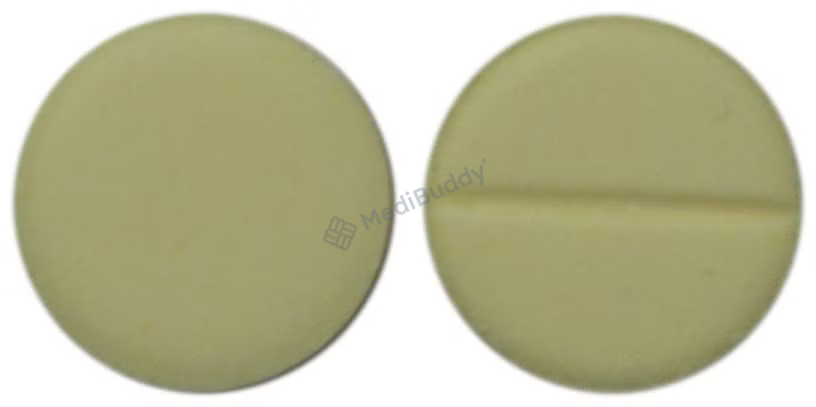
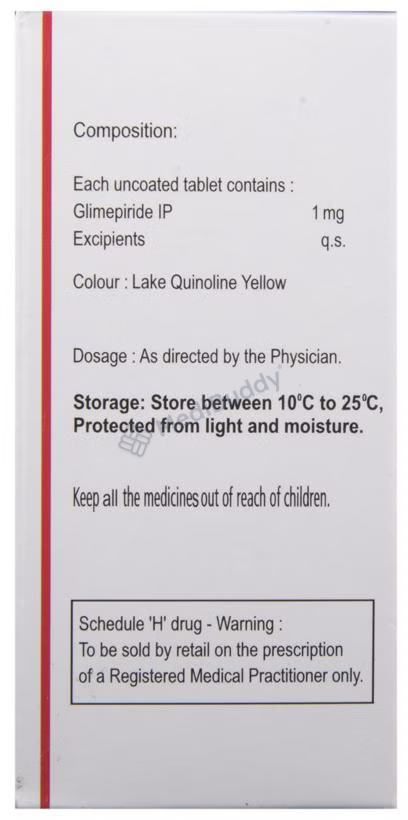
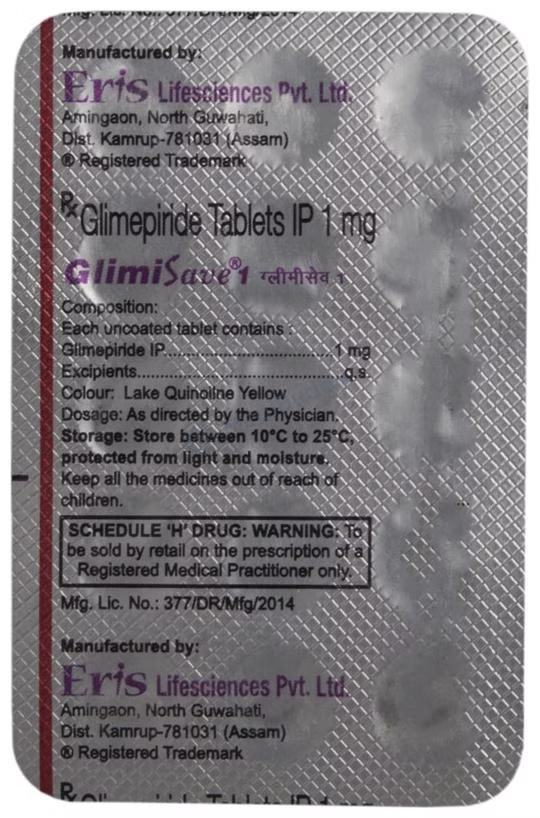
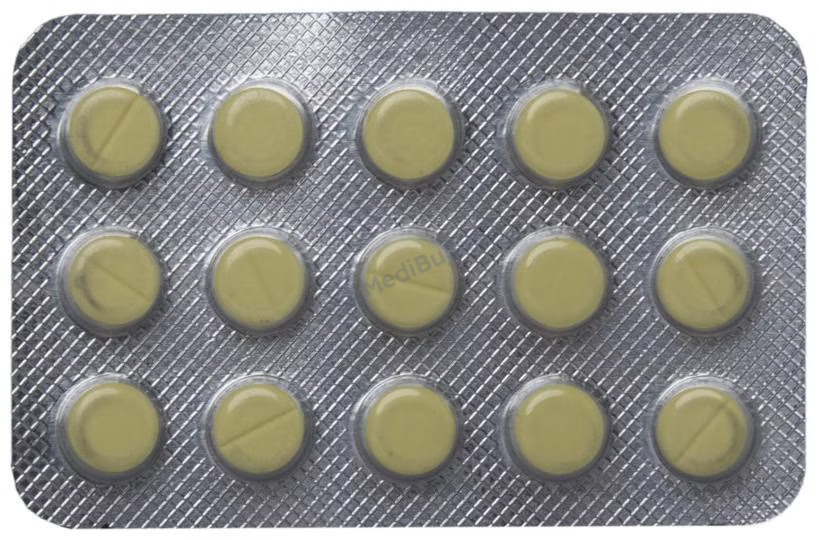
Glimisave 1 Tablet

By Glimisave

Rx

15 Tablet in a Strip

Composition icon

Composition

Glimepiride(1mg)

Manufacturer - Eris Lifesciences Ltd icon

Manufacturer - Eris Lifesciences Ltd

8th Floor, Commerce House IV, Prahladnagar, Ahmedabad – 380015 Gujarat, India

Expires on or after icon

Expires on or after

January, 2028

About Glimisave 1 Tablet

Glimisave 1 Tablet is a medication belonging to a group of medicines known as sulfonylureas. It is specifically designed to treat adults with type 2 diabetes mellitus by helping to regulate their blood sugar levels. By effectively managing blood sugar levels, Glimisave 1 Tablet plays a crucial role in preventing severe complications associated with diabetes, such as kidney damage and blindness.

This medication can be used either on its own or in combination with other medicines, and it is recommended to be taken just before or with the first meal of the day. Consistency is key when taking Glimisave 1 Tablet, so it should be consumed at the same time each day to achieve the maximum benefits. Your doctor will determine the appropriate dosage for you, which may require adjustments based on your blood sugar levels over time.

It is important to continue taking Glimisave 1 Tablet as prescribed, even if you feel well or if your blood sugar levels are under control. Abruptly stopping the medication without consulting your doctor can lead to a spike in blood sugar levels, putting you at risk of diabetes-related complications. In addition to medication, maintaining a healthy lifestyle involving a balanced diet, regular exercise, and weight management as advised by your doctor is essential in controlling diabetes.

Common side effects of Glimisave 1 Tablet may include low blood sugar levels (hypoglycemia), nausea, headaches, weakness, and dizziness. To prevent hypoglycemia, it's crucial to be able to recognize its symptoms and take necessary actions. Always carry a fast-acting source of glucose, like sugary food or fruit juice, and avoid excessive alcohol consumption which can increase the risk of low blood sugar. Some individuals may also experience weight gain while on this medication.

Individuals with type 1 diabetes mellitus, diabetic ketoacidosis, severe kidney or liver disease, or certain underlying health conditions should not take Glimisave 1 Tablet. Pregnant or breastfeeding women should consult their doctor before starting this medication. Regular monitoring of blood sugar levels and additional blood tests may be recommended by your doctor to ensure the medication's effectiveness and your well-being.


Benefits

Glimisave 1 Tablet provides several benefits in the treatment of Type 2 diabetes mellitus. By increasing the production of insulin in the pancreas, this medication helps to lower the blood glucose level in the body. Managing and controlling blood glucose levels is crucial for individuals with diabetes, and by taking Glimisave 1 Tablet as prescribed, along with maintaining a proper diet and regular exercise routine, one can significantly reduce the risk of developing serious complications associated with diabetes. These complications include kidney damage, eye damage, nerve problems, and even loss of limbs. By keeping blood glucose levels in check through the use of Glimisave 1 Tablet, individuals can lead a normal and healthy life, mitigating the risks associated with uncontrolled diabetes. The combination of Glimepiride and Metformin in Glimisave 1 Tablet further enhances its effectiveness in managing diabetes by stimulating insulin production in the pancreas, reducing sugar production by liver cells, delaying sugar absorption from the intestines, and increasing muscle cells' sensitivity to insulin for better sugar removal from the blood. Overall, Glimisave 1 Tablet is a crucial medication that, when used consistently alongside lifestyle changes, plays a vital role in effectively managing Type 2 diabetes and improving overall health outcomes.


How to use the Glimisave 1 Tablet

To properly use Glimisave 1 Tablet, follow your doctor's instructions regarding the dose and duration. It is important to swallow the tablet whole with a glass of water. Avoid chewing, crushing, or breaking the tablet. Additionally, it is recommended to take Glimisave 1 Tablet with food to improve its effectiveness. Remember to never alter the form of the tablet before ingestion, as this may impact its efficacy. For Glimisave 1 Tablet, follow the same instructions provided by your doctor. Swallow the tablet whole with water, and do not crush or break it. Adhering to these guidelines will help ensure the safe and proper use of these medications.


Uses of Glimisave 1 Tablet

Glimisave 1 Tablet is used in the treatment of Type 2 diabetes mellitus. It is prescribed to help manage high blood sugar levels in patients with this condition. Type 2 diabetes mellitus is a chronic metabolic disorder characterized by insulin resistance and high blood glucose levels. Glimisave 1 Tablet works by improving insulin sensitivity, which helps the body to effectively use glucose for energy production. This medication plays a crucial role in controlling blood sugar levels and reducing the risk of complications associated with uncontrolled diabetes. It is essential to follow the prescribed dosage and instructions provided by your healthcare provider to effectively manage Type 2 diabetes mellitus with the help of Glimisave 1 Tablet.


What conditions Glimisave 1 Tablet treats?

Glimisave 1 Tablet is commonly used in the management of type 2 diabetes. Type 2 diabetes is a long-lasting condition that affects how the body uses insulin. Individuals with type 2 diabetes may not produce enough insulin or have resistance to its action. This condition is often seen in middle-aged or older individuals, also known as adult-onset diabetes. Common symptoms include frequent urination, increased thirst, slow wound healing, fatigue, and blurred vision. Complications may lead to nerve, kidney, and eye problems, as well as an increased risk of heart attack or stroke.


Should you consult a doctor?

If you experience persistent side effects such as low blood sugar levels (hypoglycemia), headache, nausea, dizziness, or weakness while taking Glimisave 1 Tablet, it is advisable to consult your doctor. These side effects may require medical attention, especially if they persist or if you are concerned about them. Additionally, if you notice symptoms of low blood sugar levels such as sweating, shaking, dizziness, or headache, it is important to seek medical help promptly.


Moreover, if you have any concerns about your overall health condition or if you are considering changes to your medication regimen, it is essential to discuss this with your doctor. Remember, your healthcare provider is the best person to guide you on how to manage your diabetes effectively and to address any potential issues that may arise during the treatment.


Overall, proactive communication with your healthcare provider is crucial for ensuring the safe and effective management of your diabetes while taking Glimisave 1 Tablet.


Side effects of Glimisave 1 Tablet

When taking Glimisave 1 Tablet, there are some potential side effects you should be aware of. Most side effects are mild and may go away as your body gets used to the medication. However, if any of the following persist or if you are concerned, it is important to consult your doctor for advice. Some common side effects of Glimisave 1 Tablet include hypoglycemia (low blood glucose level), headache, nausea, dizziness, and weakness. Additionally, you may experience stomach pain, diarrhea, vomiting, and a metallic taste in your mouth. If you have any worries about these side effects, it is best to seek guidance from your healthcare provider.


Safety advice

scroll

liver

When taking Glimisave 1 Tablet, it is important to be cautious if you have liver disease. Patients with liver issues may need their dosage of Glimisave 1 Tablet adjusted, so it's advisable to consult with your doctor before use. However, individuals with severe liver disease are advised not to use Glimisave 1 Tablet due to the risk of experiencing very low blood sugar levels. In some cases, these low blood sugar levels might normalize over time. It's crucial to take Glimisave 1 Tablet with care if you have a history of liver diseases or conditions, and your doctor may need to make dosage adjustments accordingly.

scroll

kidney

Glimisave 1 Tablet should be used cautiously in patients with kidney disease. Dose adjustment may be necessary, and consulting your doctor is essential. Avoid use in severe kidney disease as it may cause very low blood sugar levels that may normalize over time. For Glimisave 1 Tablet, caution is advised, particularly with a history of kidney conditions, and dosing adjustments may be recommended by your doctor.

scroll

alcohol

Avoid consuming alcohol when taking Glimisave 1 Tablet, as it can be unsafe and may increase the risk of lactic acidosis.

scroll

driving

"Caution - Driving Your blood sugar levels can impact your driving ability. Do not drive if blood sugar is too low or too high. Glimisave 1 Tablet can reduce alertness in some individuals, so only drive when fully alert after taking the medication."

scroll

pregnancy

Glimisave 1 Tablet may be harmful during pregnancy, based on animal studies. Your doctor will assess the risks and benefits before prescribing. Consult your doctor if you are pregnant or planning for pregnancy.

scroll

breastfeeding

Glimisave 1 Tablet is likely unsafe during breastfeeding, as it may pass into breastmilk and harm the baby. It's advised to monitor the infant's blood glucose if the mother is on this medication. Avoid breastfeeding when taking Glimisave 1 Tablet as it can excrete into breastmilk causing adverse effects. Consult a doctor if breastfeeding while on this medication.


Consumption warning before consuming Glimisave 1 Tablet

Before consuming Glimisave 1 Tablet, it is crucial to consider certain warnings. If you have allergies to Glimisave 1 Tablet or any other medications, inform your doctor. This medication is not suitable for children and should be avoided during breastfeeding, as it may pass into human milk. Pregnant or planning to be pregnant individuals should consult their doctor due to potential harm to the unborn baby. Avoid alcohol while taking Glimisave 1 Tablet to prevent lactic acidosis. Drive only when fully alert after taking this medication. It is recommended to have short, frequent meals and avoid prolonged fasting. Be aware of hypoglycemia symptoms like sweating, dizziness, and intense thirst. Keep candies, glucose biscuits, or honey/sugar with you at all times, especially during long trips, and consult a doctor if symptoms occur.


What if you forgot to take Glimisave 1 Tablet?

If you forget to take a dose of Glimisave 1 Tablet, don't worry. Simply skip the missed dose and continue with your next dose as scheduled. It's important not to double up on doses to make up for the missed one. Just resume your regular dosing schedule.


Related lab tests

When taking Glimisave 1 Tablet, it is important to monitor your glucose levels to ensure the medication is working effectively. The following lab tests are relevant for patients using this medication:


1. Glucose - Fasting Blood: This test measures the level of glucose in your blood after fasting for at least 8 hours. It helps to determine your baseline glucose level.


2. Glucose - Postprandial Blood: This test measures the level of glucose in your blood 2 hours after eating a meal. It helps to assess how well your body processes sugar after eating.


3. Glycosylated Hemoglobin: This test, also known as HbA1c, provides an average of your blood sugar levels over the past 2-3 months. It is used to monitor long-term glucose control and assess the effectiveness of treatment.


Regular monitoring of these lab tests will help you and your healthcare provider track and manage your glucose levels while taking Glimisave 1 Tablet.


Additional Information

Habit FormingNo
Chemical ClassThird-generation Sulfonylurea Derivative
Therapeutic ClassANTI DIABETIC
Action ClassSulfonylureas (Insulin Secretogogues)

FAQs


Disclaimer

The information provided on this website is to the best of our abilities to ensure it is accurate, reliable, and reviewed by a team of professionals. It should not be used to diagnose, prevent, or cure any health problem. The information presented here is not intended to create a doctor-patient relationship or replace a registered medical practitioner's advice, diagnosis, or treatment. The absence or provision of any information or warning regarding any medicine should not be assumed as an implied or explicit assurance of safety or efficacy. We highly recommend consulting your registered medical practitioner for all queries or doubts related to your medical condition. Do not ignore professional medical advice or delay seeking it based on the content encountered on our website. We intend to support, not replace, the doctor-patient relationship.

61.58

Inclusive of all taxes

Content verified by

chevron-right

Dr. Gowri Kulkarni

MBBS - General Medicine, DNB - Psychiatry, MRCGP [INT] Family Medicine, BSIC (BACP)

Last update on 27-Sep-2024