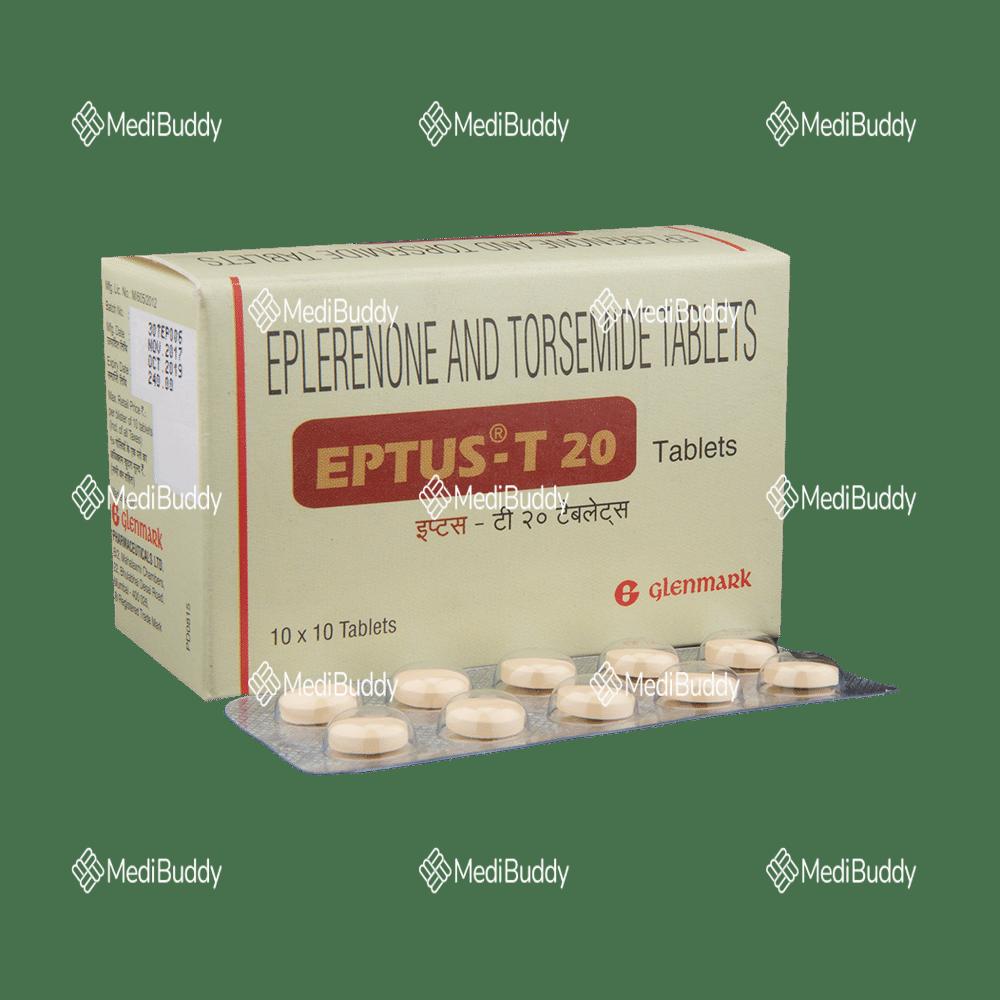
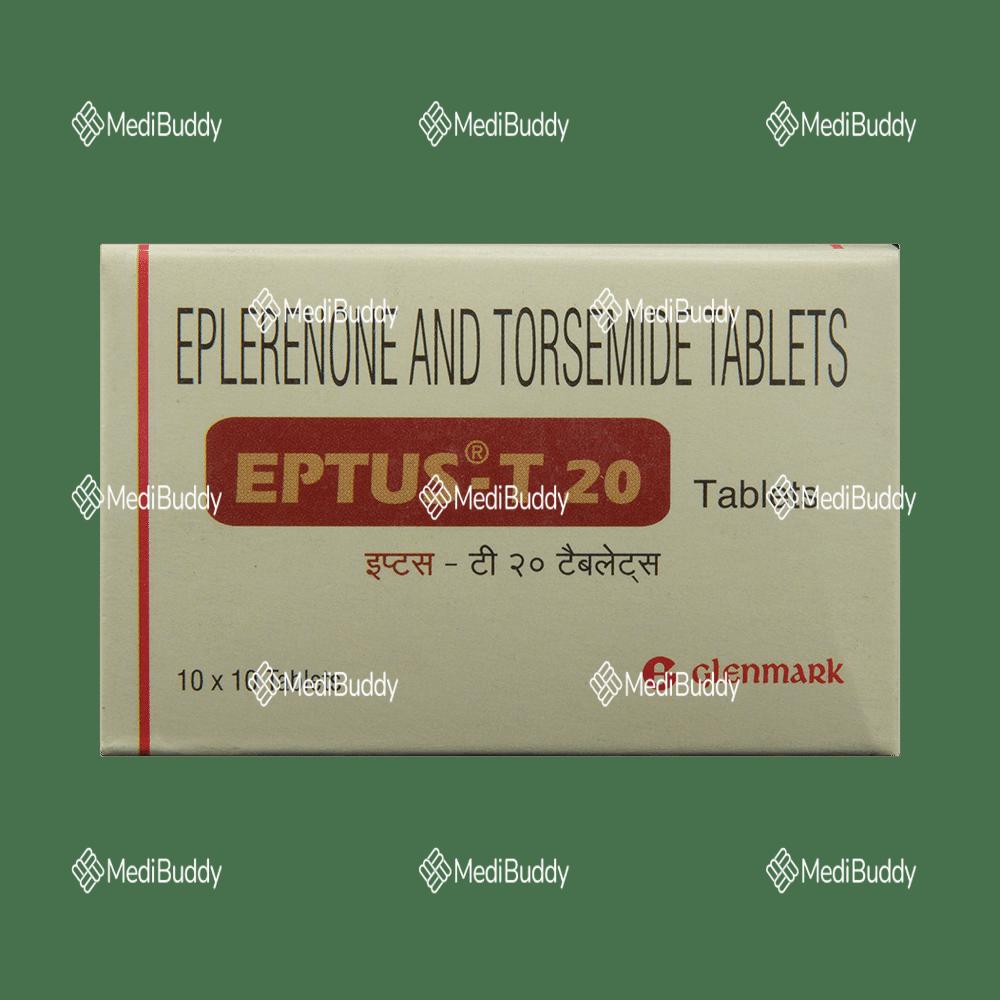
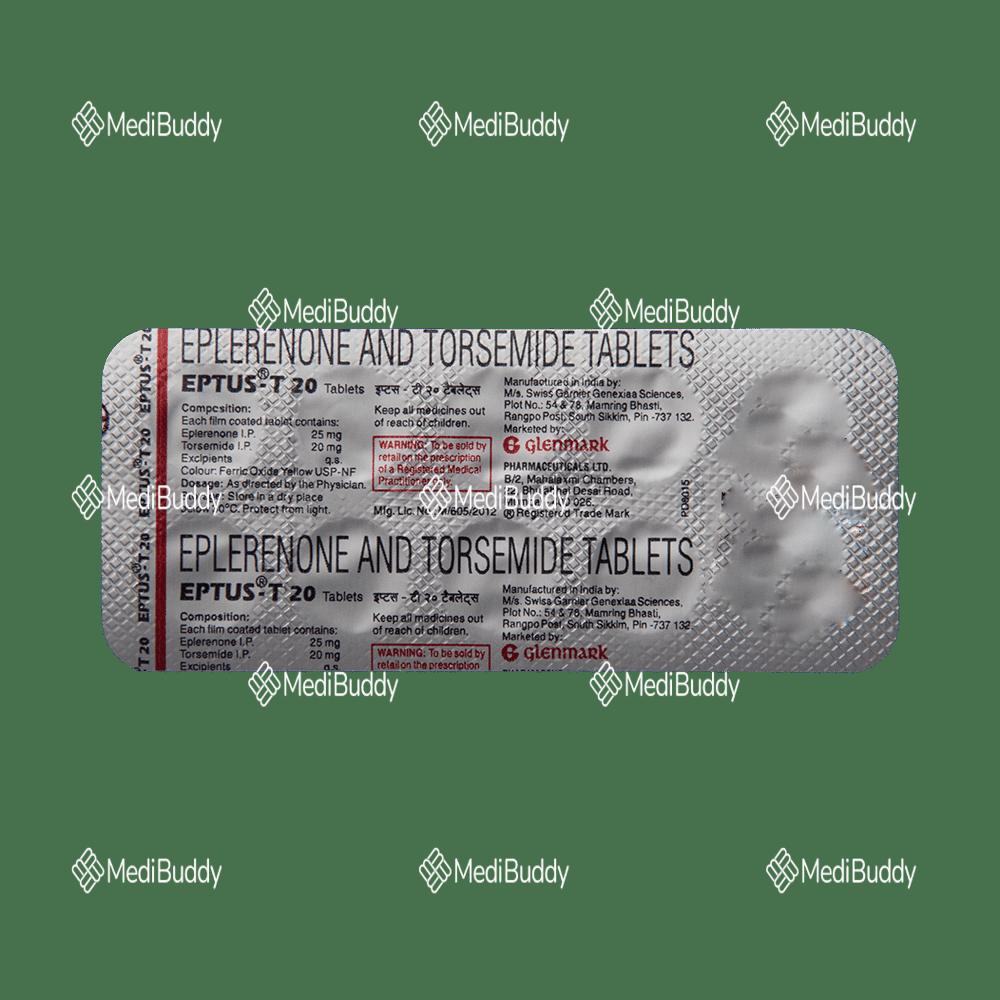
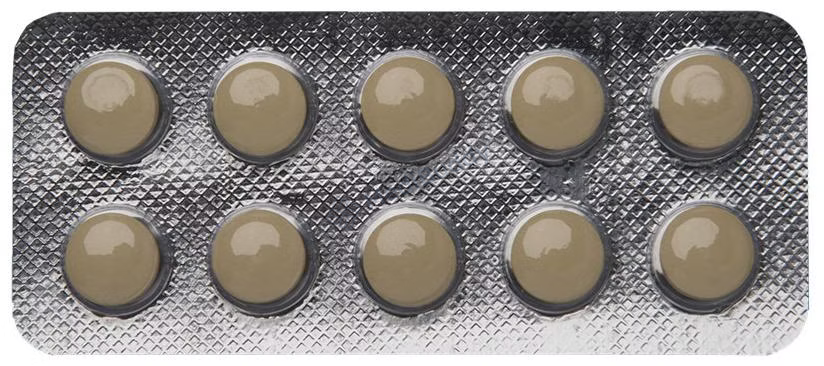
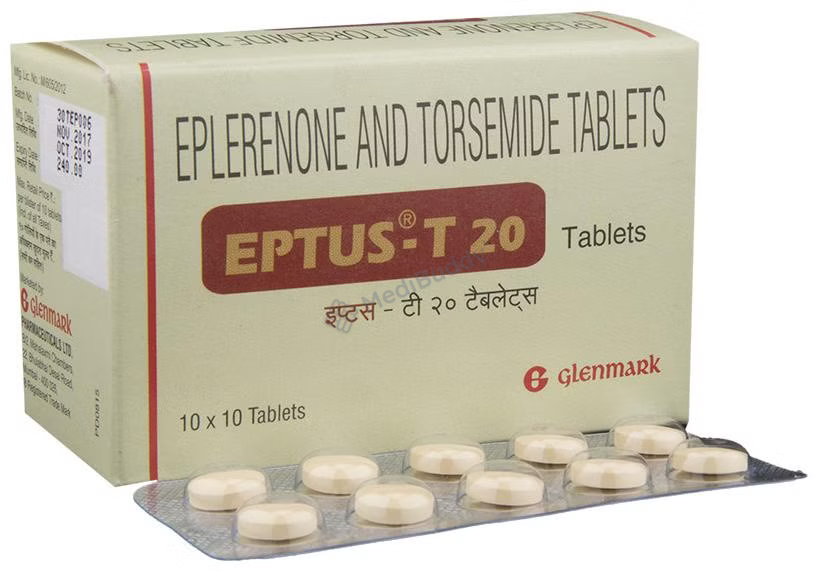
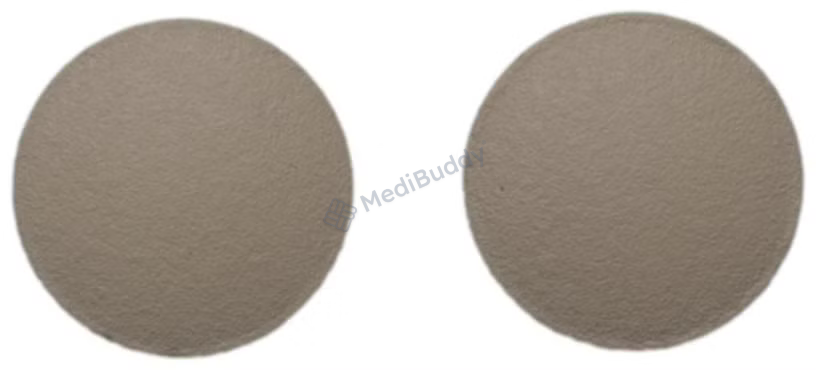
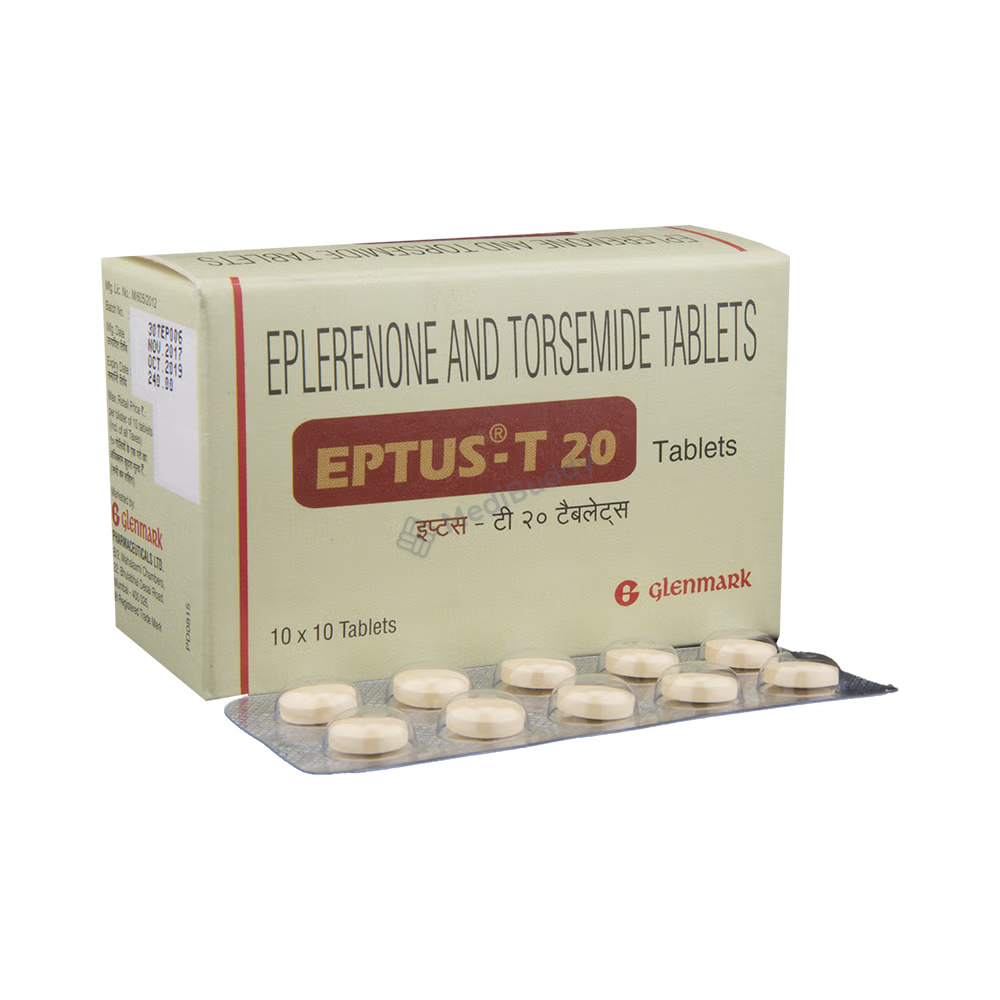
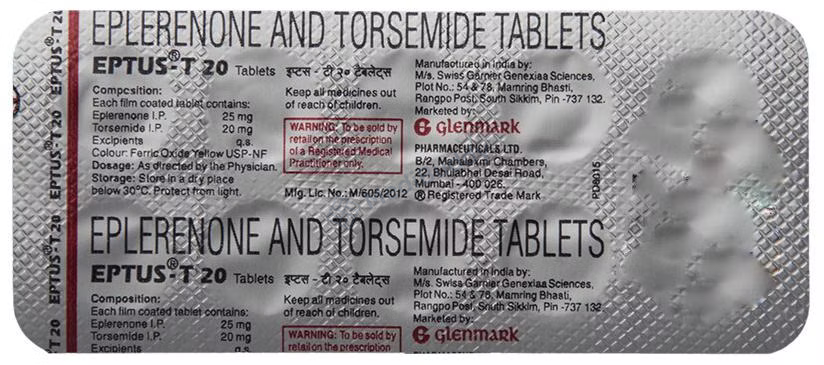
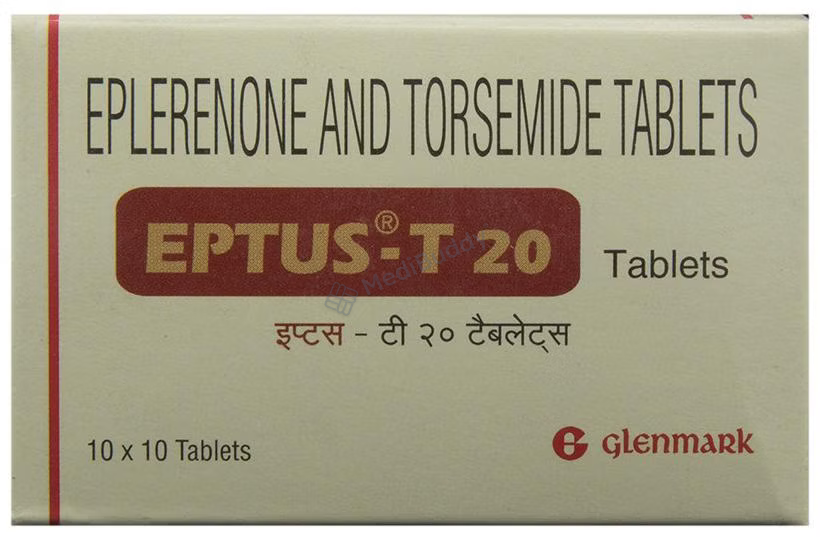
Eptus-T 20 Tablet

By Eptus-T

Rx

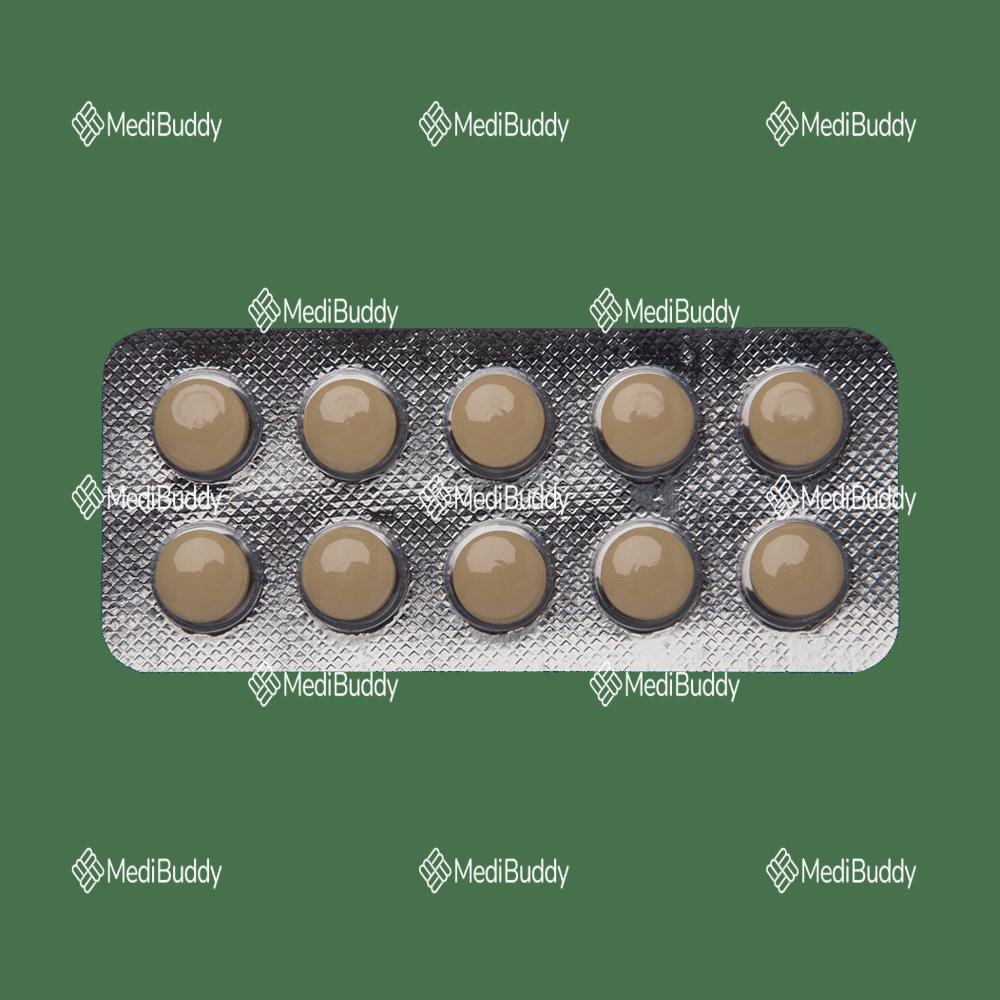
10 Tablet in a Strip

Composition icon

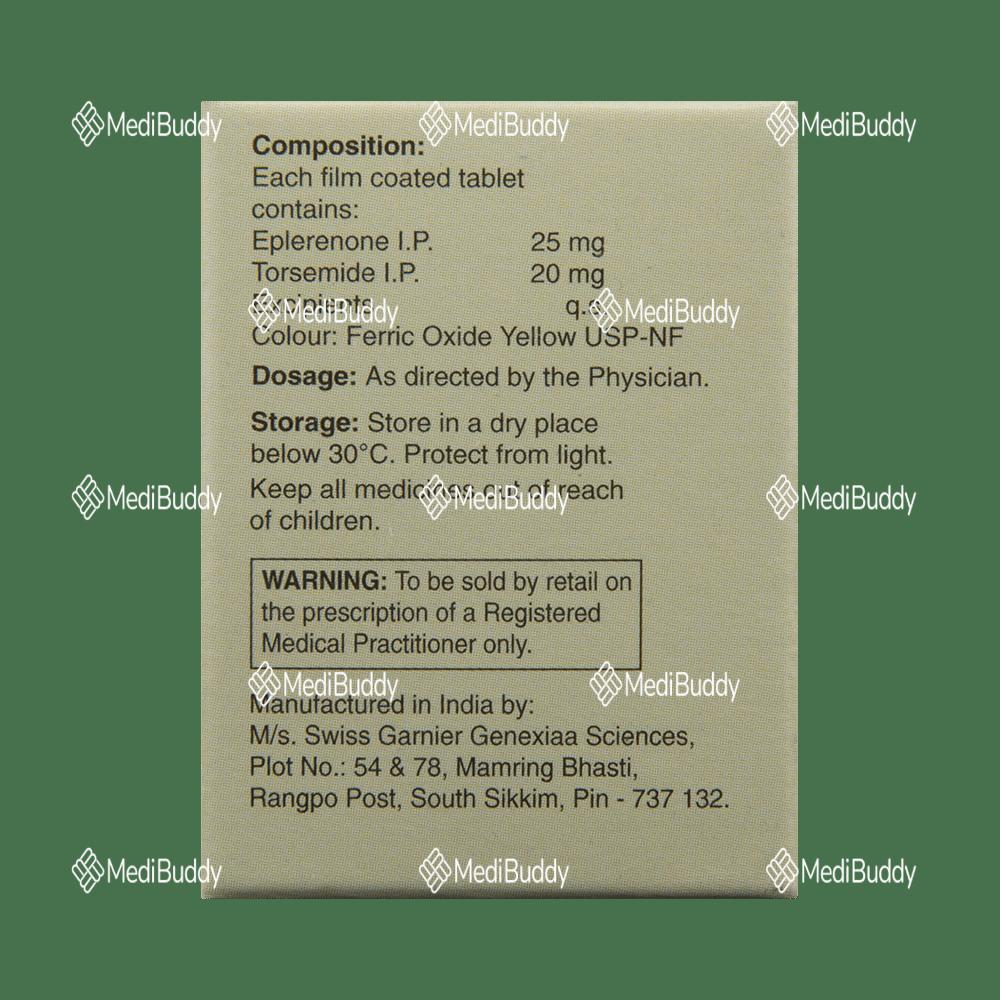
Composition

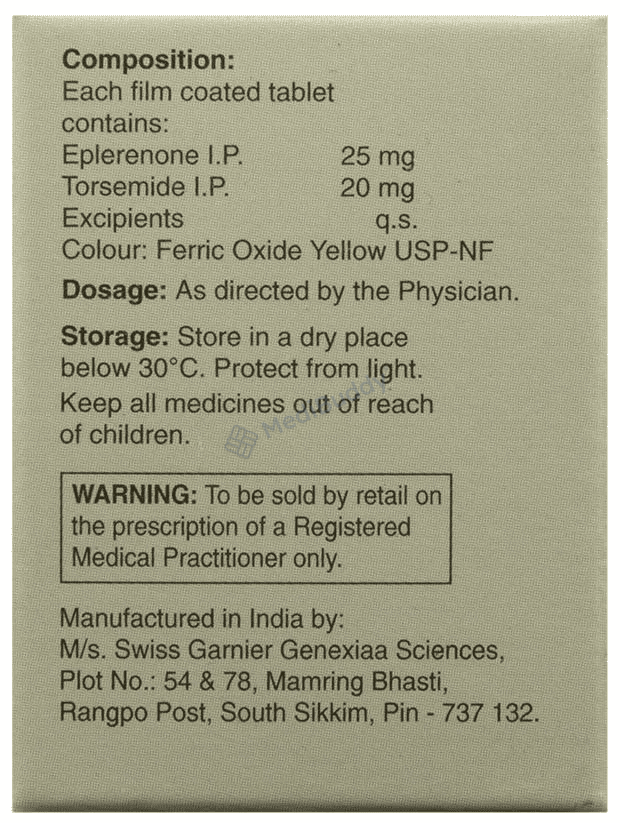
Eplerenone(25mg) + Torasemide(20mg)

Manufacturer - Glenmark Pharmaceuticals Ltd icon

Manufacturer - Glenmark Pharmaceuticals Ltd

Glenmark Pharmaceuticals Limited, B/2, Mahalaxmi Chambers, 22, Bhulabhai Desai Road, Mumbai – 400 026.

Expires on or after icon

Expires on or after

January, 2028

About Eptus-T 20 Tablet

Eptus-T 20 Tablet is a medication used to treat congestive heart failure post-myocardial infarction (heart attack) and hypertension. It is a combination of two medicines - Eplerenone and Torsemide. Eptus-T 20 Tablet belongs to a class of medicines called diuretics, also known as water pills, which work by removing excess water from the body. This helps reduce fluid levels in the body, relieving conditions such as oedema (fluid retention) associated with pulmonary hypertension, heart failure, and hepatic cirrhosis.

By increasing the amount of urine passed out from the kidneys, Eptus-T 20 Tablet effectively reduces swelling in various parts of the body caused by heart, liver, kidney, or lung diseases. This medication also helps lower high blood pressure by reducing the heart's workload and making it more efficient at pumping blood. By maintaining potassium levels in the bloodstream, Eptus-T 20 Tablet prevents hypertension due to fluid overload, ultimately reducing the risk of future heart attacks, strokes, or angina (chest pain).

It is recommended to take Eptus-T 20 Tablet in the morning with food to avoid frequent urination at night. Consistency in taking the medication at the same time each day yields better results. The dosage and frequency of intake should be determined by your doctor based on your condition and symptoms. Common side effects of Eptus-T 20 Tablet may include dehydration, constipation, dizziness, fatigue, diarrhea, and abdominal pain. Your doctor may also advise monitoring kidney function and electrolytes while on this medication.

Eptus-T 20 Tablet is generally safe to use during pregnancy or breastfeeding, but it is important to inform your doctor if you have any liver or kidney disease. It is crucial to disclose all other medications you are taking to avoid any interactions. Do not stop taking Eptus-T 20 Tablet without consulting your doctor, as it may lead to an increase in blood pressure and pose a risk to your heart health. If you experience persistent side effects or have underlying health conditions, seek medical advice promptly. Always follow your doctor's instructions regarding the duration and dosage of Eptus-T 20 Tablet to maximize its effectiveness in managing your condition.


Benefits

Eptus-T 20 Tablet offers multiple benefits for individuals dealing with congestive heart failure and hypertension. For those recovering from a heart attack and experiencing congestive heart failure, Eptus-T 20 Tablet plays a crucial role in managing the condition. By reducing sodium and water retention, this medication eases the strain on the heart and helps in controlling fluid buildup. Through its action in removing excess fluids and salt, Eptus-T 20 Tablet alleviates edema, thereby reducing pressure on the heart and enhancing cardiac function. Not only does it aid in managing blood pressure, but it also contributes to an improved quality of life for individuals navigating the challenges of heart-related conditions post-heart attack.

Furthermore, Eptus-T 20 Tablet is effective in treating hypertension, or high blood pressure, by helping to control blood pressure levels. By maintaining the bloodstream's potassium level and preventing hypertension caused by fluid retention, this medication reduces the risk of heart diseases, heart attacks, and strokes. Adopting a regimen of Eptus-T 20 Tablet, coupled with lifestyle changes such as maintaining a healthy diet and staying active, can significantly enhance its effectiveness in managing blood pressure and promoting overall heart health. By reducing excess fluid levels and relieving swelling associated with heart, liver, kidney, or lung diseases, Eptus-T 20 Tablet lightens the heart's workload and boosts its efficiency in pumping blood throughout the body. This dual action not only aids in lowering high blood pressure but also minimizes the likelihood of future cardiovascular events like heart attacks, strokes, or chest pain, ultimately contributing to a healthier and longer life for individuals using this medication.


How to use the Eptus-T 20 Tablet

To properly use Eptus-T 20 Tablet, follow your doctor's instructions on the dosage and duration of use. Take the tablet by swallowing it whole with a glass of water. Avoid chewing, crushing, or breaking the tablet before consumption. While you can take Eptus-T 20 Tablet with or without food, it is recommended to take it at the same time each day for better effectiveness. It is important to adhere to the prescribed dosage schedule to ensure the medication works as intended. If you have any questions or concerns about how to use Eptus-T 20 Tablet, consult your healthcare provider for further guidance.


Uses of Eptus-T 20 Tablet

The Eptus-T 20 Tablet is commonly used for treating congestive heart failure after a heart attack, managing hypertension (high blood pressure), and addressing oedema, which is an accumulation of too much fluid in the body. This medication is effective in improving heart function following a heart attack, controlling blood pressure levels, and reducing fluid overload. It is recommended for patients needing treatment for these conditions to help manage their symptoms and improve their overall health.


What conditions Eptus-T 20 Tablet treats?

Eptus-T 20 Tablet is used to treat conditions like oedema, which involves fluid accumulation in the body. Oedema is linked to pulmonary hypertension and heart failure, causing symptoms such as leg swelling, shortness of breath, chest pain, abnormal heart rhythms, and swelling in other body areas. This medication helps manage these symptoms effectively.


Should you consult a doctor?

If you experience persistent side effects such as dehydration, constipation, itching, decreased sodium levels in the blood, increased uric acid levels in the blood, abdominal pain, abnormal lipid profile, or increased liver enzymes, it is advised to consult your doctor. Additionally, if you are concerned about any side effects or if they continue for a prolonged period, seek medical attention.

For those being treated for congestive heart failure post-heart attack or hypertension, if you notice any worsening of symptoms or new onset of issues while taking Eptus-T 20 Tablet, it is important to contact your doctor promptly. Prompt medical attention can help address any concerns and ensure your treatment plan is appropriate for your condition.

If you are pregnant or breastfeeding, before starting Eptus-T 20 Tablet, consult your doctor, especially if you have liver or kidney disease. It is crucial to keep your healthcare provider informed about all medications you are taking to prevent any potential interactions or adverse effects. Remember to follow the prescribed dosage and frequency as advised by your doctor for optimal benefits.


Side effects of Eptus-T 20 Tablet

When taking Eptus-T 20 Tablet, some side effects may occur as your body gets used to the medication. These side effects are usually mild and go away on their own. However, if they persist or concern you, it is recommended to consult your doctor. Common side effects include dehydration, which can lead to electrolyte imbalances such as low calcium, magnesium, and sodium levels. Constipation and itching may also occur. Additionally, Eptus-T 20 Tablet may cause increased uric acid levels in the blood, abdominal pain, abnormal lipid profile, and increased liver enzymes. If you experience any of these side effects, it is important to seek medical advice.


Safety advice

scroll

liver

When using Eptus-T 20 Tablet, it's important to be cautious if you have liver disease. Patients with liver issues may require a dose adjustment when taking Eptus-T 20 Tablet. It is advised to consult your doctor before using this medication to ensure it is safe for you.

scroll

kidney

Eptus-T 20 Tablet should be used carefully in patients with kidney disease. Adjusting the dose may be necessary, so consult your doctor. Avoid using this tablet for severe kidney disease cases.

scroll

alcohol

It is important to be cautious when consuming alcohol with Eptus-T 20 Tablet as it may lead to increased drowsiness.

scroll

driving

When taking Eptus-T 20 Tablet, be cautious while driving as it can reduce alertness, impact vision, and cause drowsiness and dizziness. Avoid driving if you experience these symptoms.

scroll

pregnancy

During pregnancy, Eptus-T 20 Tablet is usually safe to use based on animal studies. Limited human studies are available, but they also show low risks to the developing baby.

scroll

breastfeeding

It is better to consult your doctor before using Eptus-T 20 Tablet.


Consumption warning before consuming Eptus-T 20 Tablet

Before taking Eptus-T 20 Tablet 10's, it is crucial to note several important warnings. This medication should not be administered to individuals who are allergic to it or have specific health conditions, including low blood pressure, recent heart attack, kidney disease, liver disease, pregnancy, planning for pregnancy, or breastfeeding. Furthermore, Eptus-T 20 Tablet 10's is contraindicated in individuals with conditions such as low blood pressure (hypotension), cardiogenic shock, and aortic stenosis.

For breastfeeding individuals, Eptus-T 20 Tablet 10's may pass into breast milk, and its impact on the baby is unknown. Therefore, it is advisable to inform your doctor if you are taking this medication and breastfeeding. Additionally, dehydration with electrolyte and acid-base imbalances should be addressed before using Eptus-T 20 Tablet 10's.

To prevent excessive increase in blood potassium levels, it is important not to take extra potassium supplements or consume potassium-rich foods like bananas and broccoli while on Eptus-T 20 Tablet 10's. Moreover, for optimal results and to avoid nighttime urination, it is recommended to take Eptus-T 20 Tablet 10's at least 4 hours before bedtime.


Disease interactions

Eptus-T 20 Tablet, when used in patients with certain disease conditions, can have interactions that need attention. People with cardiogenic shock, a condition where the heart fails to pump enough blood to the body, should be cautious when taking Eptus-T 20 Tablet. Similarly, individuals with heart valve problems like stenosis, low blood pressure (hypotension), coronary heart disease, liver disease, or heart failure should also be aware of potential interactions when using this medication. It is important to note that patients with low serum potassium levels (hypokalemia) or those with nil urine output (anuria) should consult their healthcare provider before starting Eptus-T 20 Tablet to ensure safe and effective use.


What if you forgot to take Eptus-T 20 Tablet?

If you forget to take your Eptus-T 20 Tablet, take it as soon as you remember. However, if it's nearly time for your next dose, skip the missed one and continue with your usual dosing schedule. Avoid doubling your dose to make up for the one you missed.


Related lab tests

For monitoring the effects of Eptus-T 20 Tablet on your kidneys, it is important to regularly conduct a series of lab tests called Kidney Function Test. This test includes measuring various parameters to assess the overall health and functioning of your kidneys. This can help your healthcare provider to evaluate how well your kidneys are filtering waste products from your blood, maintaining electrolyte balance, and regulating fluid levels in your body. The Kidney Function Test typically includes tests such as serum creatinine, blood urea nitrogen (BUN), estimated glomerular filtration rate (eGFR), and urine albumin to creatinine ratio. These tests provide valuable information about your kidney health and can assist in adjusting your treatment plan if needed. It is recommended to discuss with your healthcare provider about the frequency and timing of these lab tests while taking Eptus-T 20 Tablet.


Additional Information

Habit FormingNo
Chemical Class-
Therapeutic Class-
Action Class-

FAQs


Disclaimer

The information provided on this website is to the best of our abilities to ensure it is accurate, reliable, and reviewed by a team of professionals. It should not be used to diagnose, prevent, or cure any health problem. The information presented here is not intended to create a doctor-patient relationship or replace a registered medical practitioner's advice, diagnosis, or treatment. The absence or provision of any information or warning regarding any medicine should not be assumed as an implied or explicit assurance of safety or efficacy. We highly recommend consulting your registered medical practitioner for all queries or doubts related to your medical condition. Do not ignore professional medical advice or delay seeking it based on the content encountered on our website. We intend to support, not replace, the doctor-patient relationship.

345

Inclusive of all taxes

Content verified by

chevron-right

Dr. Abdullah Khan

MBBS - General Medicine

Last update on 01-Oct-2024