

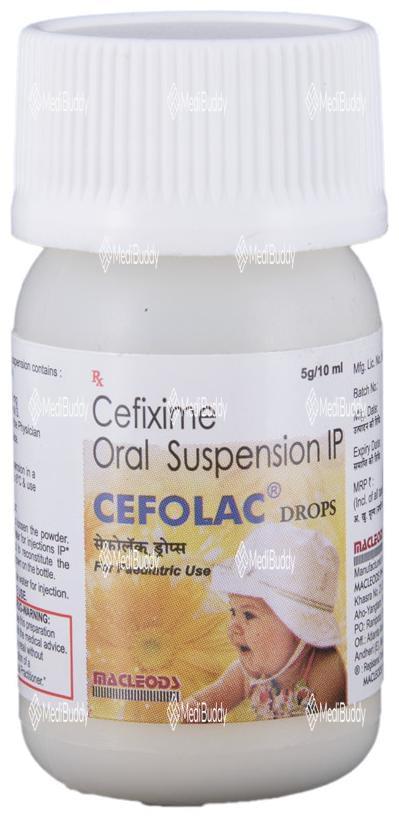
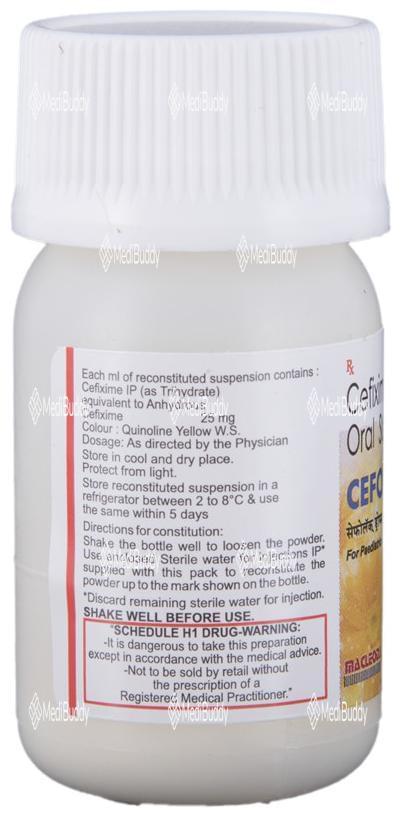

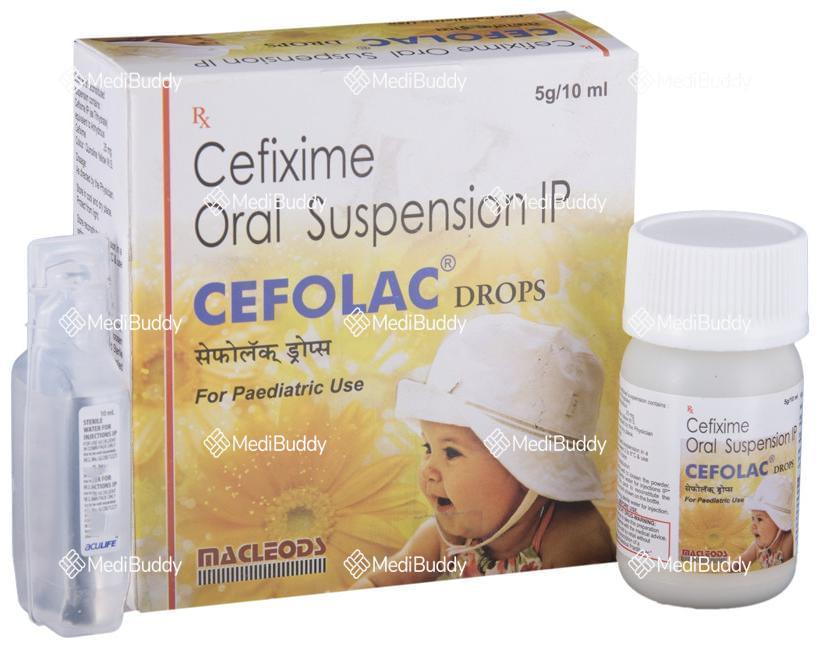
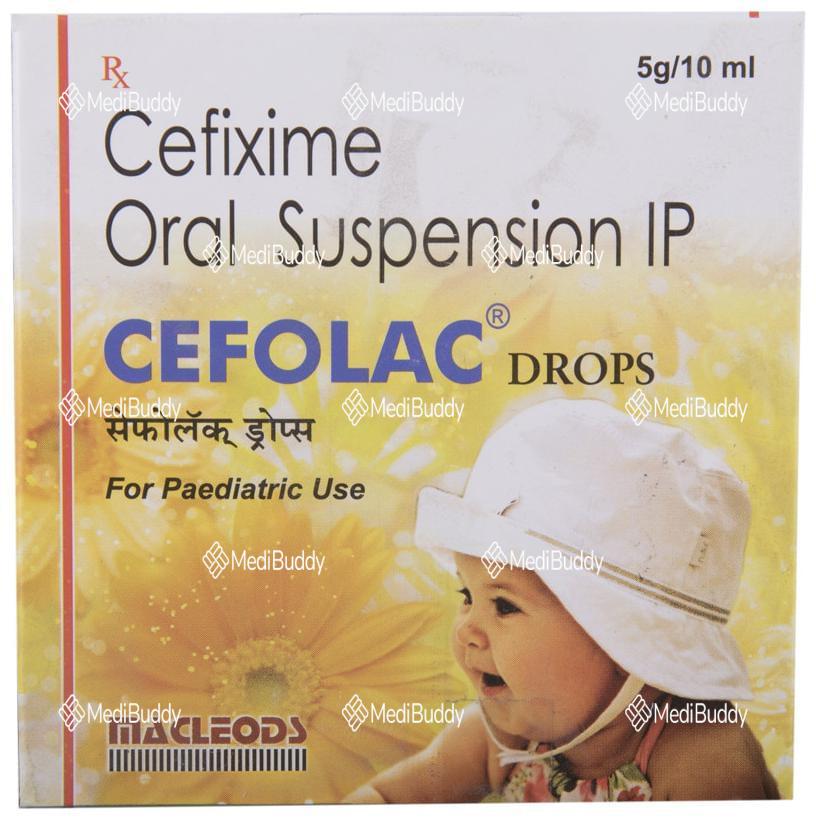
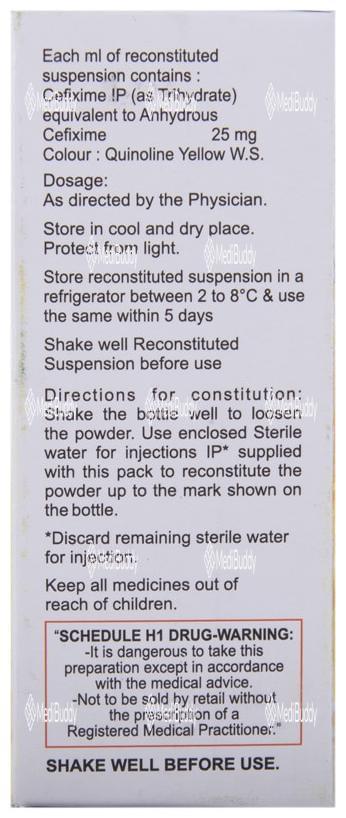
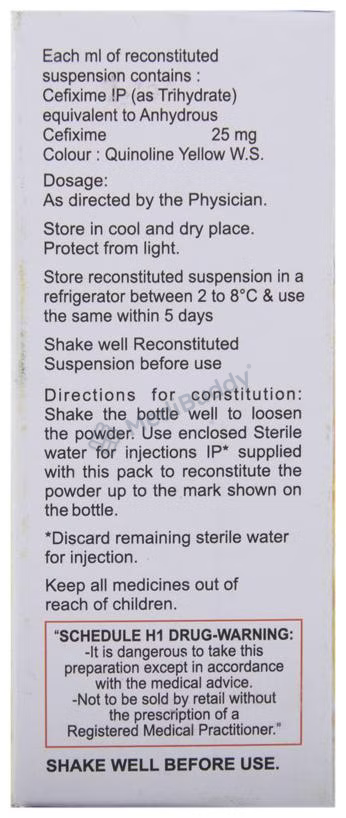
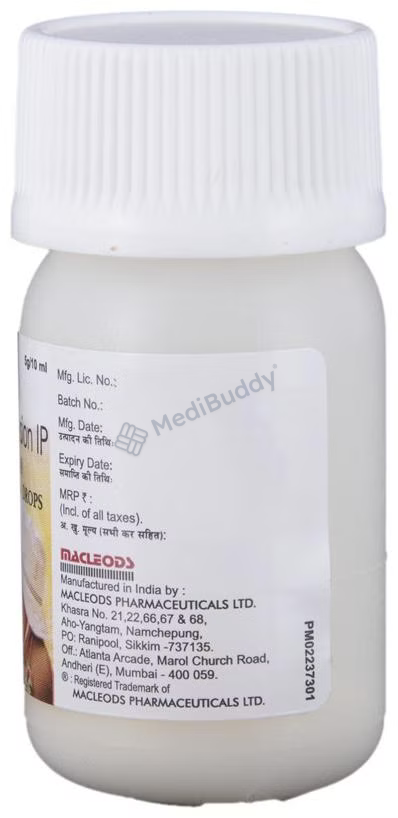
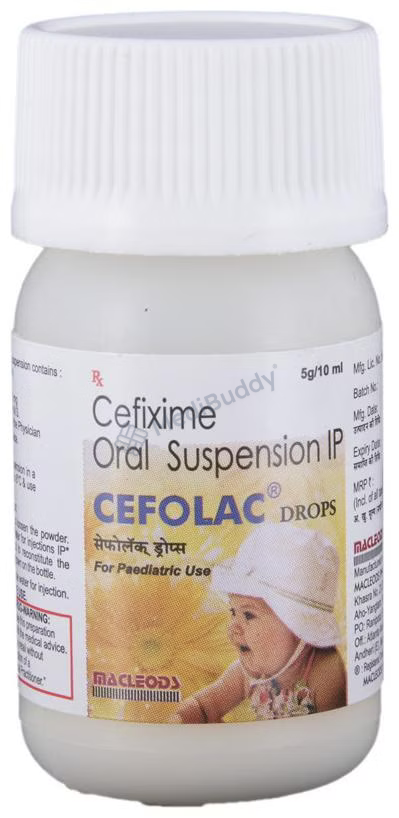
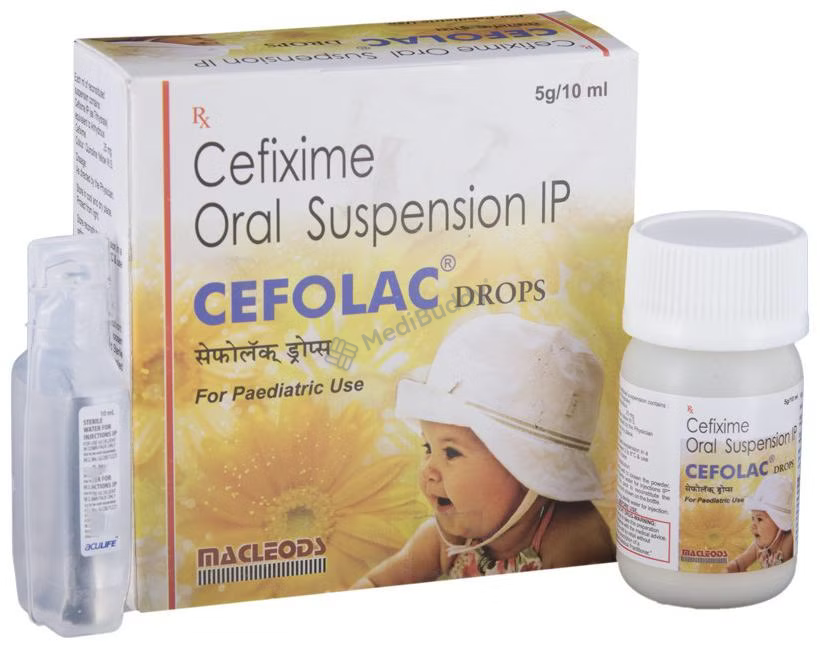
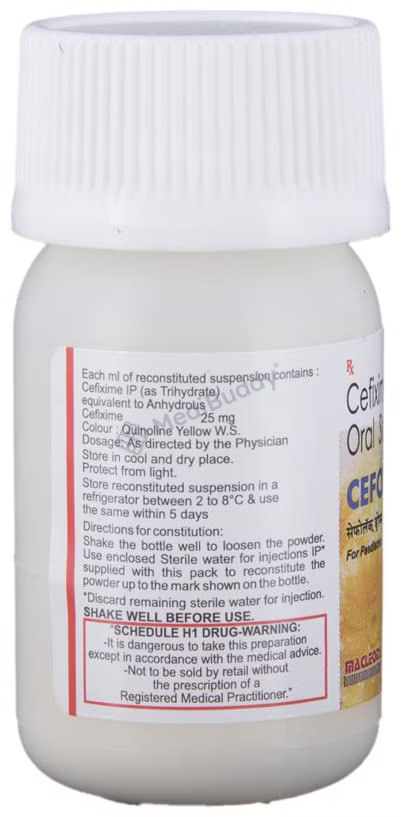
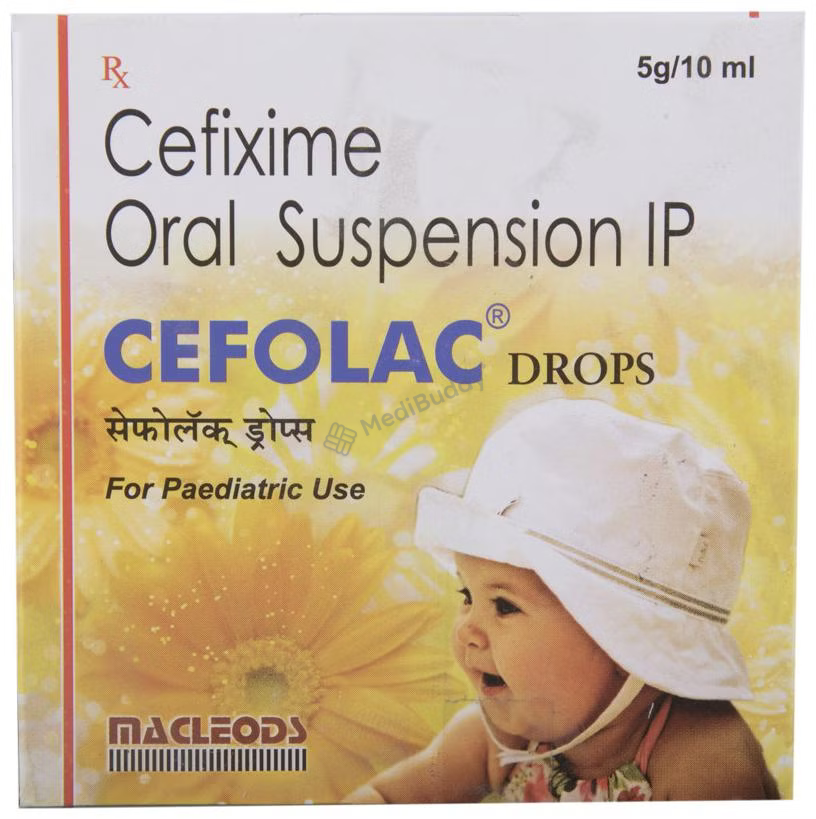
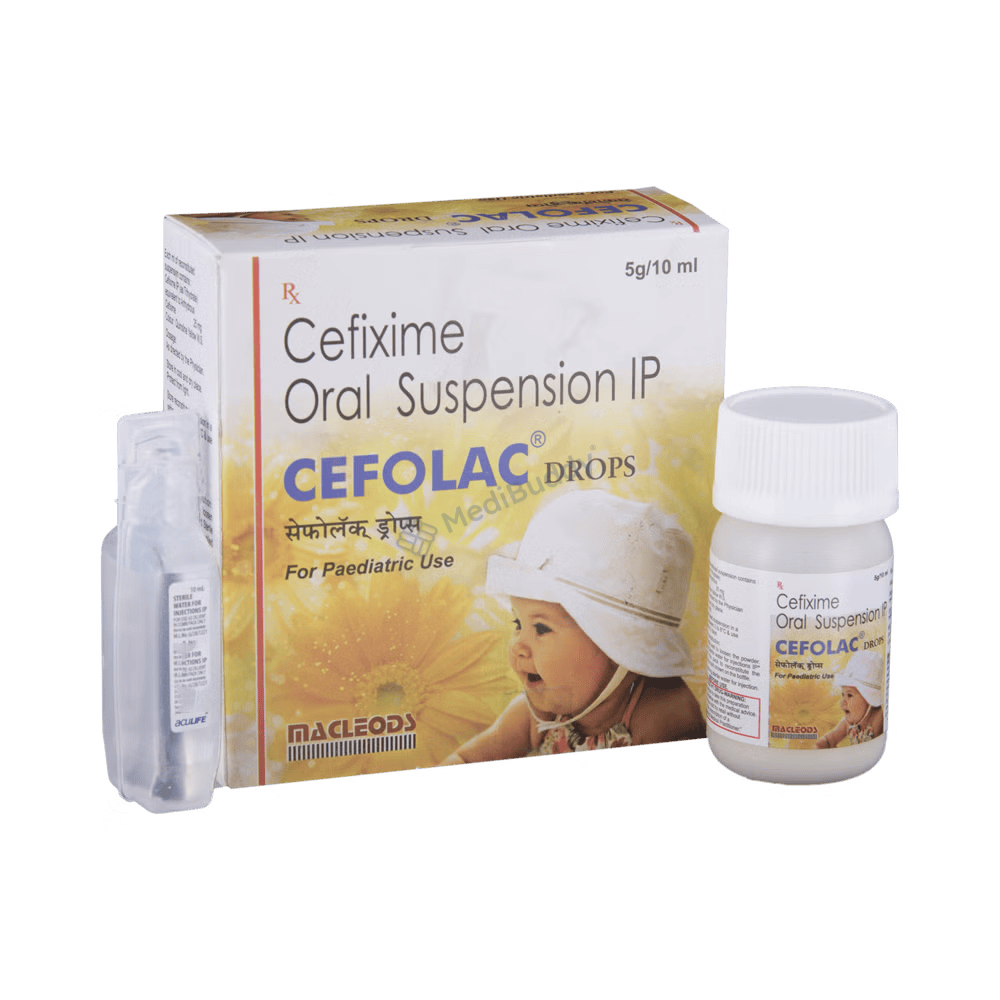
Cefolac Drop
By Cefolac
Rx
10ml Oral Suspension in a Packet

Composition
Cefixime(25mg)

Manufacturer - Macleods Pharmaceuticals Pvt Ltd
Atlanta Arcade, Marol Church Road, Andheri (East), Mumbai - 400059, INDIA.

Expires on or after
September, 2026
About Cefolac Drop
Cefolac Drop is an antibiotic medication commonly used to treat bacterial infections in children. These infections can affect various parts of the body such as the ears, eyes, nose, throat, lungs, skin, gastrointestinal tract, and urinary tract. It is also effective in treating uncomplicated typhoid fever in children and adolescents. The medicine should ideally be administered an hour before or two hours after meals for better absorption. However, if your child experiences stomach upset, it can be given with meals. The dosage and duration of treatment depend on the type and severity of the infection, so it is crucial to follow the doctor's instructions diligently. If vomiting occurs within 30 minutes of taking the medication, the same dose can be administered again, but it should not be doubled if the next dose is due soon.
It is important to note that Cefolac Drop should not be given to a child with cold and flu symptoms as these are typically caused by viruses, and antibiotics are ineffective against viral infections. Physicians only prescribe this medication for cough and cold when they detect a secondary bacterial infection. While Cefolac Drop is generally safe, minor side effects like vomiting, diarrhea, nausea, abdominal pain, and allergies may occur. These side effects usually subside as the child's body adapts to the medication, but if they persist or become bothersome, medical attention should be sought promptly.
Before starting Cefolac Drop treatment, provide the child's complete medical history to the doctor, including any previous allergies or underlying health conditions like heart problems, blood disorders, birth defects, and others. This information is crucial for adjusting the dosage and planning the overall treatment approach. Cefolac Drop contains Cefixime, a cephalosporin antibiotic primarily used to treat bacterial infections in various body parts like the ears, sinuses, throat, lungs, and urinary system. It works by inhibiting cell wall synthesis, weakening and ultimately destroying the bacterial cell wall, leading to the eradication of the infection-causing bacteria.
Patients should strictly adhere to the prescribed dosage and duration of Cefolac Drop as directed by the physician. Common side effects like diarrhea, nausea, stomach pain, and vomiting may occur but often resolve on their own. However, persistent side effects should be discussed with the doctor. It is crucial not to take Cefolac Drop if allergic to Cefixime or other cephalosporin antibiotics. Inform the doctor of any existing conditions such as colitis, renal dysfunction, liver disease, or seizure disorders before starting this medication. Avoid self-medication with Cefolac Drop to prevent antibiotic resistance. Pregnant or breastfeeding individuals or those planning pregnancy should seek medical advice before using this medication. Additionally, caution should be exercised while driving as Cefolac Drop may cause dizziness.
Benefits
Cefolac Drop are an antibiotic medication that is highly effective in treating bacterial infections in various parts of the body. This medication works by targeting and eliminating the bacteria responsible for infections in the lungs, throat, urinary tract, and other areas. One of the key benefits of Cefolac Drop is its rapid action in alleviating symptoms, with many individuals feeling better within just a few days of starting treatment. However, it is crucial to follow the prescribed dosage and complete the full course of medication even if symptoms improve. Abruptly stopping the medication prematurely can result in the infection recurring and becoming more challenging to treat. By adhering to the recommended treatment regimen, patients can maximize the effectiveness of Cefolac Drop in combating bacterial infections and promoting a speedy recovery.
How to use the Cefolac Drop
To use Cefolac Drop, it is important to follow your doctor's instructions regarding the dosage and duration of the medicine. Before using the drops, refer to the label for guidance on how to take them. Use a measuring cup to ensure you are taking the correct amount, and remember to take the drops orally. Be sure to shake the bottle well before each use. Cefolac Drop can be taken with or without food, but it is recommended to take them at the same time each day for best results.
Uses of Cefolac Drop
The primary use of Cefolac Drop is in the treatment of bacterial infections. This medication is specifically designed to target and combat bacterial infections within the body. By utilizing Cefolac Drop as prescribed, individuals can effectively address and eliminate bacterial infections, helping to restore health and overall well-being.
What conditions Cefolac Drop treats?
Cefolac Drop is a commonly prescribed antibiotic for children to treat various bacterial infections affecting the ear, eyes, nose, throat, lungs, skin, gastrointestinal tract, and urinary tract. It is also used in managing uncomplicated typhoid fever in children and adolescents. The medicine is best taken an hour before or two hours after meals for optimal absorption. It is important to follow the prescribed dose and schedule as directed by the doctor. In case of side effects like vomiting, diarrhea, or abdominal pain, contact the doctor. Cefolac Drop is effective in treating bacterial infections, and consistent use is essential for complete recovery.
Should you consult a doctor?
Seek a doctor if your child experiences persistent or bothersome side effects like vomiting, diarrhea, nausea, abdominal pain, or allergies while taking Cefolac Drop. It is important to inform the doctor about your child's complete medical history, including allergies, heart issues, blood disorders, birth defects, and kidney or liver problems. Do not administer Cefolac Drop for cold or flu symptoms, as it is most effective against bacterial infections. If your child vomits within 30 minutes of taking a dose, repeat the same dose, but do not double up. Always follow the prescribed dose and timing by the doctor. If any side effects persist or worsen, promptly seek medical advice for further evaluation and guidance.
Side effects of Cefolac Drop
When it comes to Cefolac Drop, most children tolerate it well without experiencing any serious side effects. However, in some instances, your child may encounter mild side effects like abdominal pain, allergy, nausea, stomach pain, indigestion, or diarrhea. These side effects are typically temporary and tend to diminish as the body adjusts to the medication. If your child continues to experience these side effects and they become bothersome, it is recommended to consult your child’s doctor for further guidance.
Safety advice

liver
Cefolac Drop are considered safe for use in patients with liver disease. It is not necessary to adjust the dose of Cefolac Drop for individuals with liver conditions. However, it is advised to consult with your child's doctor before administering this medication to your child, especially if they have a severe form of liver disease.

kidney
Use Cefolac Drop carefully if you have kidney disease. Your doctor may require adjusting the dosage. Please consult your doctor for guidance.
Consumption warning before consuming Cefolac Drop
Before giving Cefolac Drop to your child, it's essential to follow these important guidelines. Give this antibiotic medication an hour before or two hours after meals for better absorption, unless your child experiences stomach upset - in that case, administer it with meals. The dosage and duration of treatment should precisely follow the doctor’s instructions based on the infection type and severity. Remember, if your child vomits within 30 minutes of taking the medicine, repeat the same dose but avoid doubling it for the next scheduled dose.
Avoid administering Cefolac Drop to children with cold and flu symptoms, as these are usually caused by viruses, which antibiotics cannot treat. Only give this medicine for cough and cold if the doctor detects an underlying secondary bacterial infection. While minor side effects like vomiting, diarrhea, nausea, abdominal pain, and allergies may occur initially, usually, these symptoms subside as the body adjusts. However, persistent or troublesome side effects should be promptly reported to the doctor.
Inform the doctor about your child’s complete medical history, including any allergies, heart issues, blood disorders, birth defects, airway or lung problems, gastrointestinal complications, skin conditions, liver or kidney impairments. Such information is crucial for adjusting the dosage and planning the overall treatment.
What if you forgot to take Cefolac Drop?
If you forget to give your child a dose of Cefolac Drop, you can give it as soon as you remember unless the doctor has given you a specific schedule to follow. If it's almost time for the next dose, it's better to skip the missed one to avoid giving a double dose. Stick to the dosing plan prescribed by the doctor to ensure the medication works effectively.
Related lab tests
When considering the use of Cefolac Drop, healthcare providers may recommend certain lab tests to monitor your overall health and response to the medication. Two important lab tests to consider are a Complete Blood Count (CBC) and a Peripheral Smear Examination.
A Complete Blood Count (CBC) is a common blood test that provides important information about the types and numbers of cells in your blood, including red blood cells, white blood cells, and platelets. This test can help detect a variety of disorders such as anemia, infections, and certain cancers. Monitoring your CBC while taking Cefolac Drop can help healthcare providers assess your body's response to the medication and detect any potential side effects.
In addition to a CBC, a Peripheral Smear Examination may be recommended by your healthcare provider. This test involves examining a sample of your blood under a microscope to evaluate the size, shape, and structure of your blood cells. It can provide valuable information about conditions such as anemia, infections, and blood disorders. By conducting a Peripheral Smear Examination alongside a CBC, healthcare providers can gain a comprehensive understanding of your blood health while you are using Cefolac Drop.
Related Lab Tests:
1. Complete Blood Count (CBC)
2. Peripheral Smear Examination
Additional Information
| Habit Forming | No |
| Chemical Class | Broad Spectrum (Third & fourth generation cephalosporins) |
| Therapeutic Class | ANTI INFECTIVES |
| Action Class | Cephalosporins: 3 generation |
FAQs
Disclaimer
The information provided on this website is to the best of our abilities to ensure it is accurate, reliable, and reviewed by a team of professionals. It should not be used to diagnose, prevent, or cure any health problem. The information presented here is not intended to create a doctor-patient relationship or replace a registered medical practitioner's advice, diagnosis, or treatment. The absence or provision of any information or warning regarding any medicine should not be assumed as an implied or explicit assurance of safety or efficacy. We highly recommend consulting your registered medical practitioner for all queries or doubts related to your medical condition. Do not ignore professional medical advice or delay seeking it based on the content encountered on our website. We intend to support, not replace, the doctor-patient relationship.
₹57.8
₹68
15% OFF
Inclusive of all taxes
Content verified by

Dr. Upasana Bhatia
MBBS - General Medicine
Last update on 01-Oct-2024

Health
Hospitalisation
Download the Medibuddy App


