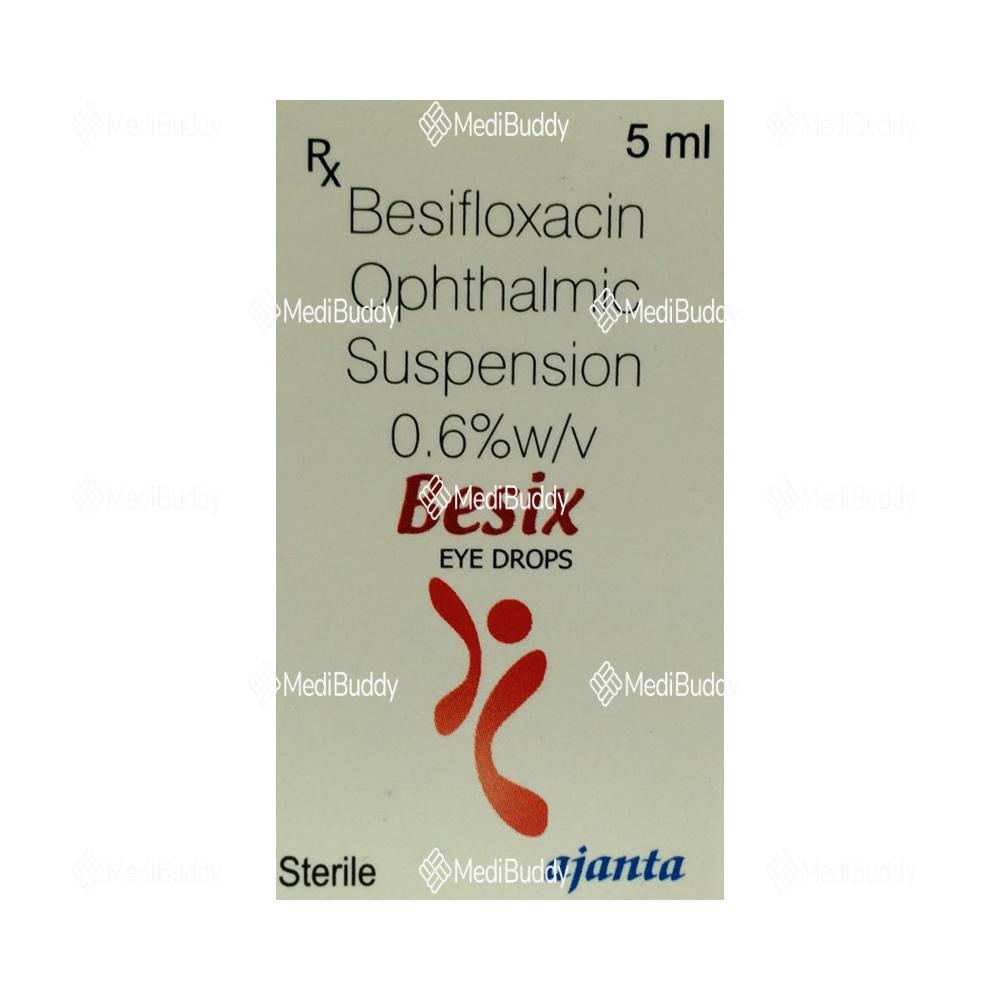
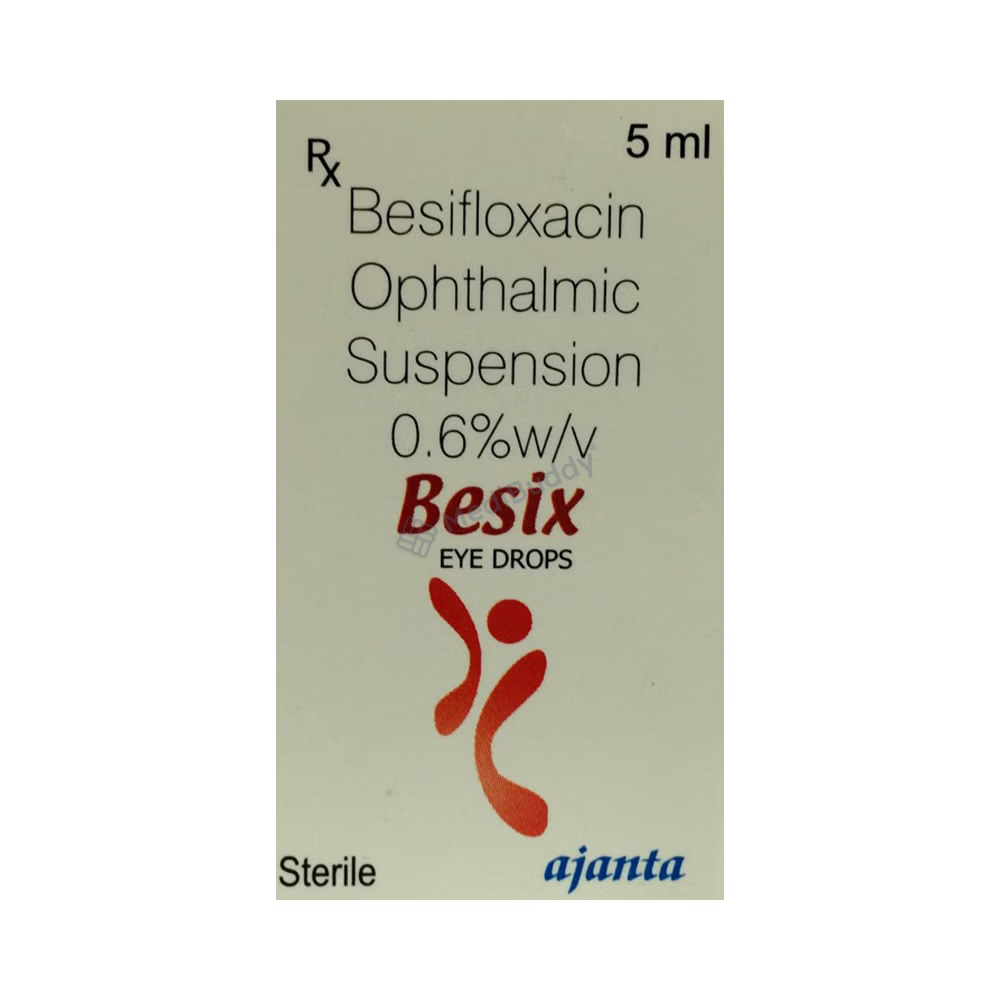
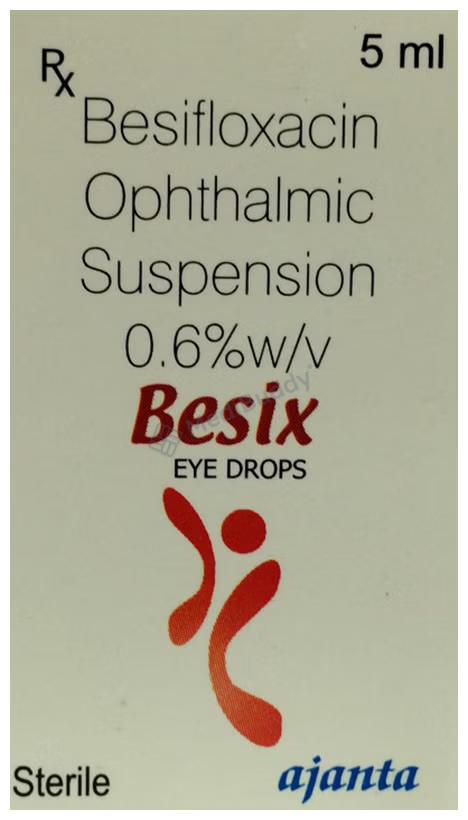
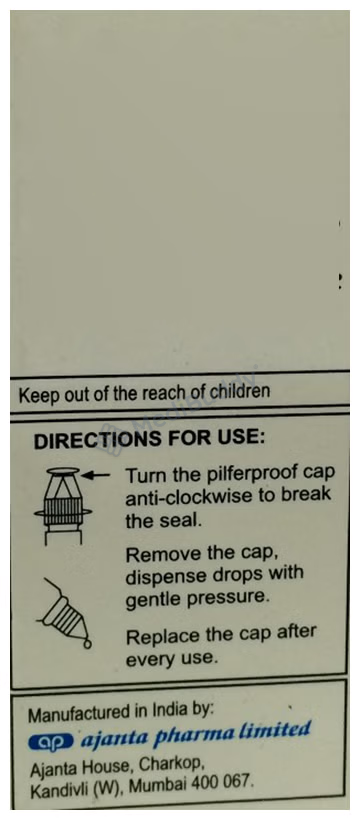
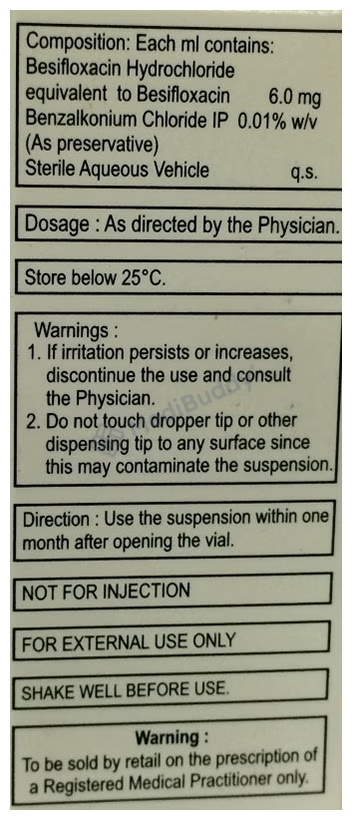
Besix Eye Drop

By Besix

Rx

5ml Ophthalmic Suspension in a Bottle

Composition icon

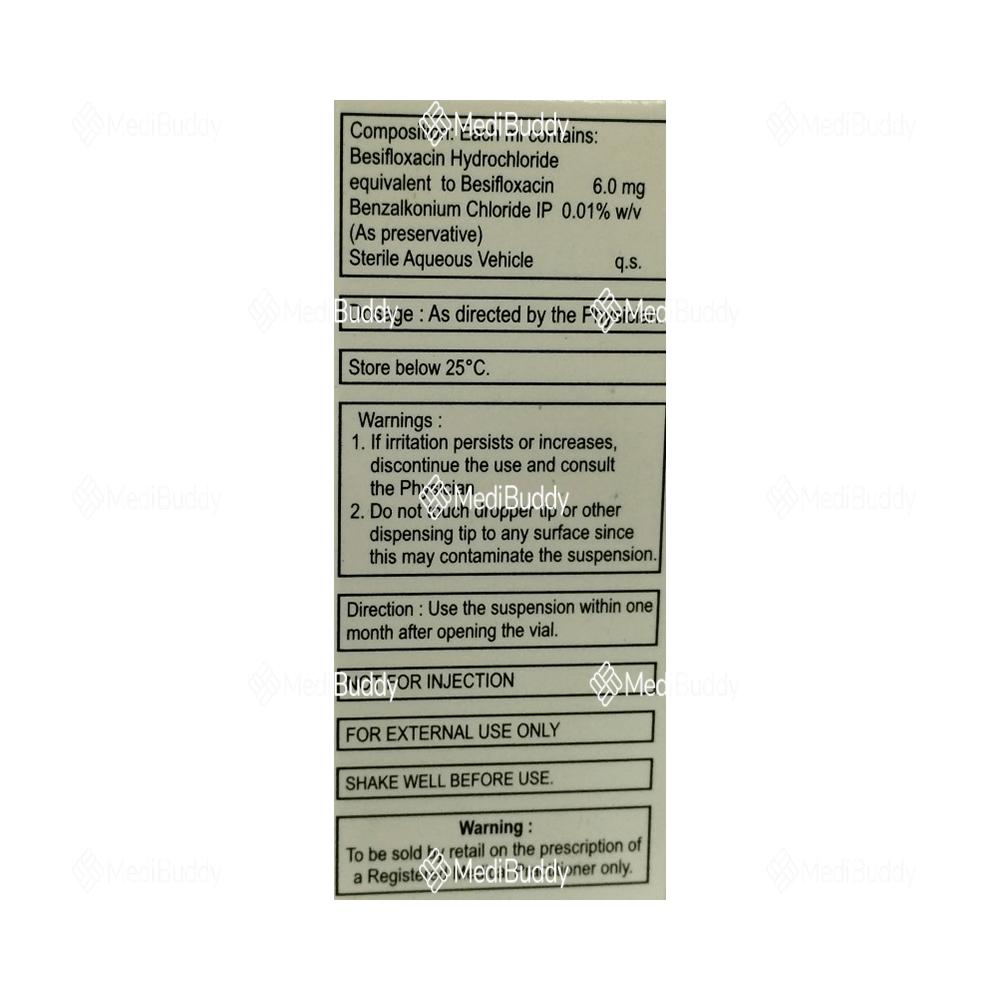
Composition

Besifloxacin(0.6% w/v)

Manufacturer - Ajanta Pharma Ltd icon

Manufacturer - Ajanta Pharma Ltd

Ajanta House, Charkop, Kandivli West, Mumbai 400 067, India

Expires on or after icon

Expires on or after

December, 2028

About Besix Eye Drop

Besix Eye Drop is an antibiotic medication used to treat bacterial infections in the eye, particularly conjunctivitis, also known as pink eye. Conjunctivitis is a contagious infection that can cause symptoms such as red or pink-toned eyes, itching, gritty feeling, teary eyes, and thick discharge. Besix Eye Drop contains Besifloxacin, a fluoroquinolone antibiotic that works by stopping the growth of bacteria causing the infection. It has a broad spectrum of antibacterial activity, targeting both gram-positive and gram-negative bacteria.

When using Besix Eye Drop, it is essential to follow the prescribed dosage and duration recommended by your doctor. To apply the eye drops, hold the dropper close to the eye without touching it, gently squeeze the dropper to instill the medication in the lower eyelid, and wipe off any excess liquid. It is crucial not to skip doses and to complete the full course of treatment, even if symptoms improve.

While using Besix Eye Drop, you may experience temporary side effects such as burning sensation, eye discomfort, and blurred vision. These side effects usually subside on their own but if they persist, it is important to inform your doctor. Avoid wearing contact lenses while using Besix Eye Drop, and use caution when driving or operating machinery due to potential temporary visual disturbances.

BESIX, containing Besifloxacin, is specifically indicated for the treatment of bacterial conjunctivitis in patients aged one year and older. It is important to note that BESIX should not be used if you are allergic to Besifloxacin or other quinolone antibiotics. Before using BESIX, inform your doctor about any allergies, if you wear contact lenses, or have liver or kidney issues. BESIX can be used in children and adolescents but should be used under the guidance of an ophthalmologist.

Common side effects associated with BESIX include redness in the eye, blurred vision, eye pain, eye irritation, itching, and headaches. If any of these symptoms worsen or persist, it is advisable to contact your doctor. Additionally, pregnant and breastfeeding women should use BESIX with caution and consult their doctor before use. It is recommended not to self-medicate with BESIX to avoid antibiotic resistance.


Benefits

Besix Eye Drop is a beneficial antibiotic medicine used to treat bacterial eye infections effectively. This eye drop works by halting the growth of the bacteria responsible for the infection. By doing so, it helps to alleviate common symptoms such as pain, redness, itching, and soreness that occur with eye infections. It is important to note that the dosage and duration of treatment should be determined by a healthcare professional based on individual conditions. It is crucial to complete the full course of treatment as prescribed by your doctor to ensure complete recovery from the infection and to prevent its recurrence. By following the recommended treatment plan, Besix Eye Drop can effectively combat bacterial eye infections and promote overall eye health.


How to use the Besix Eye Drop

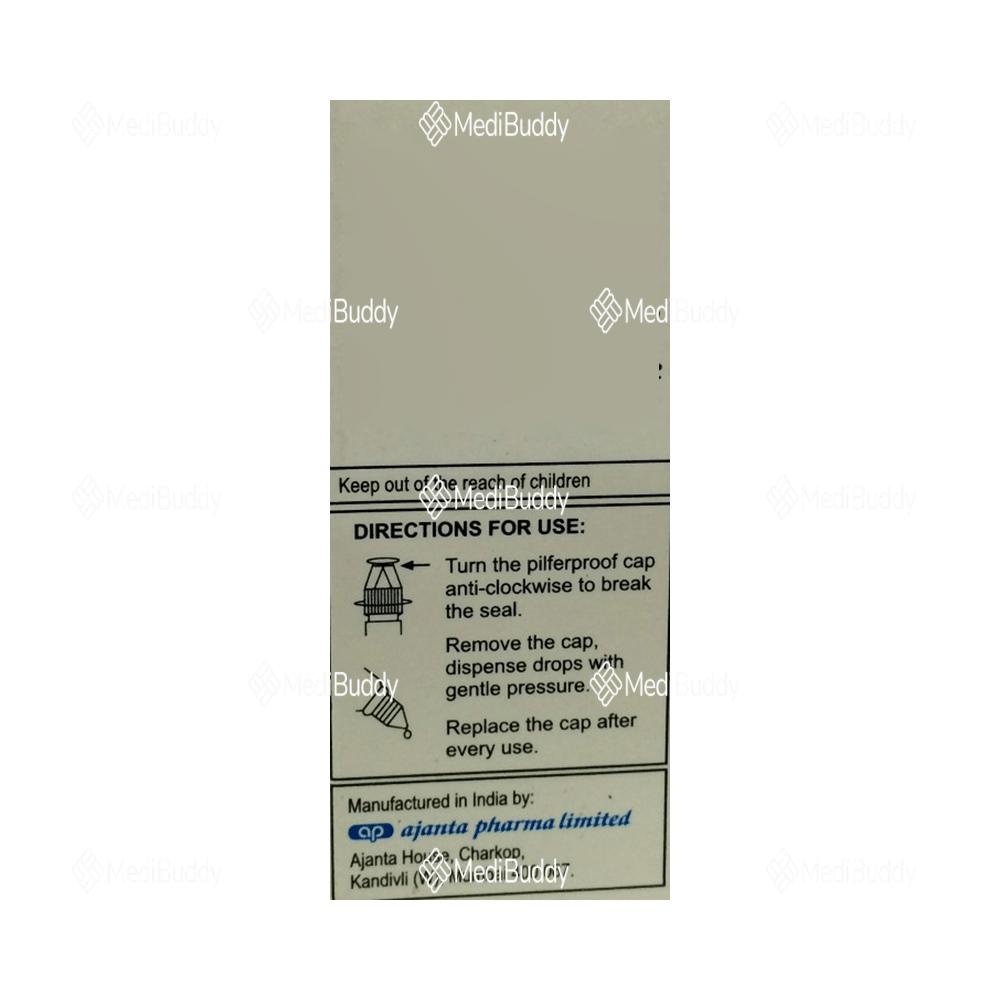
When using Besix Eye Drop, follow these simple steps to ensure you get the best results: Firstly, wash your hands thoroughly before handling the medicine. This helps prevent any potential contamination. Next, invert the closed bottle of eye drops (turn it upside down) and shake it well. Avoid touching the applicator tip with anything, including your eye or fingers, to prevent contamination.


To administer the eye drops, tilt your head backward slightly and gently squeeze the bottle to instill one drop into the affected eye. Make sure the dropper does not touch your eye. After applying the eye drops, wipe off any excess liquid. Close the bottle cap tightly and store it in a safe place out of reach of children.


It is important to use Besix Eye Drop exactly as advised by your physician. The medicine is meant for ophthalmic use only, so avoid using it for any other purpose. Your ophthalmologist will determine the correct dosage and duration of treatment based on factors like your age and the severity of your condition. Always check the label for any specific directions before using the eye drops.


Uses of Besix Eye Drop

Besix Eye Drop is commonly used to treat bacterial eye infections, specifically bacterial conjunctivitis. This eye drop is effective in combating the growth of bacteria that cause conjunctivitis. It is recommended for individuals experiencing symptoms of bacterial conjunctivitis such as redness, discharge, and discomfort in the eyes. By using Besix Eye Drop as directed, patients can help clear up the infection and alleviate the associated symptoms.


What conditions Besix Eye Drop treats?

Besix Eye Drop is an antibiotic used to treat bacterial eye infections. It works by stopping the growth of bacteria causing the infection. This medicine helps relieve symptoms like pain, redness, itching, or soreness. Your doctor will determine the appropriate dose and duration of treatment based on your condition. Completing the full course of treatment is essential to fully cure the infection and prevent its recurrence. If you experience burning eyes or eye discomfort, inform your doctor, as these side effects are usually temporary. Avoid wearing contact lenses while using this medication.


Should you consult a doctor?

Before using Besix Eye Drop, it is important to inform your eye doctor if you wear contact lenses. This eye drop is suitable for children and adolescents between the ages of 1 year to 18 years. If your child is within this age range and needs to use Besix Eye Drop, it is recommended to consult their doctor for advice. If you or your child experience any discomfort, irritation, or unusual symptoms after using Besix Eye Drop, it is advisable to seek medical attention from a healthcare professional. Additionally, if there is any unexpected reaction or worsening of the eye condition despite using the eye drop, do not hesitate to consult a doctor for further evaluation and guidance. It is essential to prioritize your eye health and seek medical assistance whenever needed.


Side effects of Besix Eye Drop

When using Besix Eye Drop, some common side effects may occur as your body gets used to the medicine. These can include burning eyes, eye discomfort, dry eyes, and corneal inflammation (punctate keratitis). Other side effects may involve swollen eyes (conjunctival oedema), eye discharge, and eyelid margin crusting. Additionally, you may experience symptoms like dry skin, eye pain, or a sensation of having a foreign object in your eye. The eye drop can also lead to photophobia (discomfort in bright light), redness in the eye, blurred vision, and headaches. If you notice any of these side effects and they persist or worsen, it's important to consult your doctor promptly for guidance. In rare cases, severe reactions like hypersensitivity (allergic) reactions or superinfections can occur, which would require immediate medical attention. Symptoms of such reactions include cardiovascular issues, swelling of the throat and face, breathing difficulties, severe rashes, fever, cough, or indigestion. If you experience any of these severe symptoms, stop using the eye drops and seek emergency medical help from your ophthalmologist without delay.


Safety advice

scroll

liver

When it comes to the safety of your liver while using Besix Eye Drop, it is important to note that no interactions have been found or established. This means that there are no known issues related to the liver when using this eye drop. It is always advisable to exercise caution and consult with your doctor for proper guidance before using any medication, including Besix Eye Drop. Your doctor can provide personalized advice based on your specific health condition and medical history to ensure your safety and well-being.

scroll

kidney

No interaction found/established Consult with your doctor for proper guidance before using Besix Eye Drop.

scroll

alcohol

There is no known interaction between alcohol and Besix Eye Drop.

scroll

driving

After using Besix Eye Drop, your vision may be blurred for a short period. Avoid driving until your vision is clear.

scroll

pregnancy

Besix Eye Drop should be avoided during pregnancy as it may be unsafe. Animal studies indicate potential harm to the baby. Your doctor will assess the risks versus benefits before recommending its use. Always seek advice from your doctor.

scroll

breastfeeding

Caution should be exercised when using Besix Eye Drop while breastfeeding, as limited data indicates potential harm as the drug may pass into breastmilk.


Age above 75(Geriatrics)

Besix Eye Drop should be used with caution in elderly patients (above 60 years of age). Consult your ophthalmologist before using Besix Eye Drop.


Consumption warning before consuming Besix Eye Drop

Before using Besix Eye Drop, it's important to remember that this medication is an antibiotic specifically designed to treat bacterial eye infections. Make sure to follow your doctor's instructions on the proper dosage and duration for using this eye drop. When applying the eye drop, ensure that it is only for external use. To administer, hold the dropper close to your eye without touching it, gently squeeze the dropper, and place the medicine inside the lower eyelid. Remember to wipe off any excess liquid.


After using Besix Eye Drop, it's common to experience a burning sensation and eye discomfort, but these side effects are usually temporary and fade away on their own. In case these symptoms persist, consult your doctor. Additionally, initial use may result in short-term blurring of vision, so exercise caution when driving or operating machinery. It is advised not to wear contact lenses while using this medication. Make sure to complete the full course of treatment, even if you start feeling better.


What if you forgot to take Besix Eye Drop?

If you forget to take your scheduled dose of Besix Eye Drop, you should try to take it as soon as you remember. But, if it's almost time for your next dose, it's best to skip the missed dose and continue with your usual dosing schedule. Avoid taking a double dose to make up for the missed one. It is important to maintain consistency in using the eye drops as prescribed to ensure optimal effectiveness.


What happens if you take overdose of Besix Eye Drop?

If too much Besix Eye Drop is applied accidentally, it is important to seek help promptly. Notify your eye doctor or go to the nearest hospital if you encounter any unusual symptoms after using the eye drops excessively. This is essential to ensure your safety and prevent any potential complications that may arise from an overdose of the medication.


Related lab tests

In addition to using Besix Eye Drop, your healthcare provider may recommend a slit lamp exam to thoroughly examine your eyes. This exam involves using a special microscope to look at the structures of your eyes in detail. The slit lamp exam can help your doctor detect any eye conditions or diseases that may require treatment.


Related Lab Tests:

- Visual acuity test: This test measures how well you can see at various distances.

- Intraocular pressure (IOP) measurement: This test checks the pressure inside your eyes, which is important for detecting conditions like glaucoma.

- Fluorescein eye stain: This test involves using a special dye to detect any damage or abnormalities on the surface of your eye.

- Ocular coherence tomography (OCT): This test creates detailed images of the structures within your eyes, helping to diagnose conditions affecting the retina and optic nerve.


Additional Information

Habit FormingNo
Chemical ClassFourth generation fluoroquinolone
Therapeutic ClassOPHTHAL
Action ClassQuinolones/ Fluroquinolones

FAQs


Disclaimer

The information provided on this website is to the best of our abilities to ensure it is accurate, reliable, and reviewed by a team of professionals. It should not be used to diagnose, prevent, or cure any health problem. The information presented here is not intended to create a doctor-patient relationship or replace a registered medical practitioner's advice, diagnosis, or treatment. The absence or provision of any information or warning regarding any medicine should not be assumed as an implied or explicit assurance of safety or efficacy. We highly recommend consulting your registered medical practitioner for all queries or doubts related to your medical condition. Do not ignore professional medical advice or delay seeking it based on the content encountered on our website. We intend to support, not replace, the doctor-patient relationship.

283

Inclusive of all taxes

Content verified by

chevron-right

Dr. Mansi Chaudhari

MBBS - General Medicine

Last update on 01-Oct-2024