

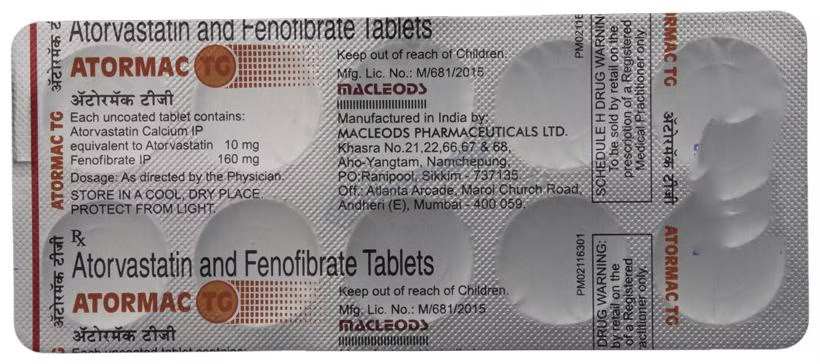
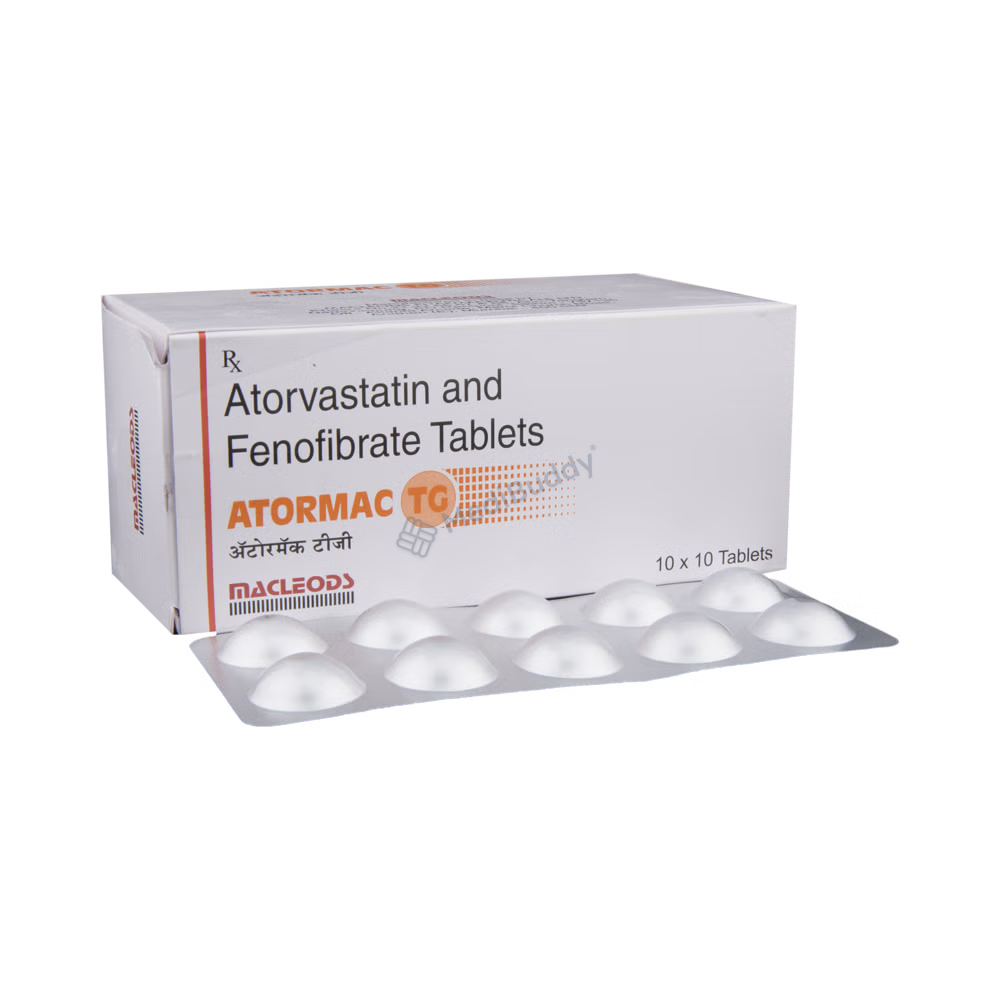
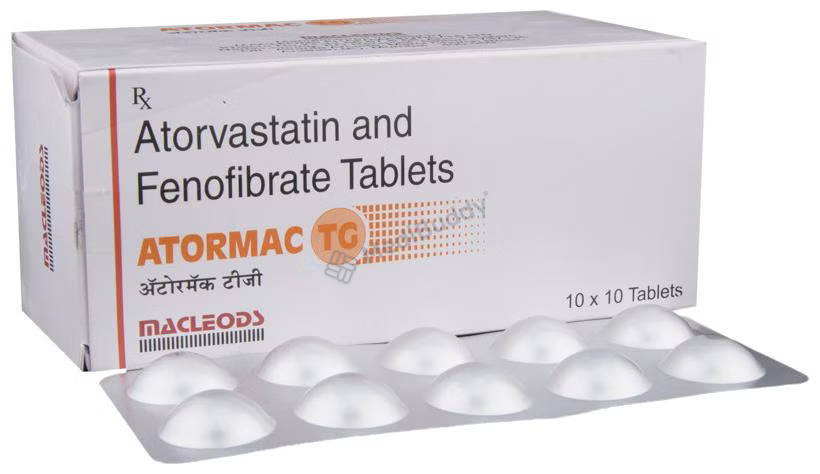
Atormac TG Tablet
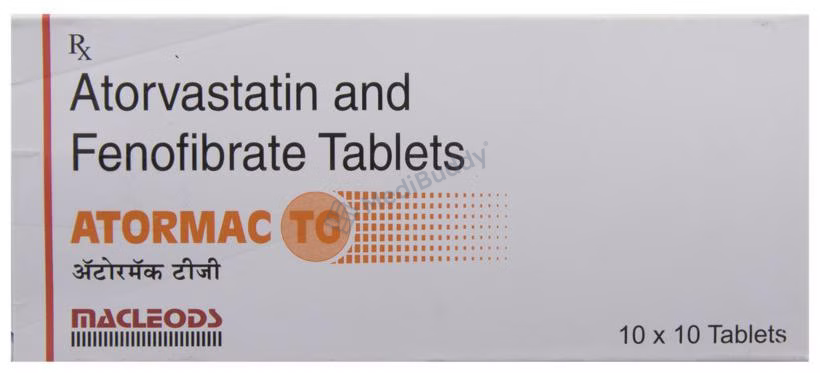
By Atormac TG
Rx
10 Tablet in a Strip

Composition
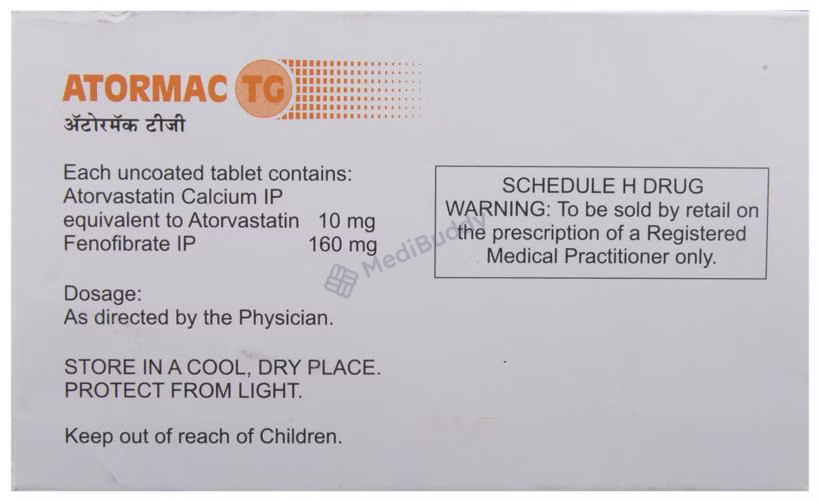
Atorvastatin(10mg) + Fenofibrate(160mg)

Manufacturer - Macleods Pharmaceuticals Pvt Ltd
Atlanta Arcade, Marol Church Road, Andheri (East), Mumbai - 400059, INDIA.

Expires on or after
August, 2026
About Atormac TG Tablet
Atormac TG Tablet is a combination medication consisting of Atorvastatin and Fenofibrate, which fall under the category of lipid-lowering drugs. This tablet is specifically formulated to address hyperlipidemia, a condition marked by elevated levels of harmful cholesterol and triglycerides in the bloodstream. When left untreated, these fats can accumulate in the blood vessels, potentially leading to severe complications like heart attacks or strokes. Taking Atormac TG Tablet helps lower these lipid levels, thereby reducing the risk of heart-related issues such as atherosclerosis and circulatory disorders.
For optimal effectiveness, Atormac TG Tablet should be taken along with meals. It is crucial to adhere to the prescribed dosage and follow any dietary, exercise, and lifestyle recommendations provided by your doctor. It is advisable to avoid excessive alcohol consumption while using this medication. If you have diabetes, it is essential to monitor and manage your blood sugar levels carefully.
Before initiating treatment with Atormac TG Tablet, it is important to inform your healthcare provider about any existing liver or kidney conditions. Mention if you have thyroid disorders, diabetes, high blood pressure, or a family history of muscle disorders. This medicine is not suitable for individuals with severe liver or kidney problems, or those who have recently taken Fusidic acid, an antibiotic used for bacterial infections.
Women who are pregnant or breastfeeding should not take Atormac TG Tablet. Female patients of childbearing age must utilize appropriate contraceptive measures to prevent pregnancy while undergoing therapy with this medication. If pregnancy occurs accidentally during treatment, immediate medical advice should be sought.
Throughout the course of treatment with Atormac TG Tablet, your doctor will monitor various parameters including liver and kidney functions, blood sugar levels, muscle integrity, and cholesterol levels to preempt any adverse effects. Common side effects of this medication may include headaches, constipation, muscle pain, neck pain, and throat inflammation. Contact your doctor if you experience persistent discomfort.
Notify your healthcare provider promptly if you encounter severe unexplained muscle pain or weakness accompanied by fever, fatigue, or reddish-brown urine after taking Atormac TG Tablet. Regular communication with your doctor is vital to ensure the safe and effective management of your lipid levels and overall well-being.
Benefits
Atormac TG Tablet offers various benefits in preventing heart attacks and treating high cholesterol. By lowering the levels of "bad" cholesterol (LDL) and increasing the levels of "good" cholesterol (HDL) in the blood, this medication helps in reducing the risk of atherosclerosis – a condition where blood vessels narrow, consequently reducing the chances of stroke or heart disease. By maintaining healthy cholesterol levels, this medicine enables individuals to stay healthier for longer periods. It is essential to continue taking Atormac TG Tablet regularly, even if you feel well, to maximize its effectiveness.
In terms of treatment for high cholesterol, Atormac TG Tablet is effective in managing cholesterol levels by lowering the amounts of harmful fats and promoting heart health. By incorporating appropriate lifestyle changes, such as following a healthy diet and staying physically active, individuals can enhance the therapeutic effects of this medication. Additionally, this medicine aids in reducing the likelihood of heart diseases, thus contributing to overall well-being. Continual use of Atormac TG Tablet is recommended to maintain optimal cholesterol levels and sustain long-term health benefits.
How to use the Atormac TG Tablet
To properly use Atormac TG Tablet, it is important to follow your doctor's recommendations. Take the prescribed dose exactly as advised by your physician. Swallow the tablet whole with a glass of water; do not chew, crush, or break it. It is recommended to take Atormac TG Tablet with food to help with absorption and reduce the risk of any potential stomach discomfort. Your doctor will determine the appropriate dosage and duration of treatment based on factors such as your age, weight, and overall health condition. It is crucial not to discontinue taking Atormac TG Tablet without consulting your doctor first, even if you start to feel better. Always follow your doctor's instructions carefully to ensure the effectiveness of the medication and avoid any potential complications.
Uses of Atormac TG Tablet
Atormac TG Tablet is primarily used for two important purposes. Firstly, it is utilized in the treatment of high blood cholesterol levels. By effectively managing cholesterol levels in the body, this tablet helps to improve overall heart health and reduce the risk of cardiovascular diseases. Secondly, Atormac TG Tablet is also used for the prevention of heart attack and related conditions such as stroke and angina. By taking this medication as prescribed, individuals can significantly lower the chances of experiencing serious heart-related health problems.
What conditions Atormac TG Tablet treats?
Atormac TG Tablet is used to lower cholesterol and triglyceride levels in the blood, reducing the risk of heart disease. High cholesterol and triglyceride levels can increase the risk of heart disease and stroke. Consistent use of this medication, along with lifestyle changes like a low-fat diet and regular exercise, is important for managing lipid levels. Regular monitoring of lipid profiles is necessary. Possible side effects include nausea, stomach pain, and muscle pain, which are usually mild and temporary. It's crucial to consult a doctor if any side effects persist or worsen.
Should you consult a doctor?
If you experience unexplained muscle pain after taking Atormac TG Tablet, it is important to seek medical advice. Inform your doctor if you have a history of muscle problems, improper thyroid gland function, or a family history of such issues. Individuals who are alcoholic, have diabetes, are overweight, or have a previous history of stroke with brain bleeding should consult a doctor before using this medication. Additionally, if you have small holes or pockets in the brain due to a past stroke, it is recommended to seek medical guidance. Seeking prompt medical attention for these symptoms and conditions is crucial for proper management and monitoring of your health.
Side effects of Atormac TG Tablet
Side Effects:
Atormac TG Tablet may cause side effects in some individuals. Most side effects are temporary and tend to resolve as the body gets used to the medication. Common side effects include nausea, stomach pain, constipation, flatulence, headache, muscle pain, increased liver enzymes, increased glucose levels in the blood, and insomnia. Other potential side effects may include anorexia (loss of appetite), weight gain, dizziness, nightmares, tingling sensation, changes in the sense of taste, memory loss, blurred vision, ringing in the ears followed by vomiting, abdominal bloating, neck pain, fatigue, weakness, chest pain, swelling in the ankles, inflammation of nasal passages, allergic reactions, and elevated blood sugar levels.
In rare cases, Atormac TG Tablet may lead to more serious side effects that require immediate medical attention. These severe side effects include but are not limited to severe allergic reactions with symptoms such as skin rash, blistering, swelling of the skin or face, difficulty breathing or swallowing; unexplained muscle pain or weakness, potentially with fever or reddish-brown urine (rhabdomyolysis); unexpected bleeding or bruising; severe skin rash accompanied by joint issues and blood count changes (Lupus-like disease syndrome). If any of these severe side effects occur, it is crucial to stop taking the medication and contact a doctor promptly.
It is essential to consult a healthcare provider if any side effects persist or if there are concerns about the reactions experienced while taking Atormac TG Tablet. Your doctor can provide guidance on managing side effects and may adjust the treatment plan if necessary.
Safety advice

liver
Caution should be exercised when using Atormac TG Tablet in patients with liver disease. It may be necessary to adjust the dose of Atormac TG Tablet in such cases, so consulting your doctor becomes crucial. Patients with severe liver disease are advised against the use of Atormac TG Tablet. If you have any liver-related concerns, always consult with your healthcare provider before starting this medication.

kidney
Atormac TG Tablet requires caution in patients with kidney disease. Dosage adjustment may be necessary, and it is advised to consult with your doctor. Avoid using in severe kidney disease cases.

alcohol
It is not safe to drink alcohol while taking Atormac TG Tablet.

driving
Atormac TG Tablet generally does not impact driving ability.

pregnancy
It is not safe to use Atormac TG Tablet during pregnancy as it can have harmful effects on the developing baby. Please consult your doctor for guidance.

breastfeeding
Caution is advised during breastfeeding with Atormac TG Tablet. Limited data shows the drug can pass into breastmilk and harm the baby.
Age above 75(Geriatrics)
Atormac TG Tablet should be used with caution in elderly patients (aged 70 years or older). Therefore, consult your doctor for advice before taking it.
Age below 6 months(Pediatrics)
Atormac TG Tablet should be used in children and adolescents (aged 10 years or older) only if prescribed by the physician. Your doctor will decide the correct dose of Atormac TG Tablet depending on your child’s age, body weight and health condition.
Consumption warning before consuming Atormac TG Tablet
Before consuming Atormac TG Tablet, it is vital to be aware of certain precautions and warnings. This medication is a combination of two lipid-lowering drugs used to reduce cholesterol and triglyceride levels in the blood, ultimately lowering the risk of heart disease. It should be taken as prescribed by your doctor, with or without food, at the same time daily. Discontinuing the medication without medical advice can elevate lipid levels, worsening your condition and increasing the risk of heart disease and stroke.
Regular lipid profile checks are necessary alongside this treatment, which should be complemented with a healthy diet, exercise, smoking cessation, limited alcohol consumption, and weight management. While common side effects like nausea, stomach discomfort, and headaches are usually temporary, severe symptoms such as persistent muscle pain, unusual bleeding, or liver issues require immediate medical attention. Moreover, individuals with liver disease, kidney problems, or pregnancy should inform their healthcare provider before beginning this medication. Diabetic patients should monitor their blood sugar levels regularly due to potential impacts on glucose levels.
What if you forgot to take Atormac TG Tablet?
If you forget to take a dose of Atormac TG Tablet, try to take it as soon as you remember. But if it's close to the time for your next scheduled dose, just skip the missed one. It's important not to take a double dose to make up for the missed one. Following your regular dosing schedule is crucial for the effectiveness of the medication.
What happens if you take overdose of Atormac TG Tablet?
In case of an overdose of Atormac TG Tablet', seek medical help promptly. If you or someone else unintentionally ingested more than the prescribed amount of this medication, it is crucial to contact your physician right away or go to the nearest hospital. Prompt action is necessary in the event of an overdose to ensure appropriate medical care and prevent any potential complications.
Related lab tests
The lab tests that are related to monitoring the effects of Atormac TG Tablet include tests for cholesterol levels such as HDL cholesterol, LDL cholesterol, and total cholesterol. These tests are important in assessing the impact of the medication on lipid levels in the body. Additionally, a complete blood count (CBC) test may be recommended to check for any changes in blood cell counts. A lipid profile test can also provide detailed information on cholesterol levels and help in managing cardiovascular health. Liver function tests are essential to monitor the liver's health as certain medications can affect liver function. Lastly, an echocardiography may be performed to assess the heart's structure and function. These lab tests are crucial in ensuring the safety and effectiveness of Atormac TG Tablet.
Additional Information
| Habit Forming | No |
| Chemical Class | - |
| Therapeutic Class | CARDIAC |
| Action Class | - |
FAQs
Disclaimer
The information provided on this website is to the best of our abilities to ensure it is accurate, reliable, and reviewed by a team of professionals. It should not be used to diagnose, prevent, or cure any health problem. The information presented here is not intended to create a doctor-patient relationship or replace a registered medical practitioner's advice, diagnosis, or treatment. The absence or provision of any information or warning regarding any medicine should not be assumed as an implied or explicit assurance of safety or efficacy. We highly recommend consulting your registered medical practitioner for all queries or doubts related to your medical condition. Do not ignore professional medical advice or delay seeking it based on the content encountered on our website. We intend to support, not replace, the doctor-patient relationship.
₹267
Inclusive of all taxes
Content verified by

Dr. Upasana Bhatia
MBBS - General Medicine
Last update on 01-Oct-2024

Health
Hospitalisation
Download the Medibuddy App


