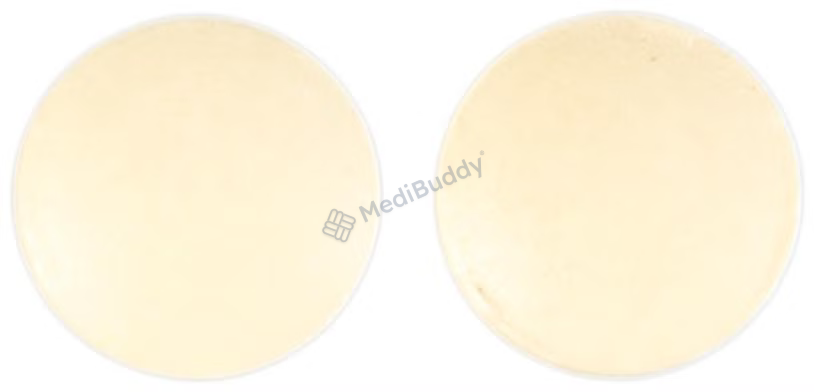
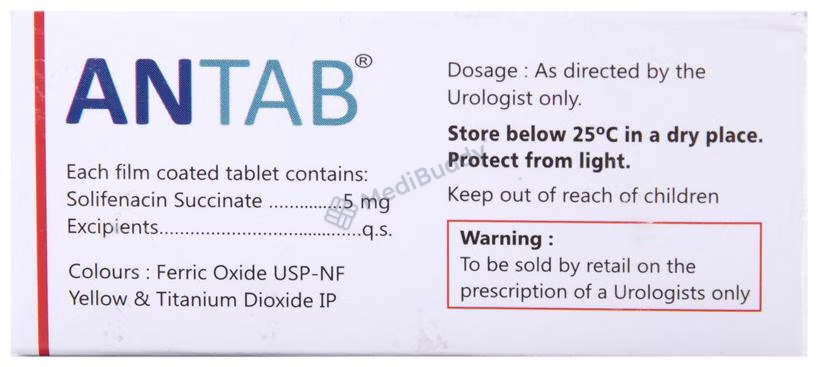
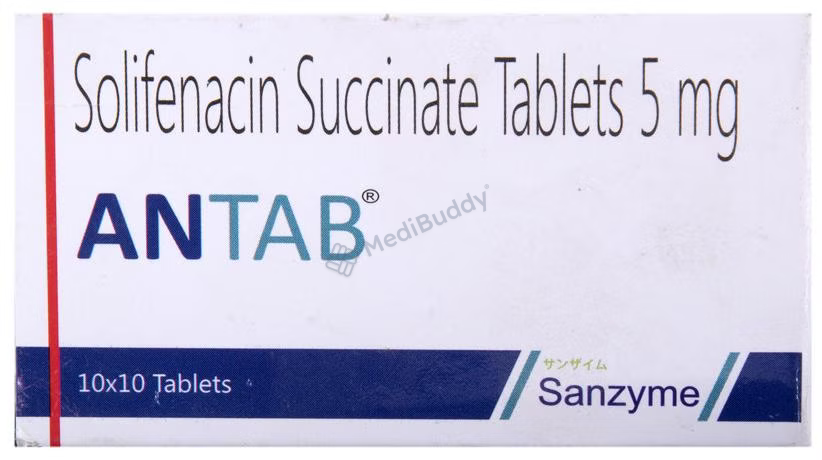

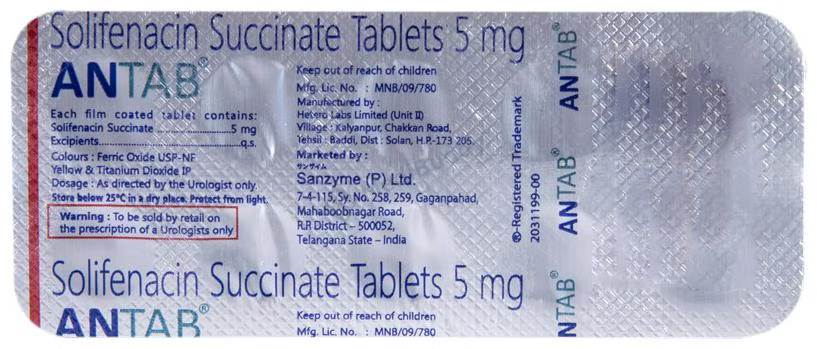
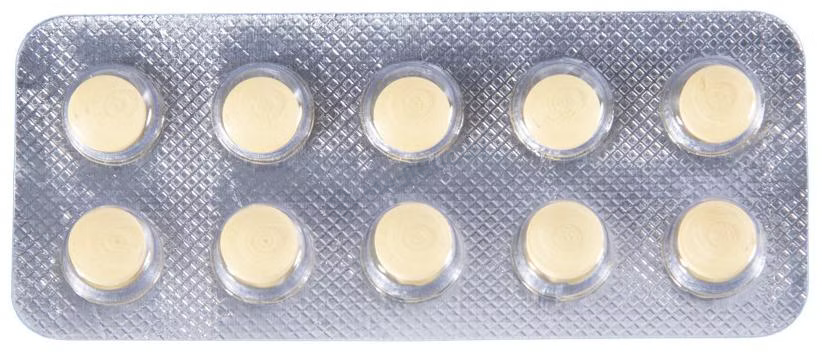
Antab Tablet

By Antab

Rx

10 Tablet in a Strip

Composition icon

Composition

Solifenacin(5mg)

Manufacturer - Sanzyme Ltd icon

Manufacturer - Sanzyme Ltd

PO Bag No. : 1014, Banjara Hills, Hyderabad – 500034

Expires on or after icon

Expires on or after

July, 2026

About Antab Tablet

Antab Tablet, specifically Antab Tablet 10's, falls under the category of medications known as 'urinary antagonists' or 'antispasmodics' and is primarily used to address symptoms related to overactive bladder (OAB). Overactive bladder is a condition characterized by uncontrollable contractions of the urinary bladder muscles, leading to urgent and frequent urination as well as difficulty controlling urination. Additionally, Antab Tablet 10's is also prescribed for the treatment of neurogenic detrusor overactivity in children aged 2 years and above.

The active ingredient in Antab Tablet 10's is 'Solifenacin', which works by relaxing the muscles of the urinary bladder, ultimately reducing the hyperactivity associated with an overactive bladder. By inhibiting sudden muscle contractions in the bladder, Antab Tablet 10's helps individuals regain control over their urination patterns. This medication effectively prevents premature muscle contractions that trigger frequent urges to urinate, thereby increasing the capacity of the bladder to hold urine.

To ensure optimal efficacy and safety, it is crucial to follow the prescribed dosage and schedule provided by your healthcare provider when taking Antab Tablet 10's. Some common side effects of this medication include dry mouth, blurred vision, constipation, nausea, indigestion, abdominal discomfort, and heartburn. If these side effects persist or worsen over time, it is advisable to consult your doctor for appropriate guidance.

Before initiating treatment with Antab Tablet 10's, it is essential to inform your healthcare provider about any existing medical conditions, ongoing medications, or allergies you may have. Patients with conditions such as kidney disease, liver disease, bladder obstruction, myasthenia gravis, glaucoma, gastrointestinal issues, or heart rhythm abnormalities should exercise caution while using this medication. Pregnant or breastfeeding individuals, as well as those with sugar intolerance or sensitivity to specific ingredients in the tablet, should disclose this information to their doctor prior to starting the treatment.

Furthermore, individuals who are unable to urinate (urinary retention) or those with severe bowel issues are not recommended to use Antab Tablet 10's. This medication is contraindicated for pregnant or breastfeeding women and children below the age of 18. To manage potential side effects like dry mouth, blurred vision, constipation, and stomach discomfort, it is important to stay adequately hydrated and promptly report any worsening symptoms to your healthcare provider.


Benefits

Antab Tablet provides multiple benefits in the treatment of Overactive Bladder (OAB) symptoms. By targeting the uncontrollable contractions of the bladder muscles, it effectively reduces frequent urination, urgent need to urinate, and the inability to control passing of urine. Additionally, Antab Tablet helps to alleviate painful or frequent urination, as well as reduce the urgency to urinate that can be associated with urinary tract infections. By addressing these symptoms, Antab Tablet plays a crucial role in managing OAB symptoms efficiently, allowing individuals to experience relief and improved bladder function.


How to use the Antab Tablet

When using Antab Tablet, it is important to follow the guidance provided by your doctor. Take the tablet in the dose and duration prescribed to you. Swallow the tablet whole with a glass of water - do not chew, crush, or break it. You can take Antab Tablet with or without food, but try to take it at the same time each day for consistency. If you have any questions about how to use Antab Tablet, consult your doctor or pharmacist for clarification.


Uses of Antab Tablet

Antab Tablet is primarily used for treating symptoms of Overactive Bladder (OAB). Overactive bladder is a condition characterized by frequent and sudden urges to urinate, often leading to urinary incontinence. Antab Tablet helps to alleviate these symptoms by relaxing the muscles in the bladder, which in turn helps to decrease the frequency of urination and control involuntary bladder contractions. By effectively managing OAB symptoms, Antab Tablet can improve the quality of life for individuals experiencing these urinary issues.


What conditions Antab Tablet treats?

Antab Tablet is a medication used to treat symptoms of overactive bladder (OAB). Overactive bladder can cause frequent urination, sudden urge to urinate, and loss of control over urination. Antab Tablet works by relaxing the muscles in the bladder, reducing the need for frequent urination and the urgency to urinate. It also helps to alleviate discomfort or pain during urination that may be experienced with certain urinary tract infections. This medication can effectively manage the symptoms associated with an overactive bladder.


Should you consult a doctor?

If you experience persistent side effects such as dry mouth, constipation, blurry vision, nausea, upset stomach, or a urinary tract infection while taking Antab Tablet, it’s important to consult your doctor. These side effects may occur as your body gets used to the medication, but if they continue or if you have concerns, seeking medical advice is crucial. Additionally, if you are pregnant, breastfeeding, have liver or kidney disease, or are taking other medications for different health conditions, it is recommended to inform your doctor before starting Antab Tablet. Regular follow-ups as advised by your doctor are essential if you have liver or kidney issues. Remember not to stop taking the medication without consulting your doctor to prevent any worsening of symptoms. It’s advised to avoid driving if you experience blurry vision or dizziness while on this medication. It’s essential to complete the full course of treatment for the medicine to be most effective.


Side effects of Antab Tablet

When taking Antab Tablet, some individuals may experience certain side effects. It's important to note that most of these side effects are usually temporary and may go away as your body gets used to the medication. However, if these side effects persist or cause concern, it is advisable to consult with your doctor. Common side effects of Antab Tablet may include dryness in the mouth, constipation, blurred vision, nausea, upset stomach, and urinary tract infections. If you encounter any of these side effects and they persist or become bothersome, seek medical advice.


Safety advice

scroll

liver

When using Antab Tablet, it is important to be cautious if you have liver disease. Patients with liver issues may require a dose adjustment when taking Antab Tablet, so consulting with your doctor is essential. It is advised not to use Antab Tablet in patients with severe liver disease. Please be mindful of your liver health when using this medication and seek guidance from your healthcare provider.

scroll

kidney

Antab Tablet needs caution in severe kidney disease. Dosage adjustment may be necessary. Avoid use during kidney dialysis. Consult your doctor.

scroll

alcohol

Caution is advised when drinking alcohol while taking Antab Tablet, consult your doctor.

scroll

driving

When taking Antab Tablet, be cautious while driving. It can cause blurred vision, sleepiness, or tiredness, impacting your ability to drive safely.

scroll

pregnancy

Antab Tablet may not be safe to use during pregnancy. Limited human studies exist, but animal studies indicate potential harm to the developing baby. Your doctor will assess the benefits and risks before prescribing. Please consult your doctor.

scroll

breastfeeding

During breastfeeding, Antab Tablet is likely safe as per limited human data. Long-term use may reduce milk production and lead to constipation, dry mouth, and urine infection in the baby.


Consumption warning before consuming Antab Tablet

Before taking Antab Tablet, ensure to follow the prescribed dose and duration as advised. You can take it with or without food, but make sure to swallow the tablet whole without chewing. Do not halt the medication without consulting your doctor to prevent aggravation of symptoms. It is crucial to complete the full course of treatment for optimal effectiveness.


Potential side effects of Antab Tablet include dry mouth, constipation, nausea, and urinary tract infections. To manage these effects, stay hydrated by drinking ample water. Additionally, this medication may cause blurry vision or dizziness, so refrain from driving while under its influence.


Inform your doctor of any other medications you are taking or if you are pregnant, breastfeeding, or have liver or kidney issues before starting treatment. Patients with liver or kidney disease should be especially cautious and follow up regularly with their doctor during the course of treatment.


What if you forgot to take Antab Tablet?

If you forget to take a dose of Antab Tablet, try to take it as soon as you remember. But if it's almost time for your next scheduled dose, it's best to skip the missed dose and continue with your regular dosing schedule. Avoid taking a double dose to make up for the missed one. This helps maintain the correct medication levels in your body and reduces the risk of potential side effects.


Related lab tests

When taking Antab Tablet, it may be important to keep track of your health through related lab tests. One important test is the Urine Routine & Microscopy. This test helps in examining the physical and chemical properties of your urine, as well as detecting any abnormalities such as infections or diseases in the urinary tract. By analyzing your urine, healthcare providers can gain valuable insights into your overall health and make informed decisions regarding your treatment plan. Regular monitoring through this lab test can help ensure that you are responding well to the medication and that any potential side effects are being addressed promptly.


Related Lab Tests:

1. Urine Routine & Microscopy


Additional Information

Habit FormingNo
Chemical ClassQuinuclidine Tetrahydroisoquinoline Derivative
Therapeutic ClassUROLOGY
Action ClassSelective M3 anticholinergic (Bladder)

FAQs


Disclaimer

The information provided on this website is to the best of our abilities to ensure it is accurate, reliable, and reviewed by a team of professionals. It should not be used to diagnose, prevent, or cure any health problem. The information presented here is not intended to create a doctor-patient relationship or replace a registered medical practitioner's advice, diagnosis, or treatment. The absence or provision of any information or warning regarding any medicine should not be assumed as an implied or explicit assurance of safety or efficacy. We highly recommend consulting your registered medical practitioner for all queries or doubts related to your medical condition. Do not ignore professional medical advice or delay seeking it based on the content encountered on our website. We intend to support, not replace, the doctor-patient relationship.

219

Inclusive of all taxes

Content verified by

chevron-right

Dr. Gowri Kulkarni

MBBS - General Medicine, DNB - Psychiatry, MRCGP [INT] Family Medicine, BSIC (BACP)

Last update on 01-Oct-2024