
Kidney stones, or nephrolithiasis, are one of the most painful conditions known to medicine. In India, the prevalence of kidney stones is rising due to a combination of genetic factors, hot climates leading to dehydration, and changing dietary habits. However, 2026 brings with it highly advanced, minimally invasive "lunchtime" procedures that have turned a once-dreaded surgery into a quick recovery process.
Whether you are currently experiencing the "colic" pain of a stone or want to ensure you never do, this A to Z guide covers everything from the latest laser treatments to the specific "Stone-Fix" diet.
1. What are Kidney Stones? (The Basics)
A kidney stone is a solid piece of material that forms in the kidney from substances in the urine. It can be as small as a grain of sand or, in rare cases, as large as a golf ball.
The 4 Main Types of Stones:
- Calcium Oxalate Stones: The most common type (70-80%). Caused by high oxalate intake and low fluid volume.
- Uric Acid Stones: Common in those who eat high-protein diets or have gout.
- Struvite Stones: Often called "infection stones," these can grow very large and are usually caused by urinary tract infections (UTIs).
- Cystine Stones: A rare, hereditary type of stone.
2. Causes: Why Does the Body Form Stones?
In the medical world, stone formation is often about "saturation." When your urine contains more crystal-forming substances—such as calcium, oxalate, and uric acid—than the fluid in your urine can dilute, crystals form.
Key Risk Factors in India:
- Dehydration: The primary cause in the Indian subcontinent. High temperatures lead to excessive sweating, concentrating the urine.
- High Salt Intake: Indian diets rich in pickles, papads, and processed snacks increase calcium in the urine.
- Animal Protein: Excessive consumption of red meat and seafood increases uric acid.
- Family History: If your parents had stones, your risk is significantly higher.
3. Symptoms: How to Spot a Stone
A stone may stay "silent" in the kidney for years. Pain only begins when the stone moves into the ureter (the narrow tube connecting the kidney to the bladder).
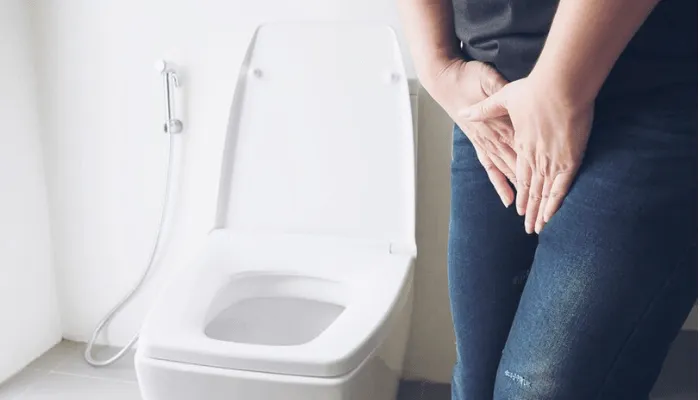
- Renal Colic: Sharp, cramping pain in the back and side (flank), often radiating to the lower abdomen and groin.
- Hematuria: Pink, red, or brown urine (blood in urine).
- Urgency: Feeling the need to urinate constantly.
- Nausea/Vomiting: Severe pain often triggers the vagus nerve, causing stomach upset.
- Fever/Chills: A sign of a dangerous complication—an infected obstructed kidney.
4. Diagnosis: The "Stone Protocol"
When you visit a urologist through MediBuddy, they will typically follow these steps:
- Non-Contrast CT Scan (KUB): The "Gold Standard." It shows the exact size, location, and hardness (Hounsfield units) of the stone.
- Ultrasound: A safer, radiation-free option, often used for pregnant women or children.
- Urine Analysis: To check for infection and the presence of crystals.
- 24-Hour Urine Collection: Used for "Recurrent Stone Formers" to understand the metabolic reason behind the stones.
5. Treatment Methods: 2026 Technology
In 2026, open surgery for kidney stones is almost obsolete. Most stones are now treated with "Scarless" or "Keyhole" methods.
A. Non-Surgical / Medical Management
For stones < 5mm, your doctor may prescribe:
- Alpha-Blockers: To relax the ureter muscles so the stone slips out.
- Potassium Citrate: To dissolve uric acid stones by making urine less acidic.
B. ESWL (Extracorporeal Shock Wave Lithotripsy)
- Process: High-energy shock waves are focused on the stone from outside the body to break it into "dust."
- Best for: Small stones (< 10mm) in the upper kidney.
C. RIRS (Retrograde Intrarenal Surgery) - The 2026 Favorite
- Process: A flexible thin telescope (ureteroscope) is passed through the natural urinary opening. A Holmium or Thulium Laser is then used to "vaporize" the stone.
- Benefits: No cuts, no scars, and usually a "day-care" procedure.
D. PCNL (Percutaneous Nephrolithotomy)
- Process: A tiny 1cm "keyhole" incision in the back.
- Best for: Large or "Staghorn" stones (> 20mm).
6. Type of Stents: The DJ Stent
After most stone surgeries, doctors place a Double-J (DJ) Stent—a thin, flexible tube that keeps the ureter open while it heals.
- Standard Stents: Polyurethane/Silicone; removed after 1–2 weeks.
- Coated Stents: Advanced stents with "hydrophilic" coatings to reduce the "burning" sensation during urination.
7. Cost of Treatment in India (2026 Estimates)
| Procedure | Average Cost (INR) |
| ESWL (Shockwave) | ₹25,000 – ₹45,000 |
| URS (Ureteroscopy) | ₹45,000 – ₹90,000 |
| RIRS (Advanced Laser) | ₹85,000 – ₹1,80,000 |
| PCNL (Keyhole) | ₹75,000 – ₹1,60,000 |
8. Recovery Timeline
- Day 1: Discharge from the hospital. Some blood in the urine is normal.
- Days 2-3: Resume light office work. You may feel a slight "twinge" in the back when urinating due to the stent.
- Week 1-2: Stent removal (a 2-minute OPD procedure).
- Week 4: Full resumption of strenuous exercise and gym.
9. The "Stone-Prevention" Diet Plan
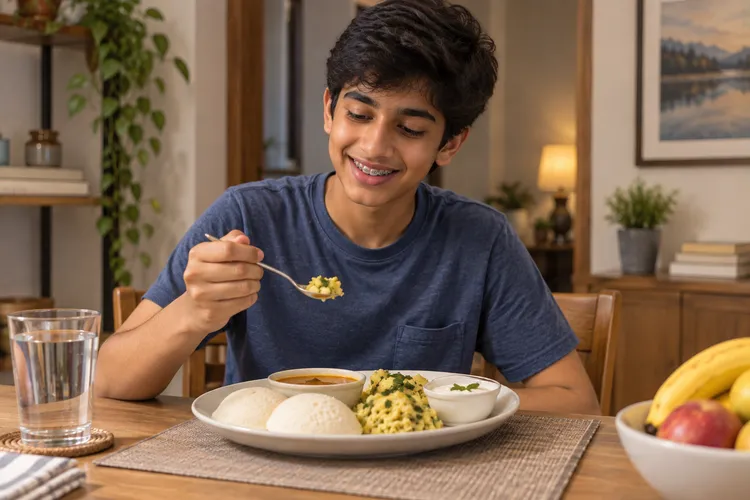
Recovery doesn't end with surgery; prevention begins with your plate.
- The 3-Liter Rule: Drink enough water to produce 2.5 liters of clear urine daily.
- Citrus Power: Lemons and oranges contain Citrate, which naturally inhibits stone formation.
- The Calcium Paradox: Don't cut out calcium! Eat calcium with oxalate-rich foods (like spinach) so they bind in the stomach, not the kidneys.
- Low Sodium: Limit salt to < 2,300mg per day.
- The Oxalate List: Limit spinach, nuts, beets, and chocolate if you are a "calcium oxalate" stone former.
10. Risks & What We Missed
- The "Silent" Danger: A stone that doesn't hurt but blocks the kidney can lead to Renal Failure over time. Never ignore a diagnosed stone just because "it doesn't hurt."
- Recurrence: There is a 50% chance of getting another stone within 5 years if lifestyle changes aren't made.
- Infection Risk: If you develop a fever after surgery, contact your urologist immediately.
Conclusion
Kidney stones are a painful reminder that our bodies need hydration and balance. With modern laser technology and the right diet, you can move from a state of emergency to a lifetime of kidney health.
Don't wait for the pain to return. [Book a Kidney Health Check or Urologist Consultation on MediBuddy today.]
"This content is medically reviewed and verified by Dr. Gowri Kulkarni, Head of Medical Operations at MediBuddy."
Disclaimer: This blog is for informational purposes only and does not constitute medical advice. Always consult with a qualified healthcare provider for personalized recommendations.